I went to Barcelona for the second time in September 2023, with my boyfriend, for his birthday. We stayed six to seven days.
I loved it. There are so many different neighbourhoods, and so many varied things to see, that it does you good.
Barcelona overview
When: September 2023, for the second time.
How long we stayed: six to seven days.
How we got around: mostly on foot, and a ride app for the trips further out.
How long I would stay: one week.
Getting around Barcelona
We walked most of the time, and used a ride app for the trips further out, like the Mirador d'Horta.
Good to know: for the metro, the tram and the city buses, the T-casual is the ticket most visitors want: 10 journeys for €12.55, and you can share it, one validation per person. A single ticket costs €2.65, so it pays for itself quickly. The airport metro stations are not included: the airport ticket is €5.70. If you plan to use transport a lot over a few days, compare with the Hola Barcelona Travel Card, from €18.70, which includes the airport.
One warning: Barcelona is very safe for violent crime, but it has some of the best pickpockets in the world. La Rambla, the metro and the square in front of the Sagrada Família are their favourite places. Bag across the chest, zips closed, nothing in a back pocket, and no phone left on the café table.
Where to stay in Barcelona
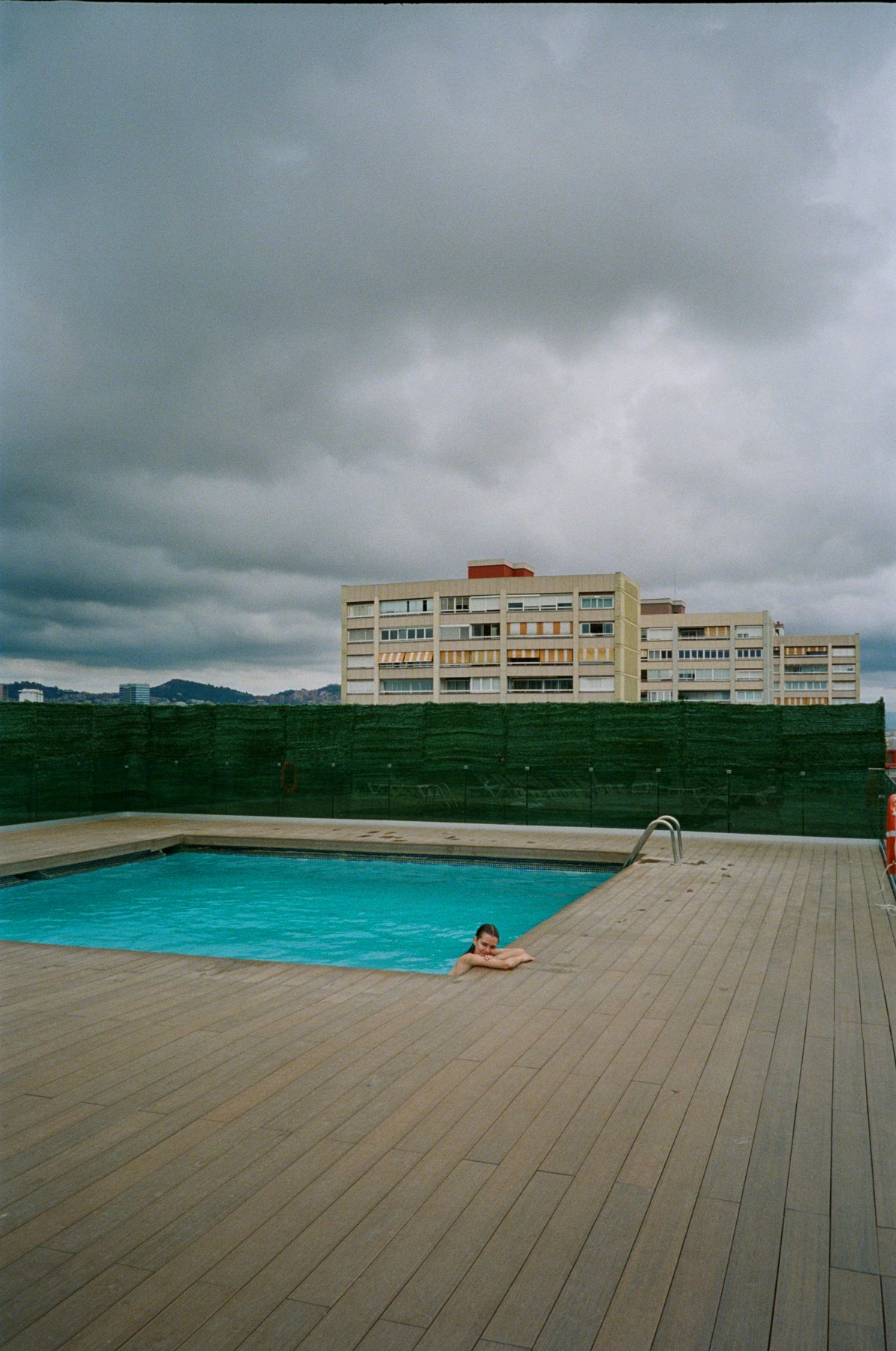
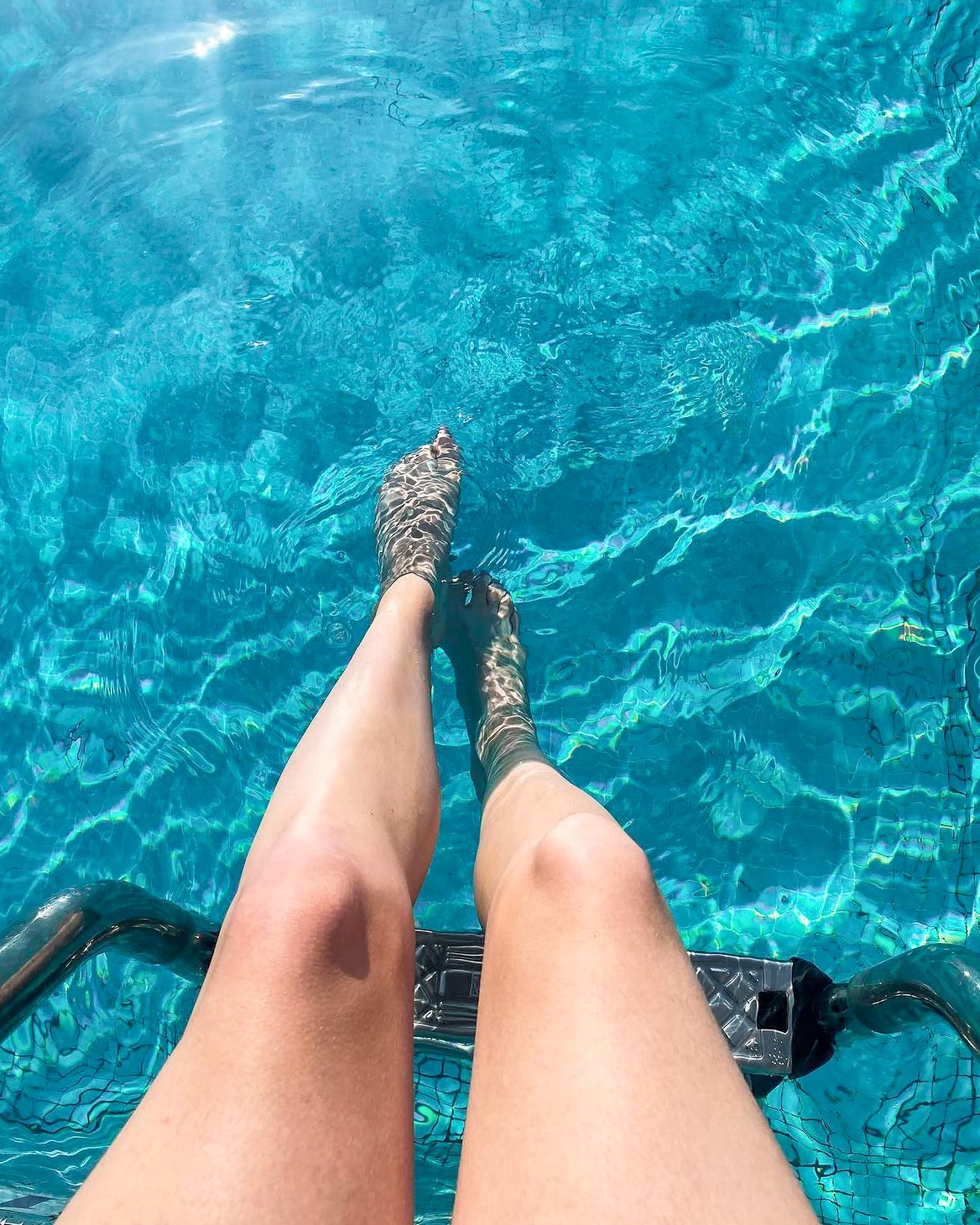
We stayed at the Expo Hotel Barcelona, for its rooftop pool.
Good to know: the Expo Hotel is next to Sants station, the main train station of Barcelona, which makes it easy if you arrive by train or by airport bus. The rooftop pool is open in summer.
Best things to do in Barcelona
The Sagrada Família
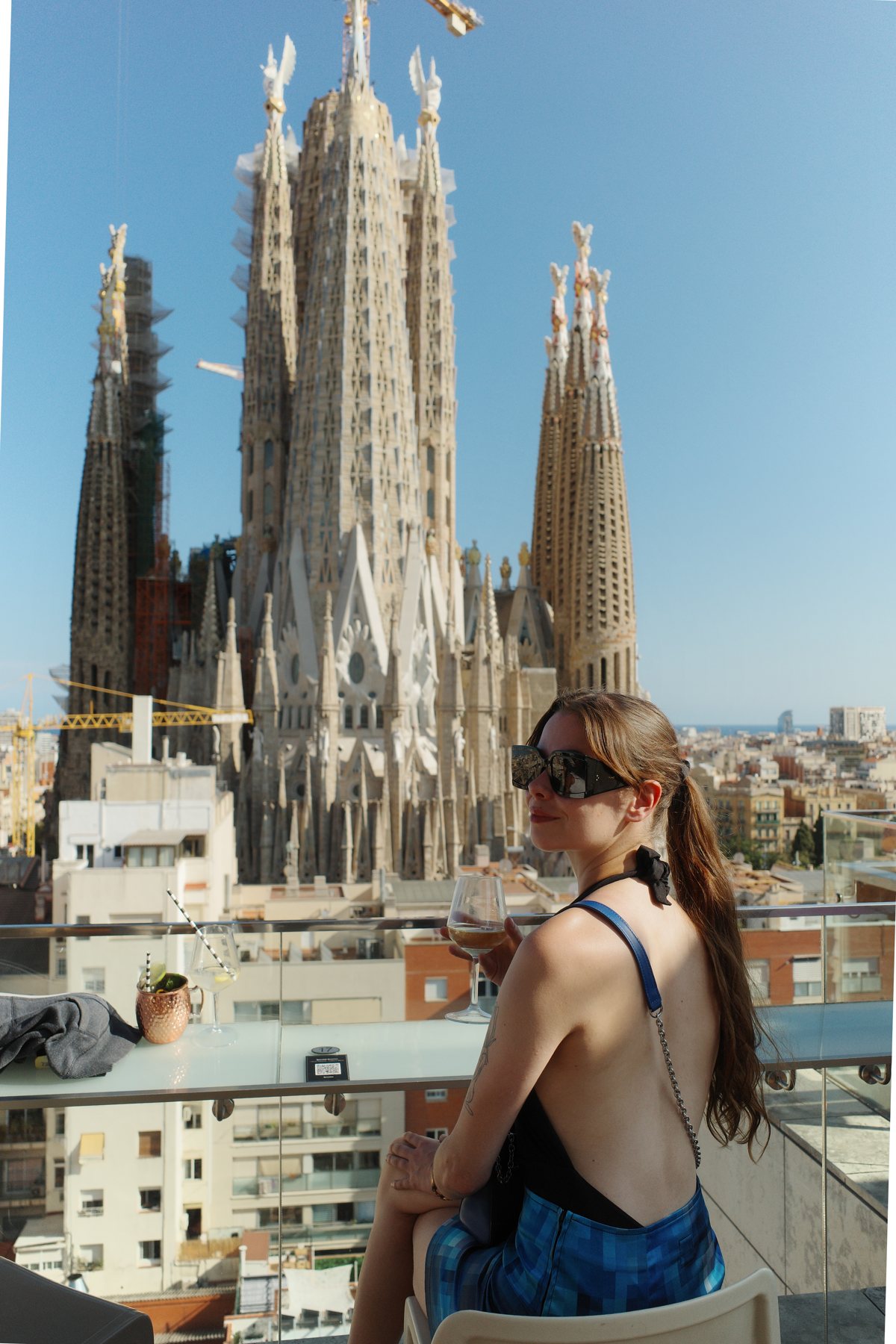
The best view we found was from the rooftop terrace of the Sercotel Rosellón, with the basilica right in front of us.
The story: the first stone was laid in 1882, to a neo-Gothic design by Francisco de Paula del Villar. Gaudí took over in 1883, at 31, and redrew the whole thing around his vision of nature turned into stone. He worked on it until his death in 1926, hit by a tram, and is buried in the crypt. The basilica is an expiatory temple, funded only by donations and tickets, which is one reason it took so long.
Where it stands now: in February 2026 the last piece of the central Tower of Jesus Christ was lifted into place. At 172.5 metres, the Sagrada Família became the tallest church in the world, and all 18 towers are structurally complete for the first time. The tower was blessed on 10 June 2026, exactly one hundred years after Gaudí's death. Some finishing work, like the Glory Façade, is still to come.
Good to know: you have to book a time slot online before you go up. Do it in advance, the slots go quickly.
For the basilica itself, book your ticket online too, with a time slot. Queues at the door are long, and tickets often sell out days ahead in summer.
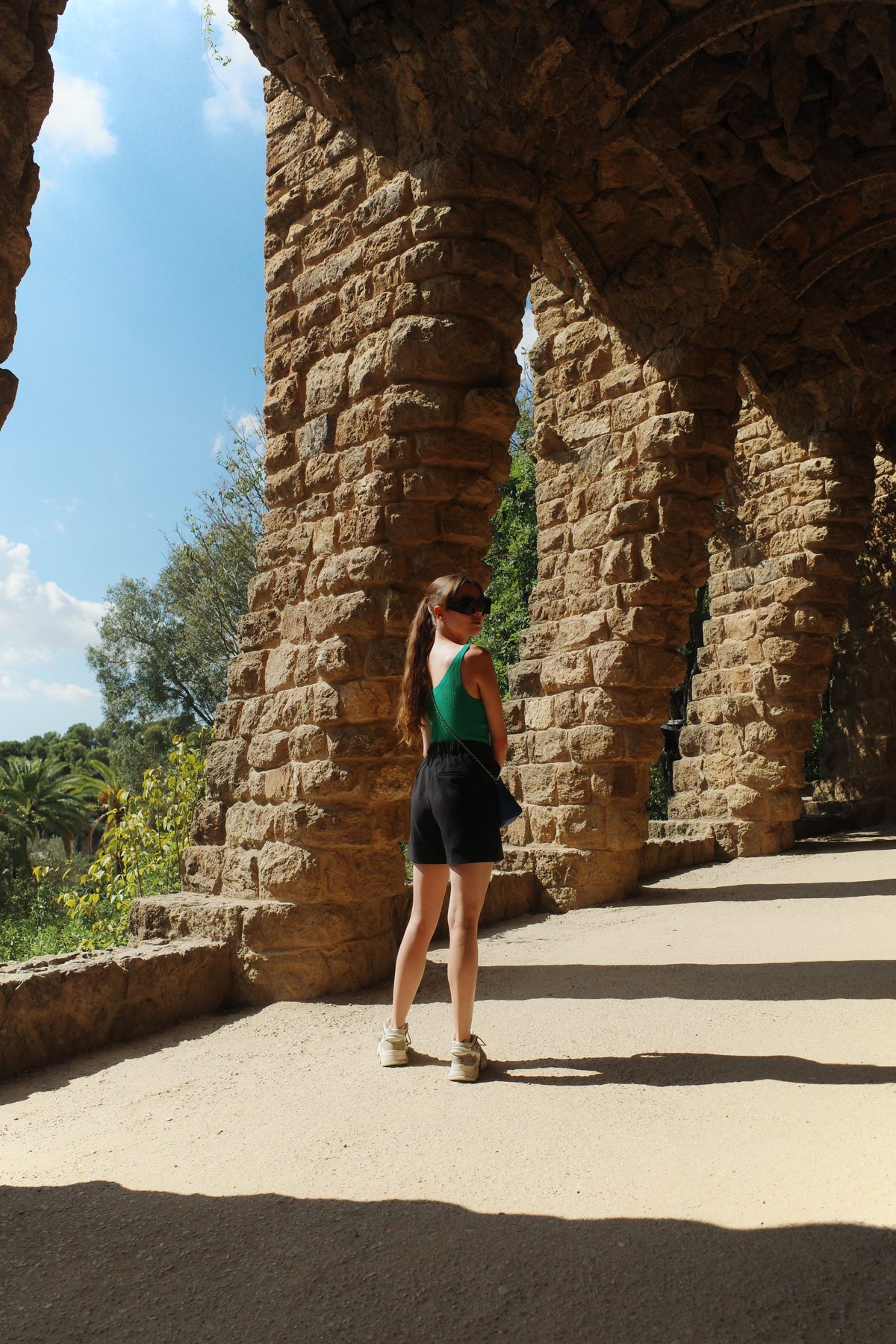
Park Güell
Magnificent.
The story: the park was never meant to be a park. Between 1900 and 1914, the businessman Eusebi Güell asked Gaudí to lay out a residential estate of about sixty plots on a bare hill, modelled on the English garden suburbs, which is why the English word "Park" is in the name. Almost nobody bought a plot, only a couple of houses were ever built, and the project failed. The city turned it into a public park, and it is now a UNESCO World Heritage Site.
What to look for:
- The Dragon Staircase, with El Drac, the mosaic salamander on the second landing, above the Catalan coat of arms.
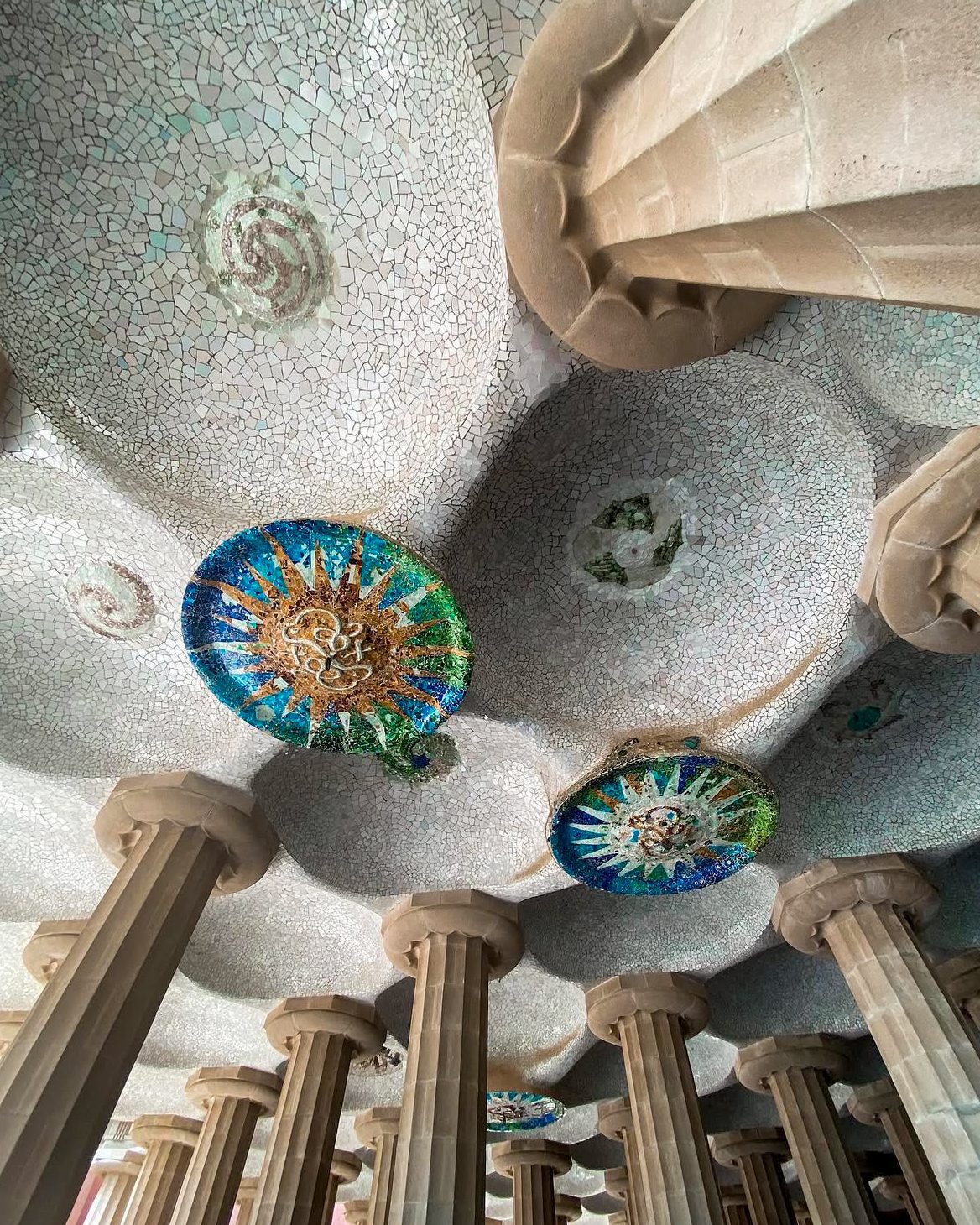
- The Hypostyle Room, often called the Hall of a Hundred Columns although there are 86. It was meant to be the market of the estate. Look up: the ceiling is covered with trencadís, the broken tile mosaic, with four rosettes.
- Nature Square, the big terrace above the Hypostyle Room, planned as a Greek theatre, with the view over the city.
- The serpentine bench, about 110 metres of curving trencadís around the terrace. It was Gaudí's idea, but it was designed by Josep Maria Jujol.
- The Laundry Room Portico, a leaning colonnade shaped like a wave, named after the washerwoman carved into one of its columns.
- The gatehouses, the two fairy tale pavilions at the main entrance on Carrer d'Olot. One of them holds an exhibition about the park, included with the ticket.
Good to know: only the Monumental Zone, the part with all of this, is paid, and it needs a ticket with a 30-minute time slot booked online. The rest of the park, the woodland paths and the viewpoints, is free. Entry is capped per hour and the slots sell out, especially in summer.
My advice: take the very first slot of the morning. The light on the trencadís is softer, and you are there before the tour groups. Count one hour to one hour and a half for the Monumental Zone.
Getting there: metro line 3 to Lesseps or Vallcarca, then a steep walk uphill, or bus 24, 92 or 116 to the entrance. Wear real shoes, it climbs. The park is a short hop north of the Sagrada Família, so you can do both in one morning.
The Gothic Quarter, El Born and the beach
The Gothic Quarter is the medieval heart of the city, a maze of narrow streets between the cathedral and the Ramblas. Just next to it, El Born is quieter, with its artisan shops and its tapas bars. And at the end of the streets, the beach of Barceloneta.
My advice: go beyond these two. Gràcia, further up, feels like a village, with pedestrian squares and cafés where you hear almost no English. It is the Barcelona I would go back for.
La Boqueria
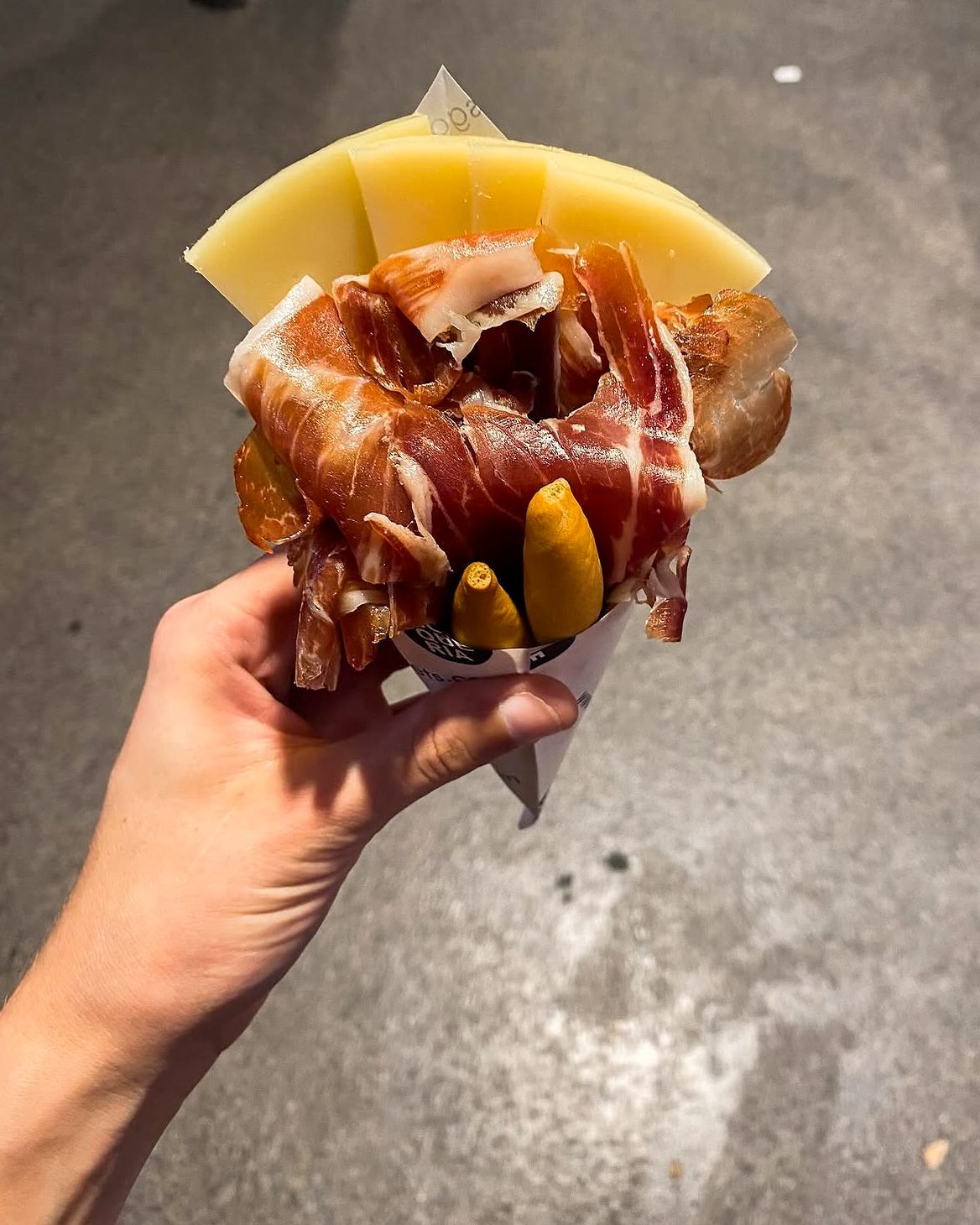
At La Boqueria, the big market off the Ramblas, I had a cone of jamón and cheese.
Good to know: La Boqueria is on the Ramblas, and it is closed on Sundays. There has been a market on this spot since the Middle Ages, and the iron hall dates from the 19th century. The stalls at the entrance are the most touristy and the most expensive: walk to the back for the ones where locals actually shop, and go in the morning, when the market is really working.
And while you are on the Ramblas: do not eat there. The street is famous by name only, and the terraces are tourist traps. Walk one street away, in either direction, and everything gets better and cheaper.
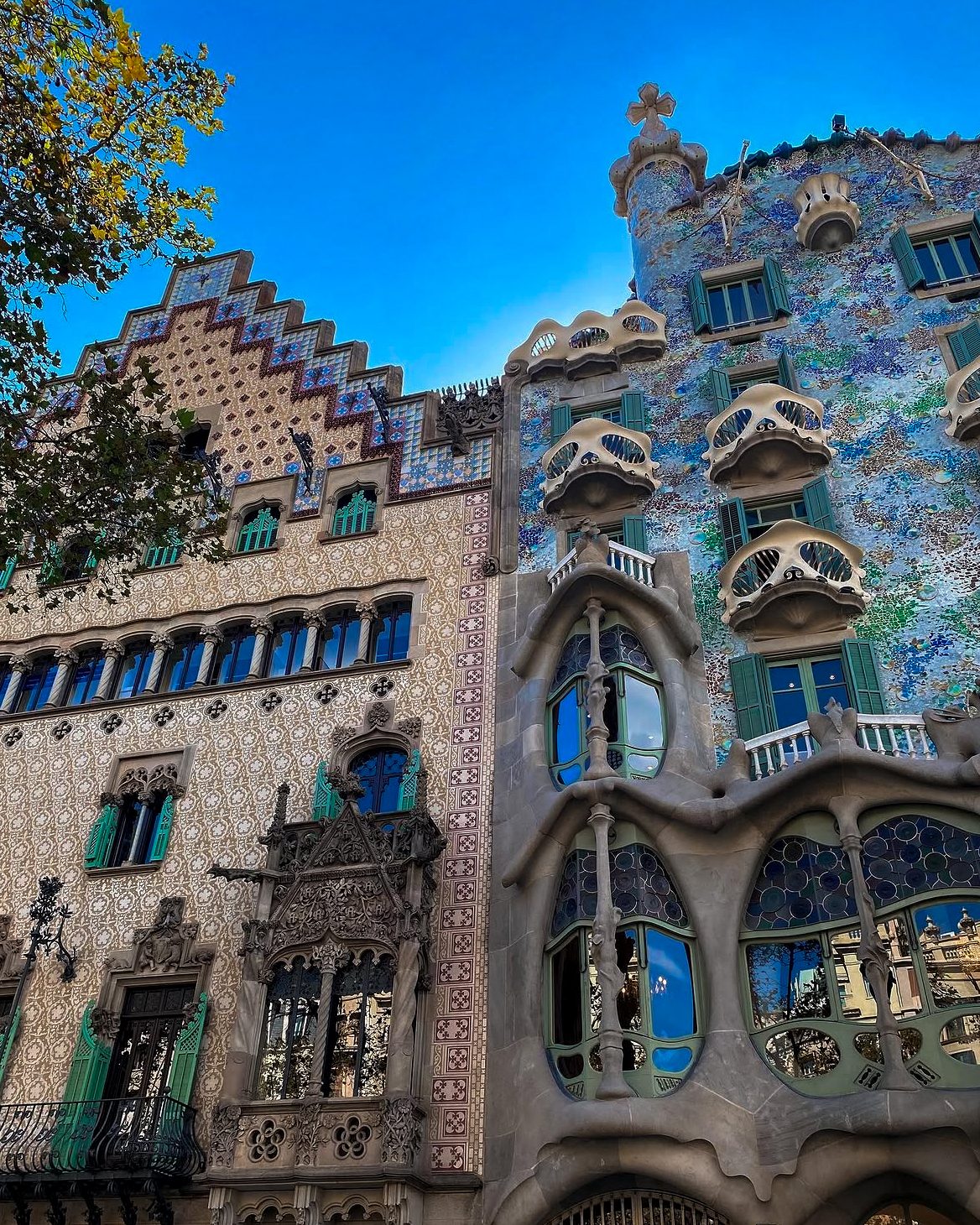
Good to know: Casa Batlló is on Passeig de Gràcia, in the Eixample, the grid neighbourhood of the wide avenues. You can admire the facade from the street for free, with its bone-shaped balconies and its roof like a dragon's back. To go inside, book online.
Montjuïc
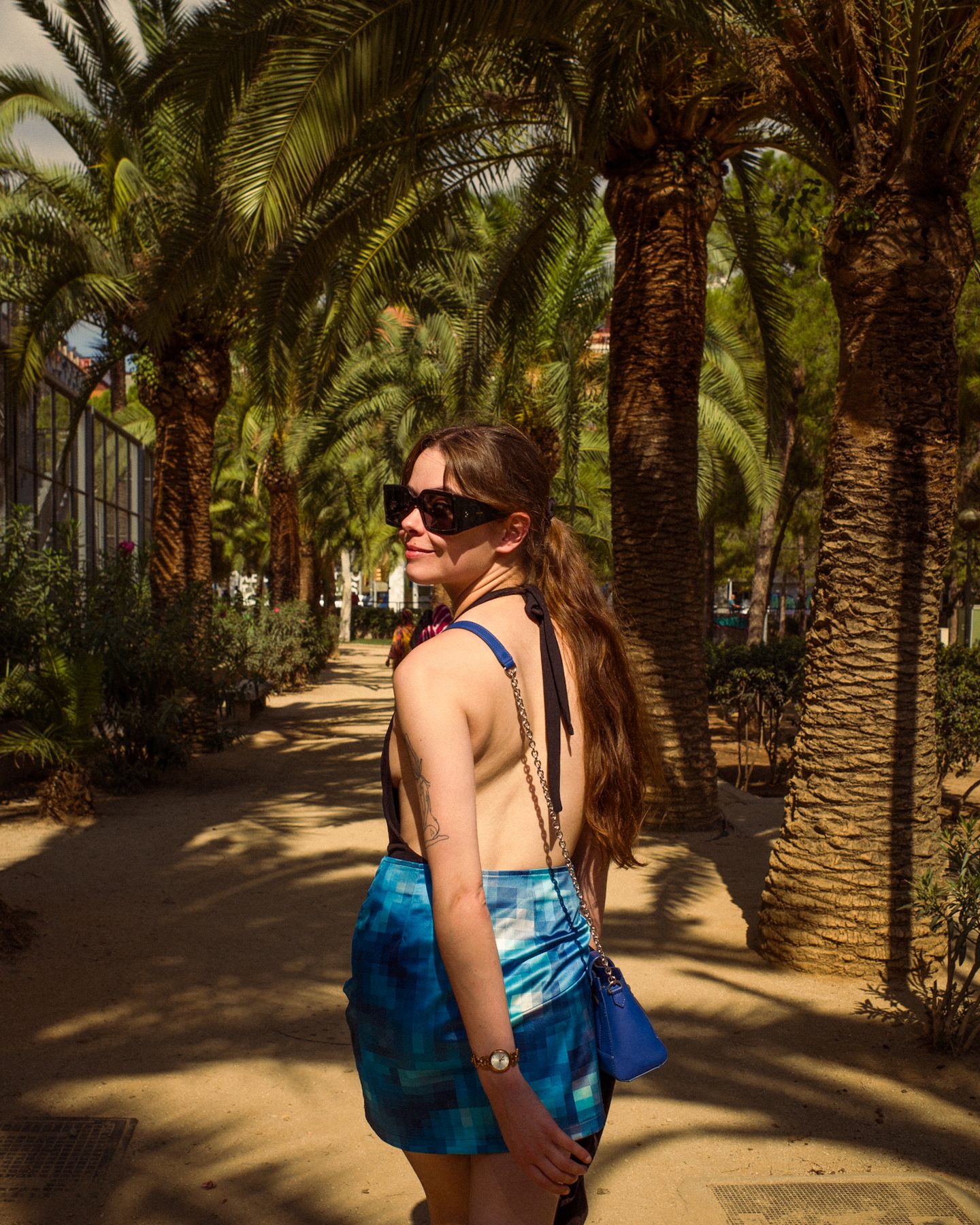
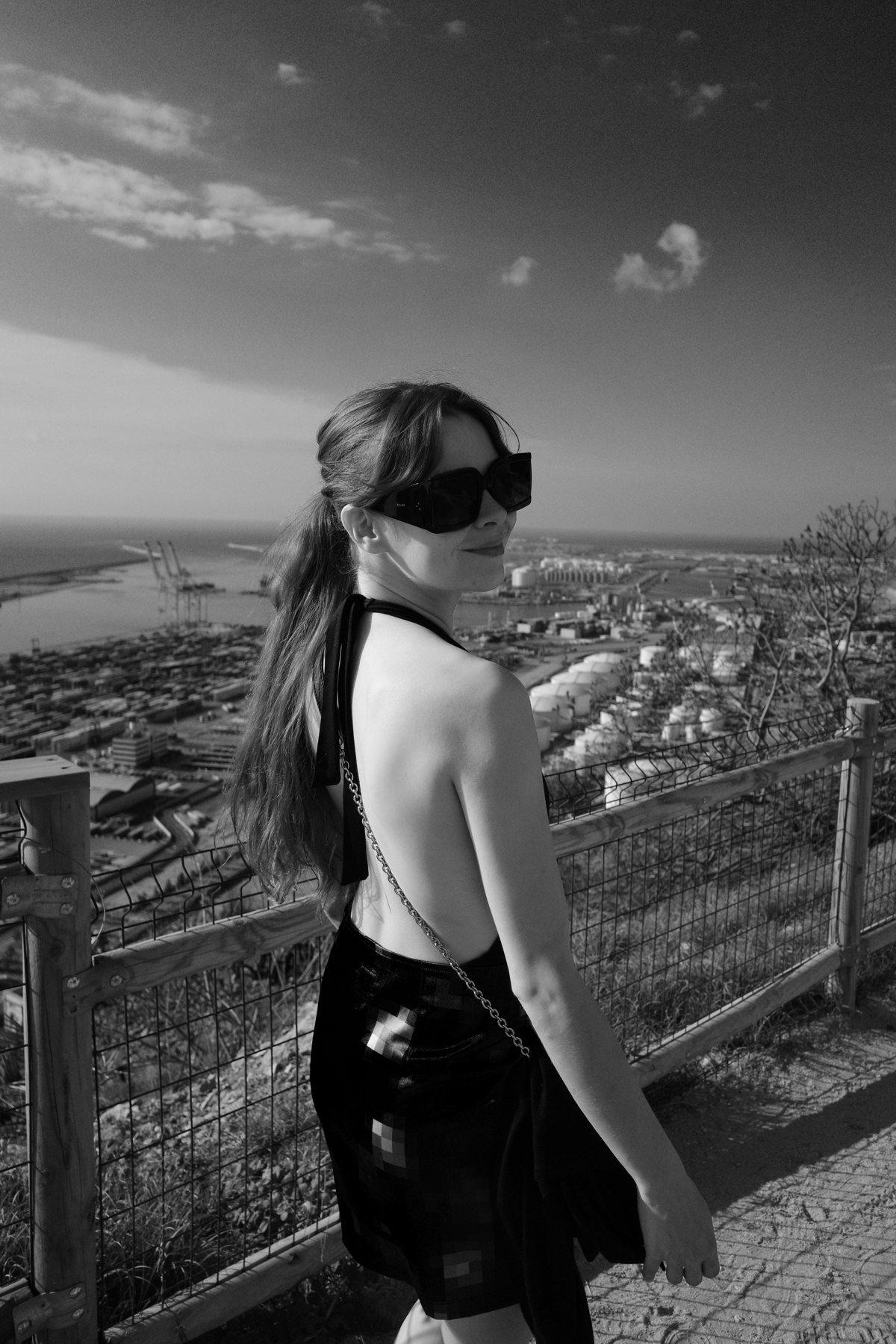
One of my two favourite spots for photography.
Good to know: Montjuïc is the hill above the port. You can walk up, take the funicular from Paral·lel metro station, which is included in your normal transport ticket, or ride the cable car up to the castle, which is not.
What is up there: the castle and its views, the Joan Miró Foundation, the MNAC and its Catalan art, the Olympic ring from 1992, the gardens, and at the bottom the Magic Fountain of Montjuïc, in front of the MNAC.
My advice: late afternoon, for the light on the city and the sea, and to end the day on the hill.
The Mirador d'Horta and its swing
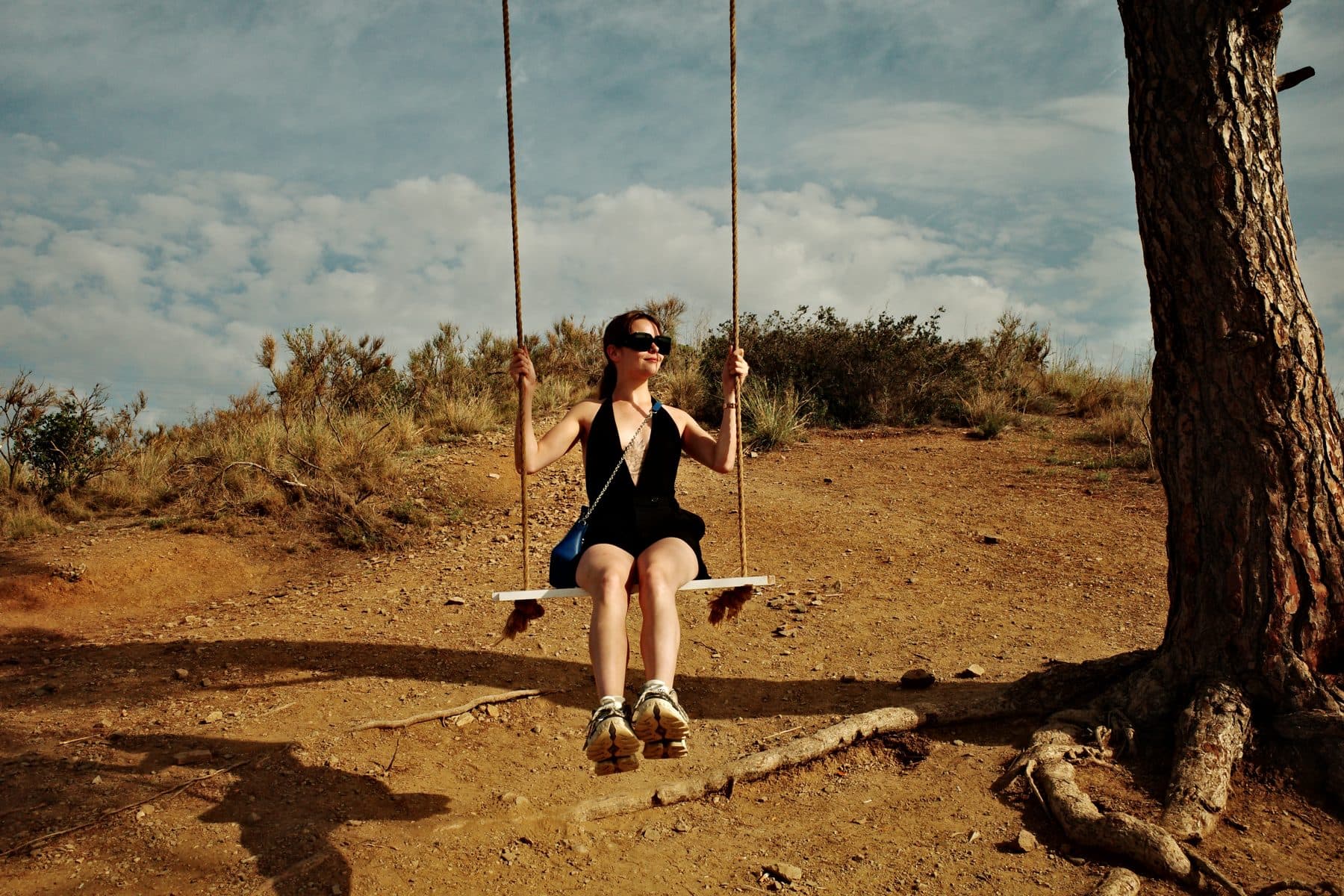
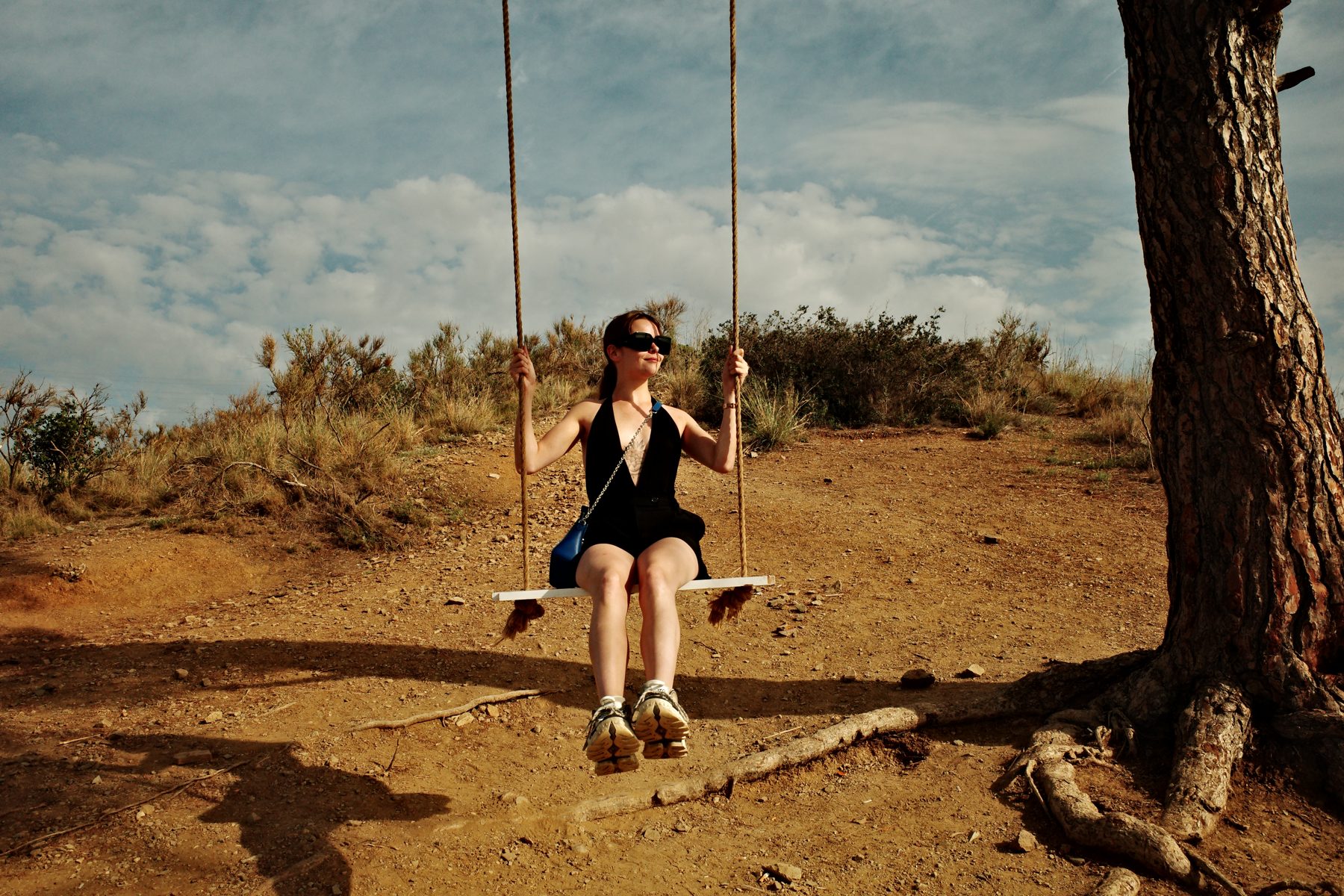
We went out to the Mirador d'Horta, in the Collserola Natural Park, for the swing hanging from a tree that looks out over the city. It is my other favourite photo spot.
Good to know: the Mirador d'Horta is on the road from Horta to Cerdanyola, on the southern side of the Collserola hills. It opened in 1995, and looks down on the Velòdrom and the districts of Horta and Montbau, with the sea in the distance. Take metro line 3 to Valldaura, then walk about twenty minutes. Because of the crowds, the swing is not always there: sometimes only the rope is left. Sunset is the best time.
Fun fact: from the Mirador d'Horta and the hill with the swing, you can see Mount Tibidabo. Yes, the one from Joey's Europe story in Friends.
Where to eat and drink in Barcelona
Cervecería Catalana
Carrer de Mallorca 236, in the Eixample, on the corner of Rambla de Catalunya. Tapas, tapas, tapas. One of the two places I would go back to.
Good to know: they take no reservations, so you queue. Service runs all day, from the morning until about 1:30am, which makes it a good plan for a late dinner. Go around 3pm for lunch, or before 7pm for dinner, to avoid the worst of the queue, and look at the bar seats: they free up faster than the tables. Their montaditos, the small open sandwiches, are what they are known for.
Bar del Pi
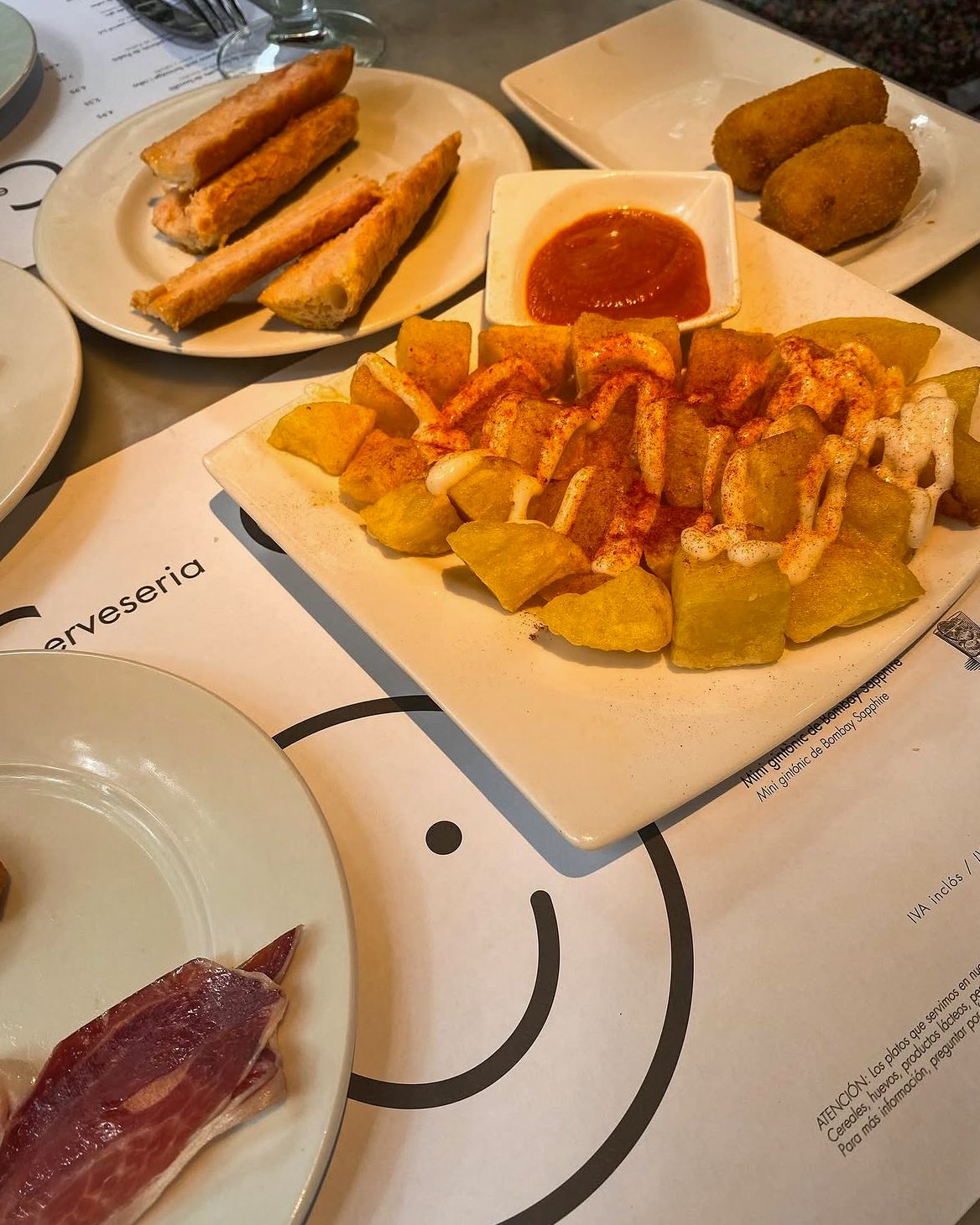
Plaça de Sant Josep Oriol, in the Gothic Quarter. The other one. Their speciality is the bomba, the Barcelona potato bomb, and it is excellent.
Good to know: the terrace sits on the square beside the basilica of Santa Maria del Pi, one of the nicest squares of the old town, with an artists' market on some weekends. It is an old Catalan institution, and the service is friendly rather than fast.
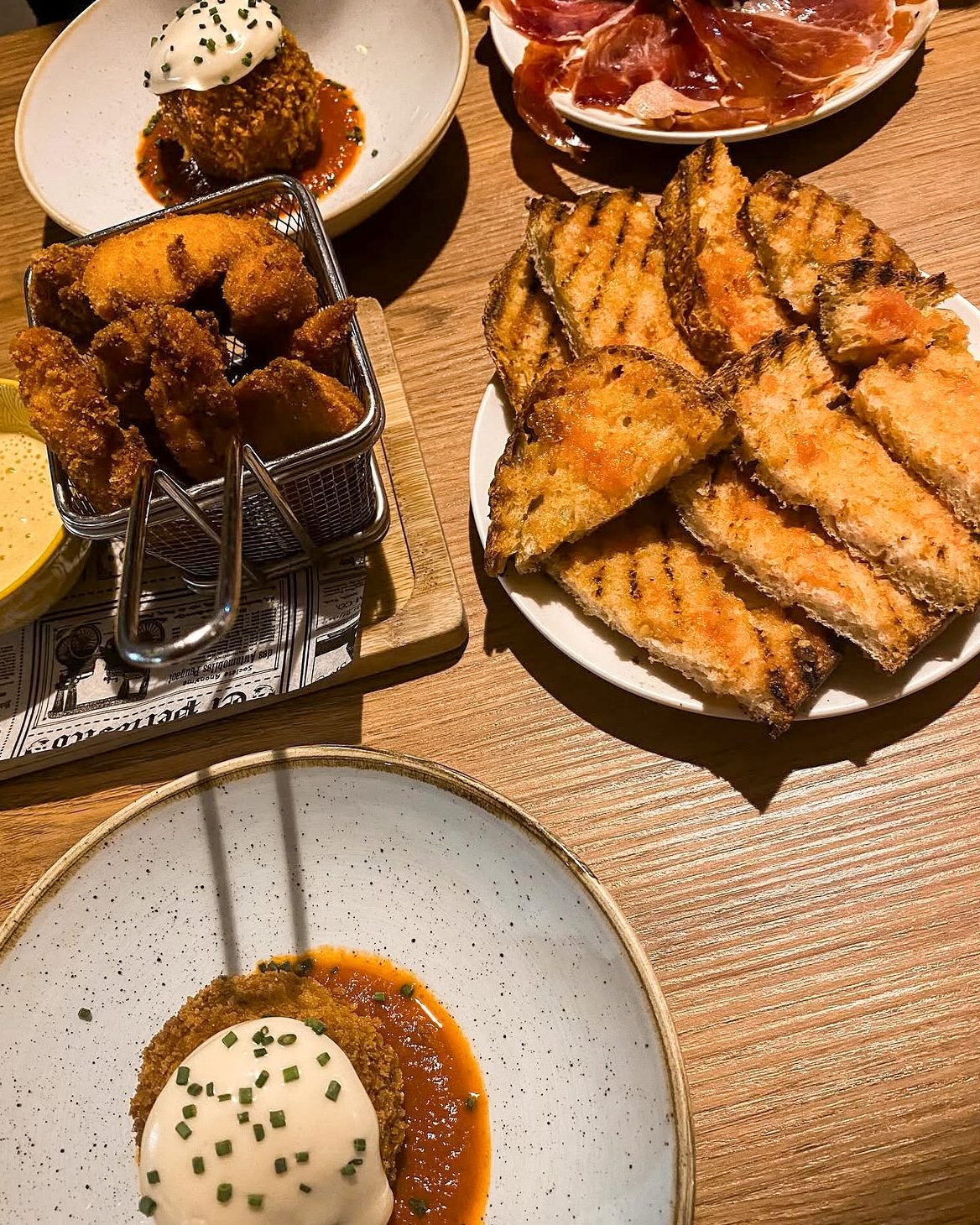
Gats Barcelona
Carrer d'en Xuclà 7, in the old town, a few steps from the Ramblas. Very nice too, with its inner courtyard.
Good to know: classic tapas, patatas bravas, croquettes, prawns, with a cocktail list. Book if you want a table in the courtyard.
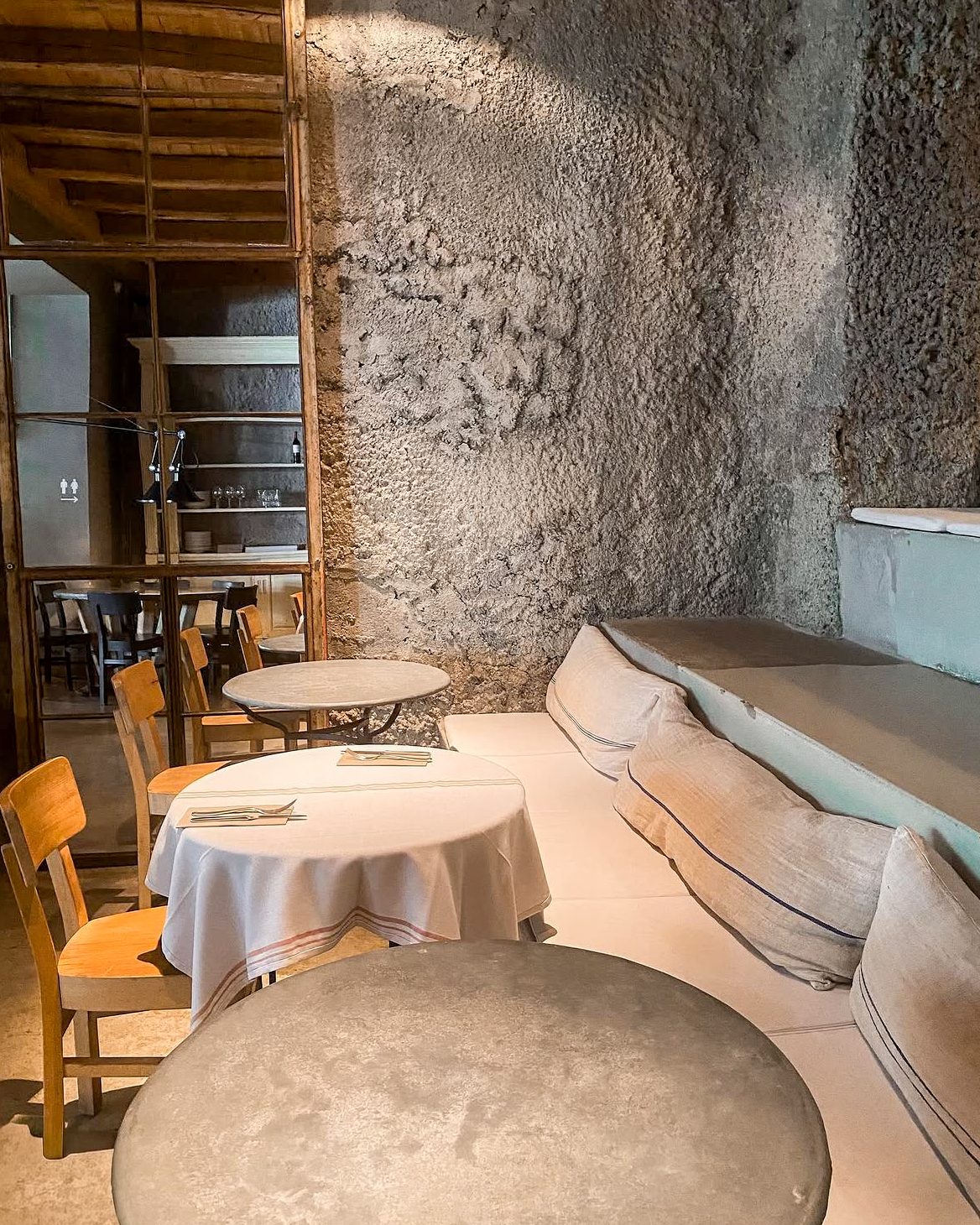
L'Atelier de Blai
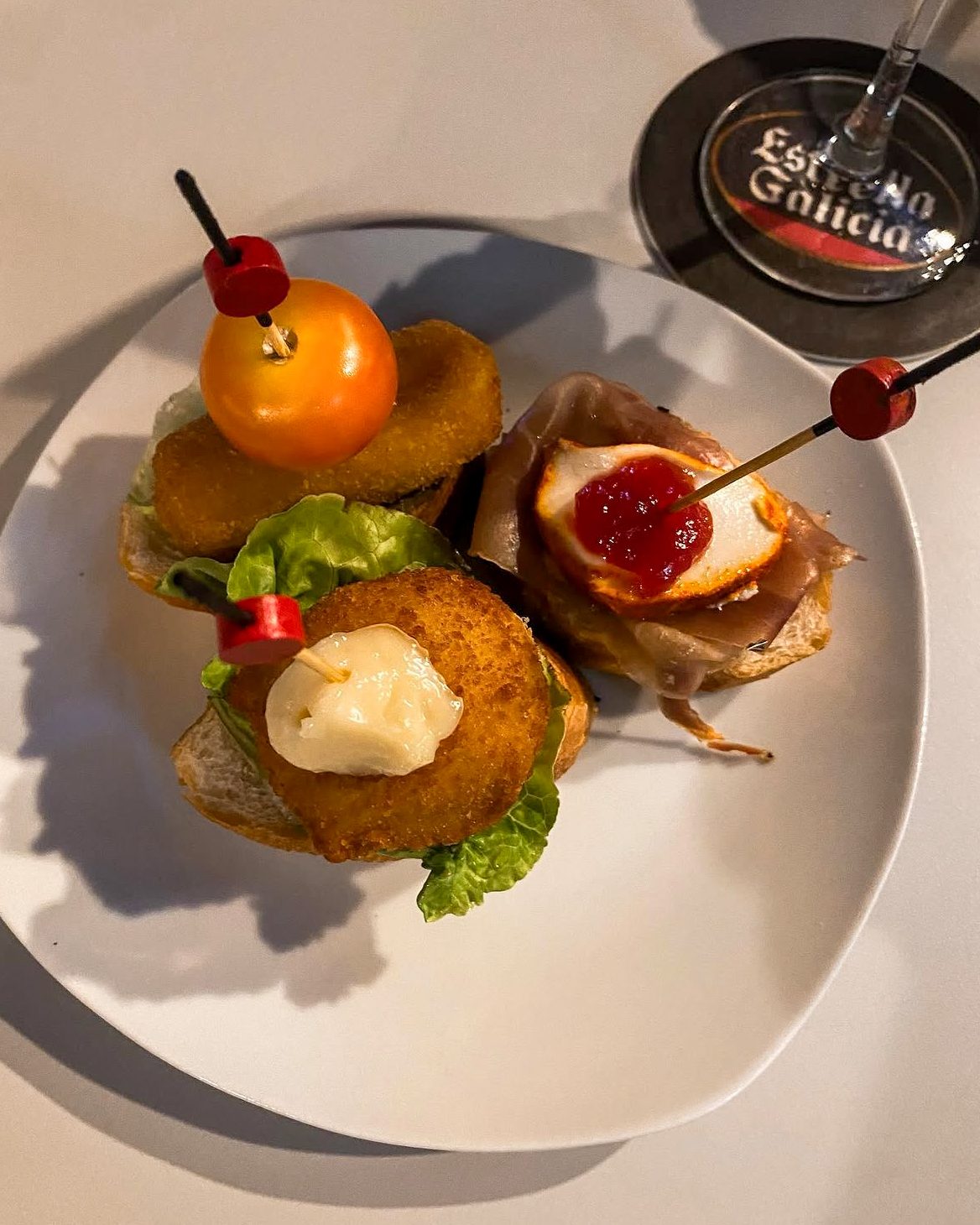
Carrer de Blai 38, in Poble Sec, to try pinchos. Between forty and fifty different pinchos every day, made in house, from the traditional Basque ones to stranger combinations.
Good to know: Carrer de Blai is the pedestrian pinchos street of Barcelona, at the foot of Montjuïc. The idea is to keep moving: two or three pinchos in one bar, then on to the next.
My tip: get off the beaten path
The first time I came to Barcelona, I did not see anything. I went round in circles around the main attractions, and I found the city quite ordinary.
When I came back, I pushed the discovery much further, and that changed everything.
Three things I would tell a first timer:
- Book the big sights weeks ahead. The Sagrada Família, Park Güell and Casa Batlló have capped capacity and sell out, especially since the centenary year.
- Eat on Spanish time. Lunch around 2pm, dinner from 9pm. At 6:30pm you will only find the places that live off tourists.
- Pick one neighbourhood per day and walk it properly, instead of crossing the city to tick off monuments.
How many days in Barcelona?
One week.
Barcelona FAQ
Is Barcelona worth visiting?
Yes, if you go beyond the main sights. There are so many different neighbourhoods and so many varied things to see.
How many days in Barcelona?
One week.
What is the best viewpoint in Barcelona?
For photography, Montjuïc and the Mirador d'Horta, with its swing over the city.
Where to eat pinchos in Barcelona?
On Carrer de Blai, in Poble Sec. I went to L'Atelier de Blai.
How do you get around Barcelona?
Mostly on foot, and a ride app for the trips further out.
Where to eat tapas in Barcelona?
Cervecería Catalana in the Eixample, Bar del Pi in the Gothic Quarter, Gats in the old town, and the pinchos bars of Carrer de Blai in Poble Sec.
Do you need to book for Park Güell and the Sagrada Família?
Yes, both need a ticket with a time slot, booked online in advance.
What is the best way to get around Barcelona?
On foot in the centre, and a T-casual ticket for the metro, tram and buses.
When is the best time to visit Barcelona?
We went in September, which is warm without the peak of summer.
Is Barcelona safe?
Yes for violent crime, but it is one of the world's capitals of pickpocketing. Watch your bag on La Rambla, in the metro and around the Sagrada Família.
Affiliate disclosure: some links in this article are affiliate links. If you buy or book through them, I earn a small commission at no extra cost to you. More