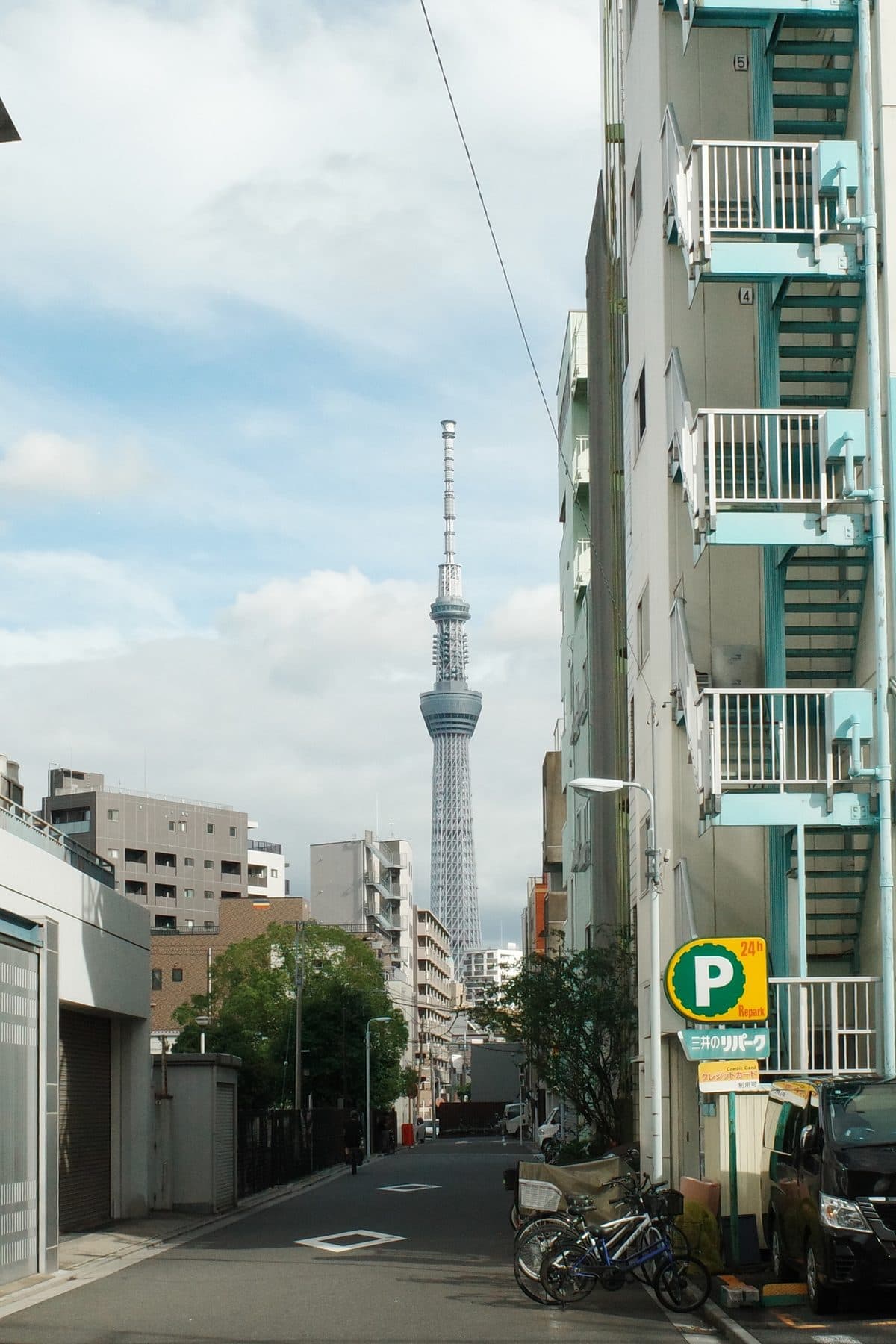
The east was my base during my twelve days alone in Tokyo. I stayed near Minowa station, so this is where every day began and ended.
I chose it because I wanted to be in the real life of Tokyo, not in a hotel district. And for me, it is the best place to stay.
Tokyo east overview
When: June 2026, on my own.
Where I stayed: Juyoh Hotel, Kiyokawa 2-15-3, Taito, about ten minutes on foot from Minowa station. Futons, shared bathrooms.
Getting around: Minowa station is on the Tokyo Metro Hibiya line, which runs straight to Ueno, Akihabara and Ginza. Minowabashi, next door, is the terminus of the Toden Arakawa line, the last tram line in Tokyo.
When to go out: early. I was up at five every morning.
Where I walked: most of Taito and the south of Arakawa: Minowa, Iriya, Minami-Senju, Nippori, Asakusa, Kuramae, Asakusabashi, Ueno and Okachimachi, and across the Sumida river.
Minowa and Iriya
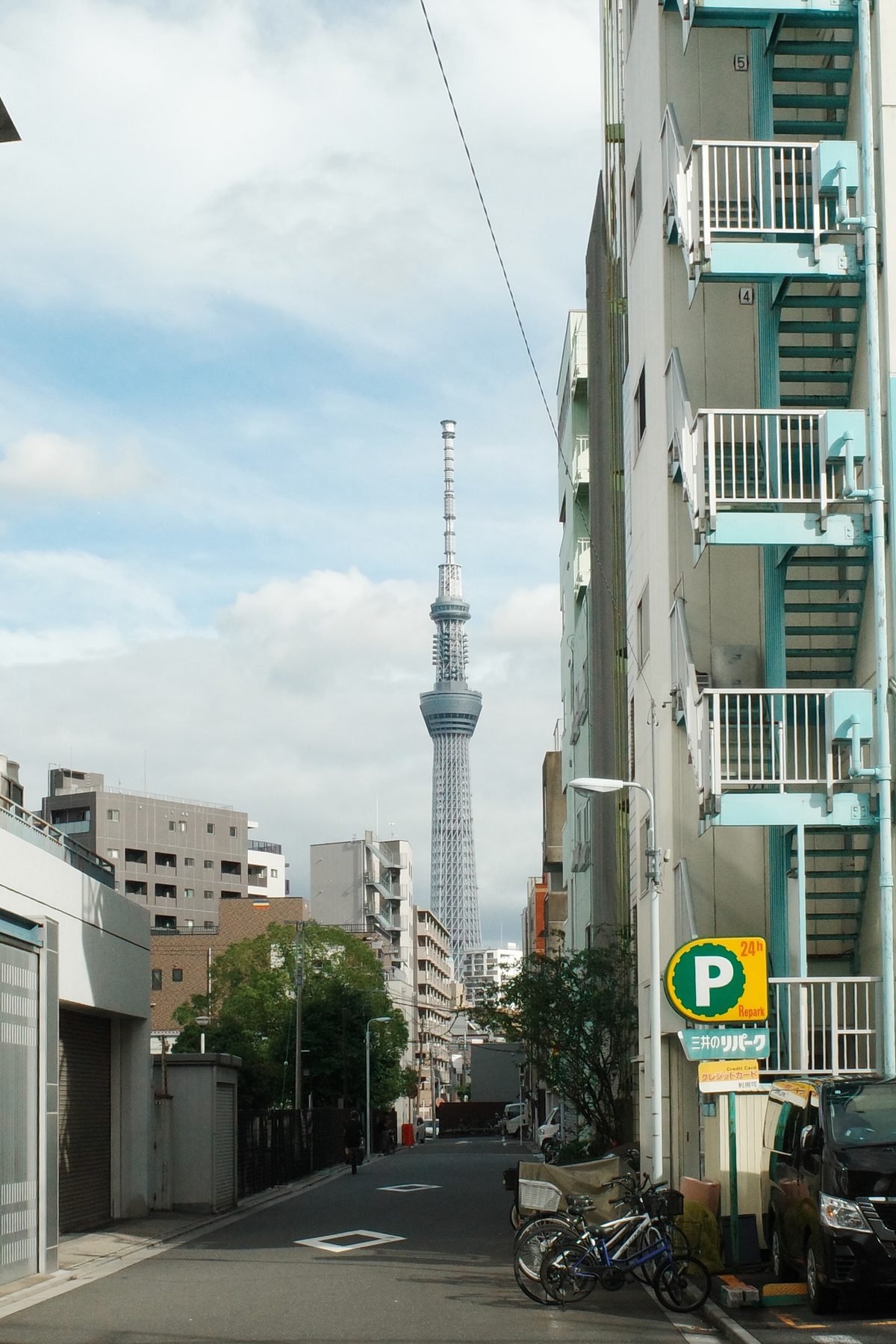
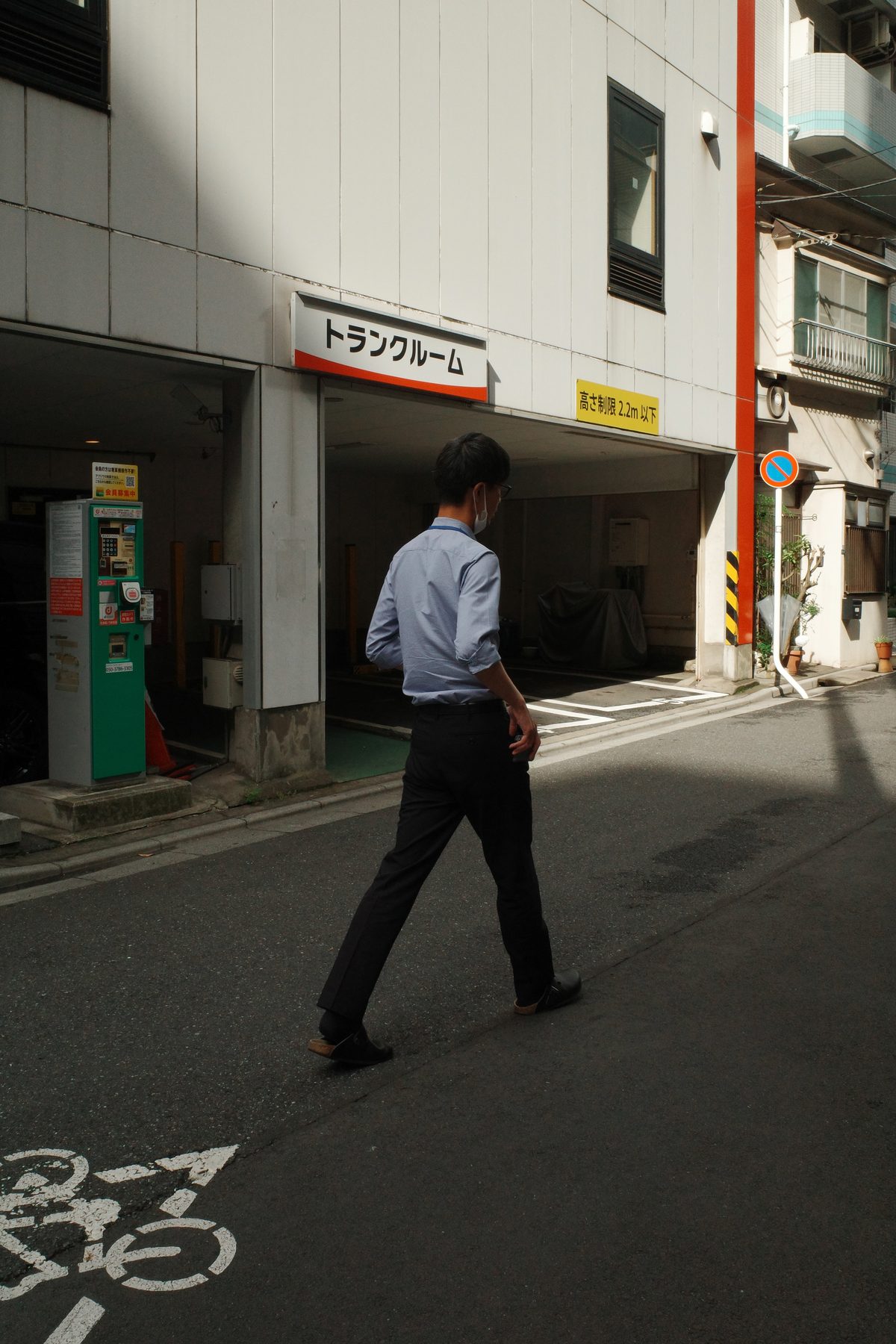
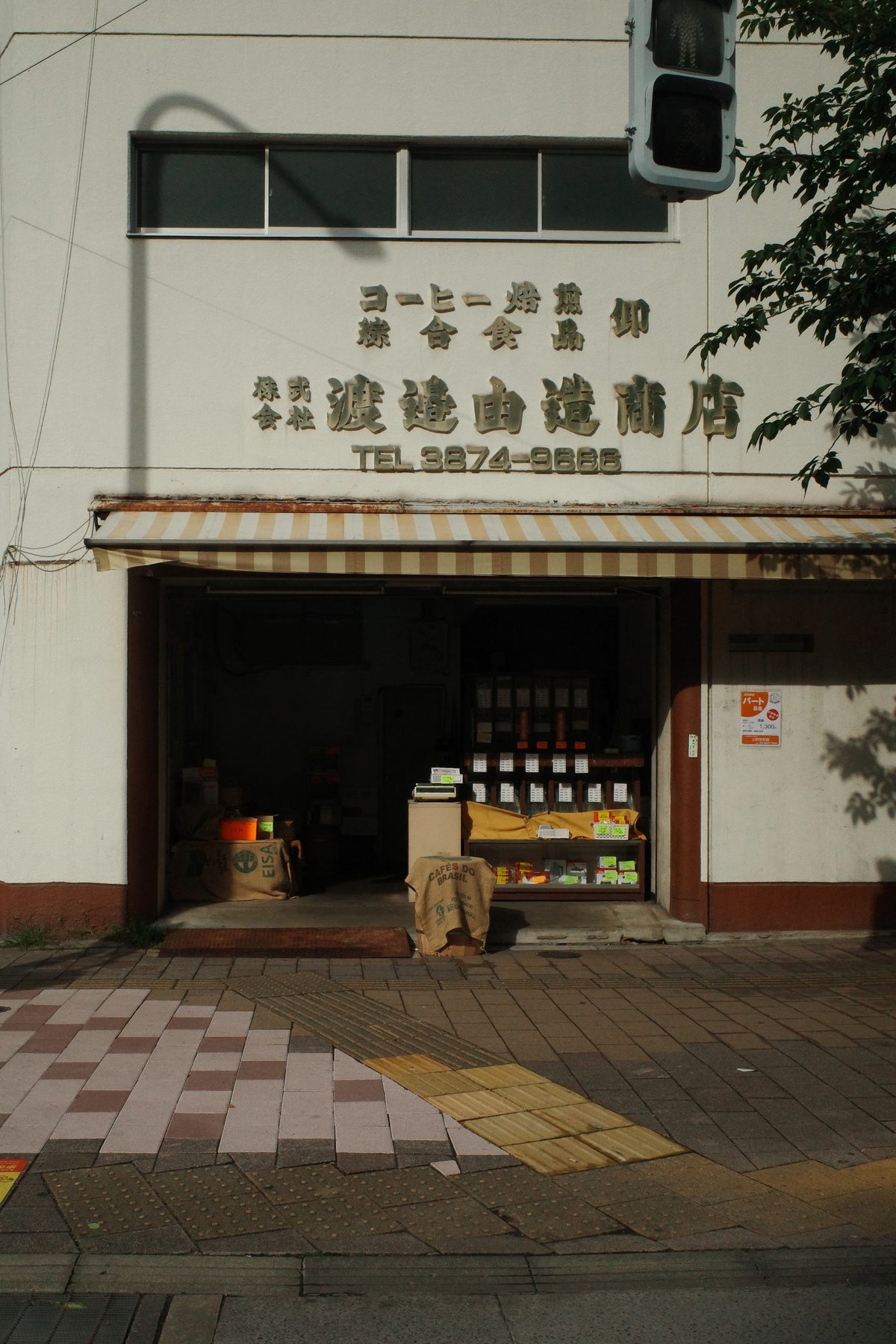
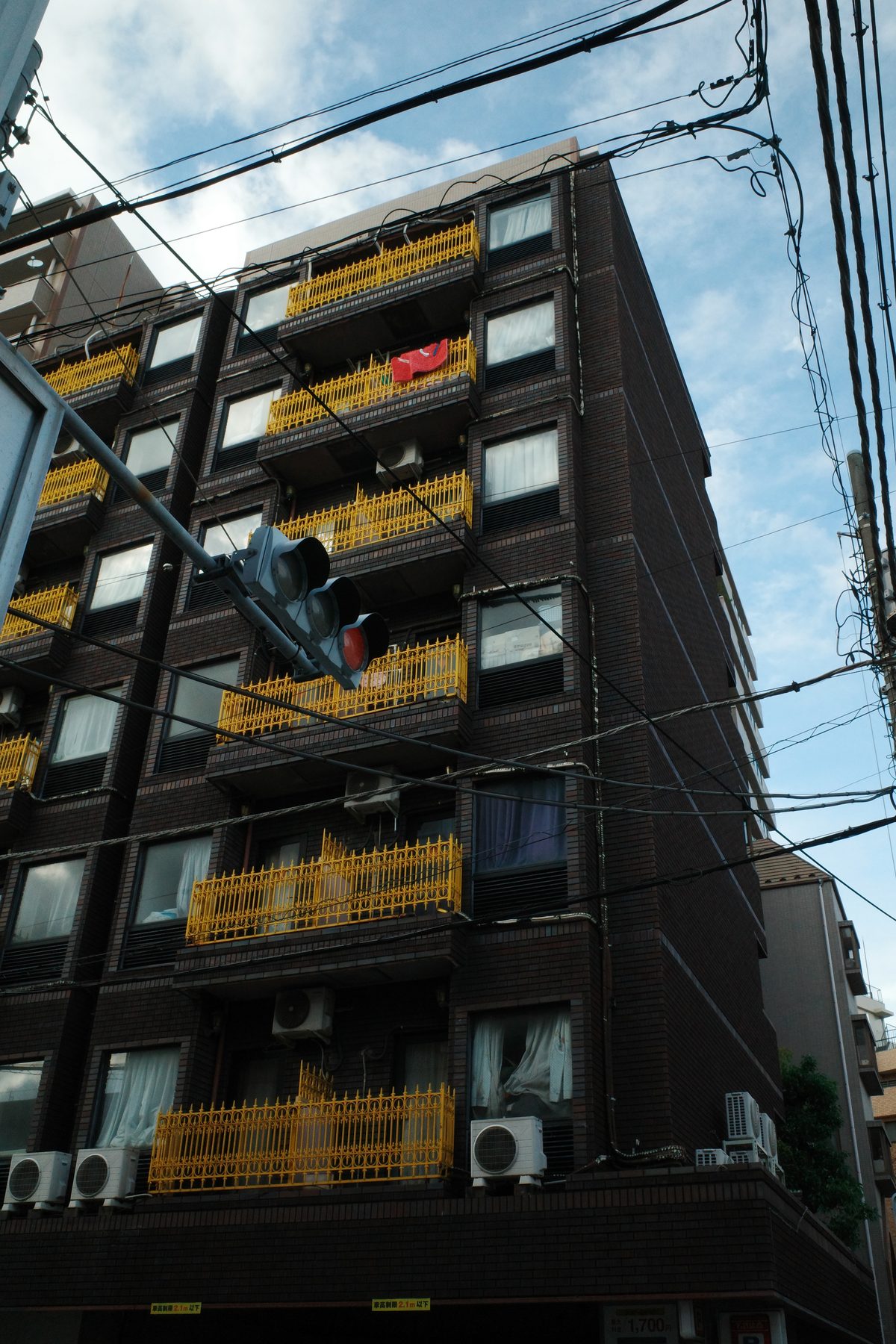
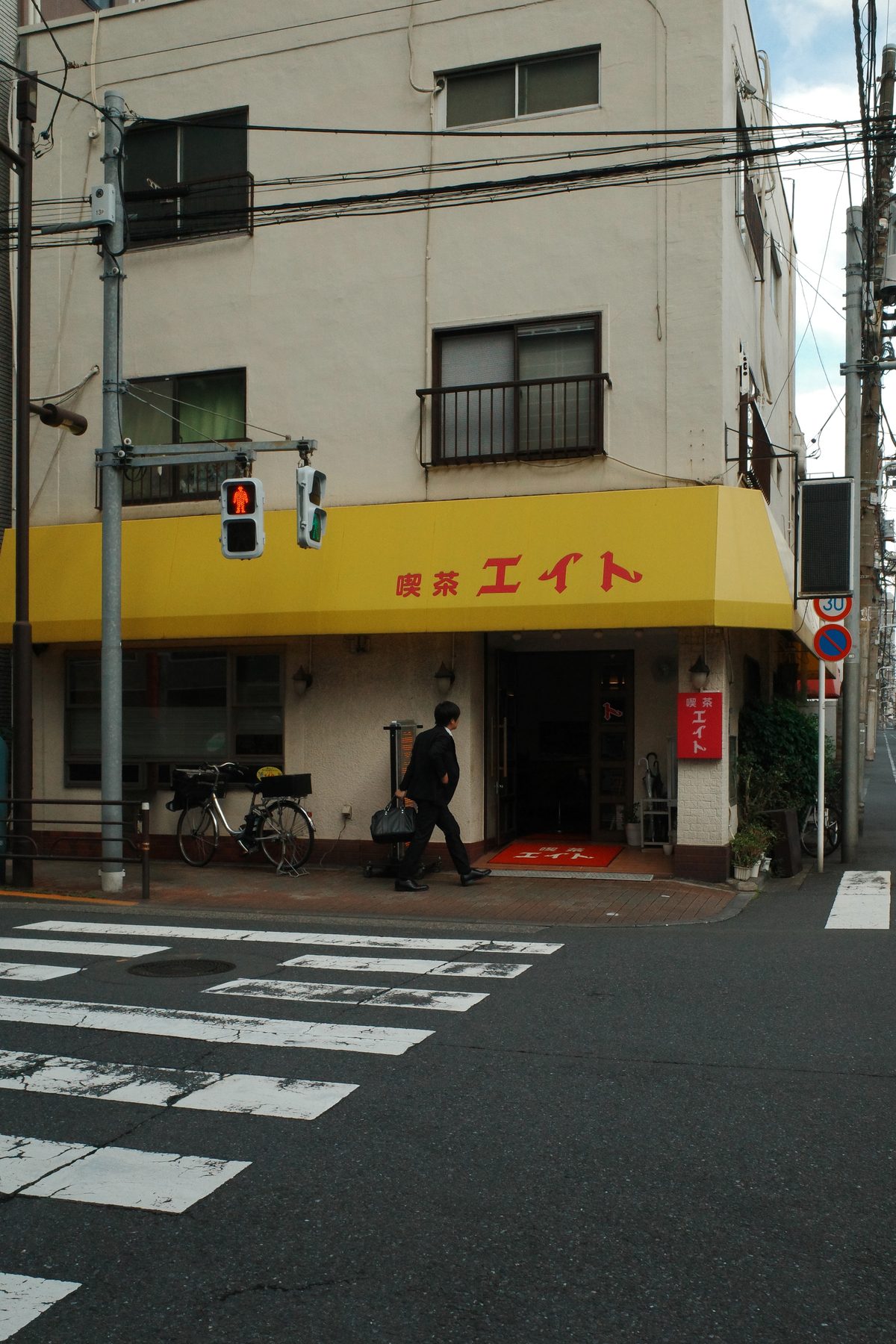
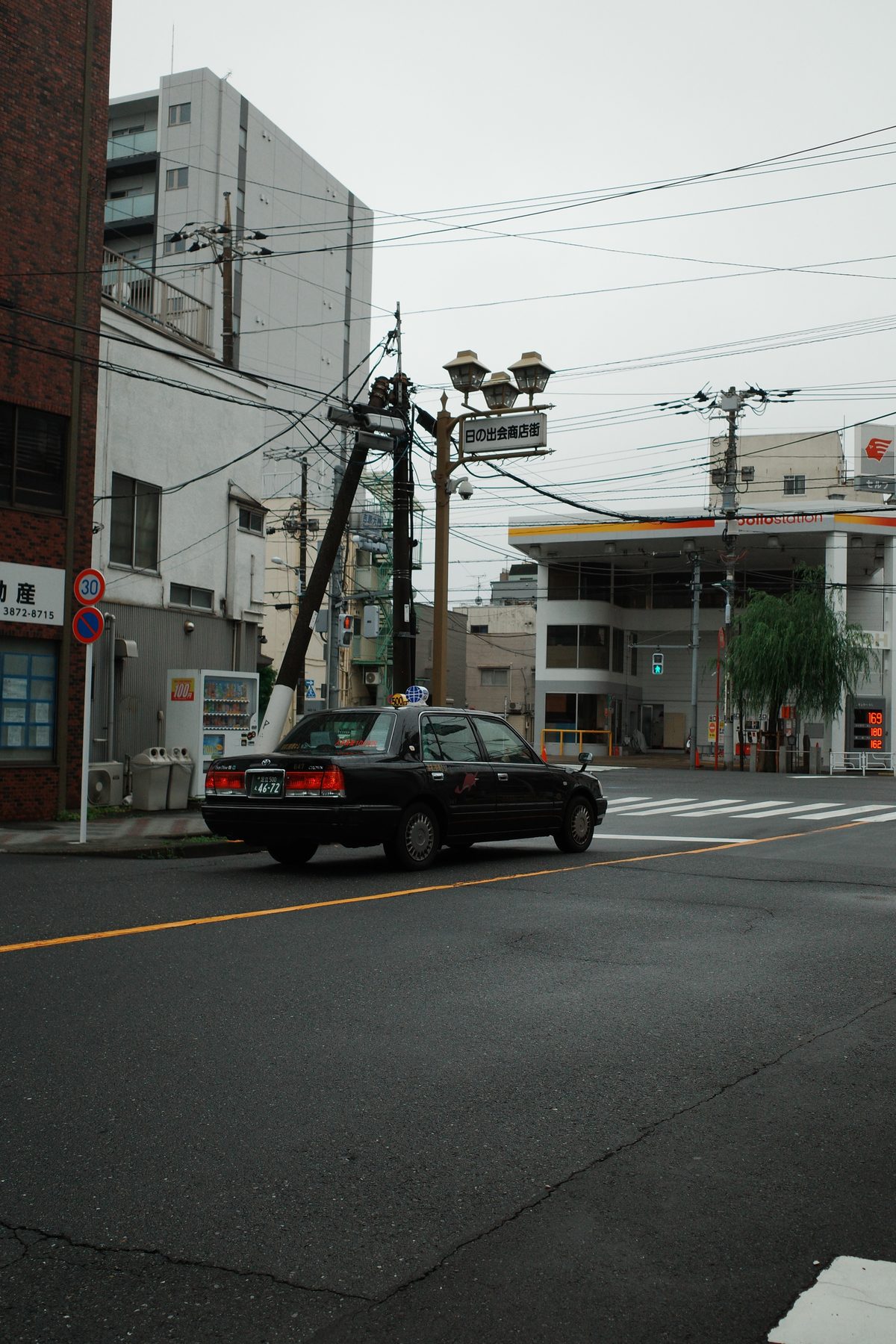
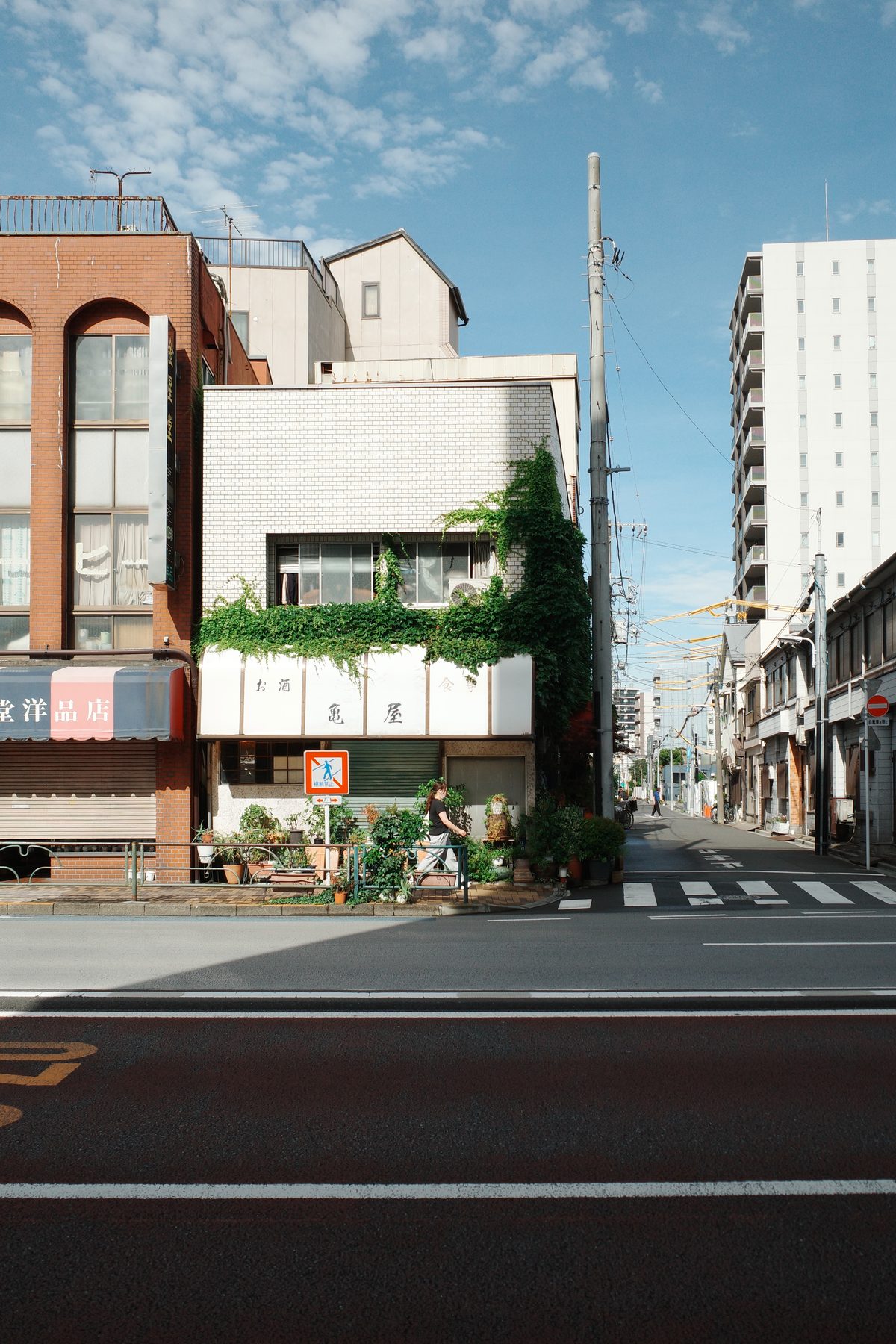
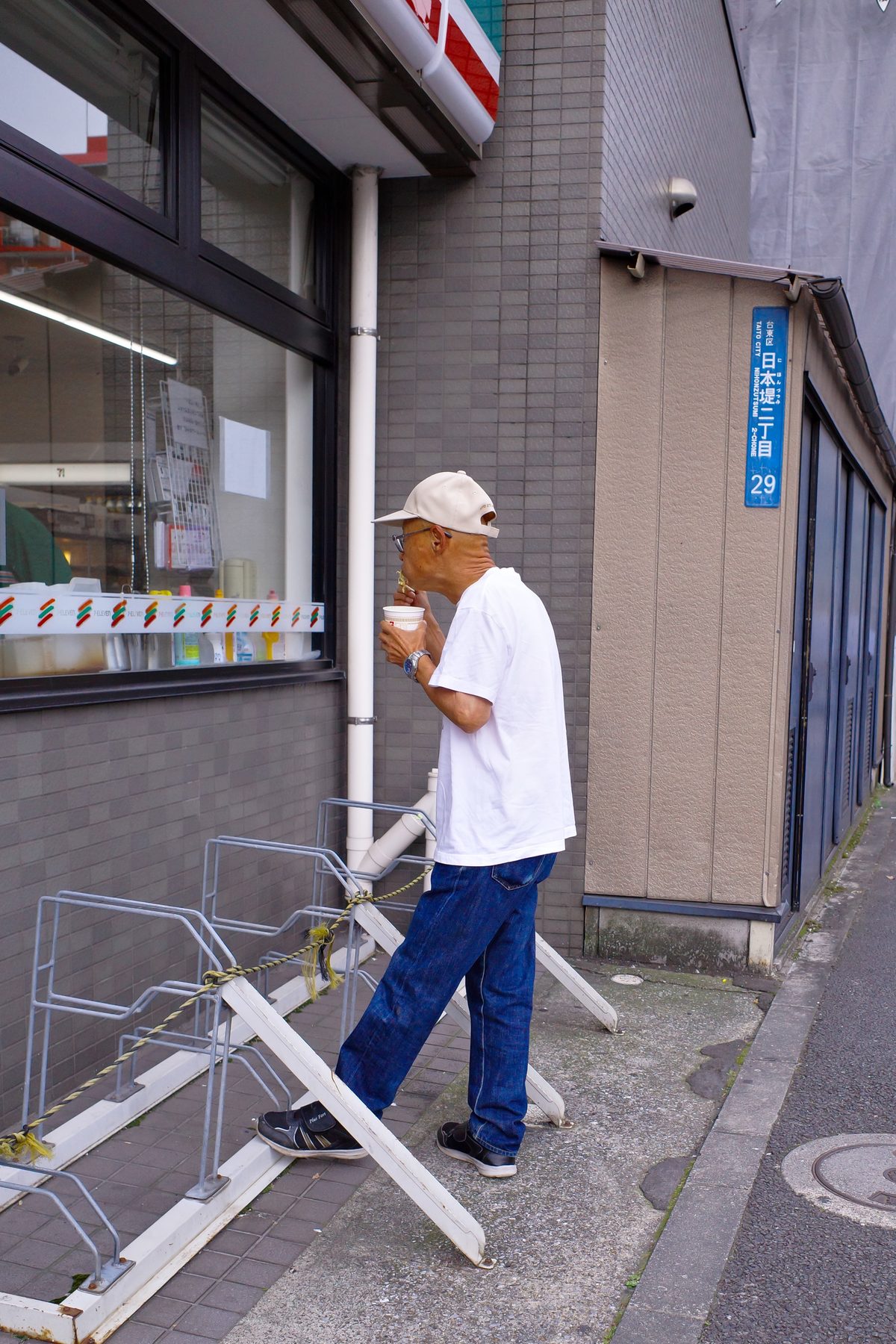
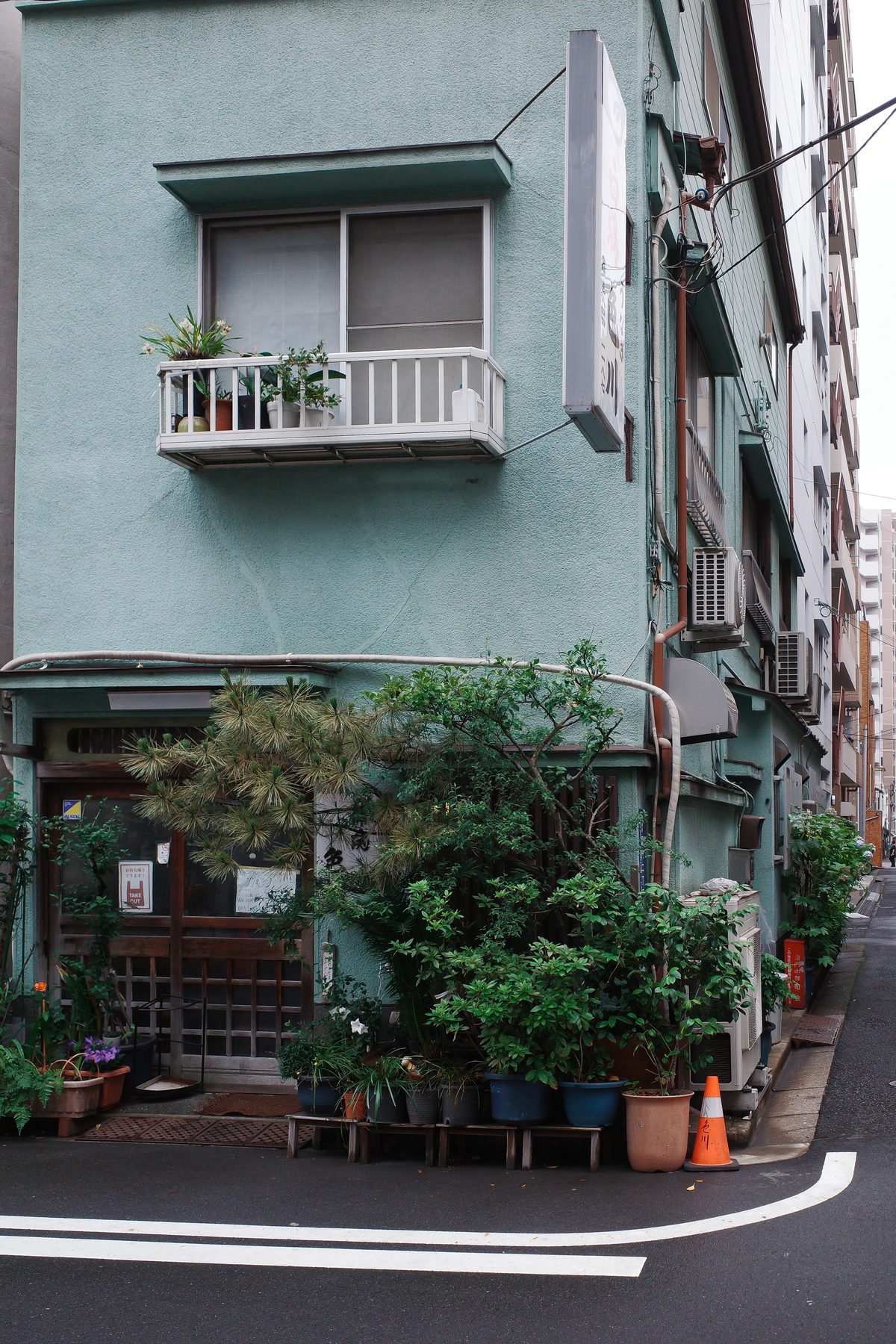
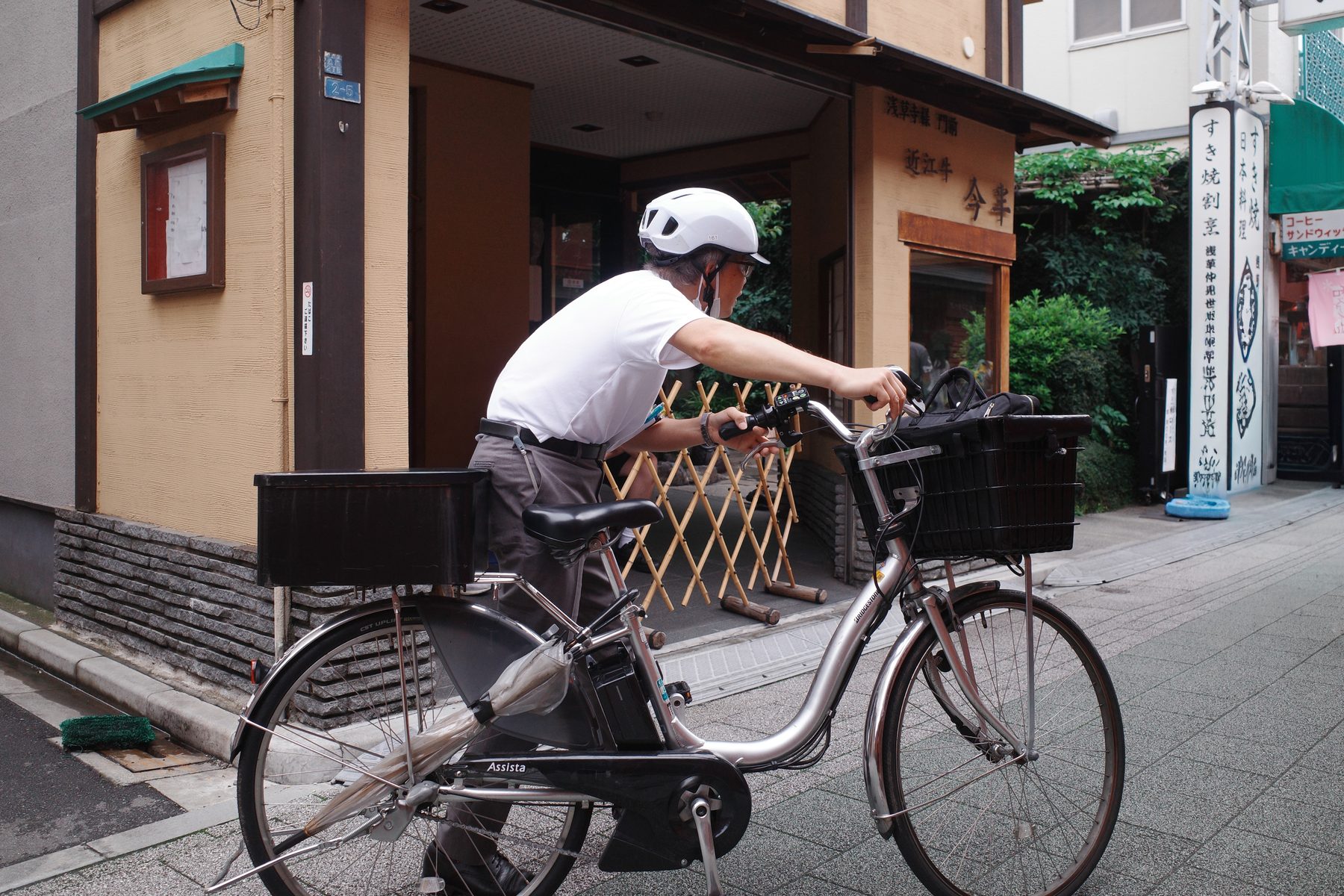
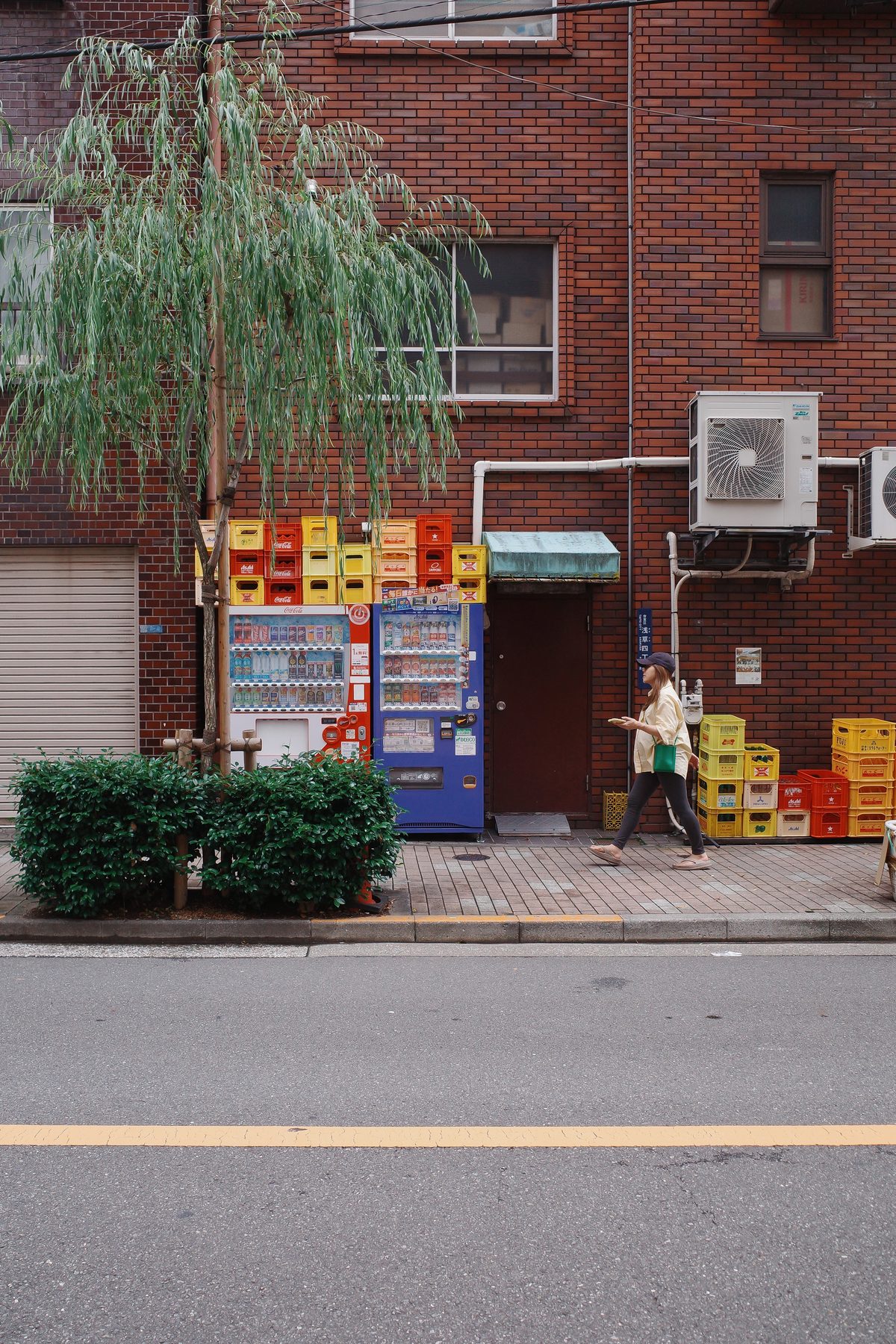
Low streets, small shops with old signs, and the Skytree at the end of almost every road. This is where I walked on my first afternoon, straight from the airport, and where I came back every evening.
It is a quiet, residential part of Tokyo: people cycling to work, coffee shops that have not changed in decades, and very few tourists. Minowa also has Joyful Minowa, a long covered shopping street with cheap food and everyday shops.
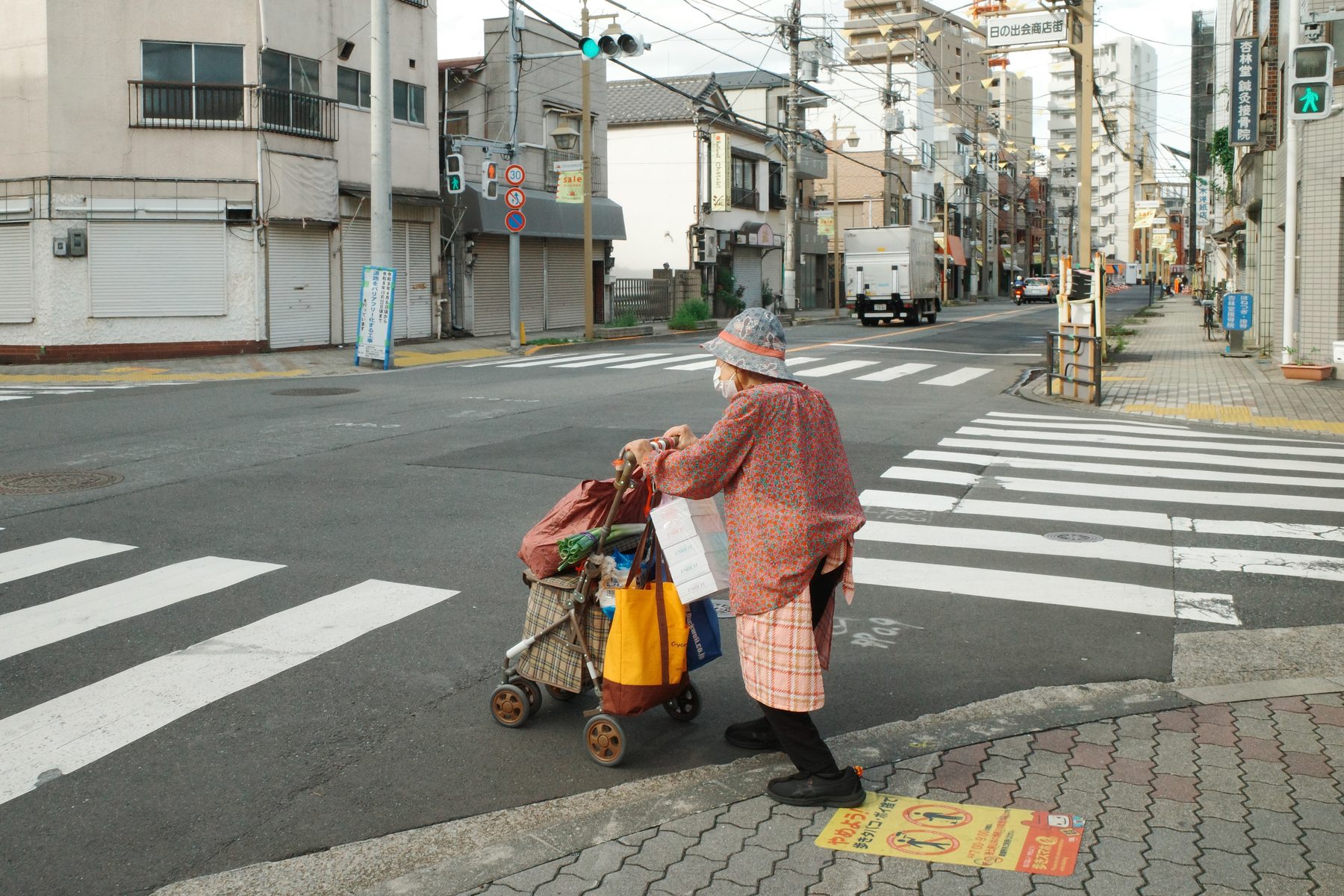
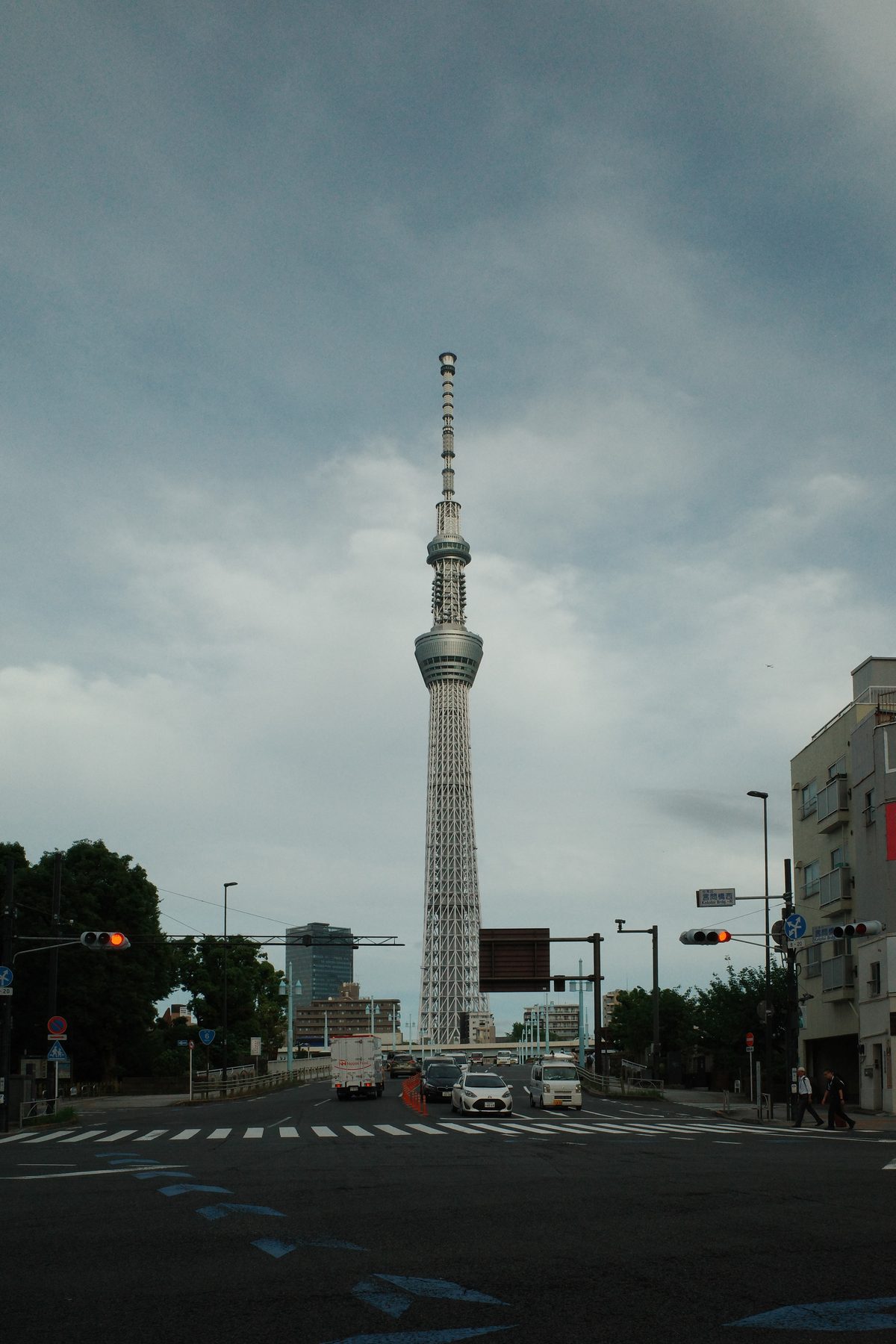
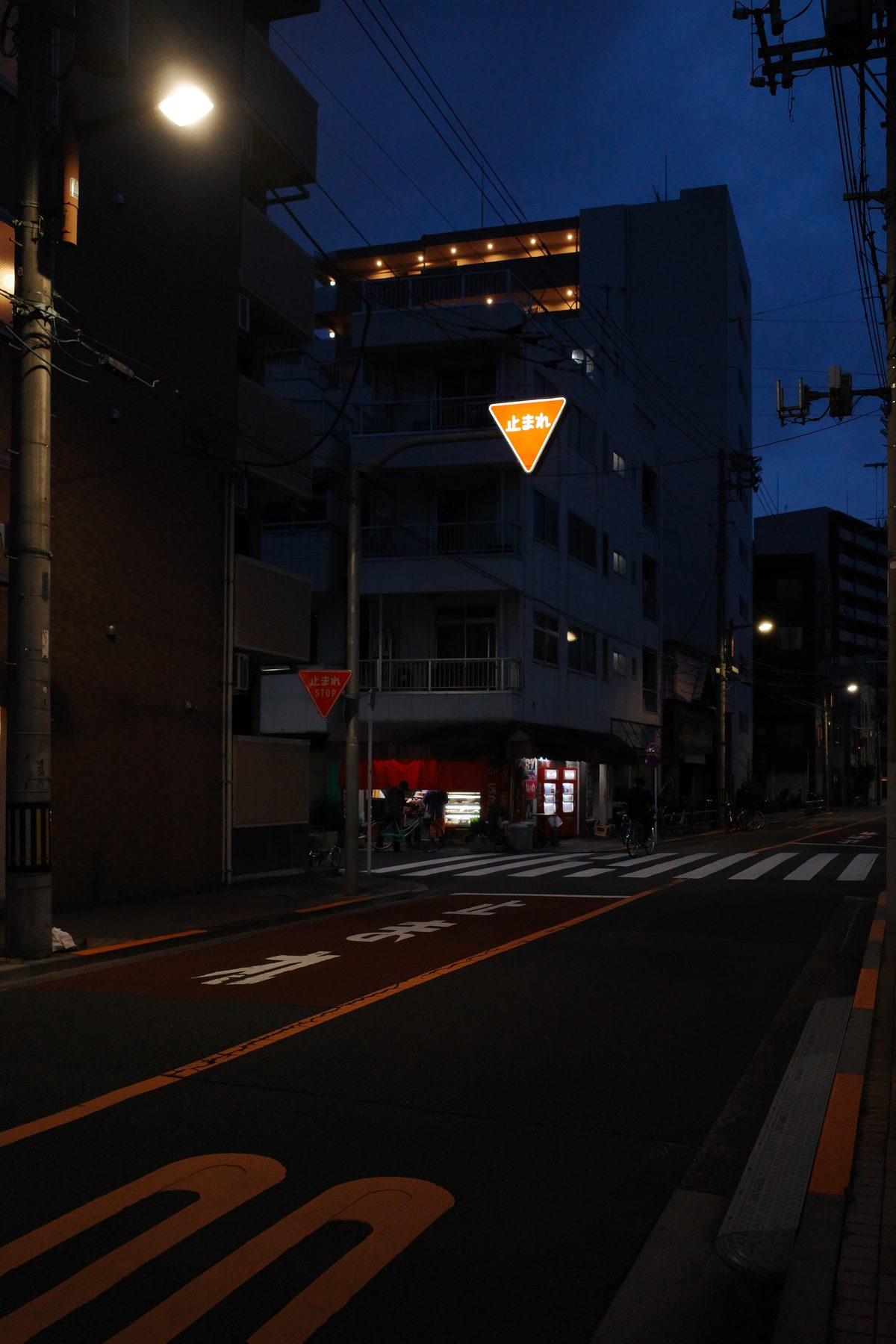
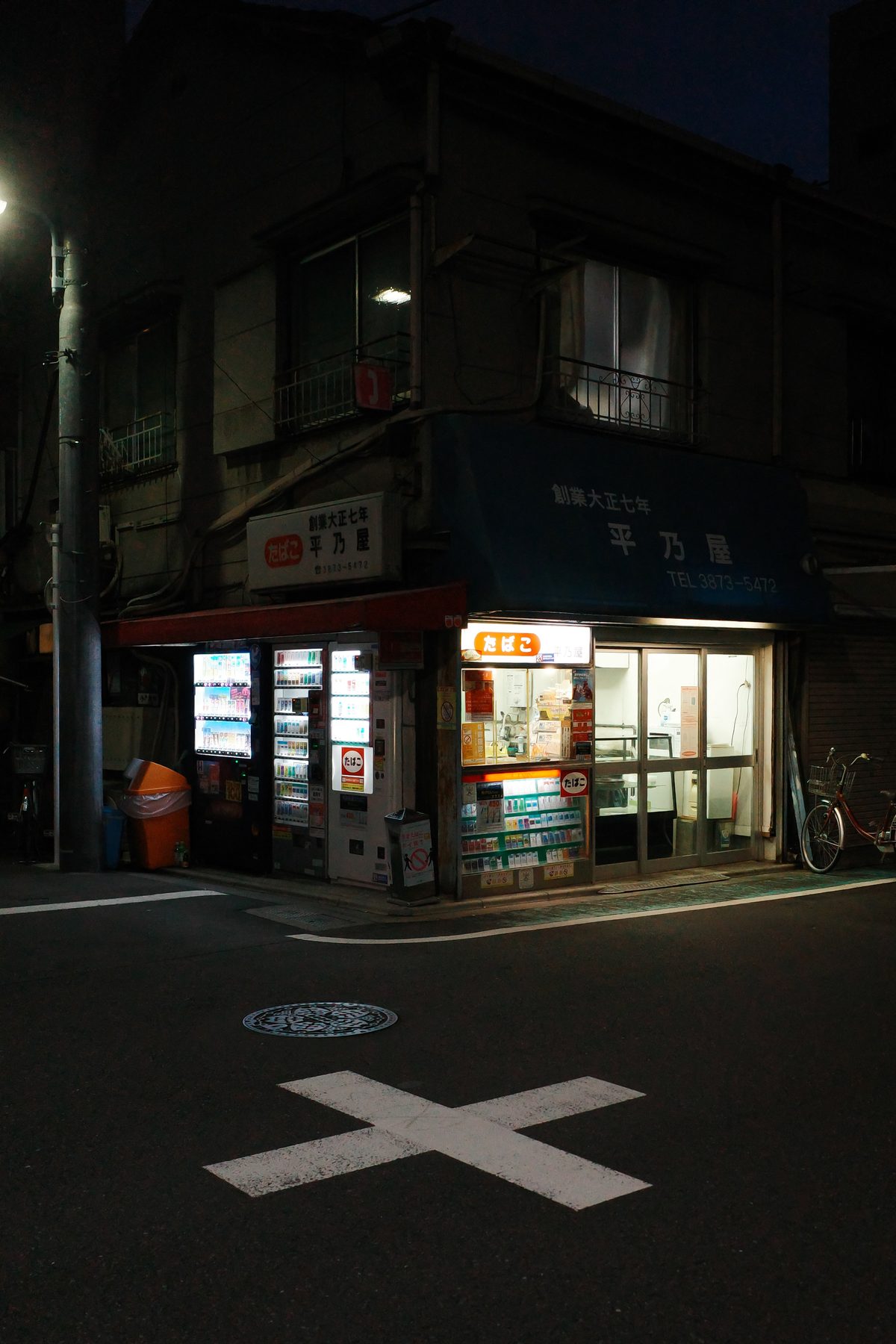
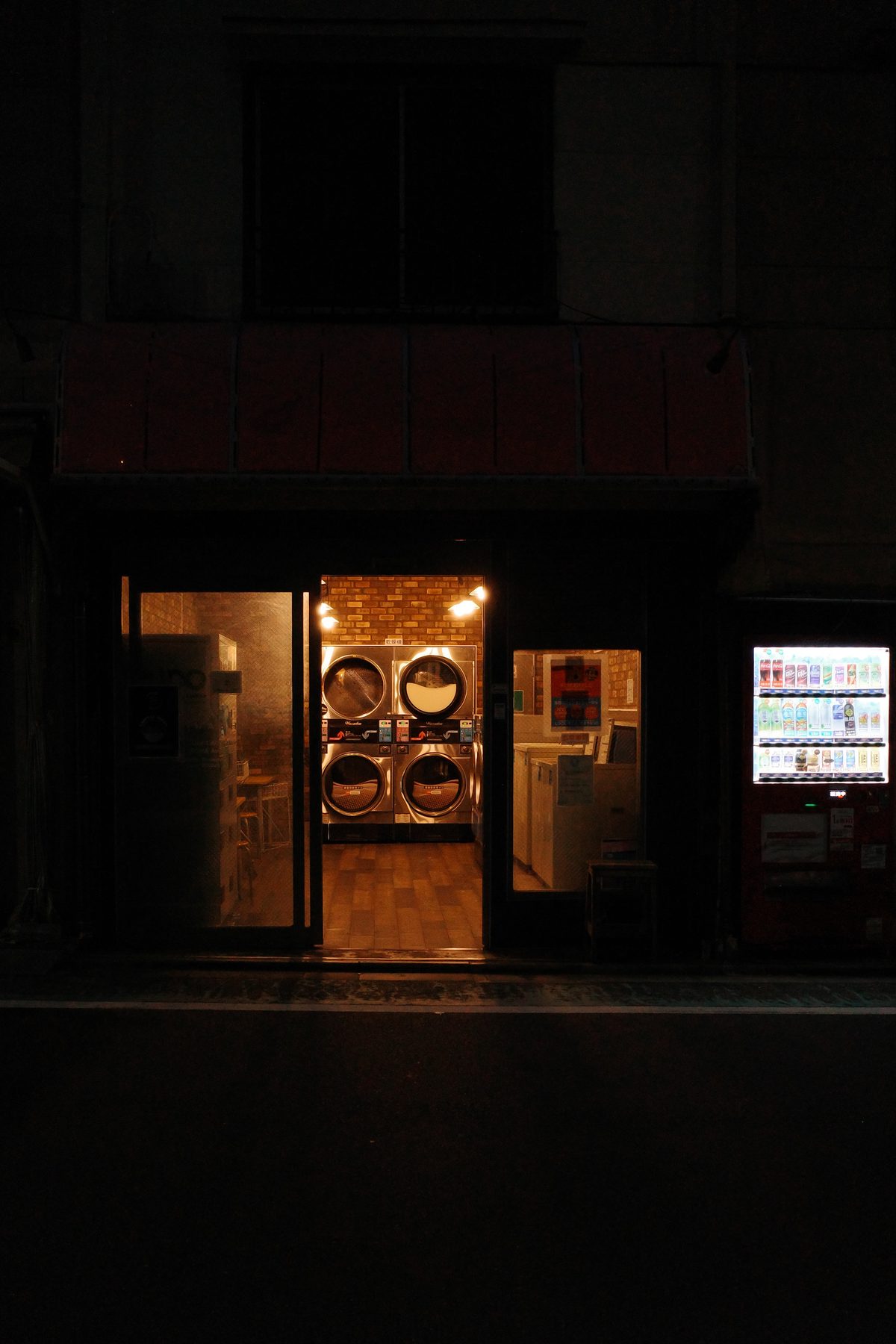
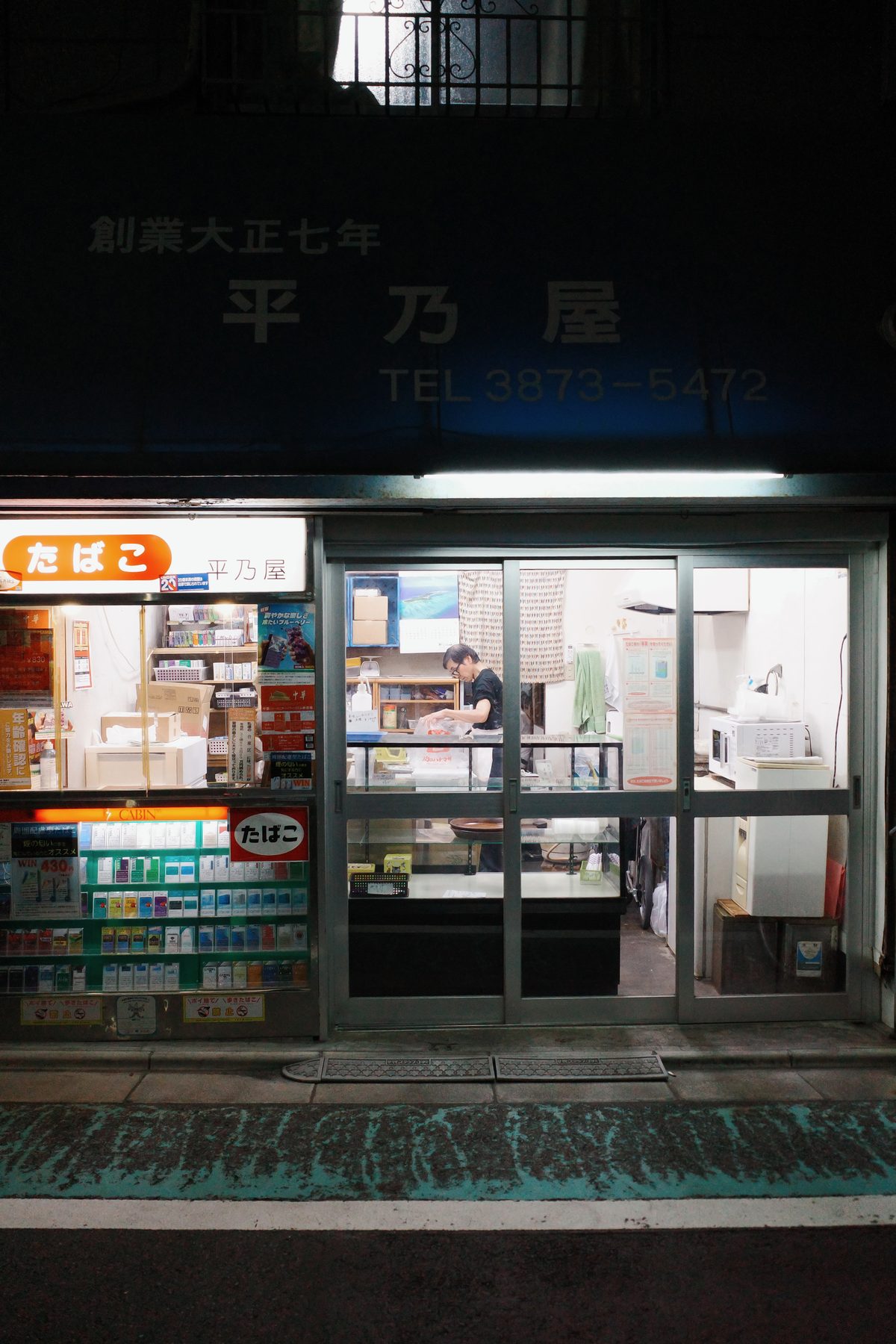
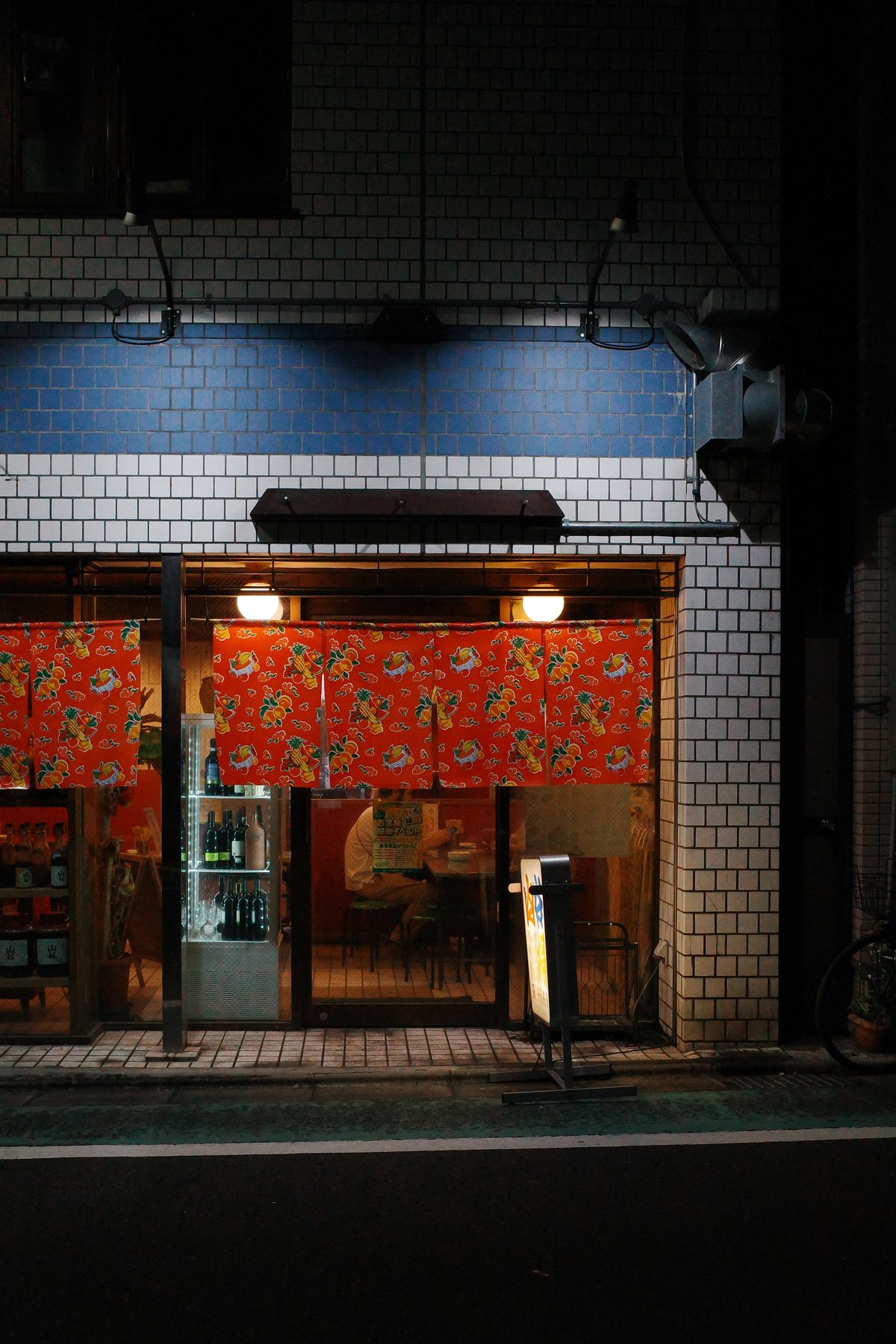
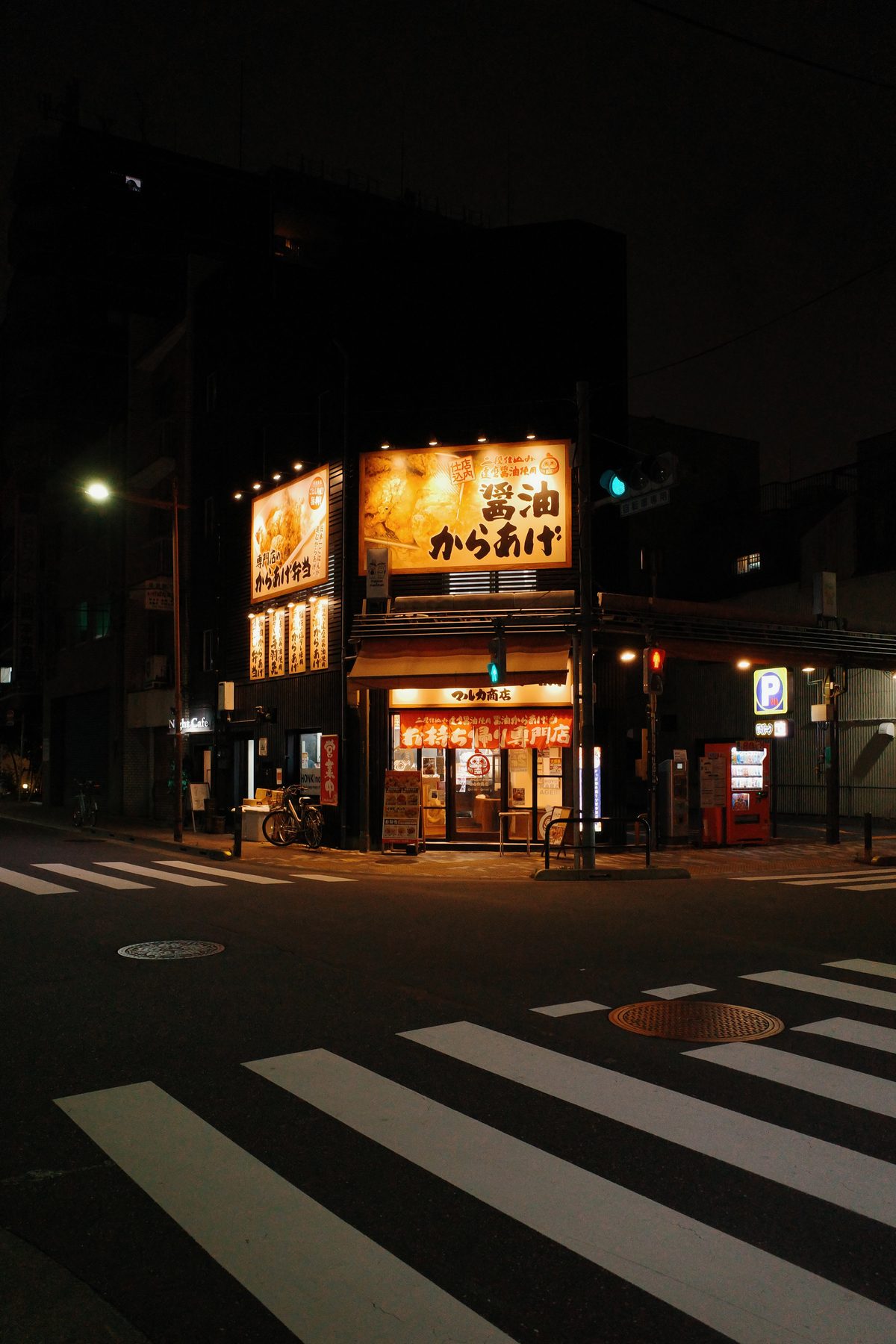
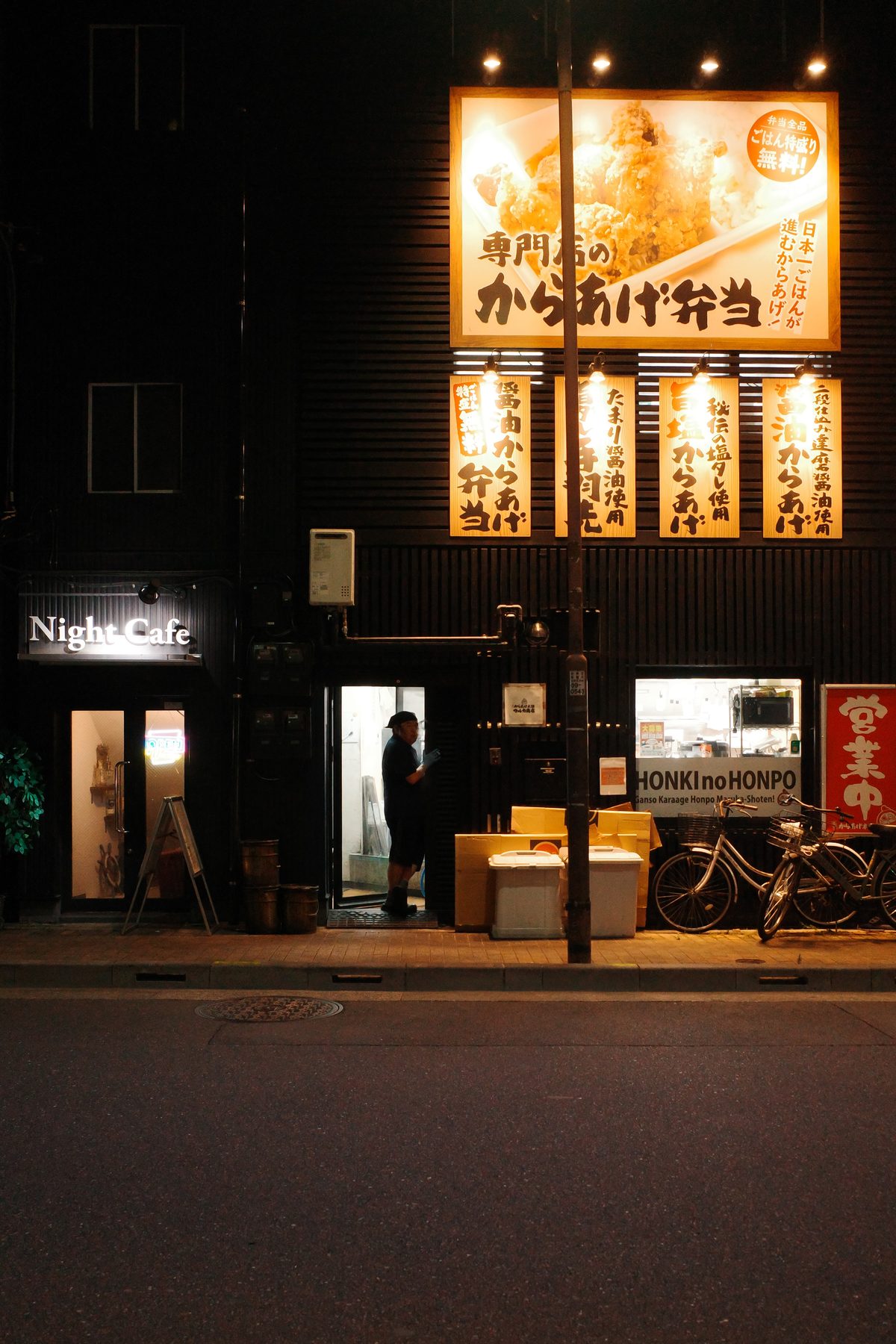
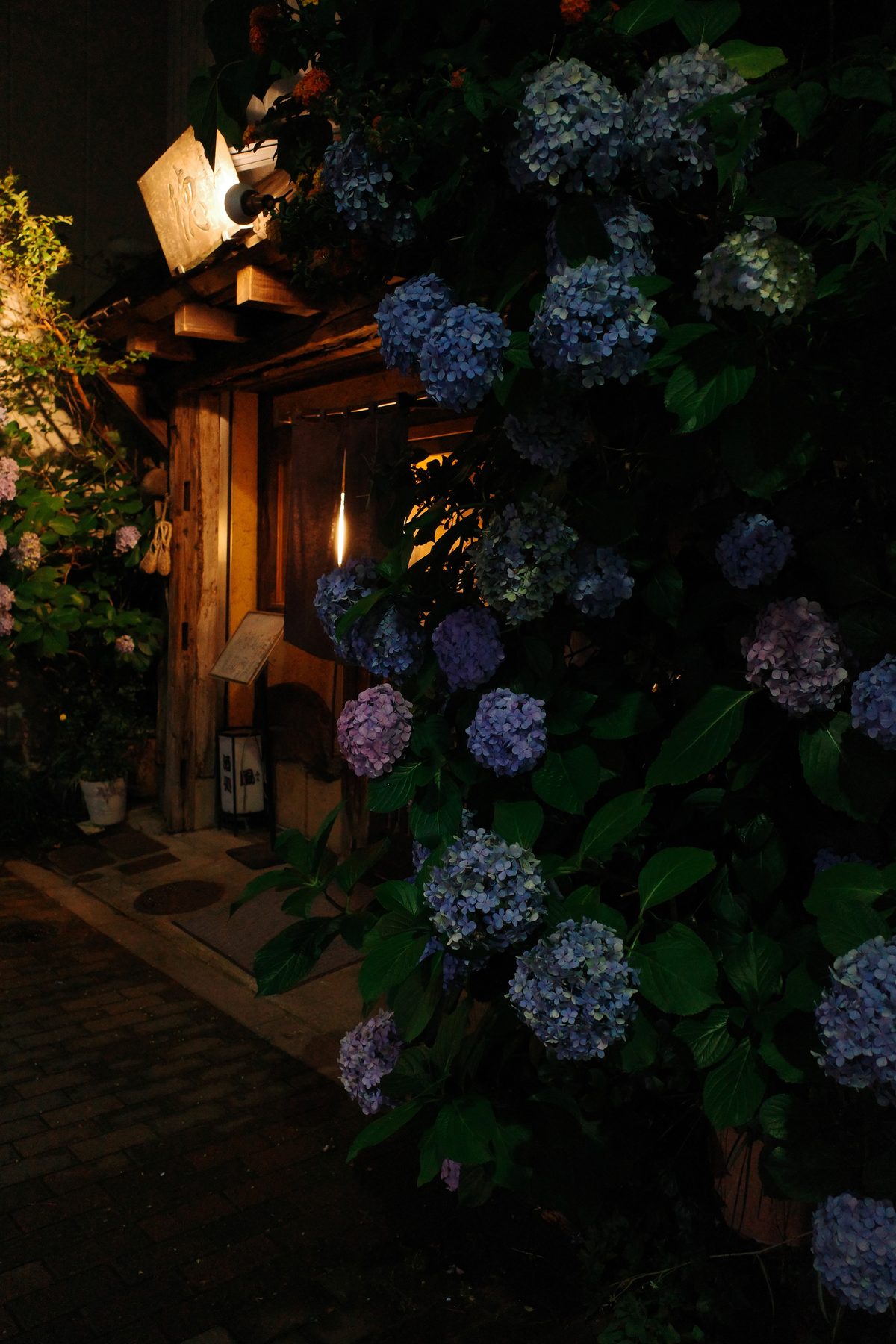
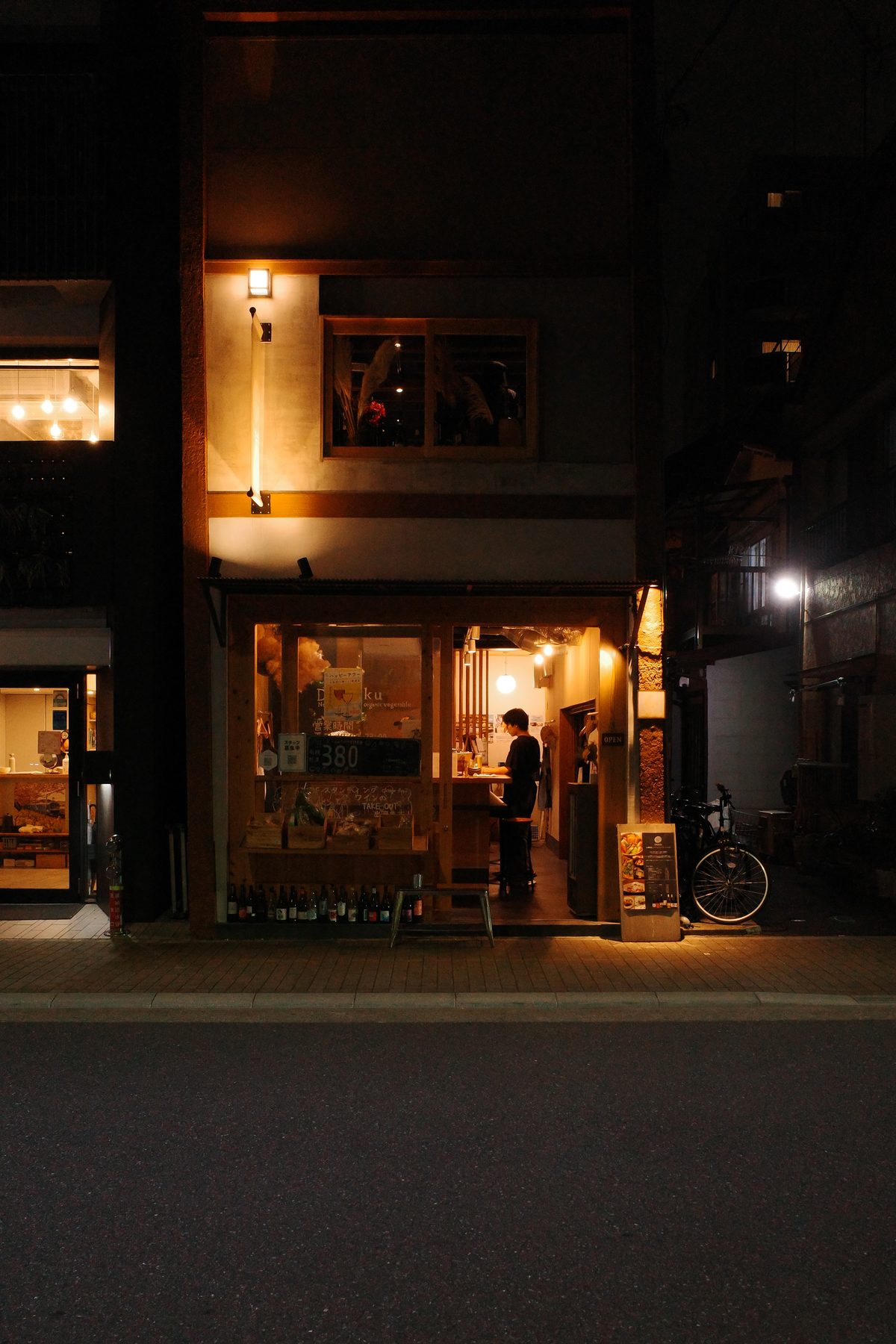
Minami-Senju and Sanya, at dawn
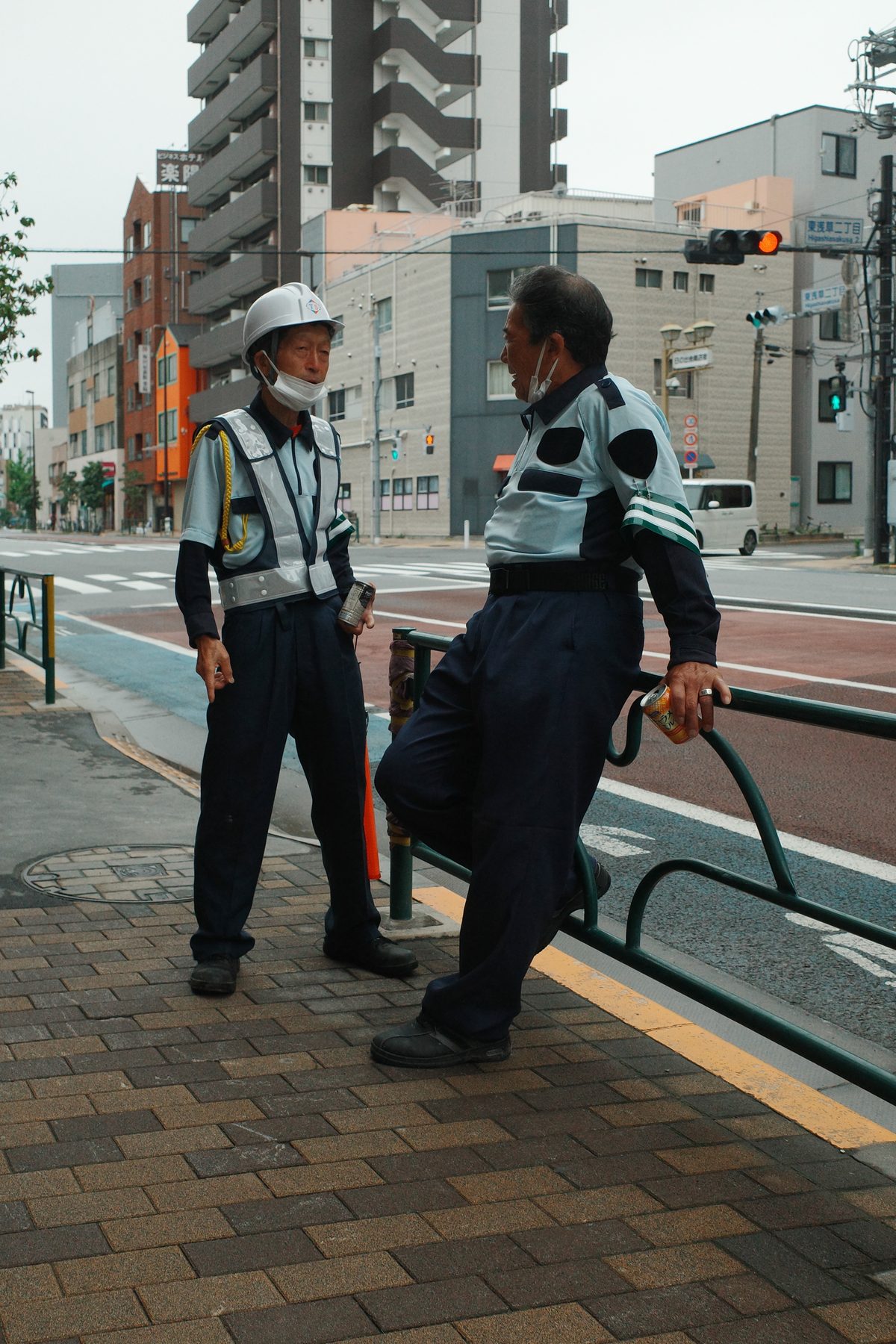
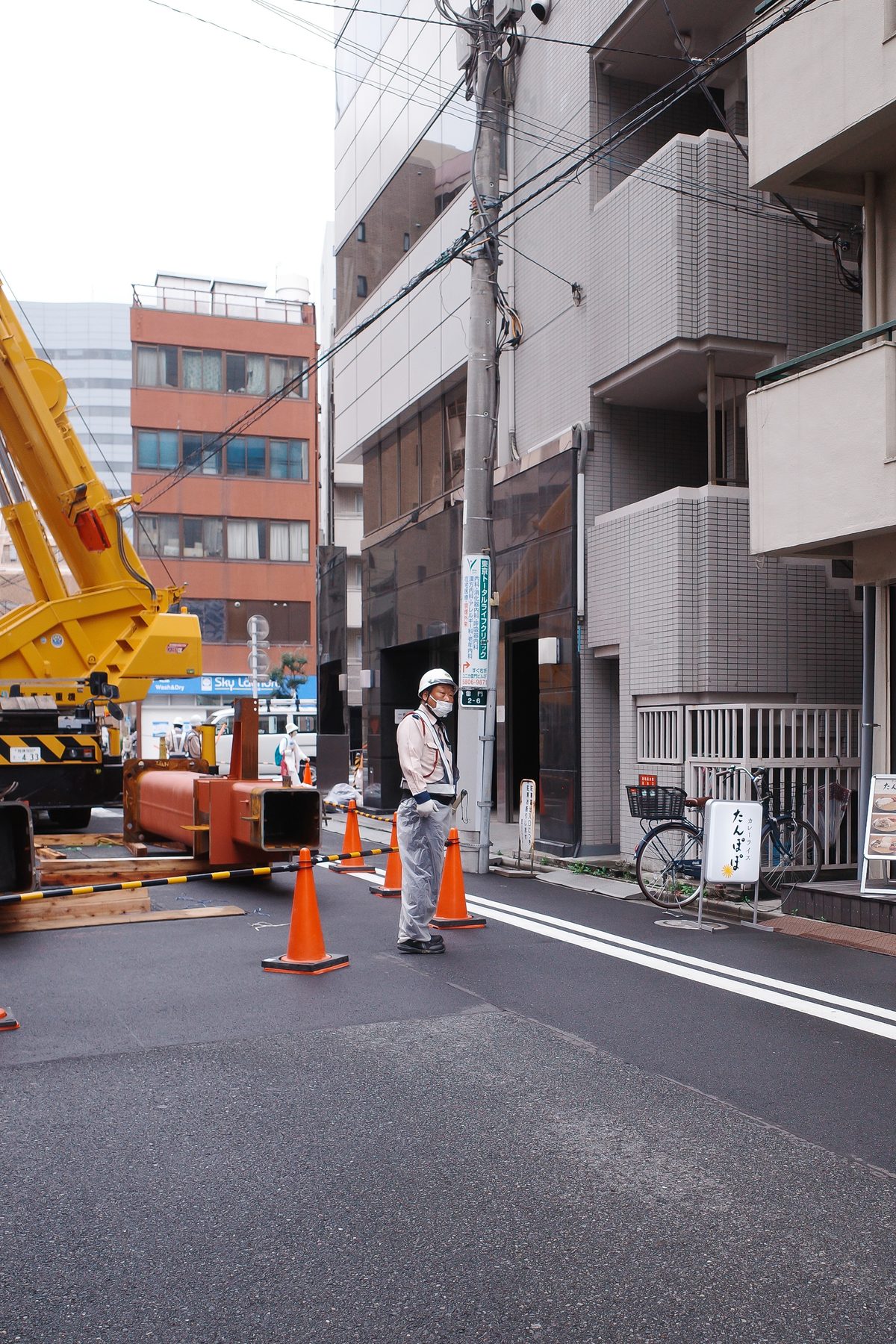
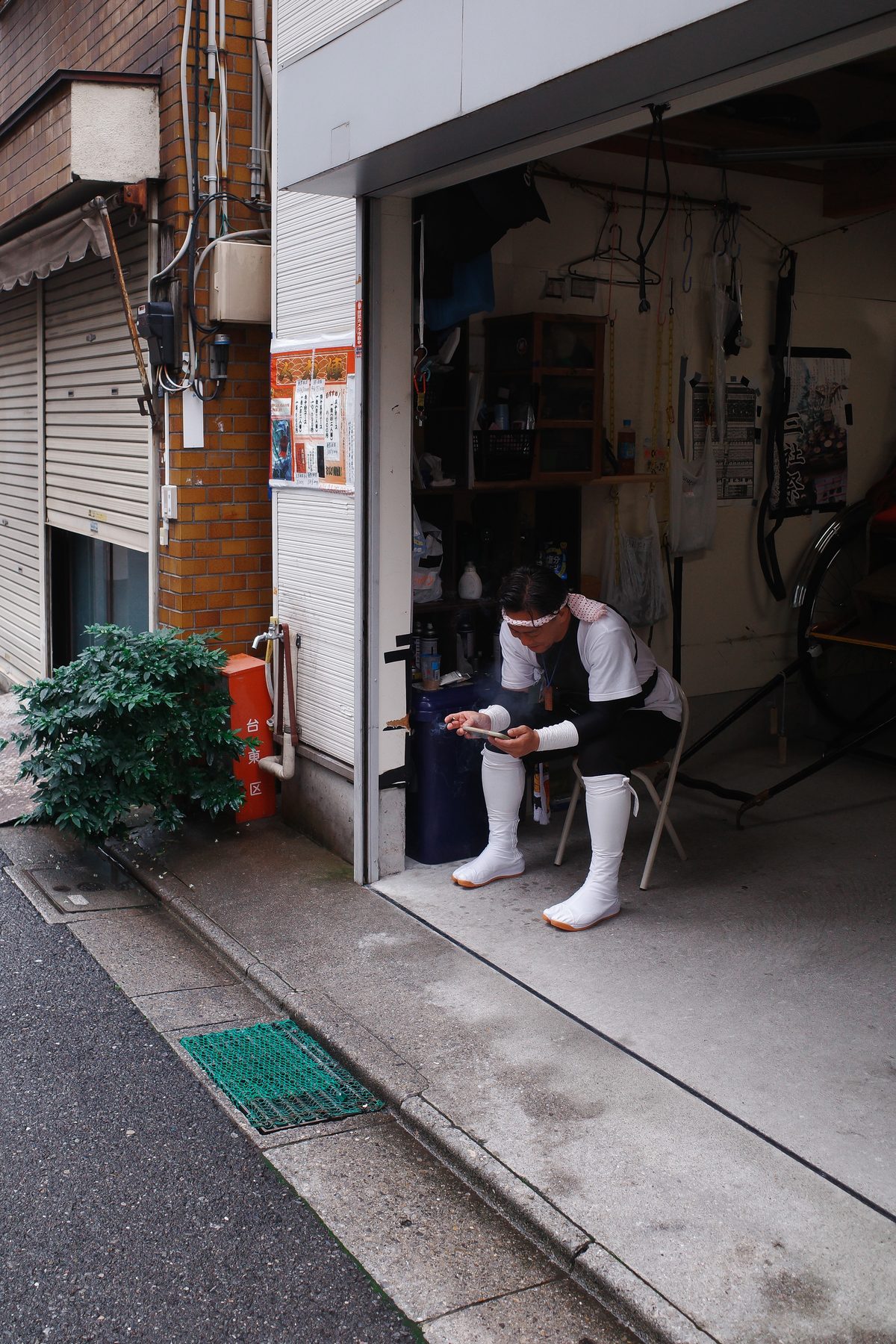
I love making the most of dawn, especially in Japan. It is not called the land of the rising sun for nothing. I went out early every single morning.
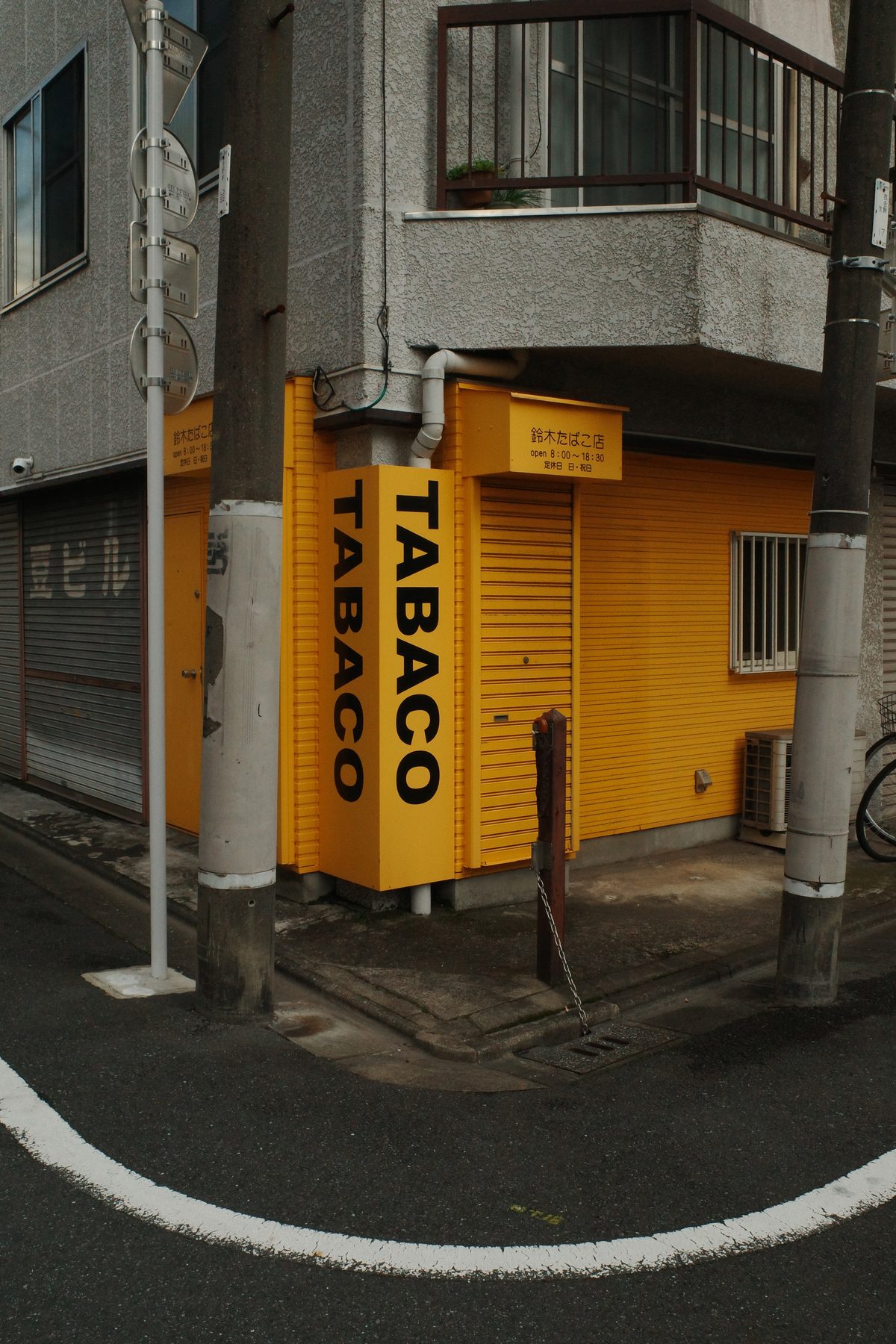
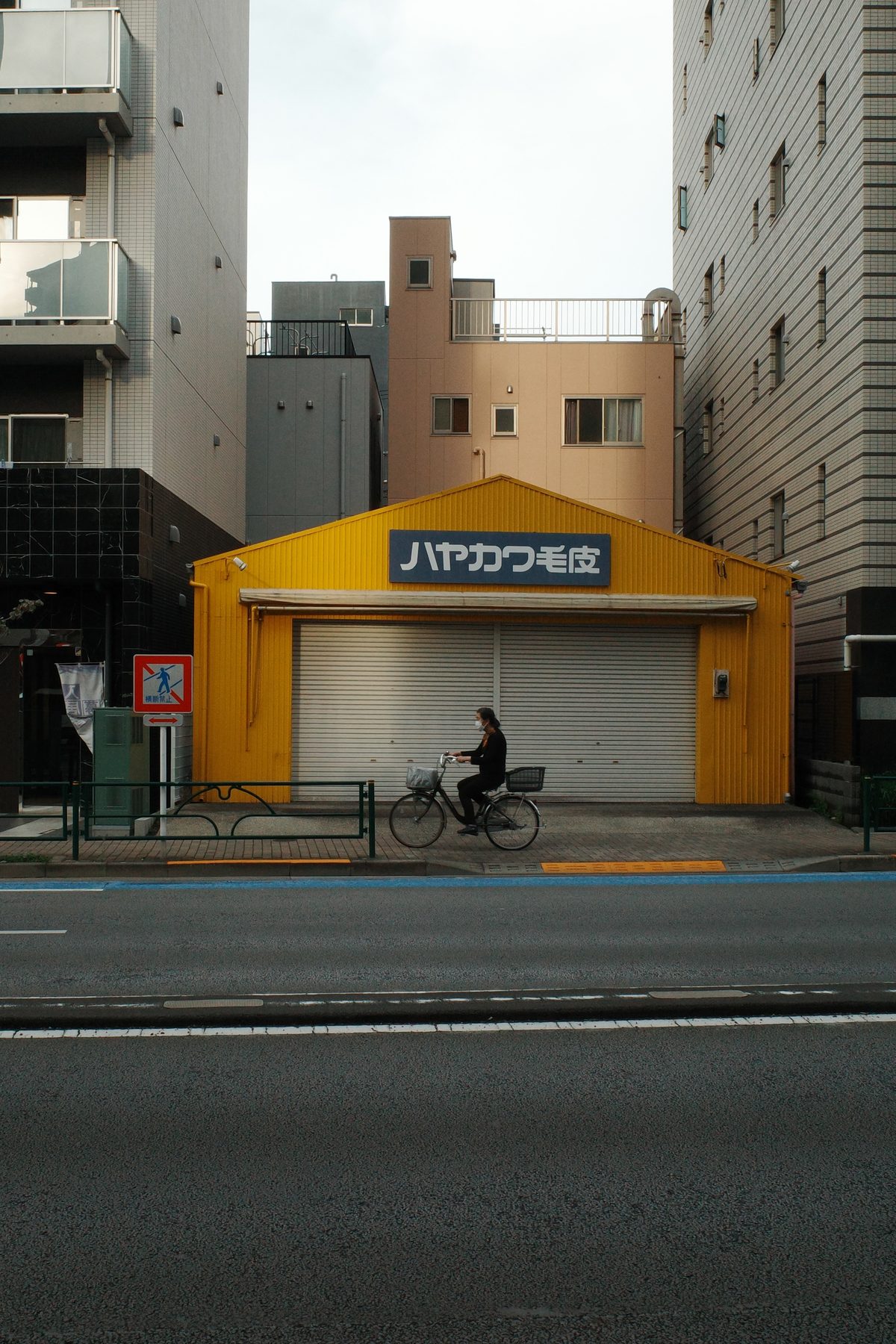
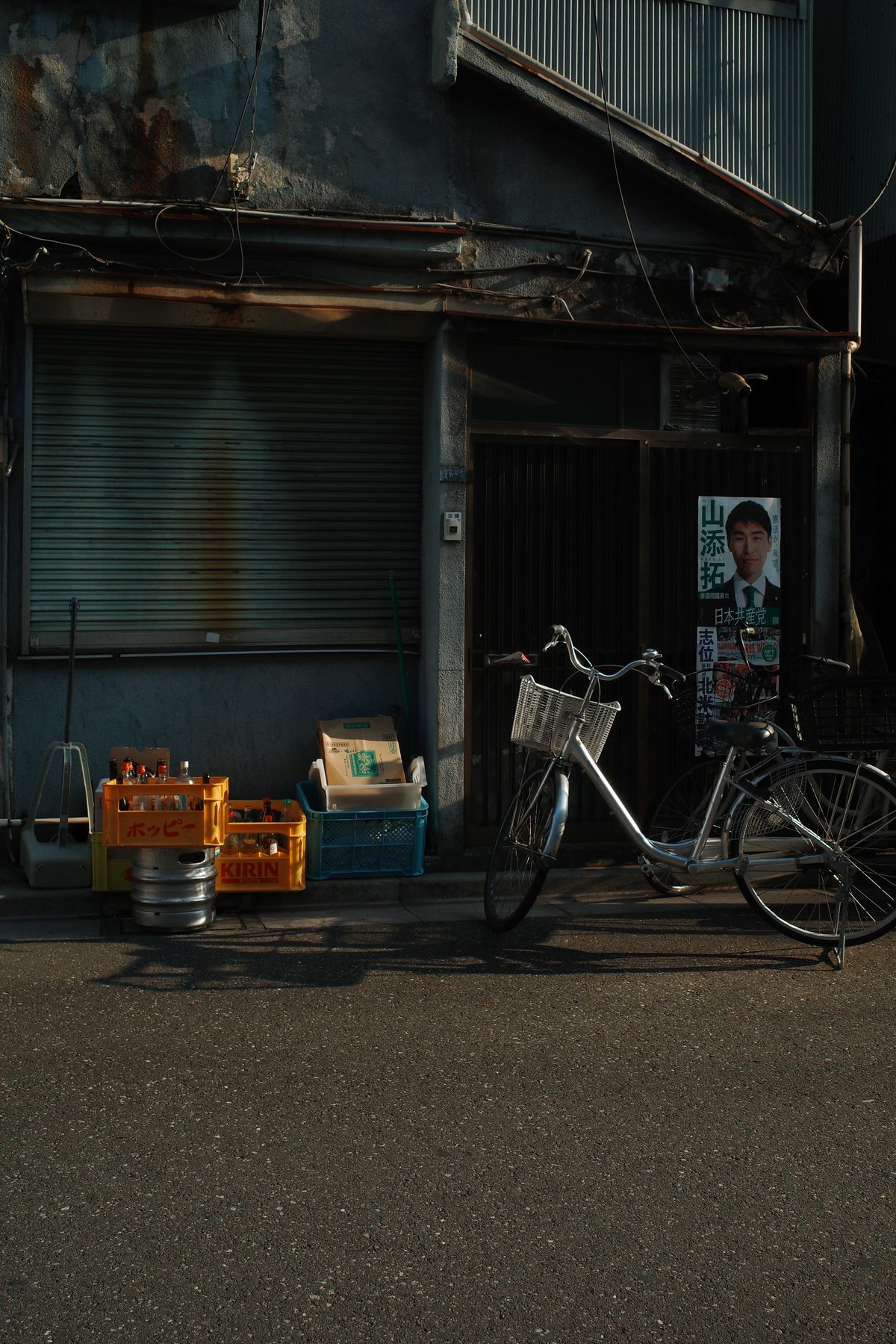
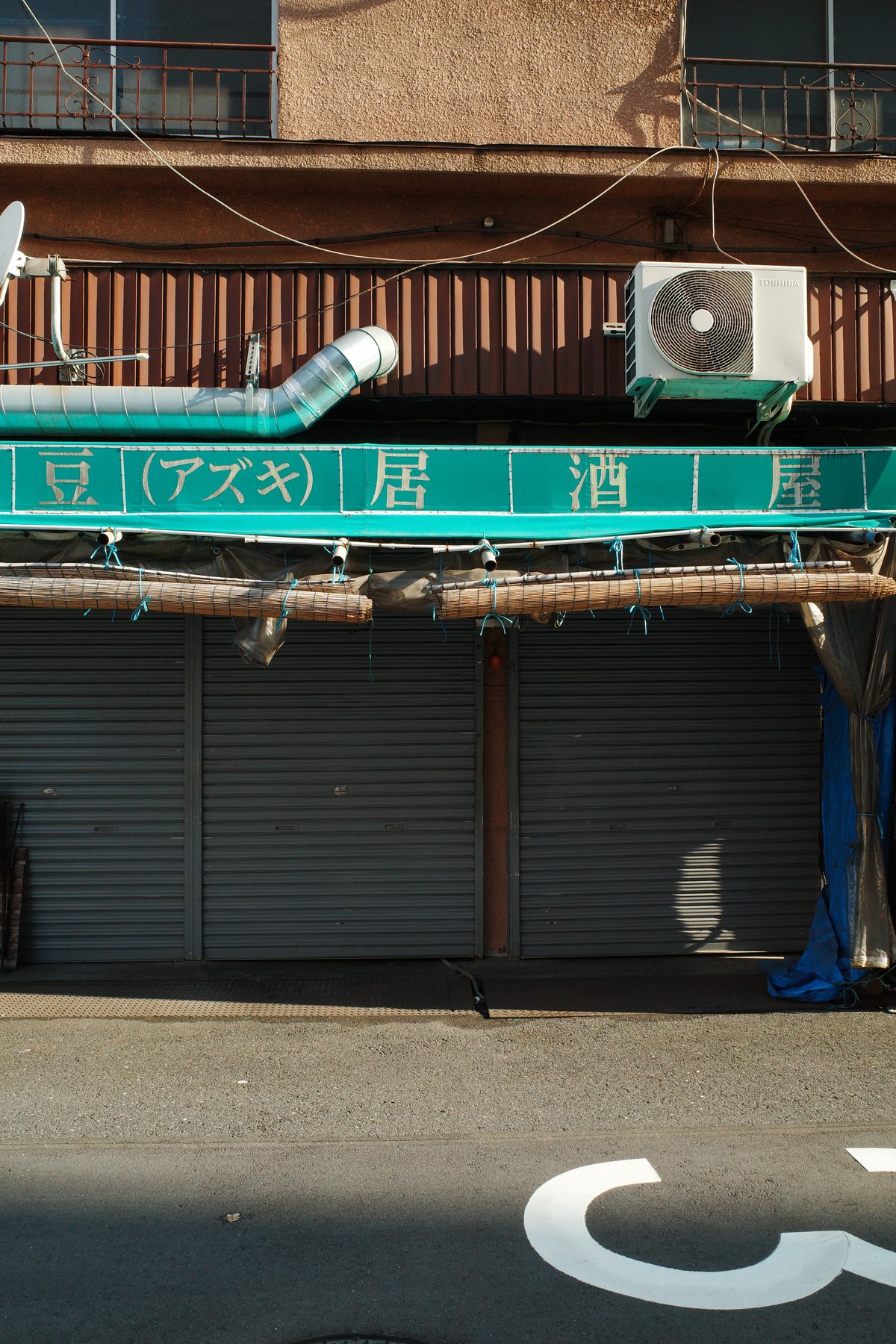
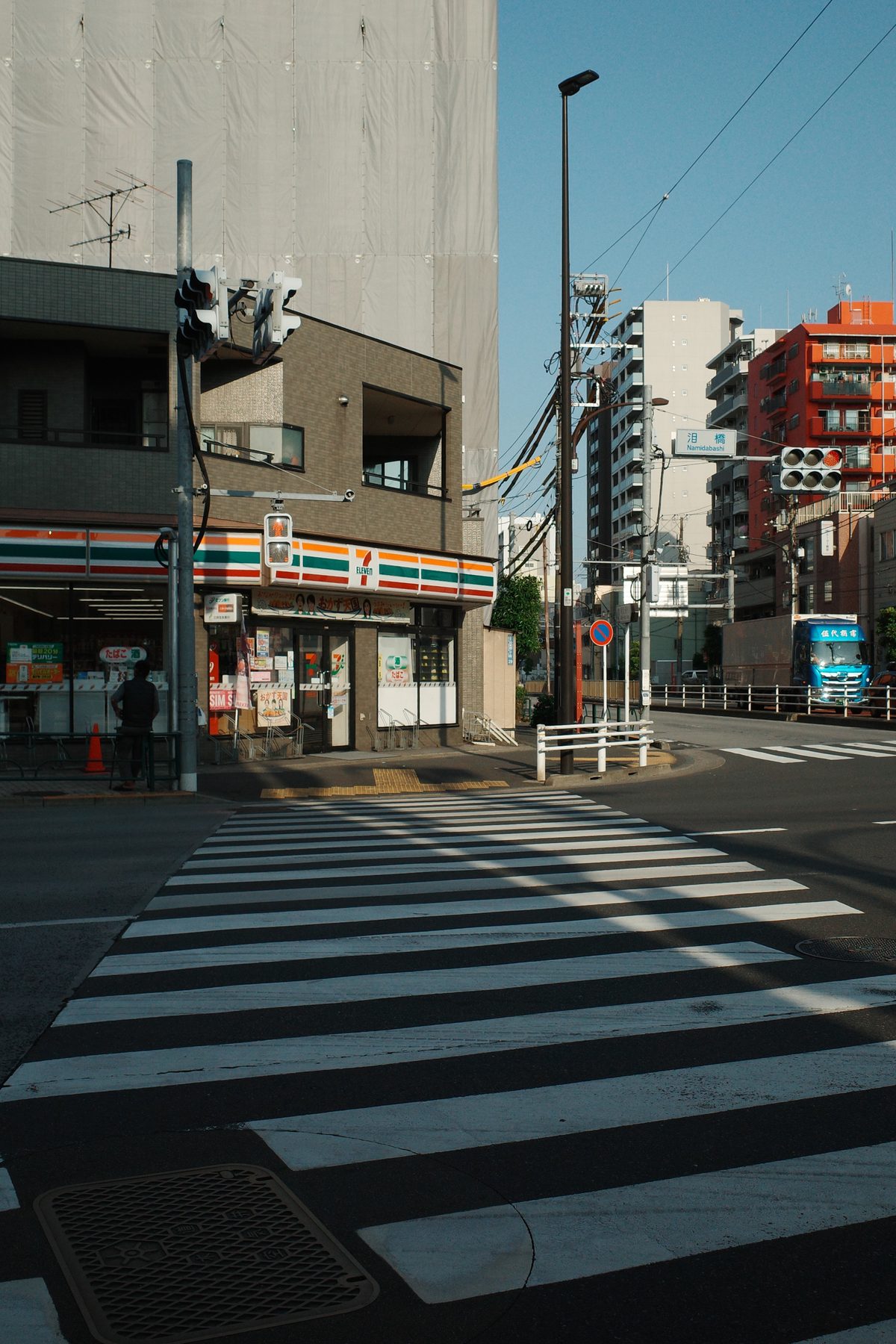
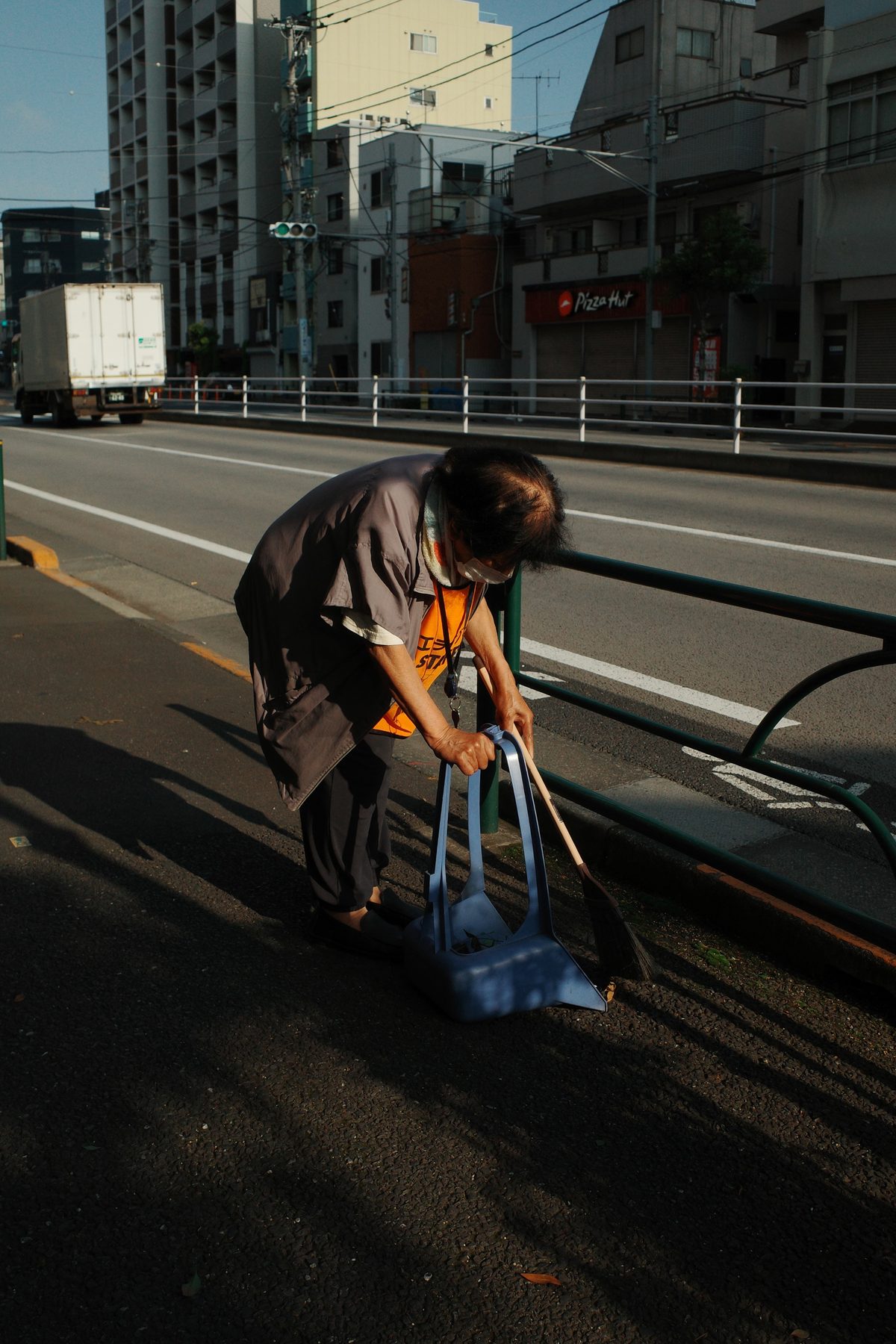
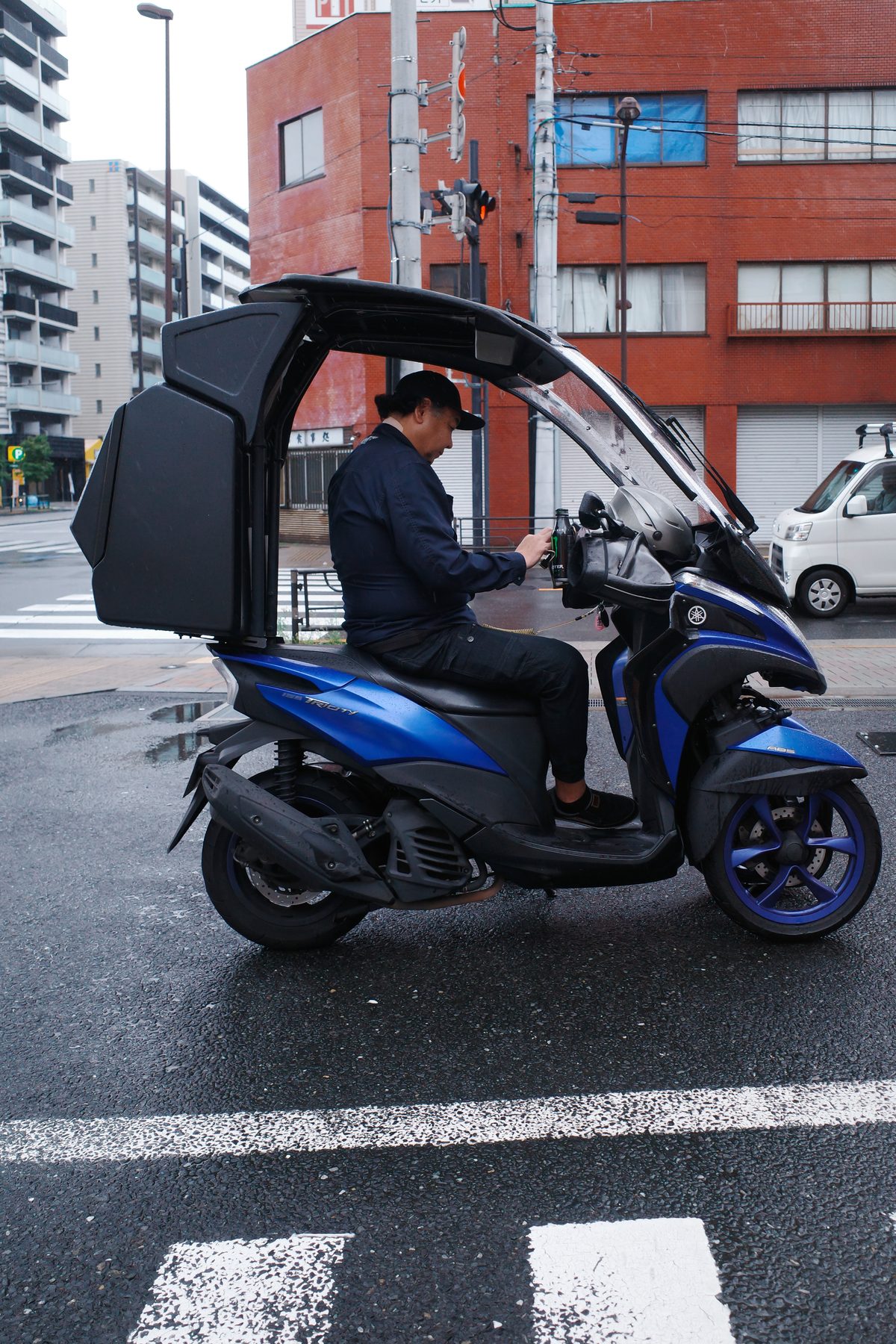
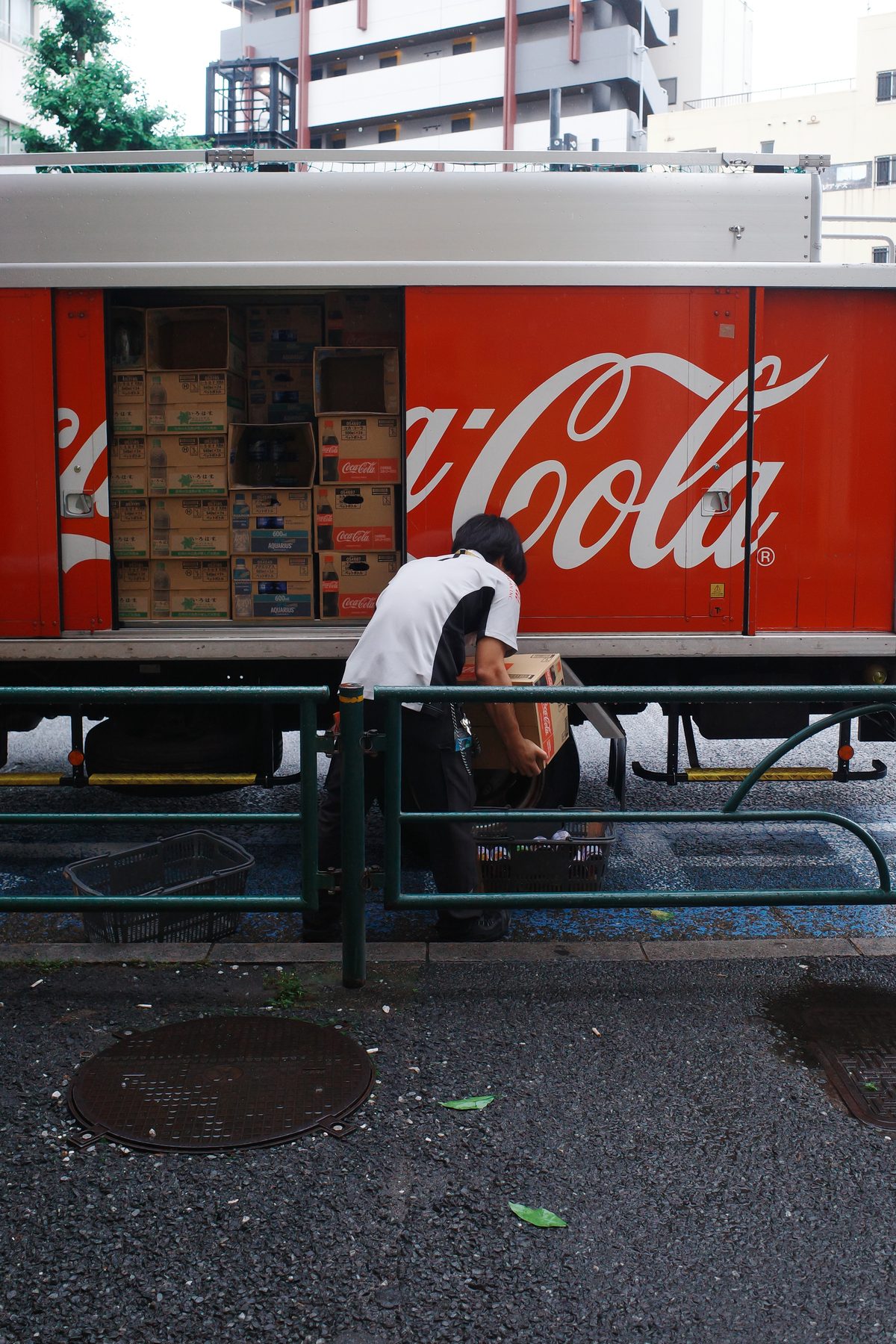
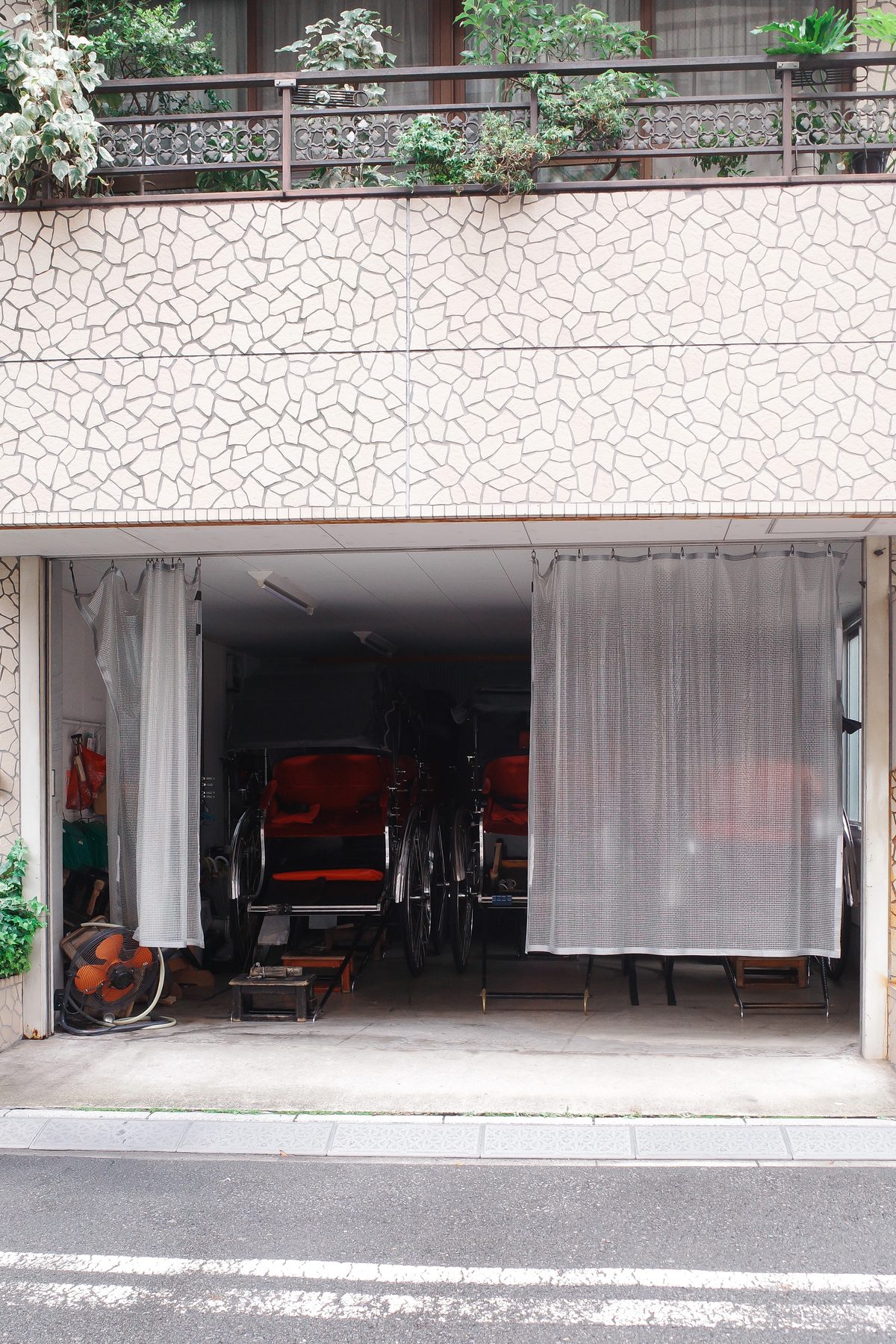
On my first morning, I was out at six: metal shutters, bicycles, stacked crates, an izakaya still closed, and the first workers of the day.
Good to know: Sanya is not an official name any more, it was removed from the map in 1966. For a century, it was the district of Tokyo's day labourers, who slept in cheap lodging houses called doya. Many of those have since become budget hotels for travellers.
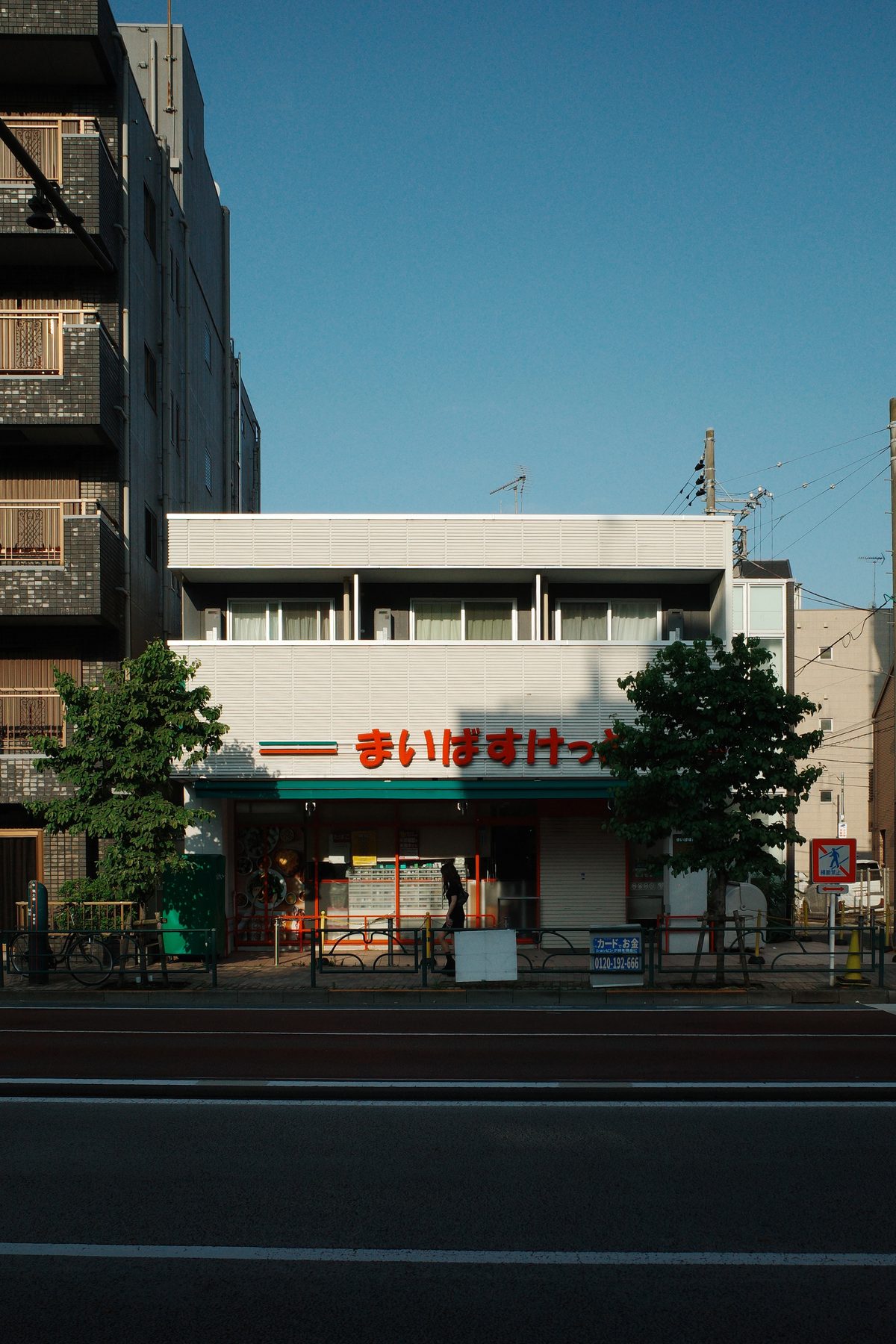
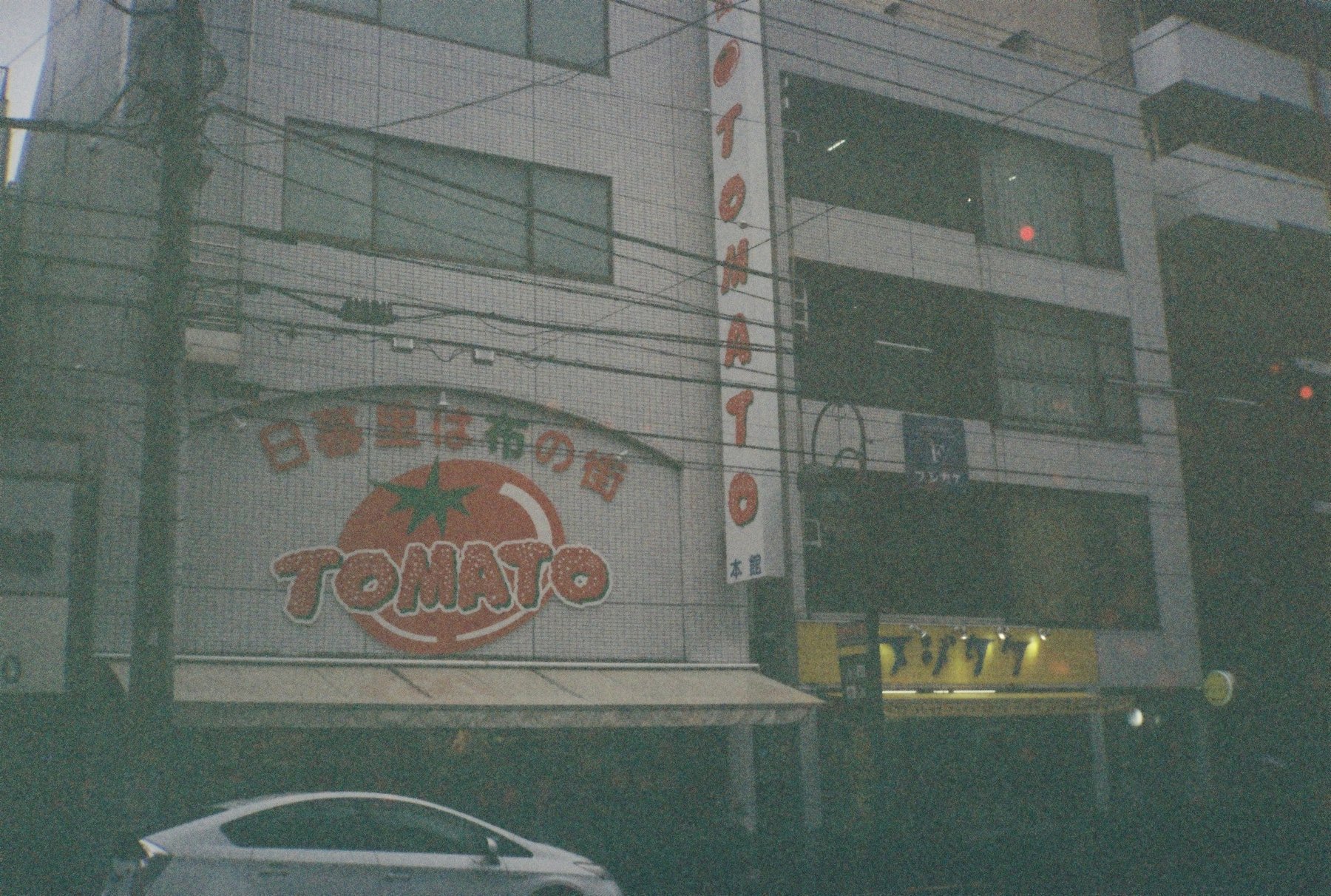
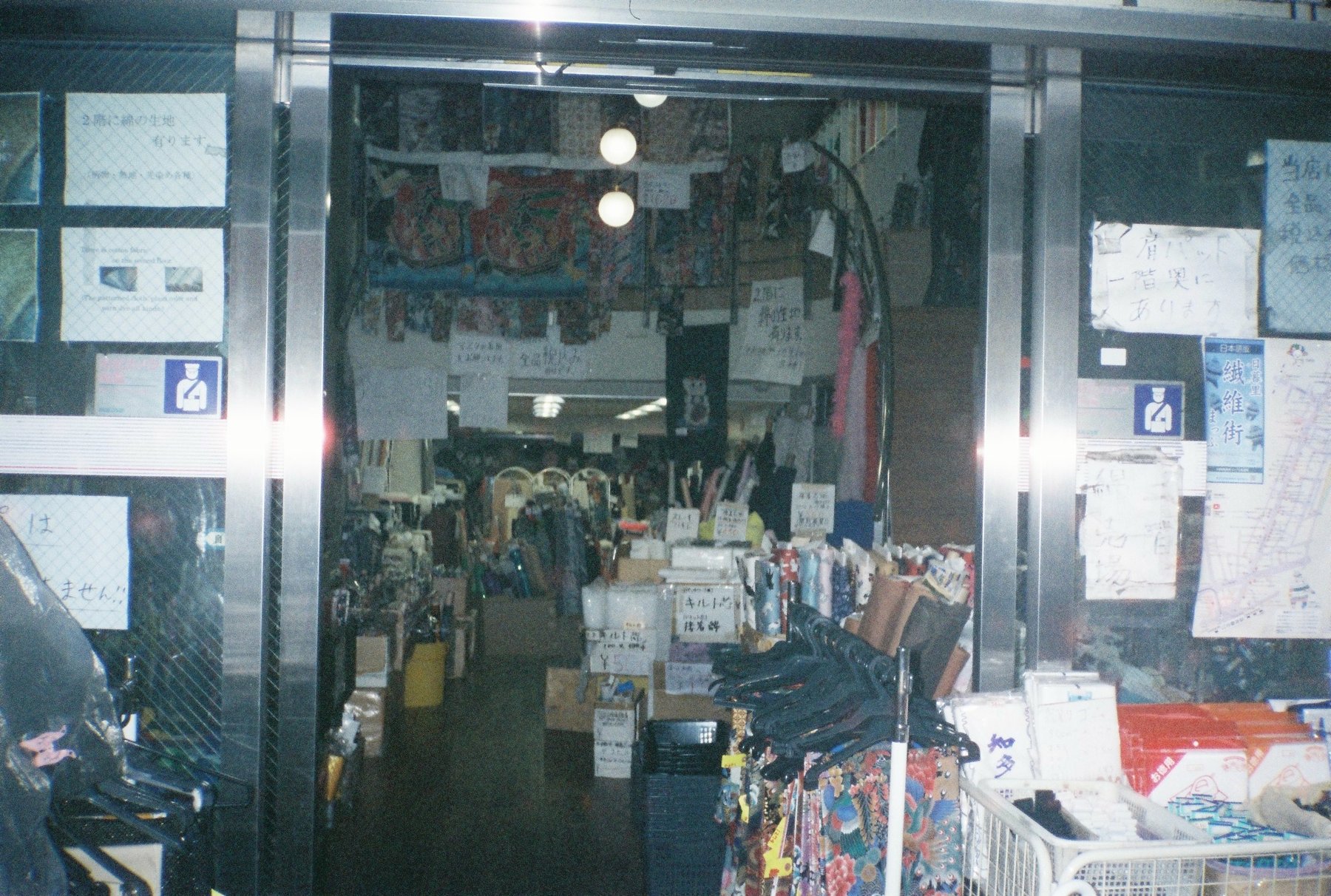
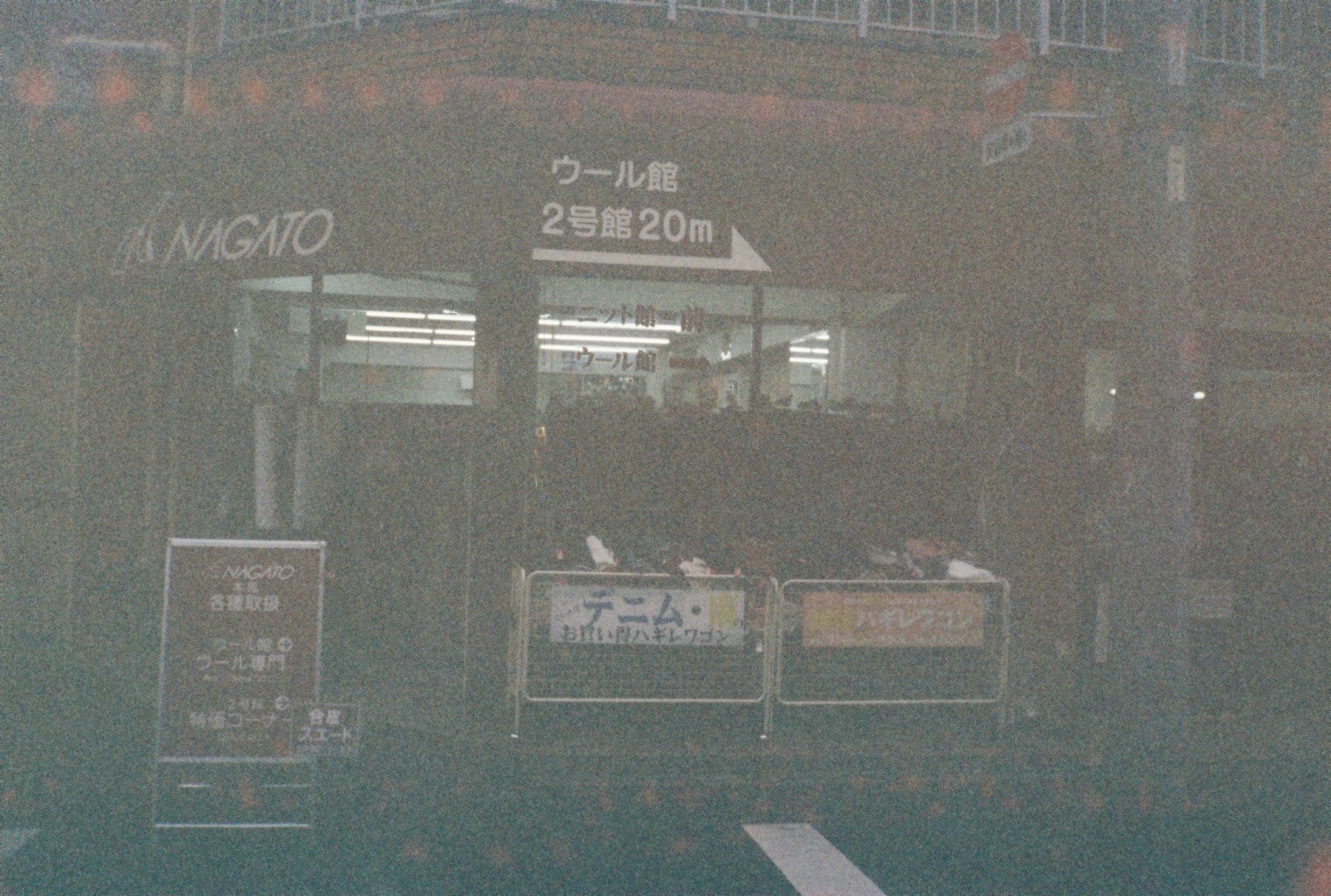
Nippori Fabric Town
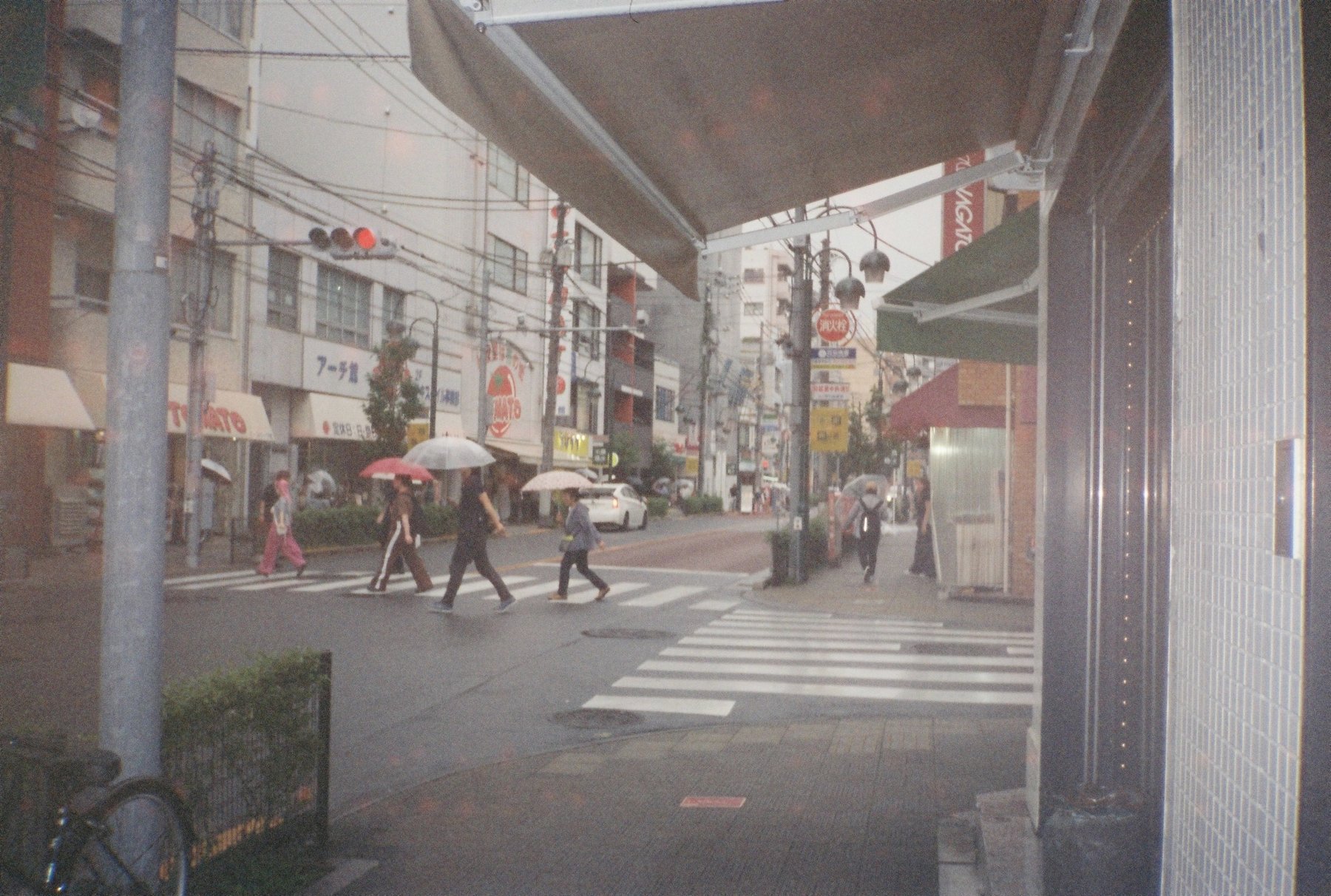
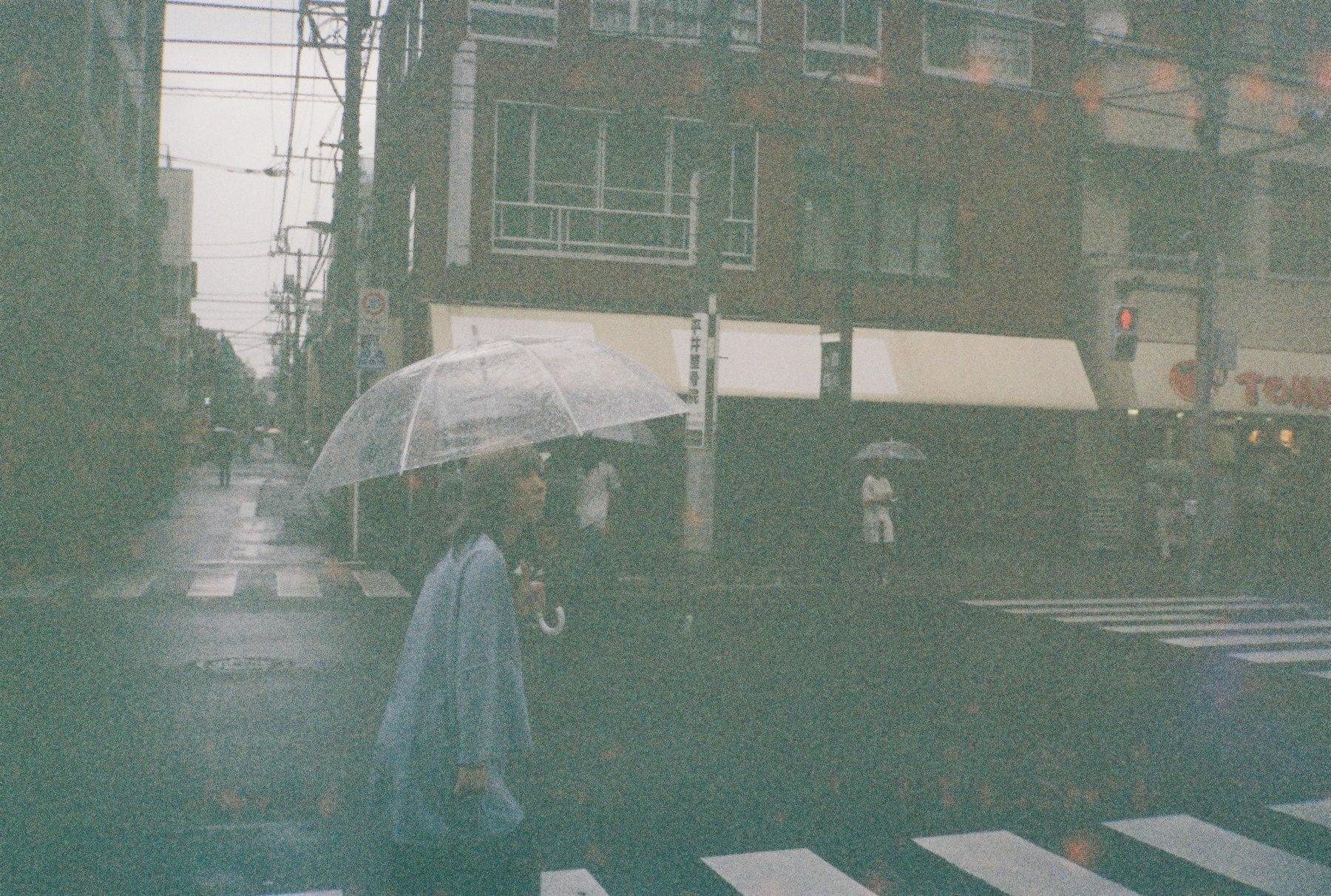
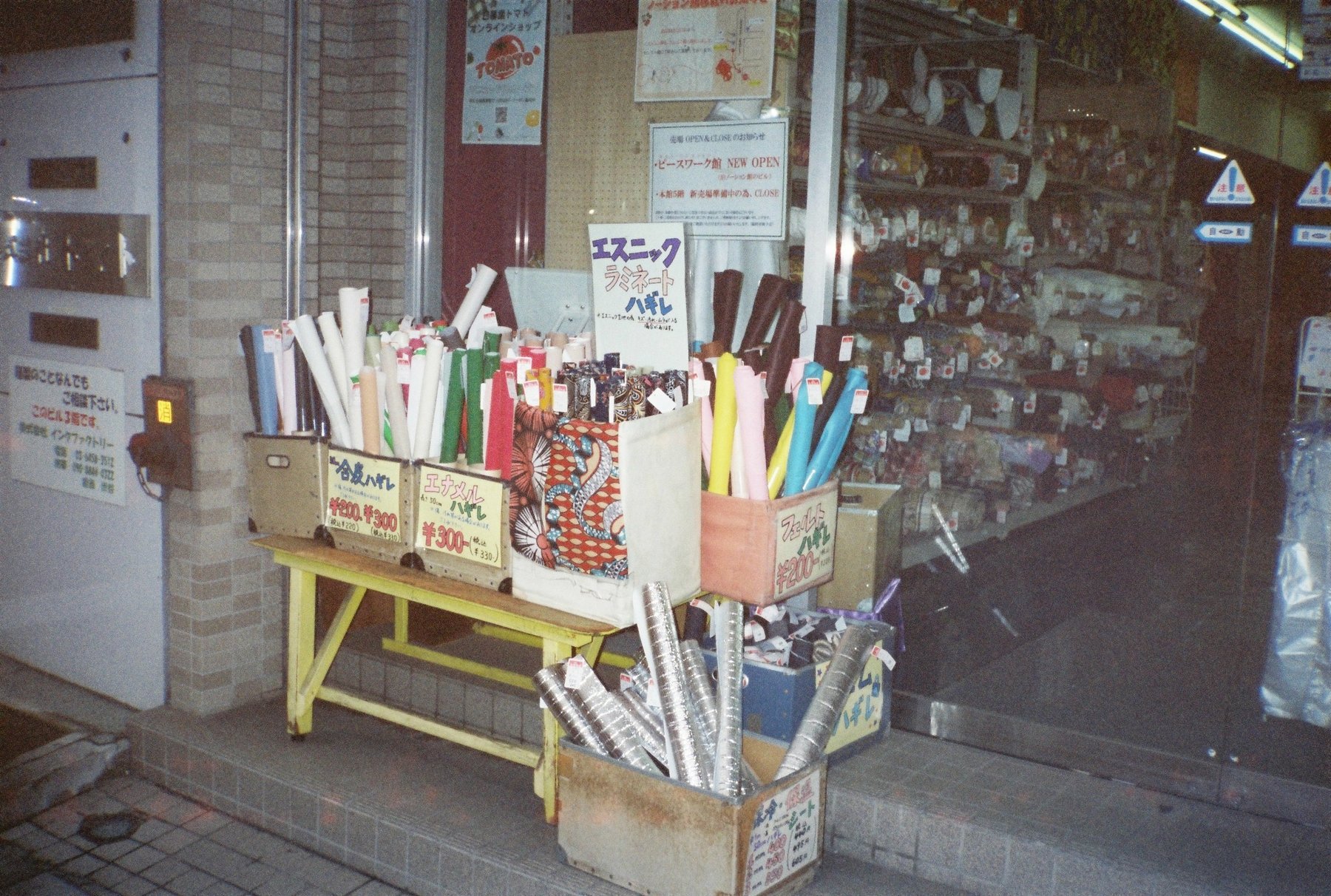
The fabric district, a short walk from my hotel. I shot it on film.
Around ninety shops of fabrics, trimmings and sewing supplies line the streets near Nippori station. Most open from about 9am to 7pm; on Sundays, hours vary from shop to shop.
Tomato, the best known, Higashi-Nippori 6-44-6: five floors of fabric, and several annexes along the street. 10:30am to 6pm, closed on Sundays and public holidays.
Asakusa
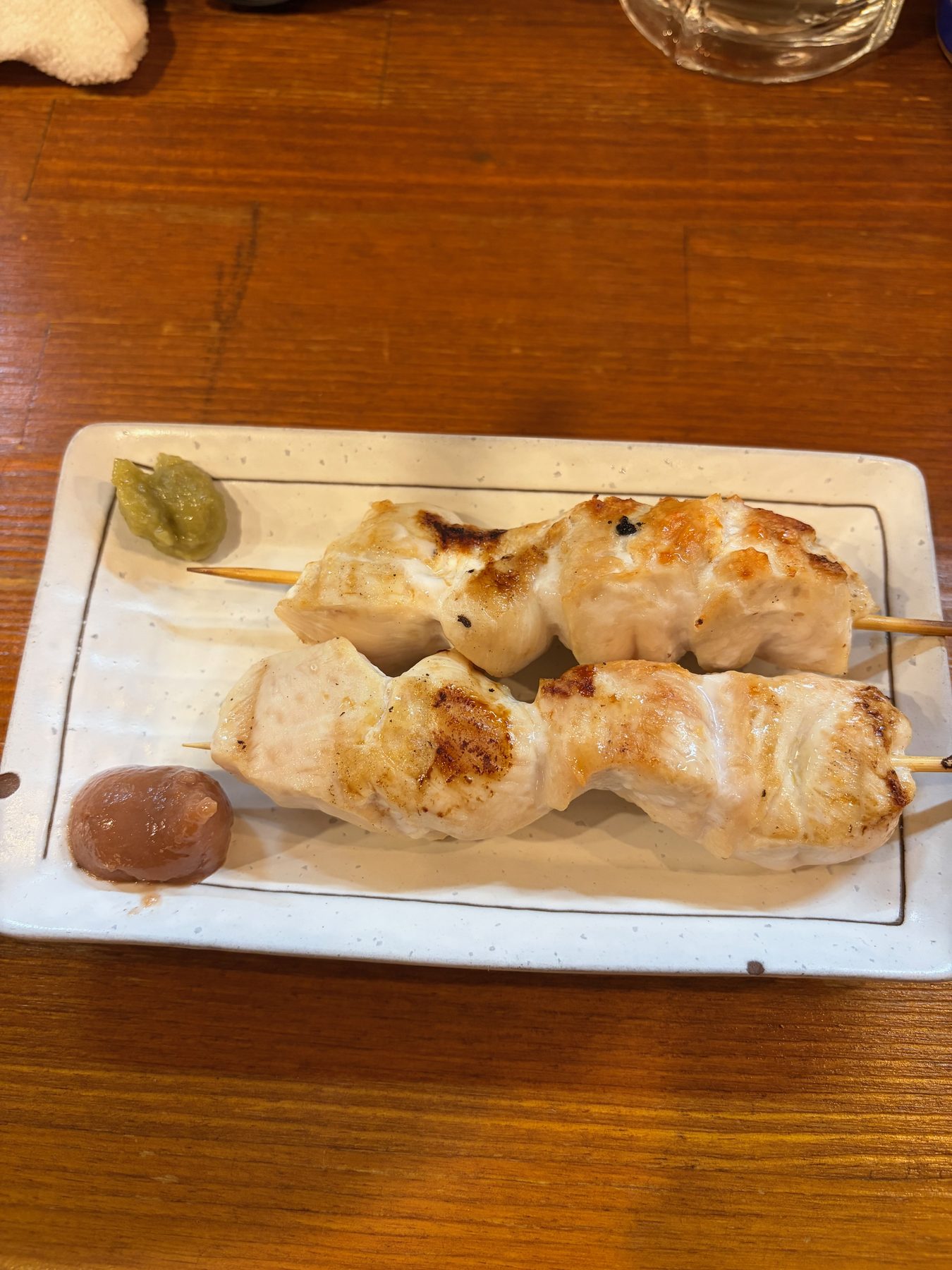
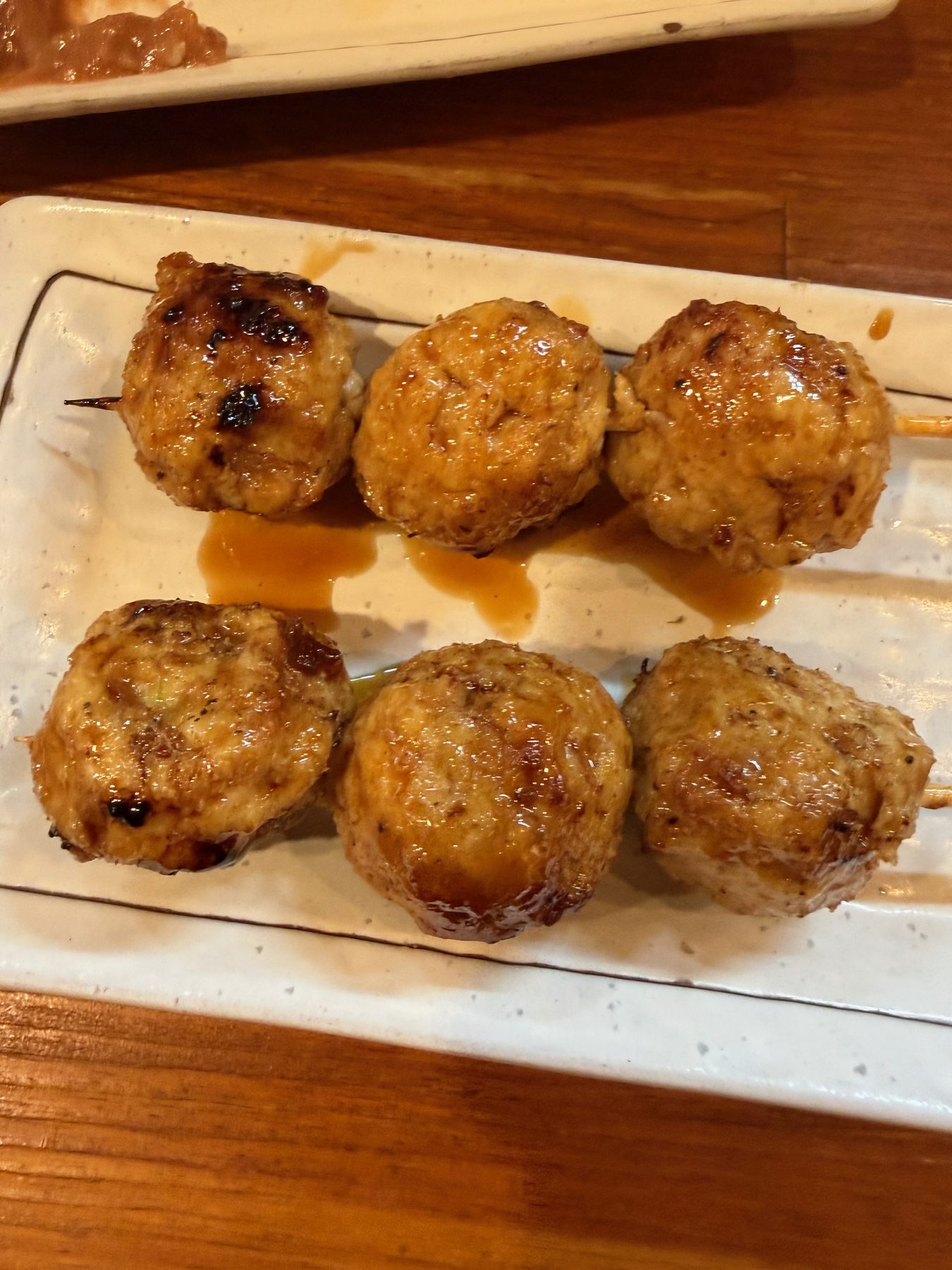
Where I ate: I found both by chance, and both were very good. The best moments are often the ones you did not plan.
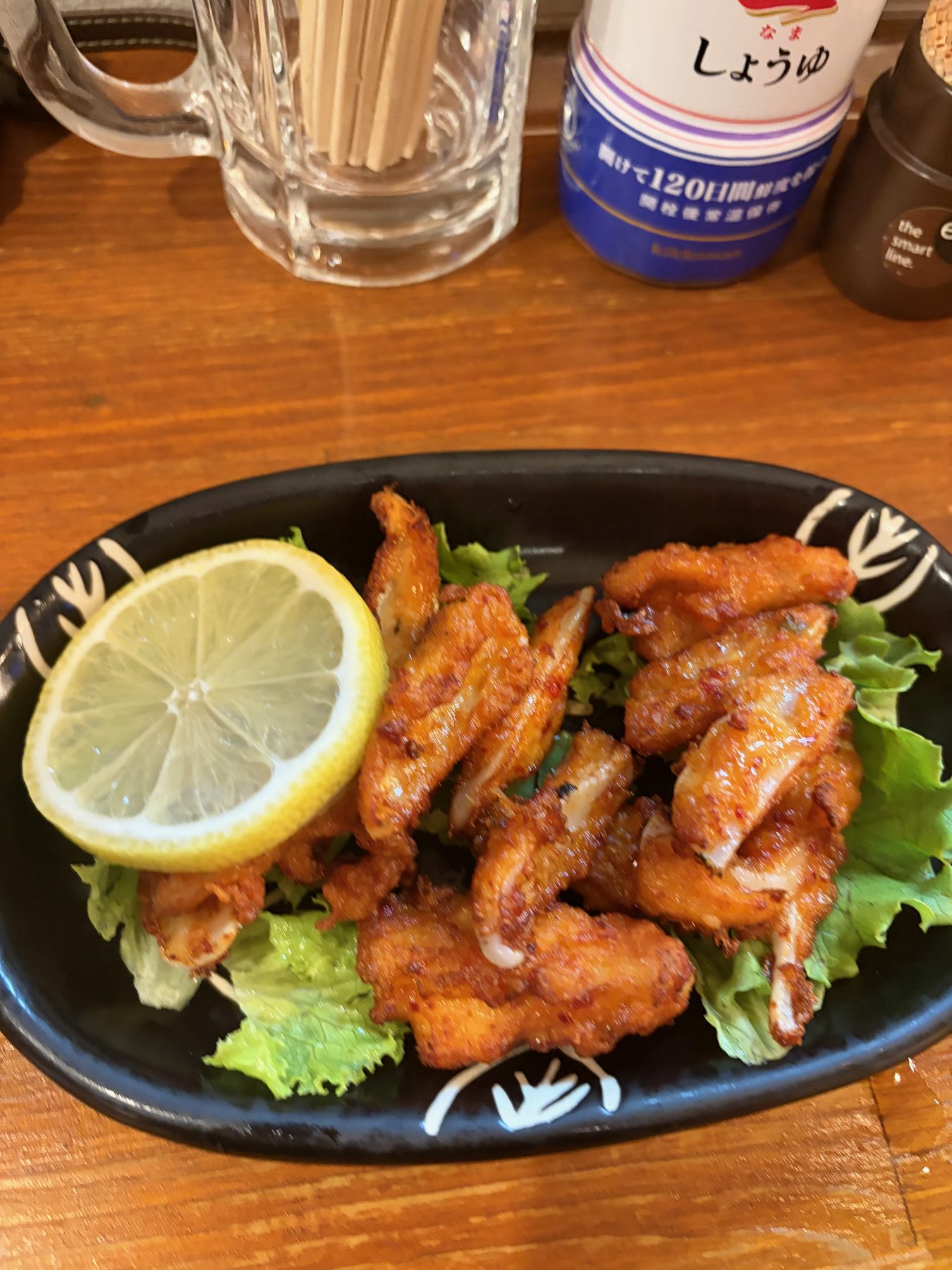
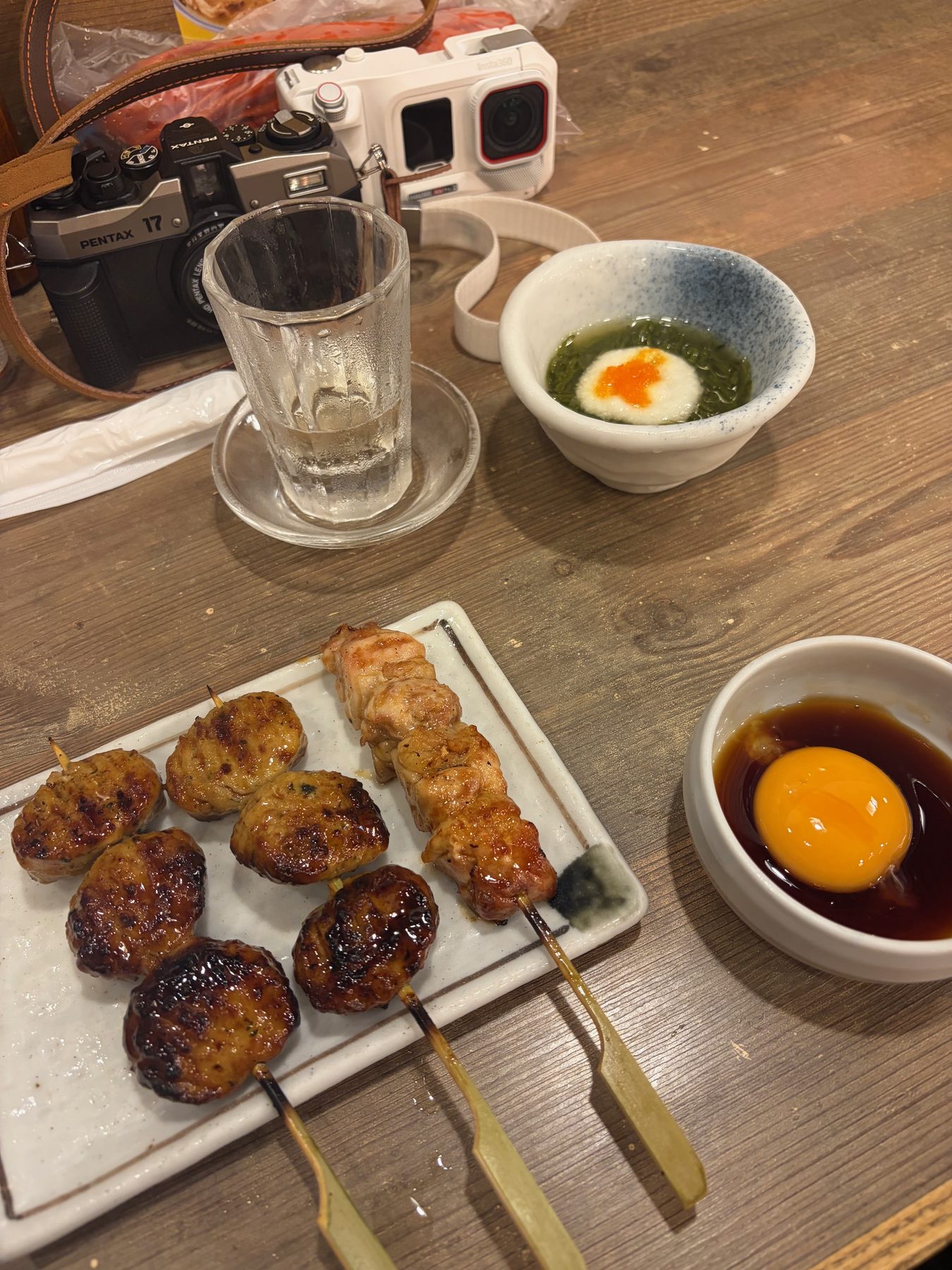
- Kōen Sakaba Kawayon (公園酒場 川よん), Asakusa 2-4-2, 150 metres from Asakusa station. Yakitori, tsukune and fried chicken at the counter. Counter and tatami rooms. Cash only, smoking allowed. Tuesday to Friday 4:30pm to 10pm, weekends from 2pm, closed on Mondays.
- Torigen Asakusa (鳥元 浅草店), Asakusa 1-9-8, ground floor. Yakitori and sake. Weekdays from 4:45pm, weekends and public holidays from 11:30am, until 11pm. Yes, yakitori at 11am: when you get up at five, you eat lunch at eleven.
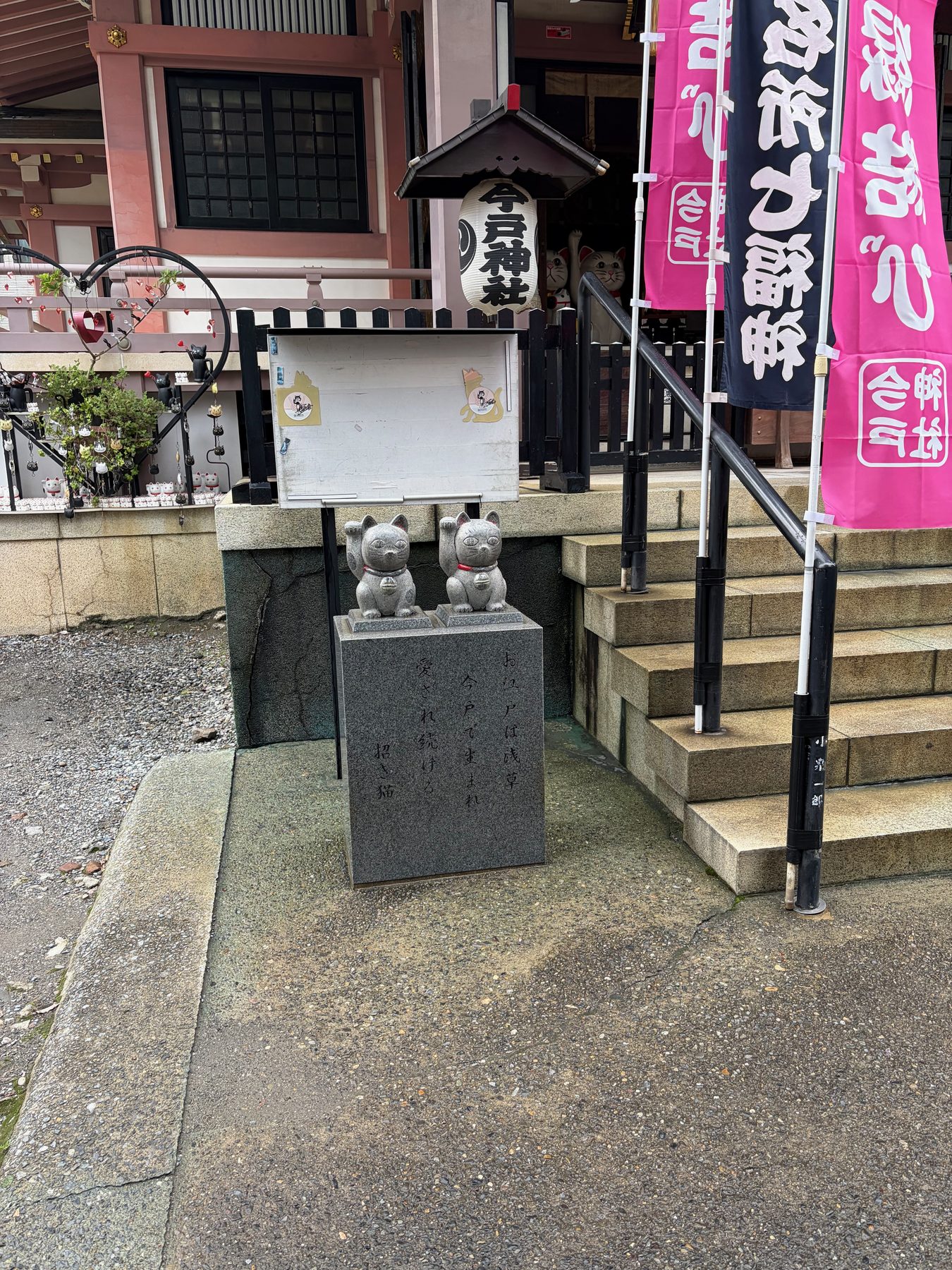
Imado Shrine, Imado 1-5-22, fifteen minutes on foot from Asakusa station. The shrine of the lucky cats, north of Senso-ji, along the Sumida river. I found it by chance while walking, and I loved it: the little cats are hidden everywhere in the plants. Free, 9am to 4pm.
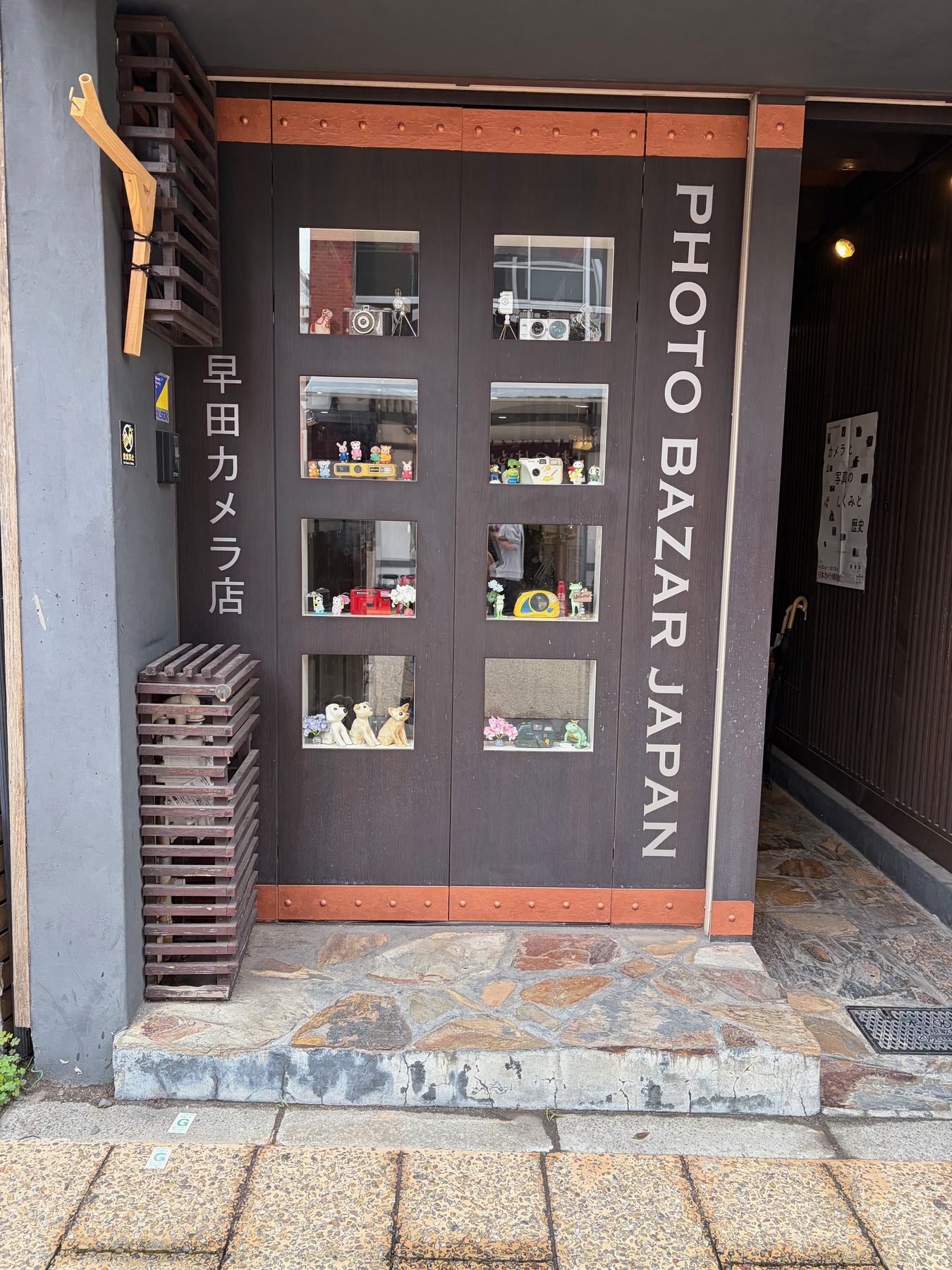
Hayata Camera (Photo Bazaar Japan), Asakusa 2-1-3, a beautiful shop for connoisseurs, dedicated to film cameras, with its own repair workshop. I did not buy anything, I just looked: a pleasure for the eyes. 11:30am to 8pm, closed on Thursdays.
Film: I bought my rolls at Palette Plaza Asakusa, near Kaminarimon. 10am to 7pm, closed on Wednesdays.
Kuramae and Asakusabashi
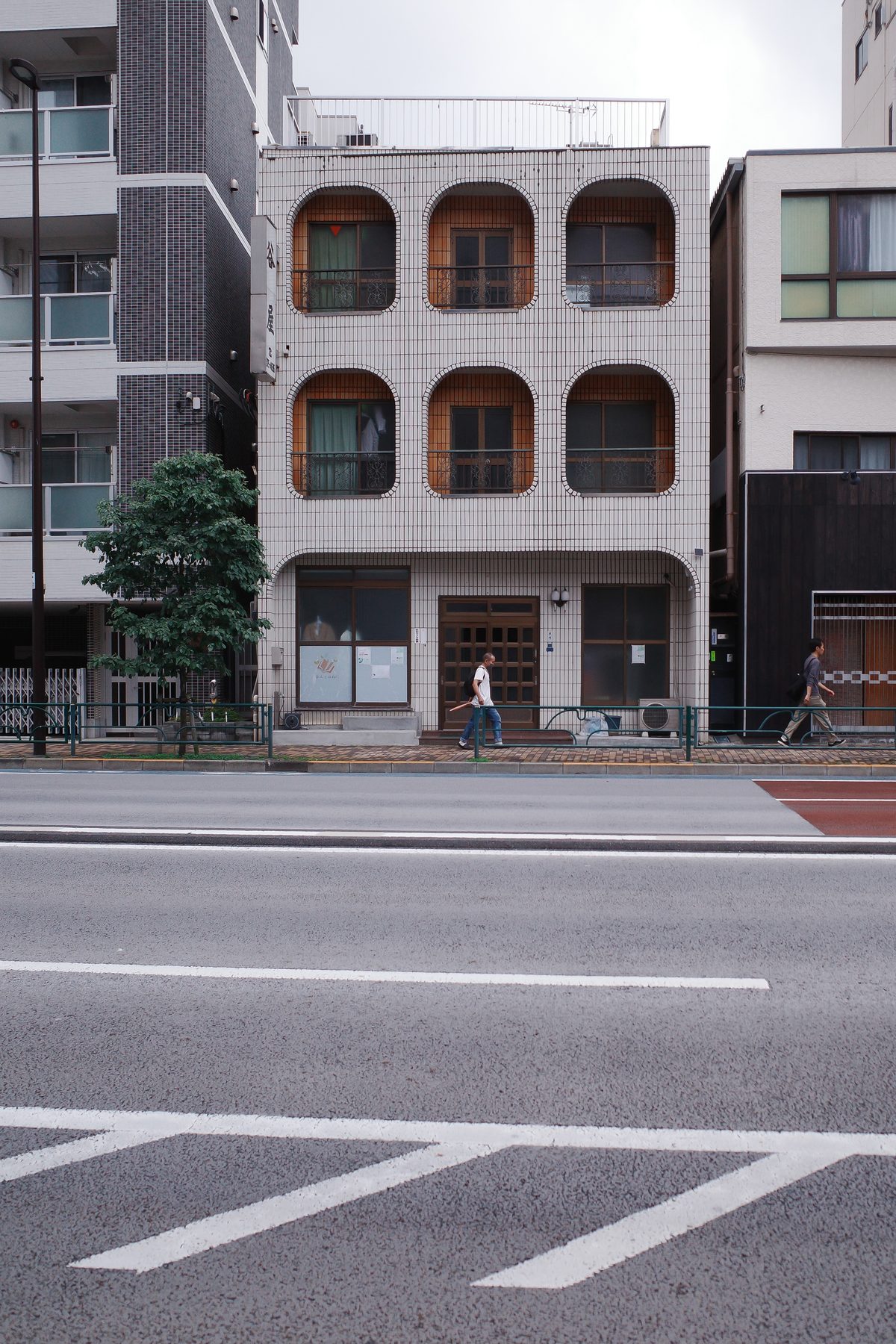
South of Asakusa, along the Sumida river, I walked through Kuramae and Asakusabashi.
Kuramae means "in front of the storehouses": in the Edo period, this is where the rice granaries of the shogunate stood. Today it is a quiet district of workshops, small designers, coffee roasters and stationery shops, with a riverside promenade and the Skytree across the water. Two Kuramae stations, on the Toei Asakusa and Oedo lines.
Asakusabashi, between Akihabara and Ryogoku, is a wholesale district: traditional dolls for the Girls' and Boys' festivals, beads and jewellery parts, shop decorations and stationery, often at wholesale prices. JR Sobu line and Toei Asakusa line.
Across the Sumida river
From Asakusa, I crossed the Sumida river into Sumida, the ward of the Skytree. From the bridges you get the river, the boats and the tower right in front of you.
Ueno and Okachimachi, at night
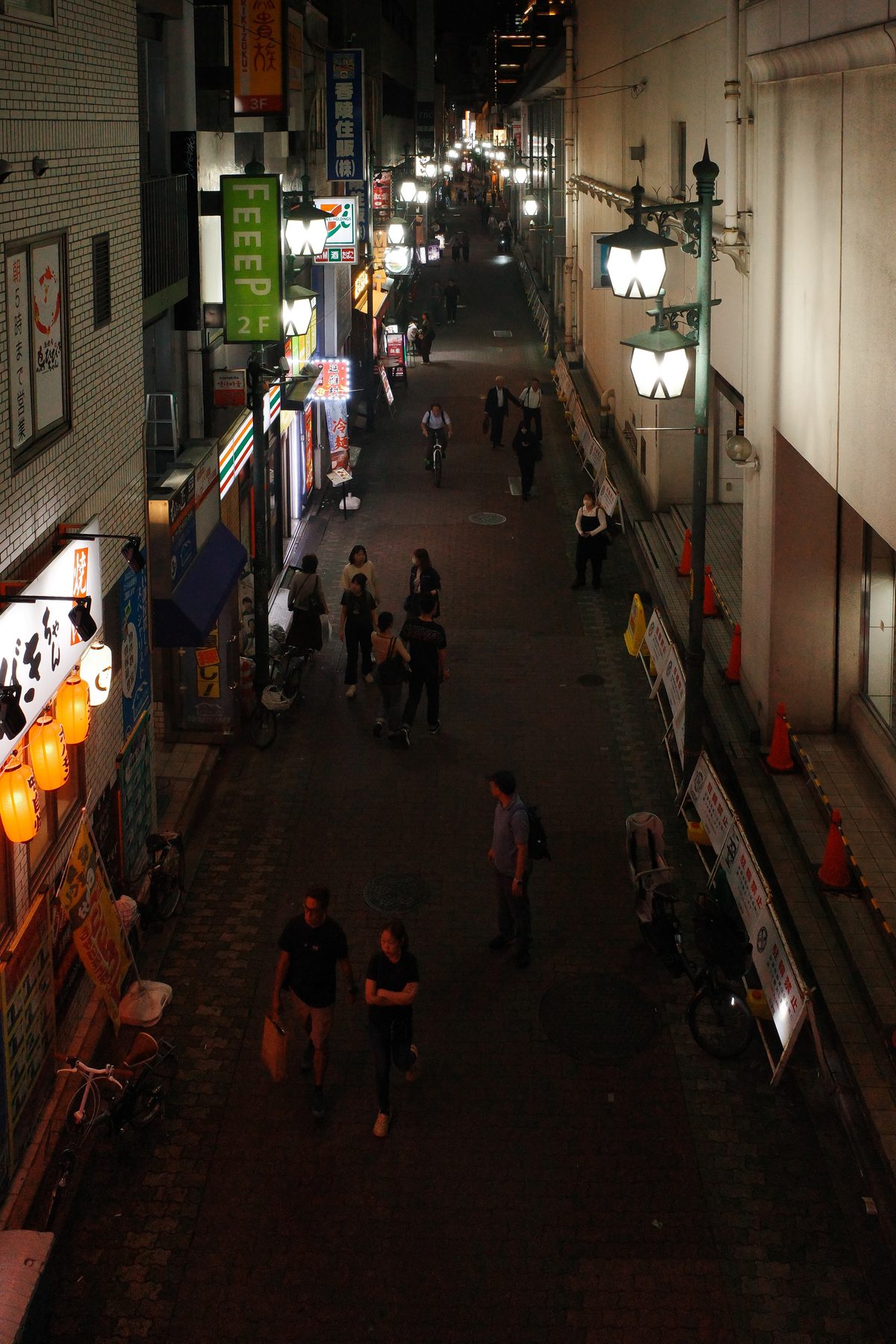
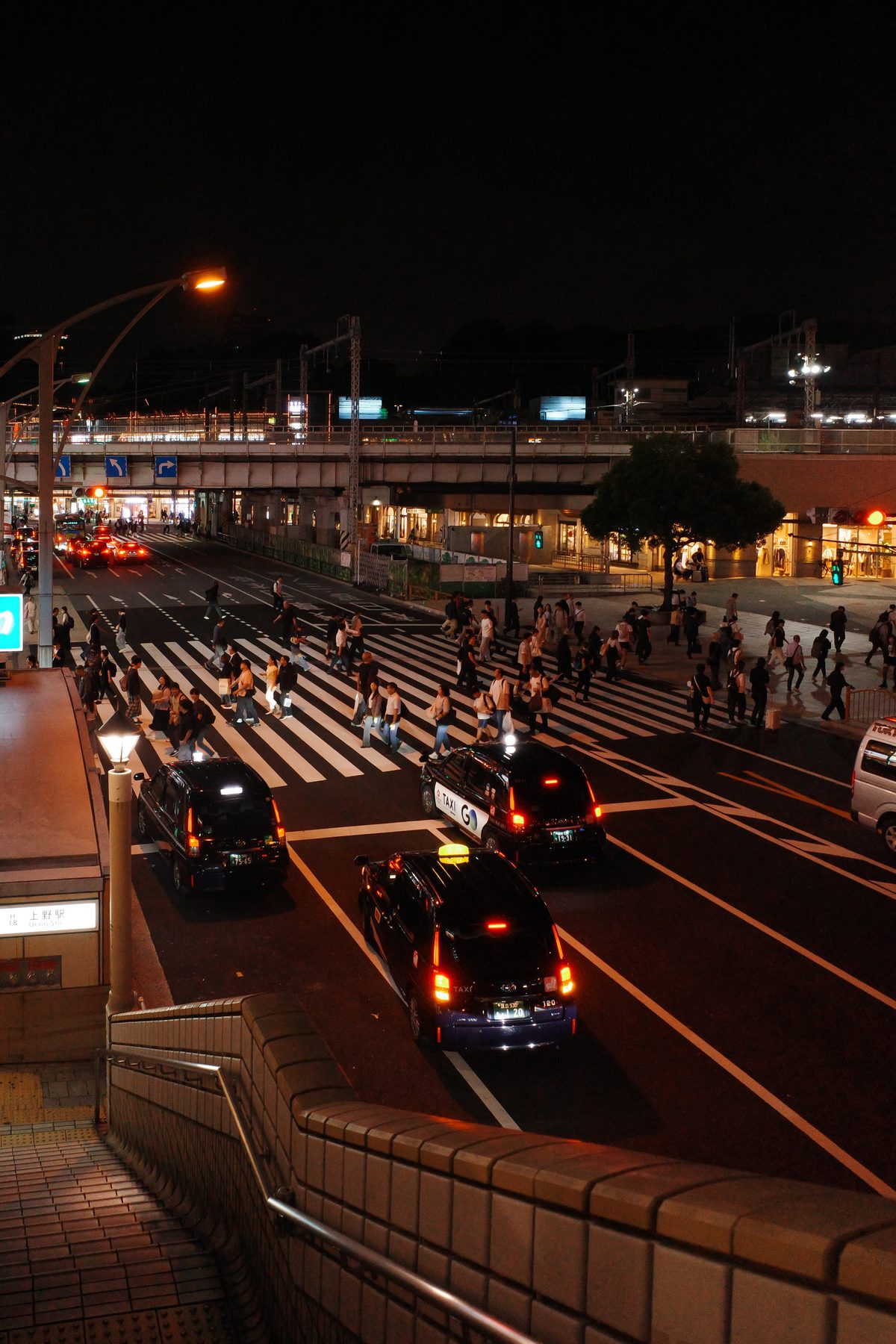
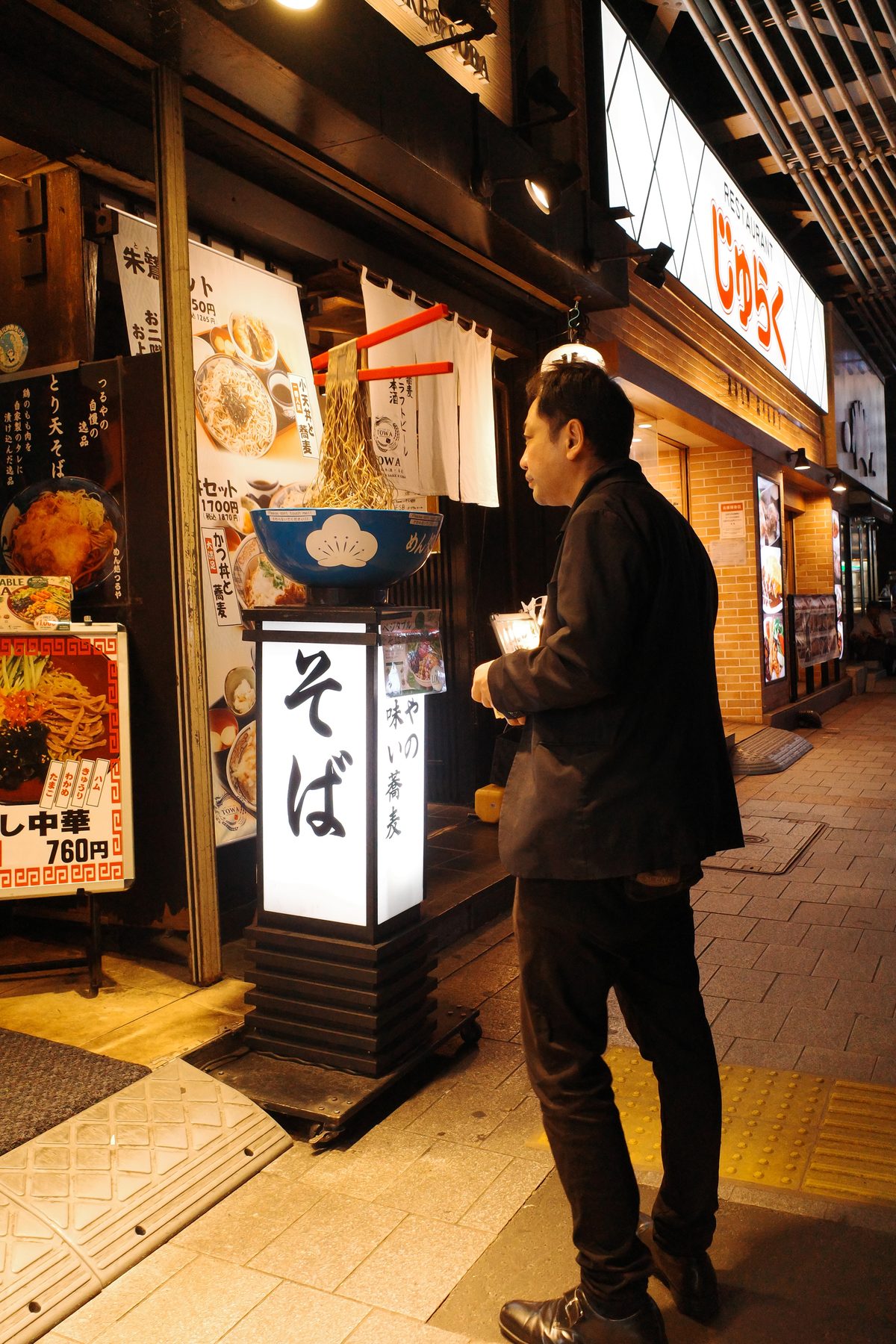
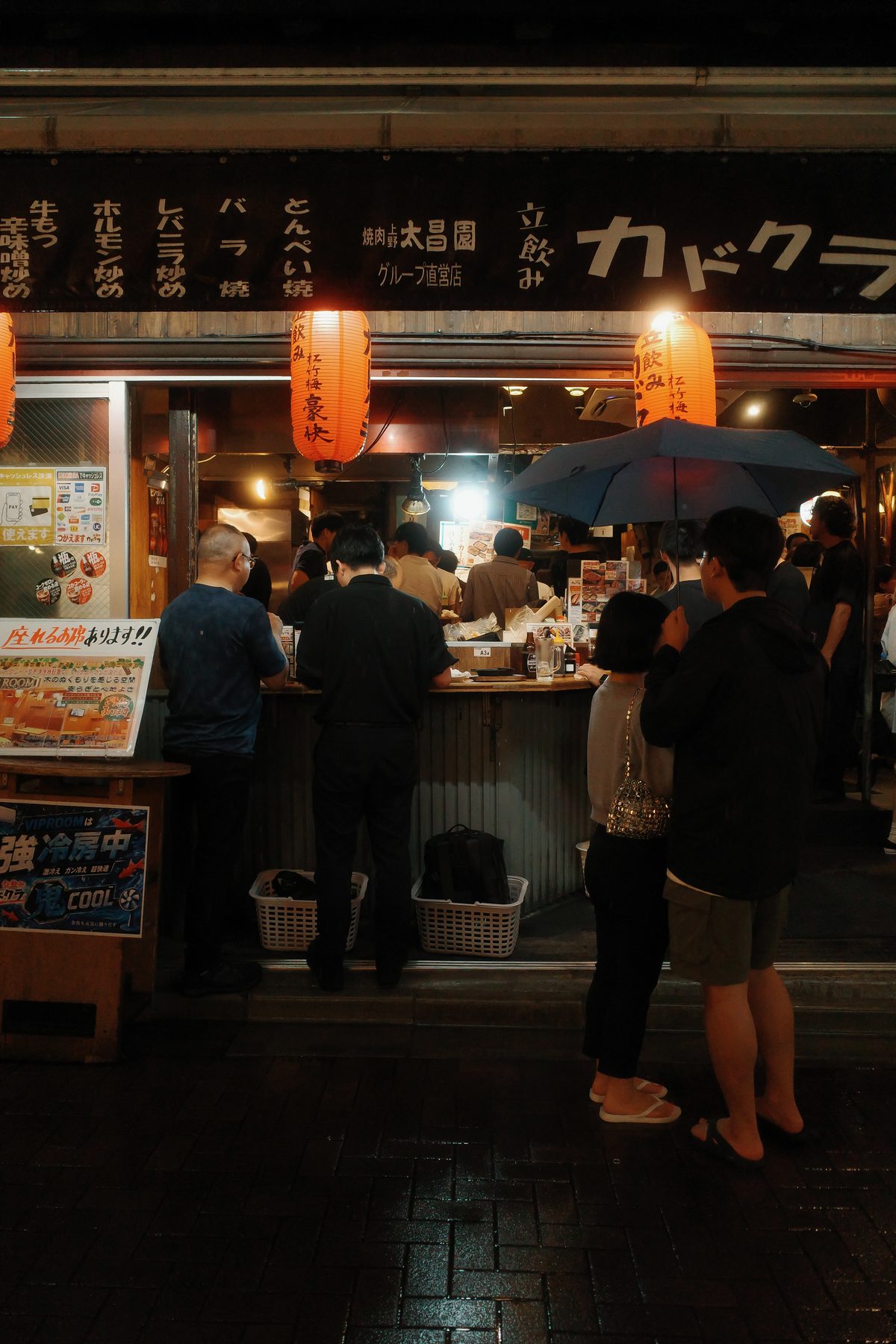
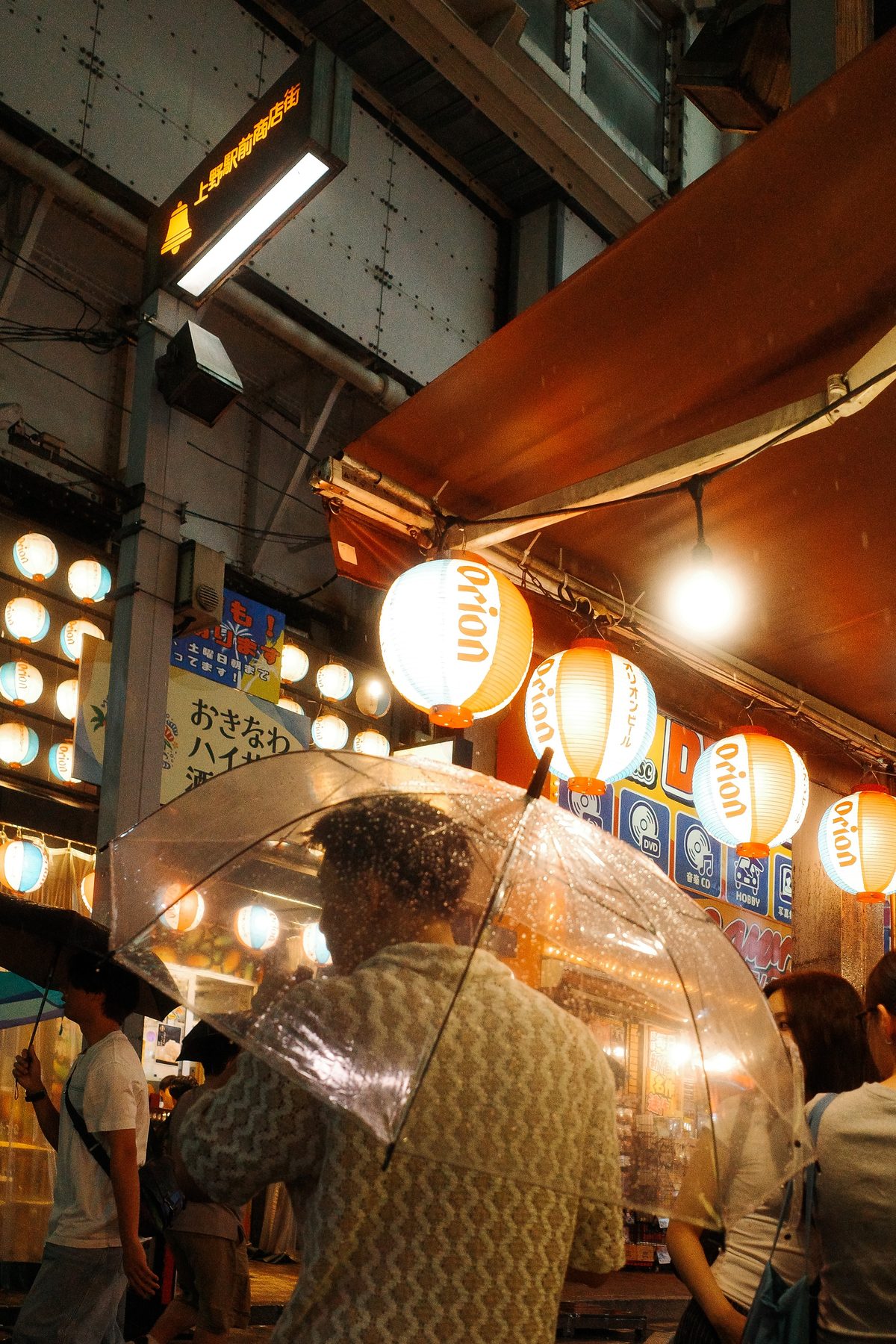
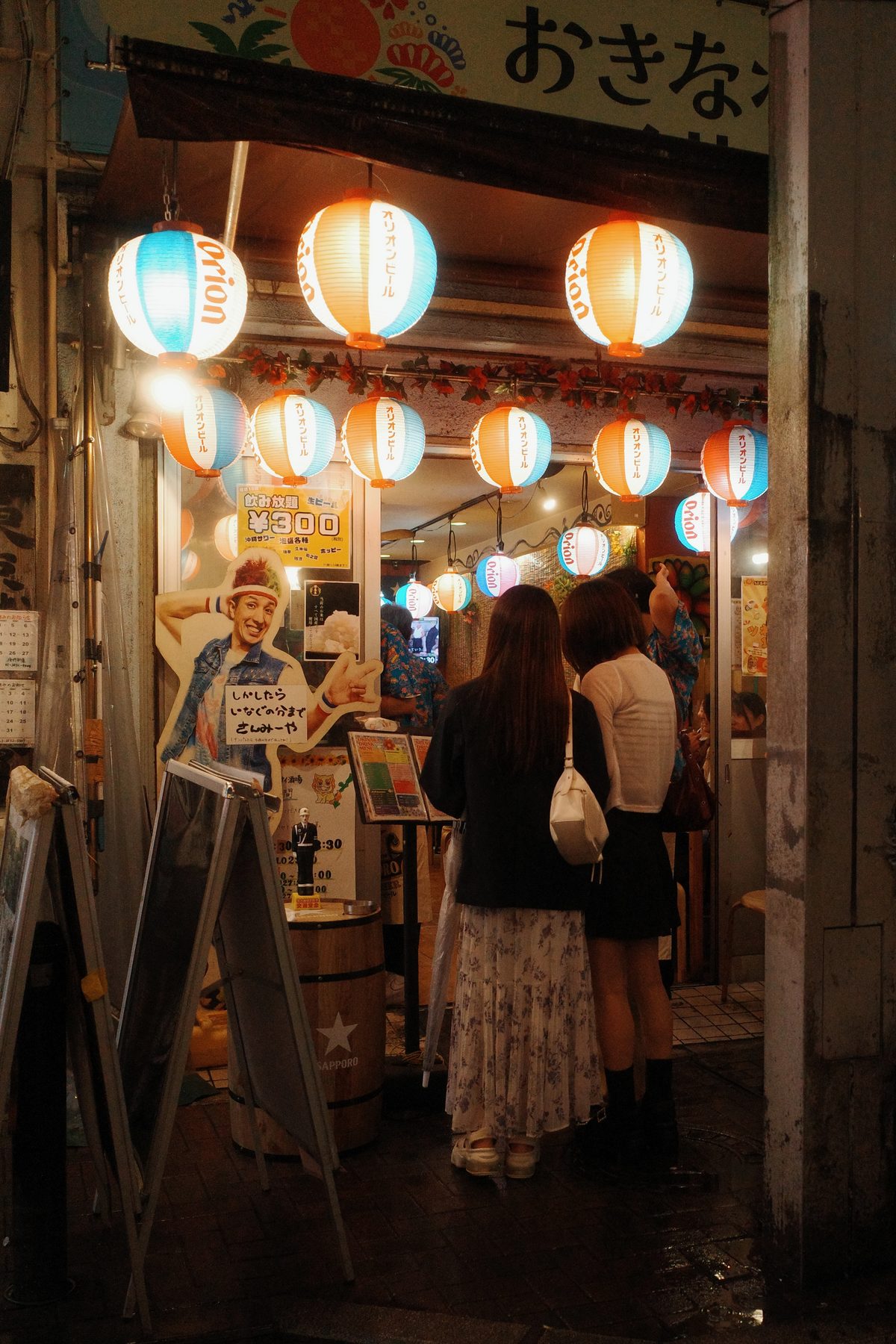
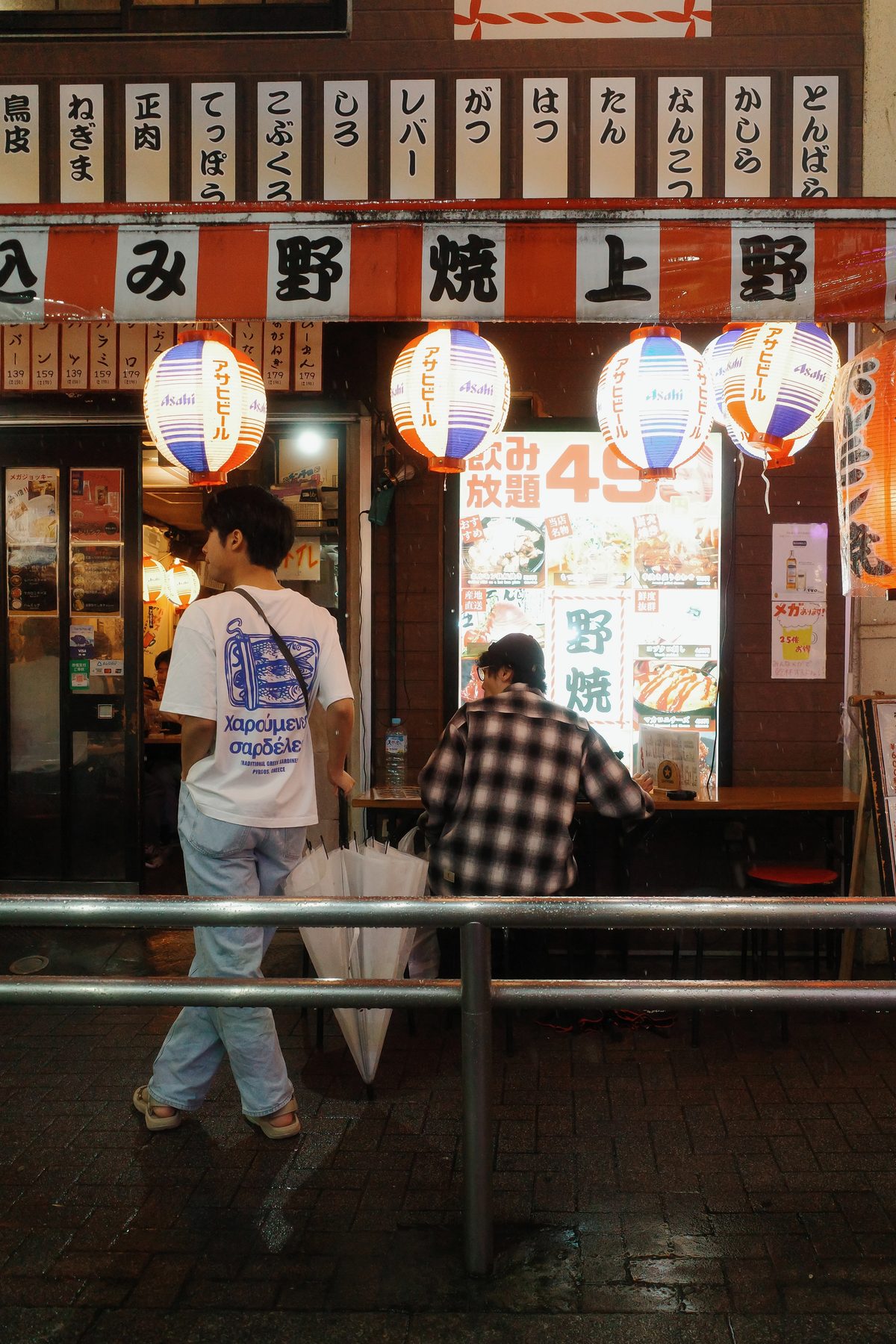
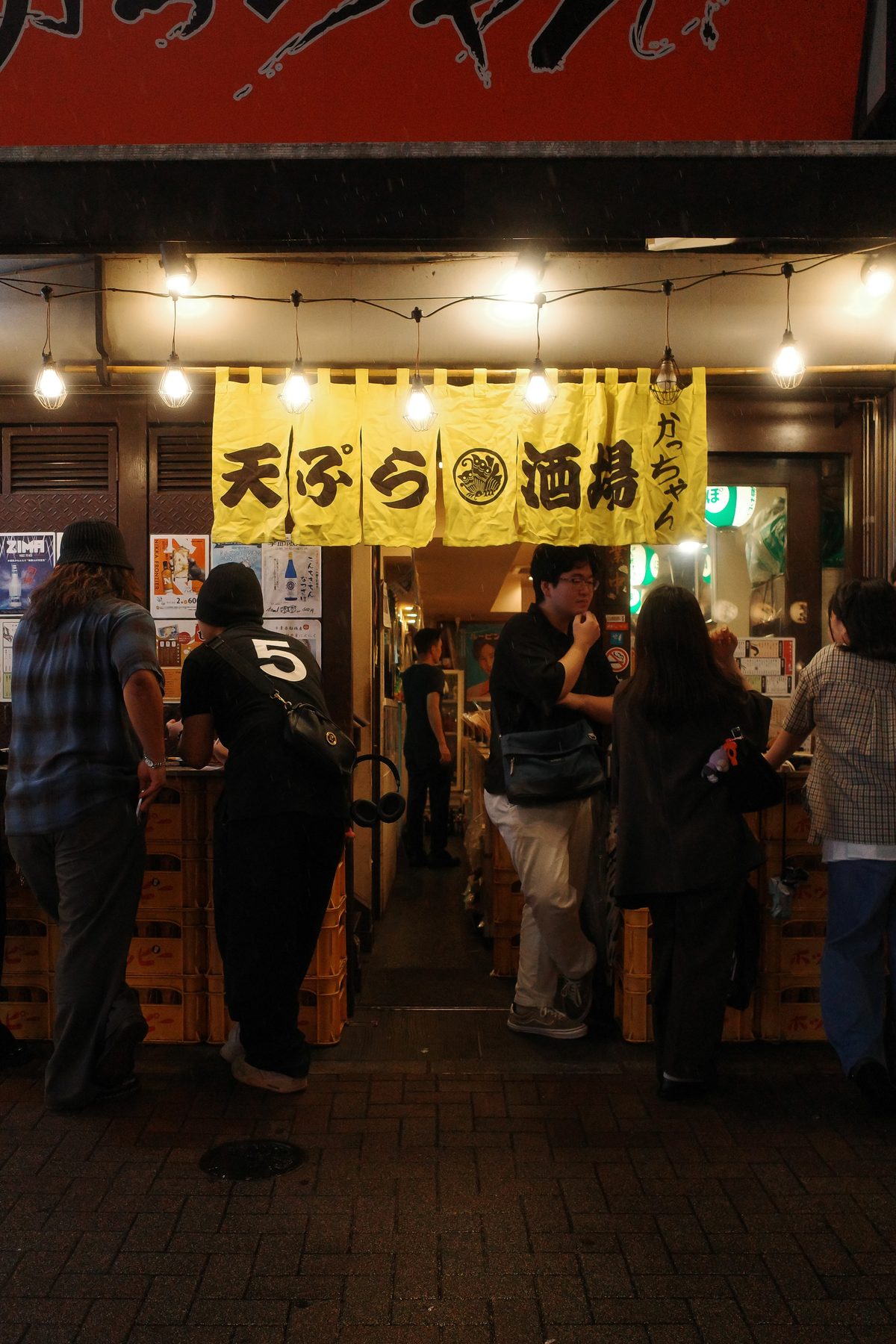
I only knew Ueno by day, for shopping. At night, the atmosphere is completely different: lively, festive, all lights. I loved it.
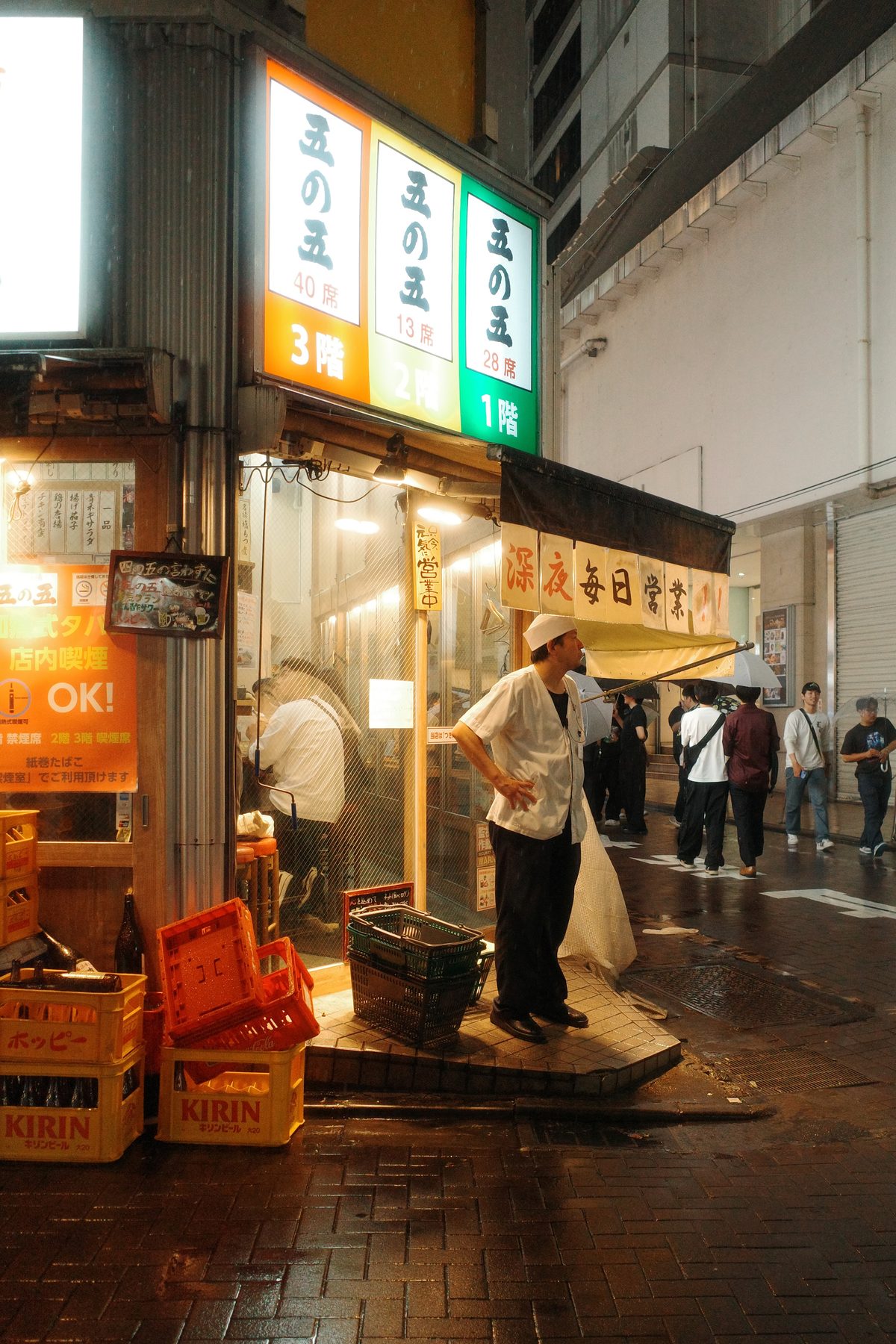
Ameyoko, the market street between Ueno and Okachimachi stations, runs for about 500 metres along and under the railway. It was born as a black market after the war. By day it sells fish, fruit, clothes and cosmetics; most shops open around 10am. In the evening, the izakaya under the tracks take over, with tables out on the street.
Tokyo east FAQ
Where to stay in the east of Tokyo?
For me, it is the best place to stay in Tokyo. I stayed at the Juyoh Hotel, ten minutes on foot from Minowa station, on the Hibiya line.
Is the east of Tokyo worth it for photography?
Yes, especially at dawn. I went out early every morning.
Where to buy film in Asakusa?
At Palette Plaza Asakusa, near Kaminarimon.
Is Ueno worth it at night?
Yes. If you only know it by day, the change of atmosphere is incredible.
Read next
More from Japan:
- Arashiyama travel guide: go before sunrise
- Kawaguchiko travel guide: up at 4:30am to see Mount Fuji
- Kyoto travel guide: sunrise at Fushimi Inari, and a bathhouse for lunch
- Nara travel guide: a day trip from Osaka, with the deer
Affiliate disclosure: some links in this article are affiliate links. If you buy or book through them, I earn a small commission at no extra cost to you. More