The west was several days of my twelve days alone in Tokyo. Each morning I picked a direction, took the metro out there, and walked.
Where I walked: Omotesando, Harajuku and the Meiji Jingu forest; Shibuya; Gaiemmae; Shinjuku and Kabukicho; Yotsuya; Shimokitazawa; Koenji and Nakano.
Omotesando and Harajuku, at 7am
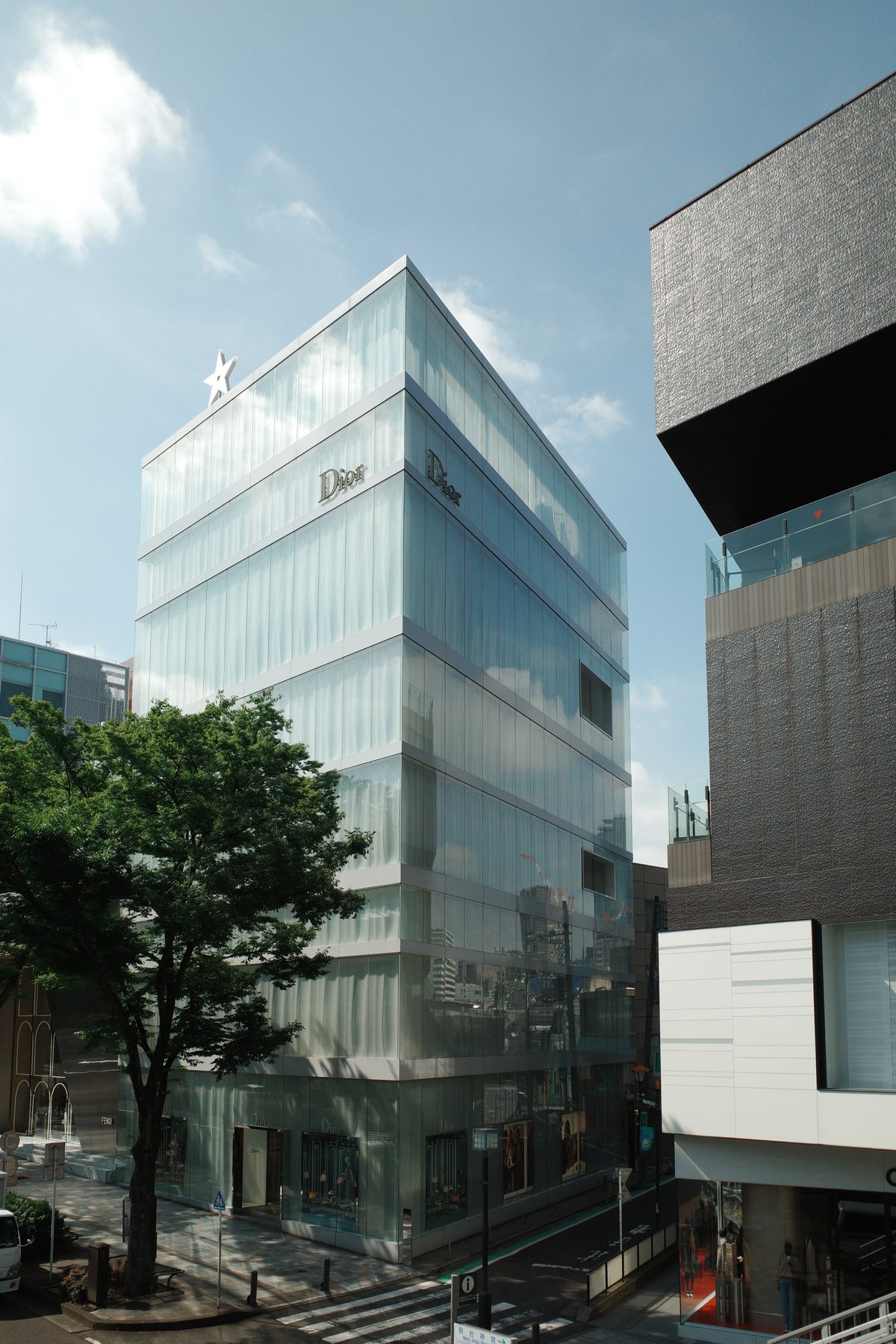
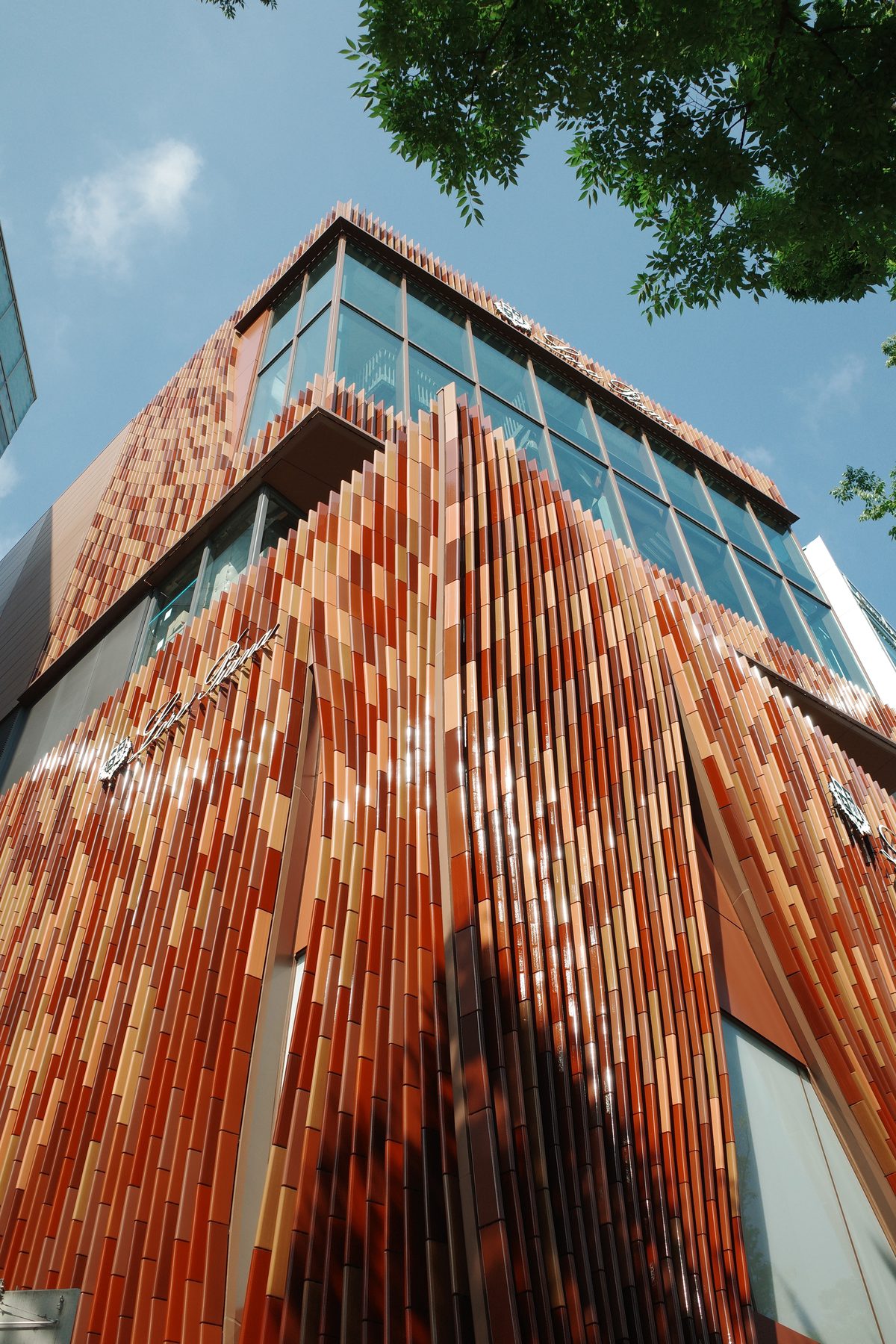
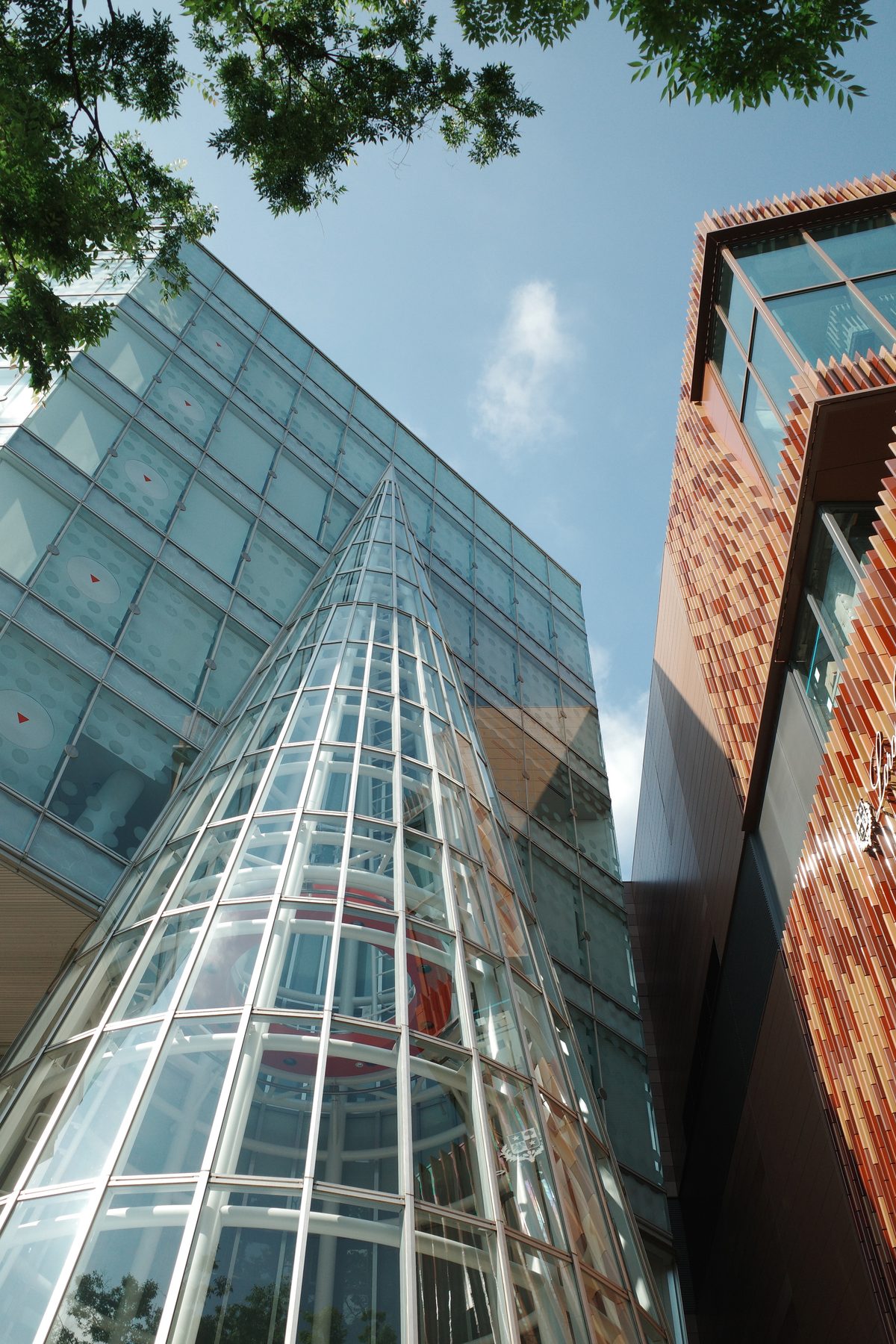
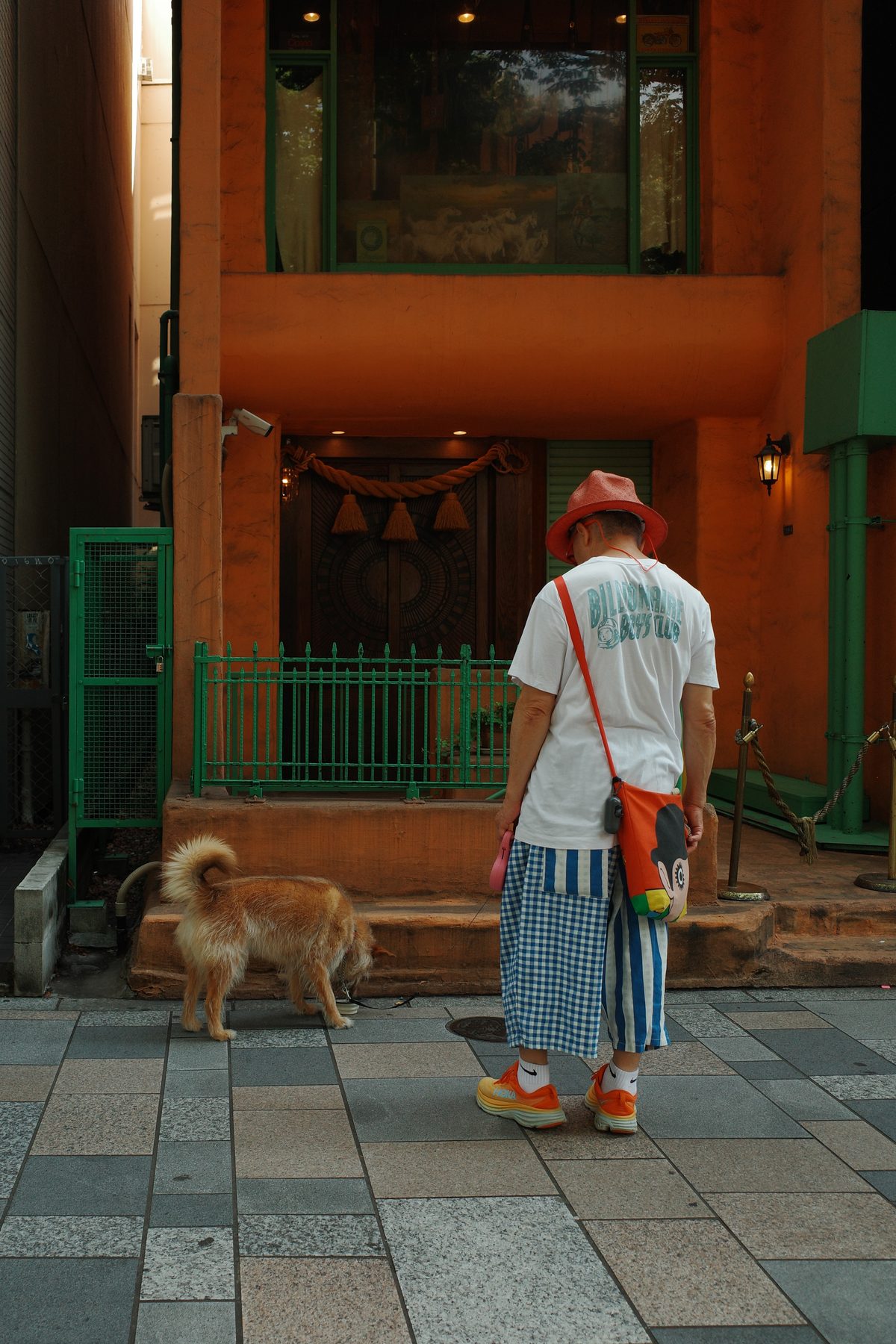
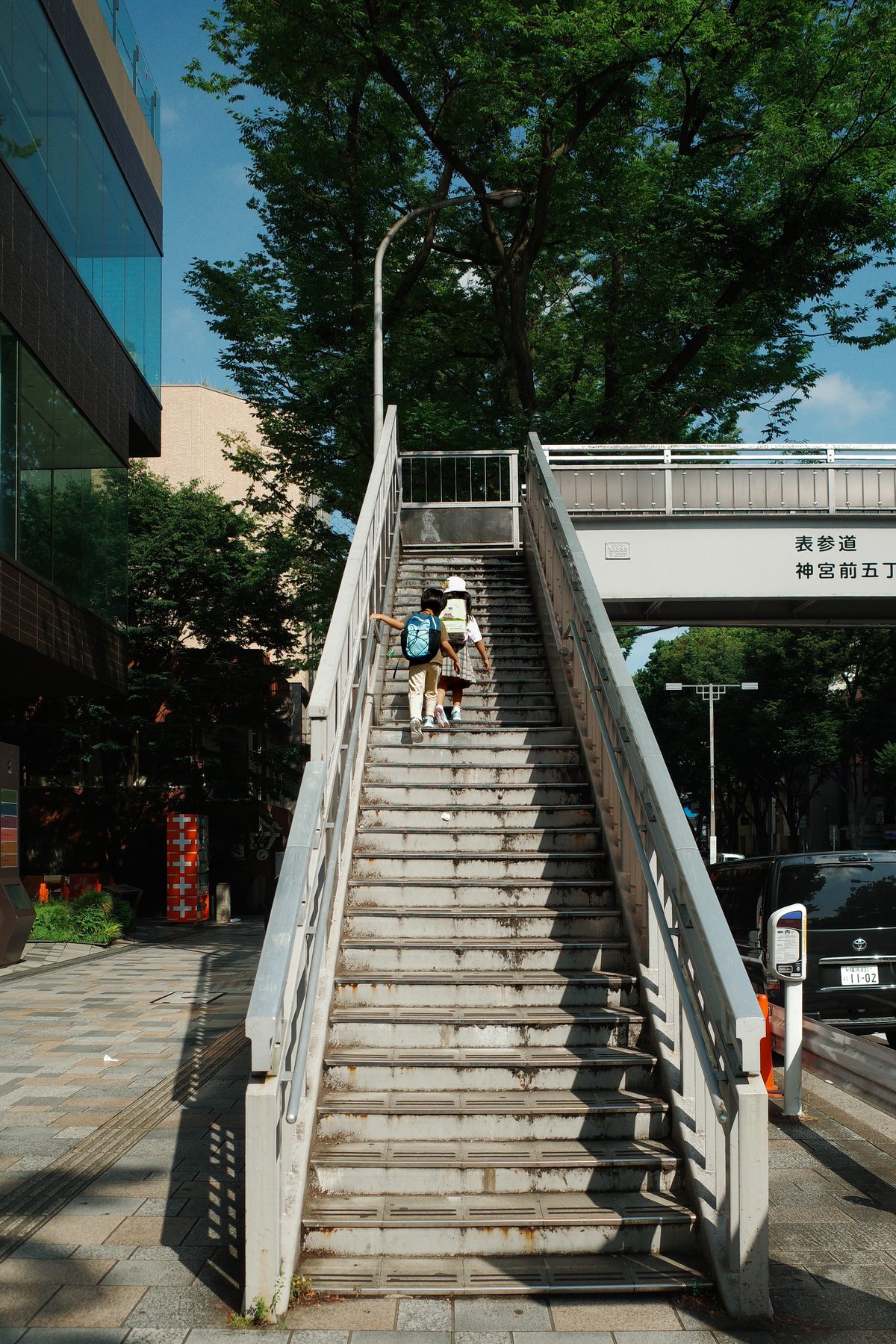
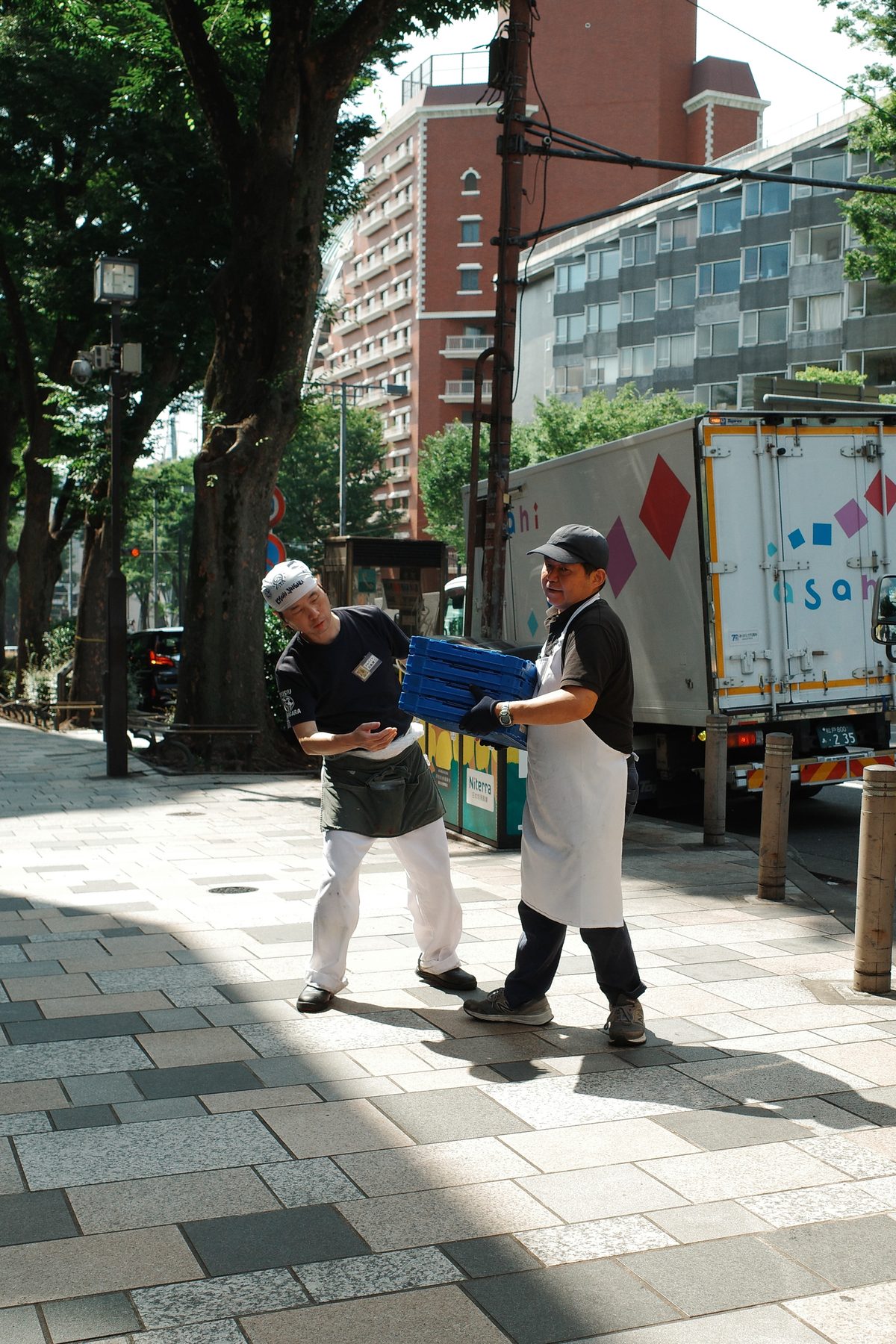
I started my first full day here, at seven in the morning. Omotesando is Tokyo's avenue of architecture, where the big fashion houses asked famous architects for their flagships. In the back streets: small buildings, bicycles and people walking their dogs.
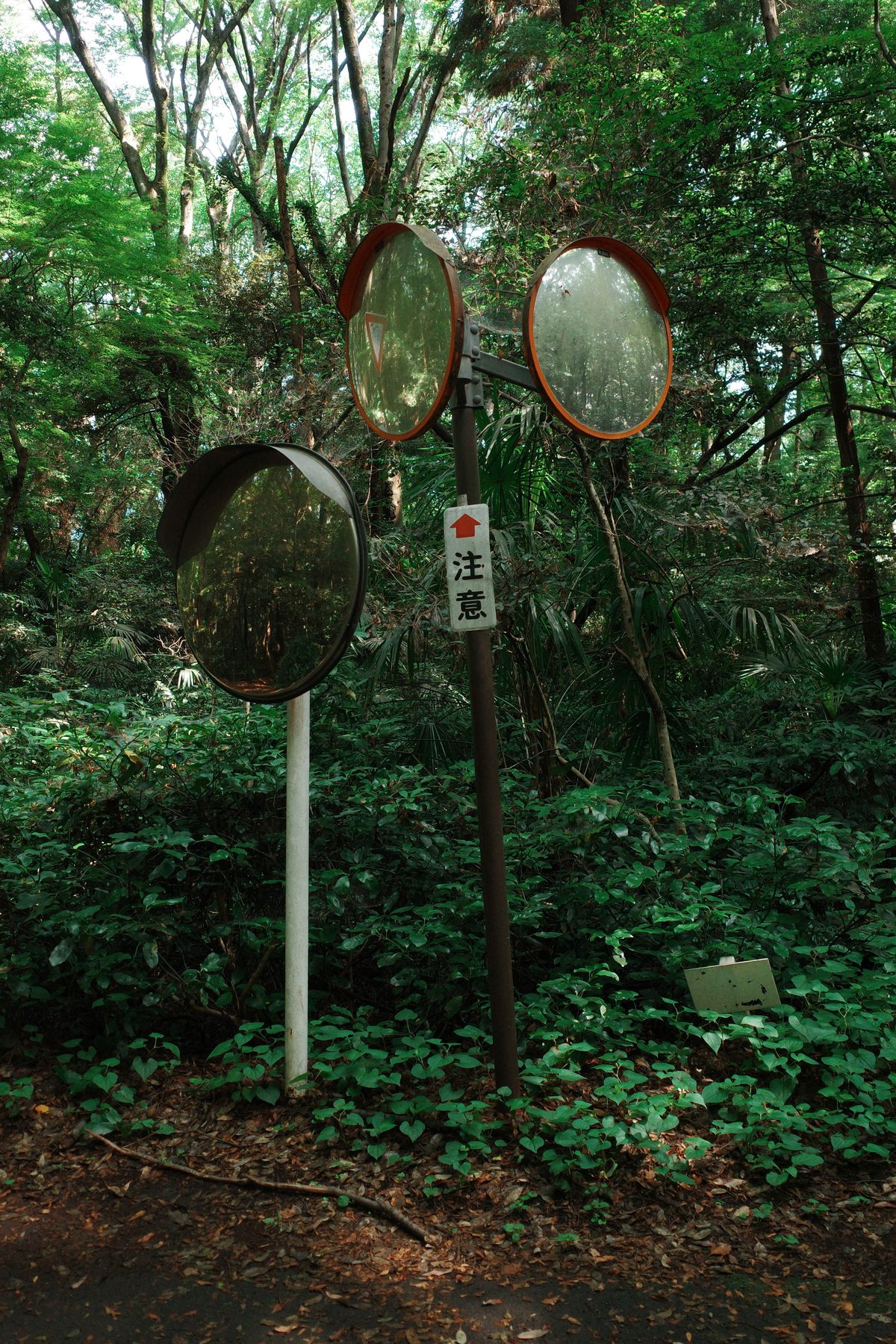
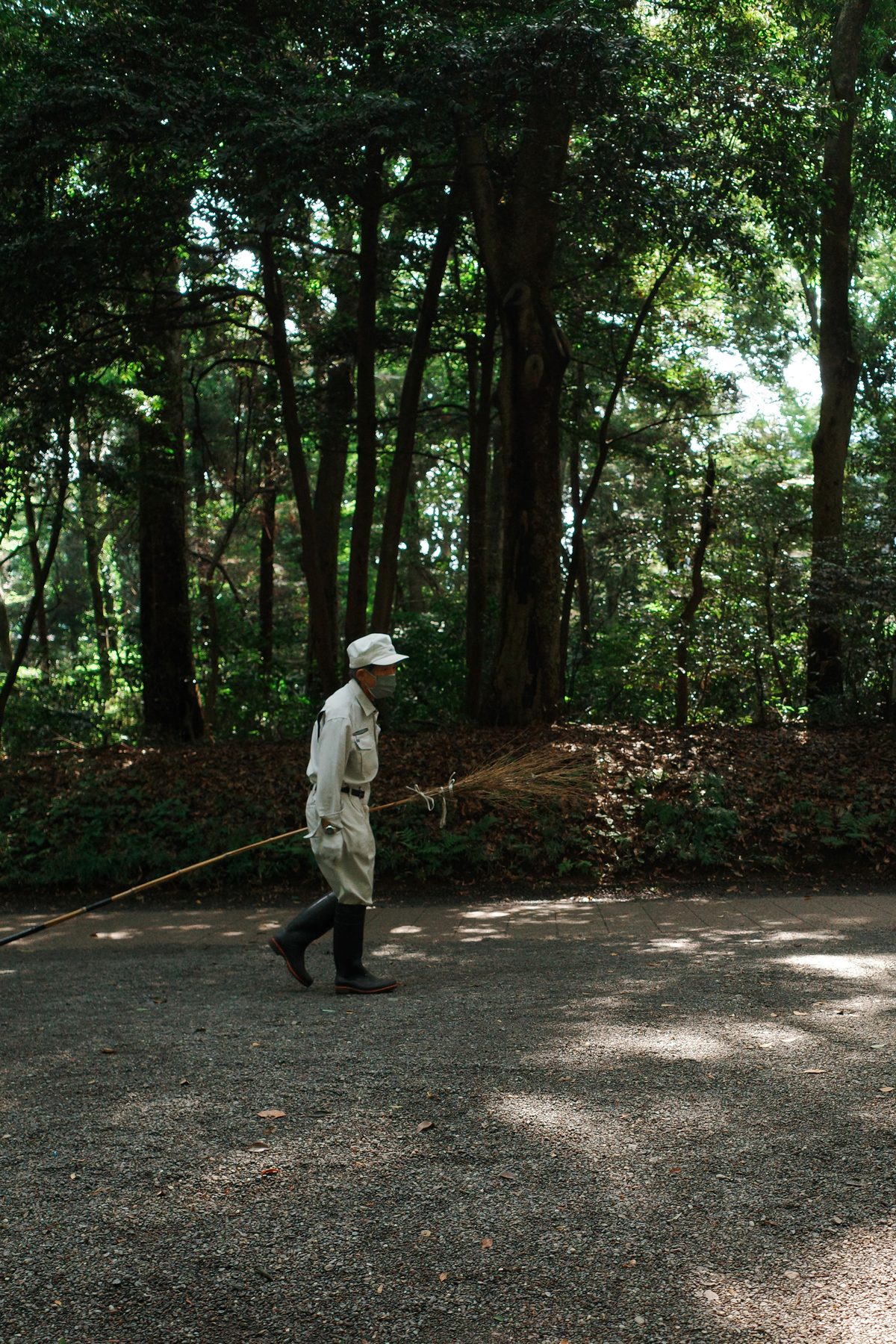
Meiji Jingu, at the end of the avenue, is a shrine inside a forest planted by hand a century ago, in the middle of the city. Free, open every day from sunrise to sunset (from 5am to 6:30pm in June).
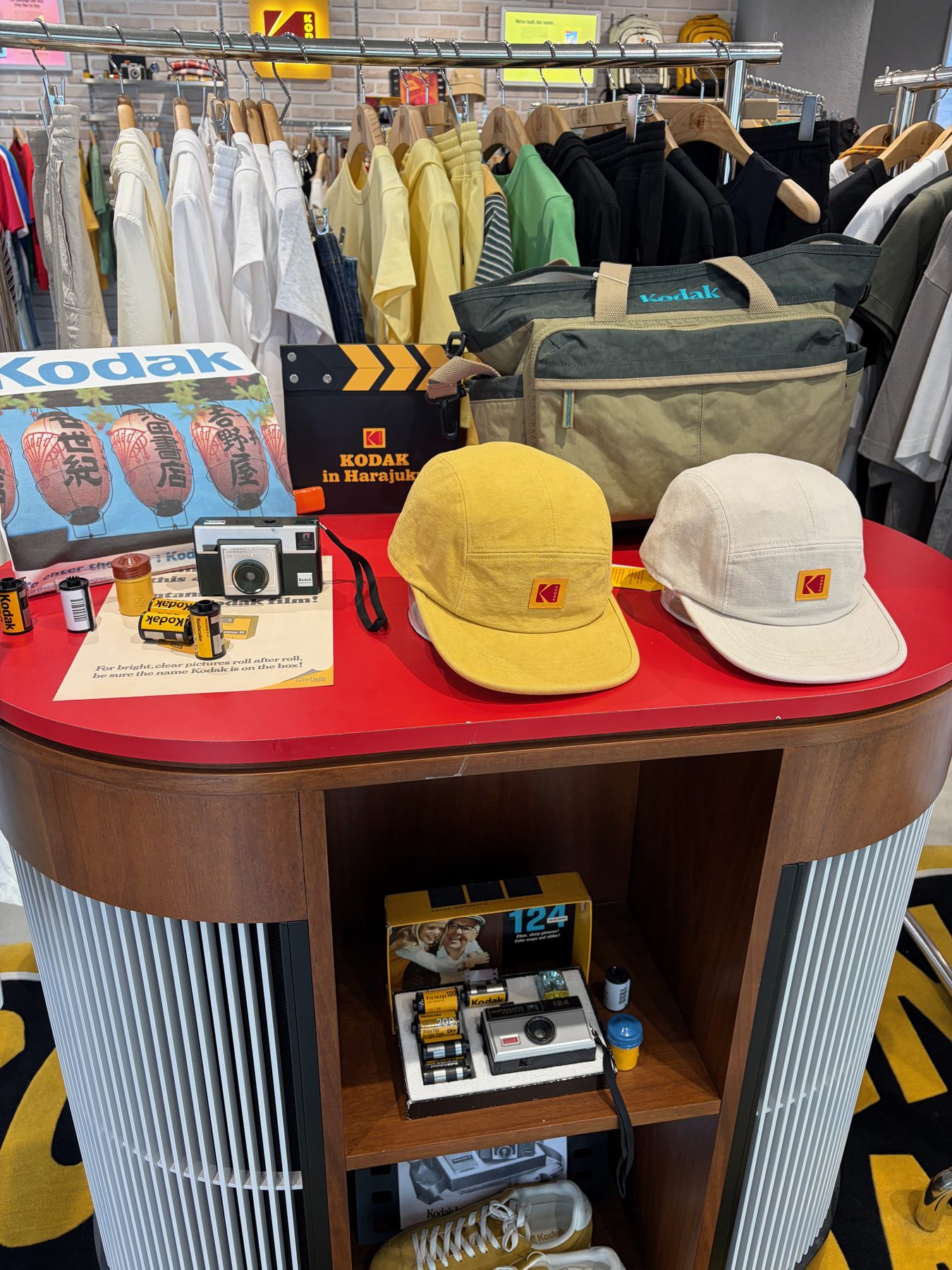
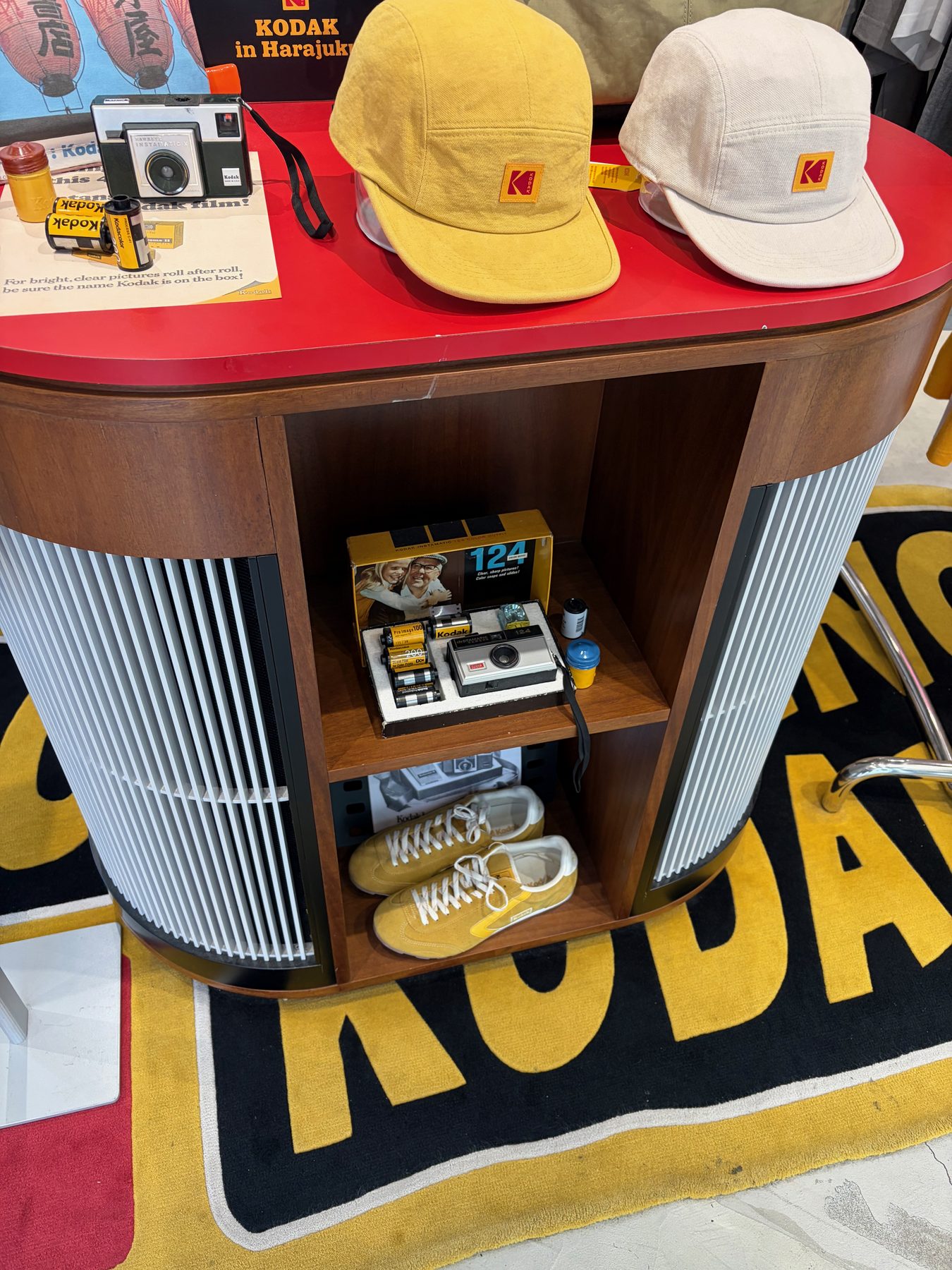
KODAK Harajuku Store, Jingumae 4-27-6, ground floor, the Kodak clothing and goods shop. 11am to 8pm.
Shibuya
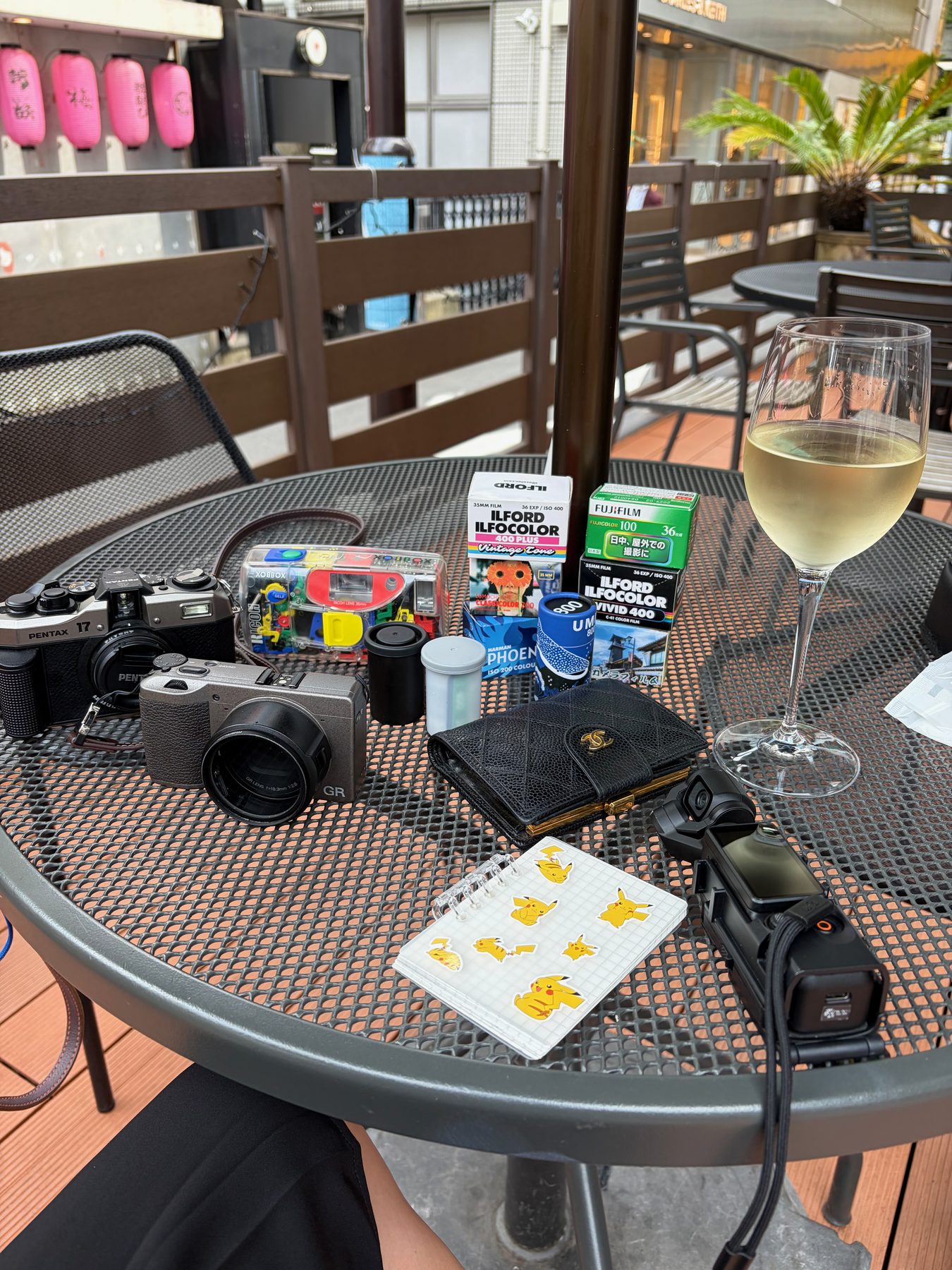
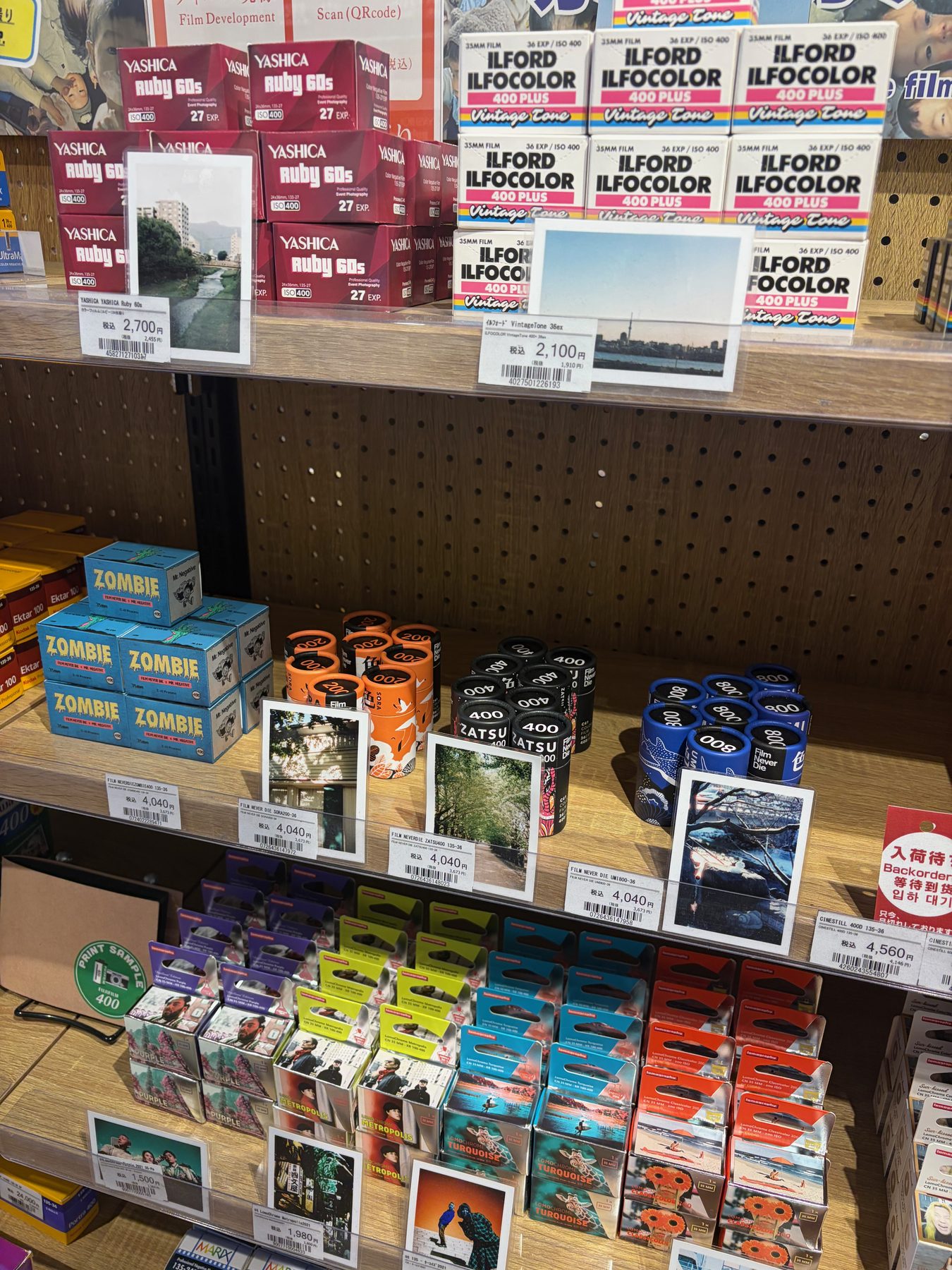
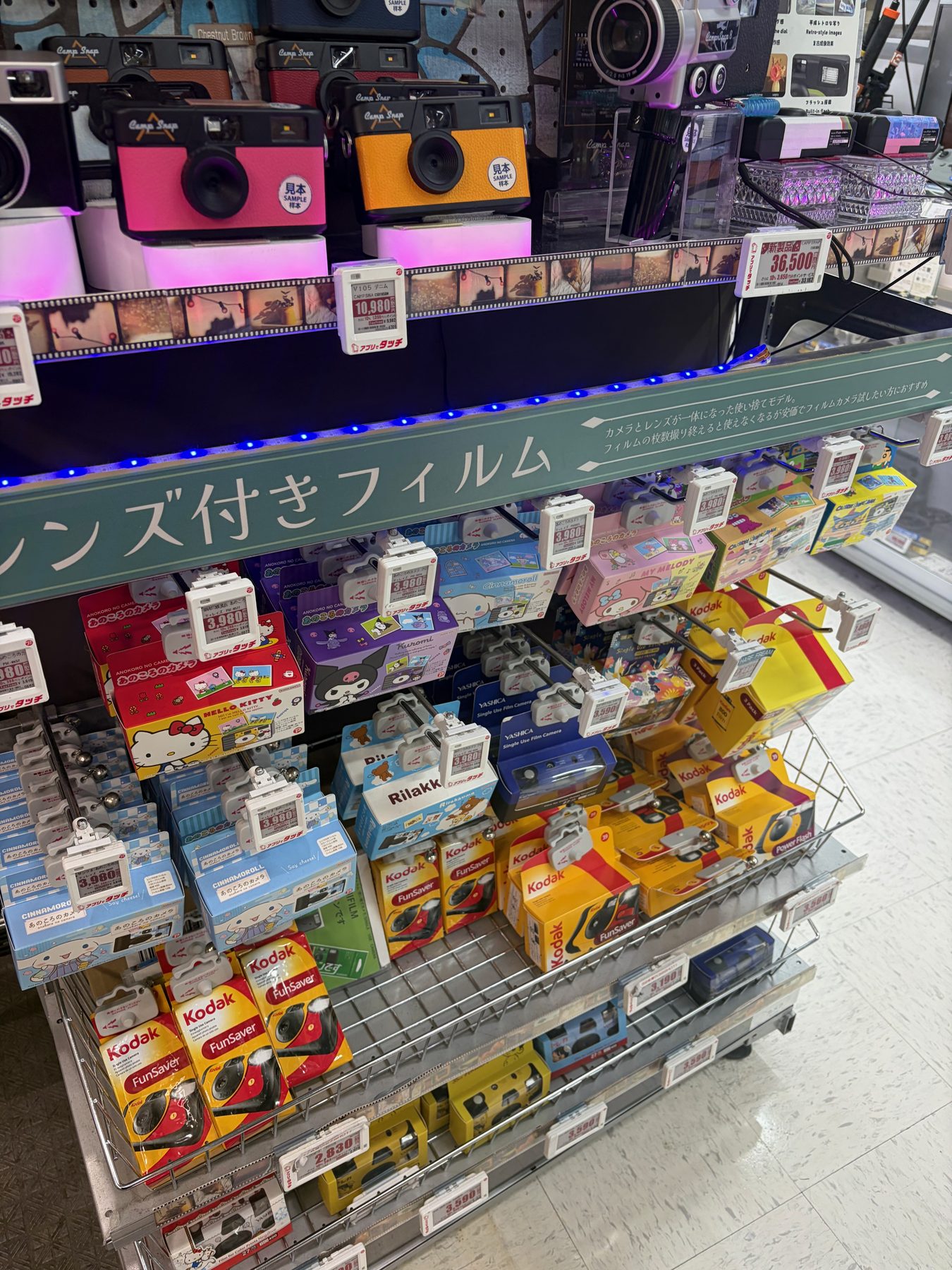
On my first trip, Shibuya was not my thing. This time I came for film.
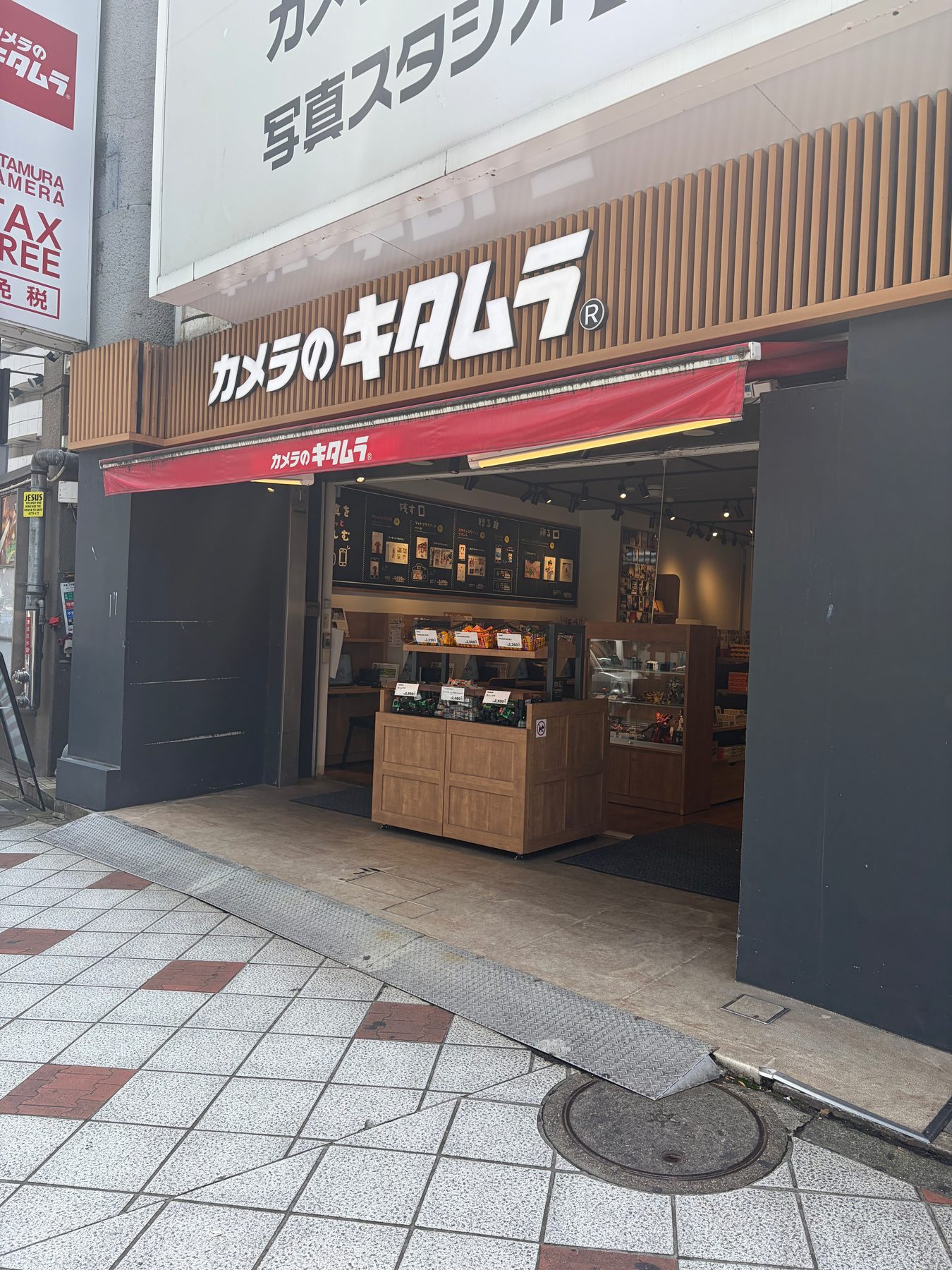
Camera no Kitamura, Shibuya, Dogenzaka 2-25-9, seven minutes on foot from Shibuya station. Several floors of cameras, used gear and a big choice of film, with film developing too. Tax free. 10am to 9pm.
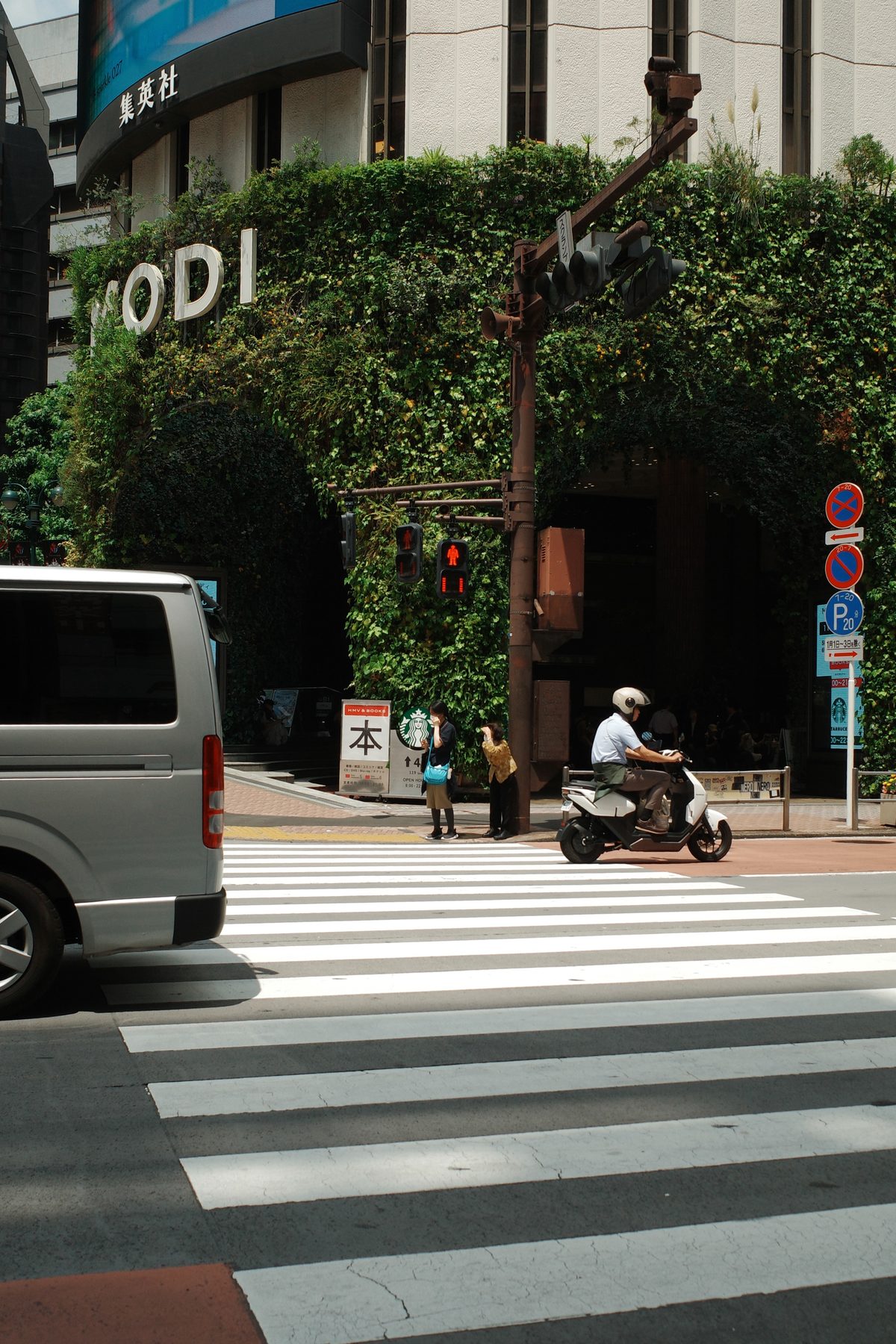
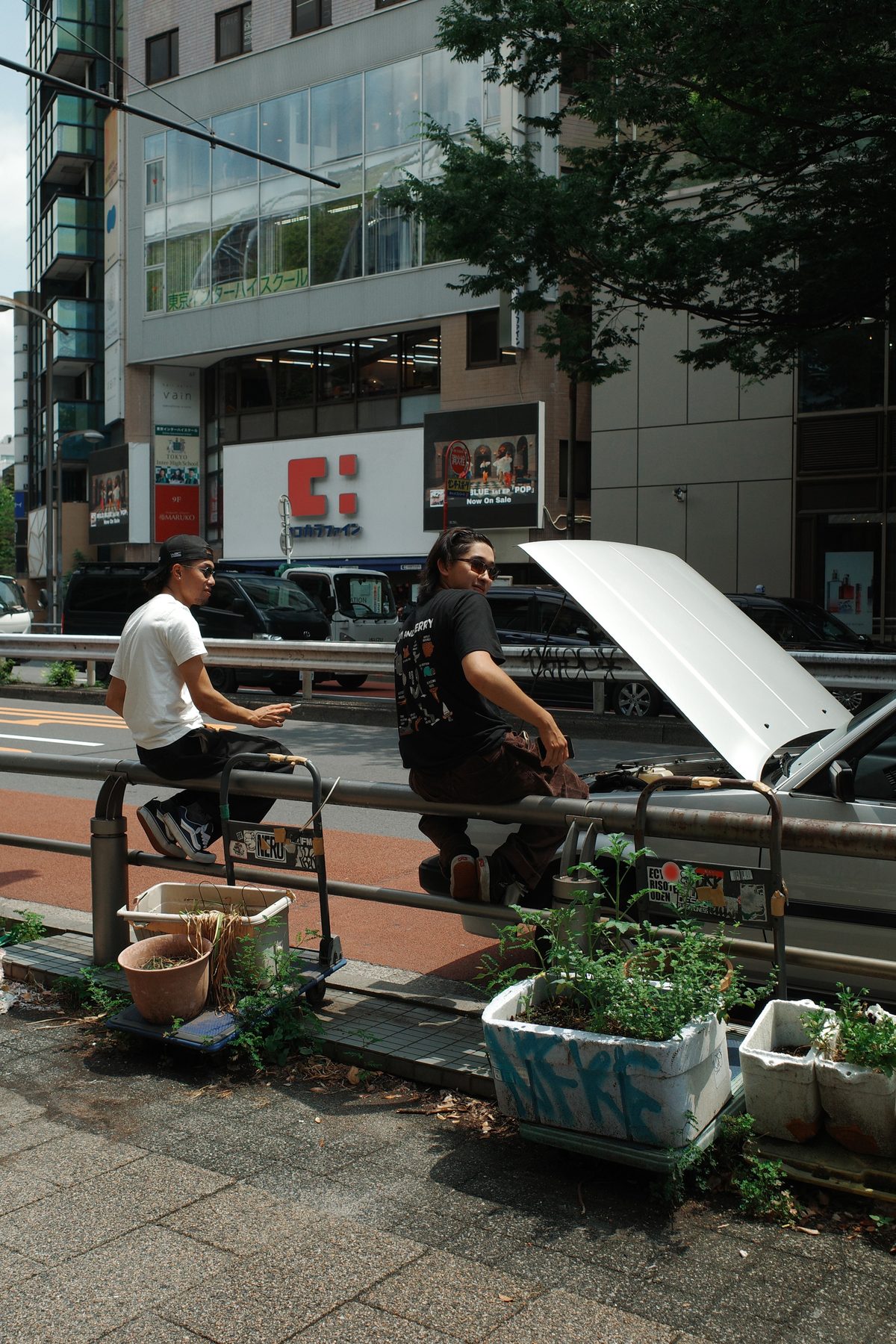
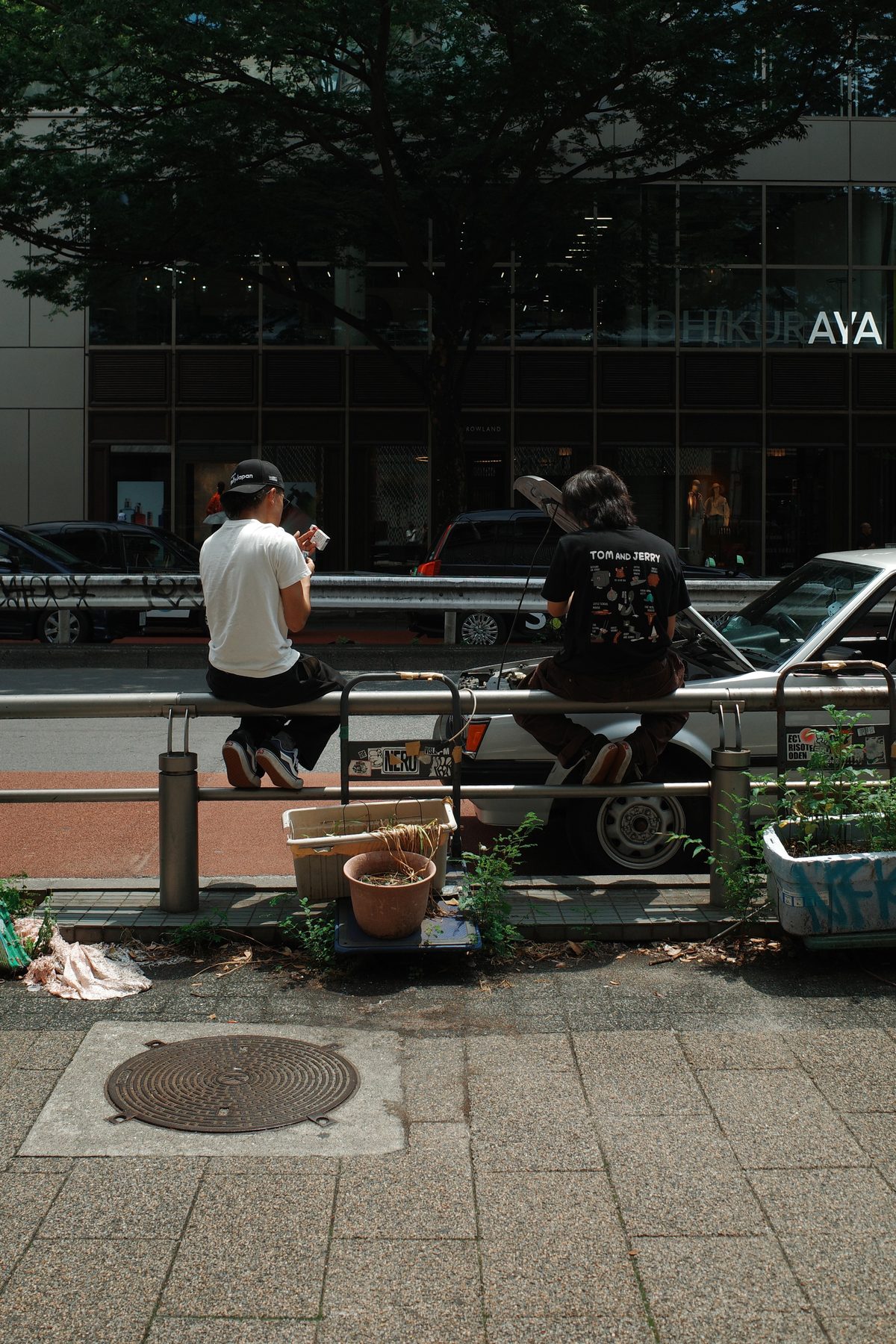
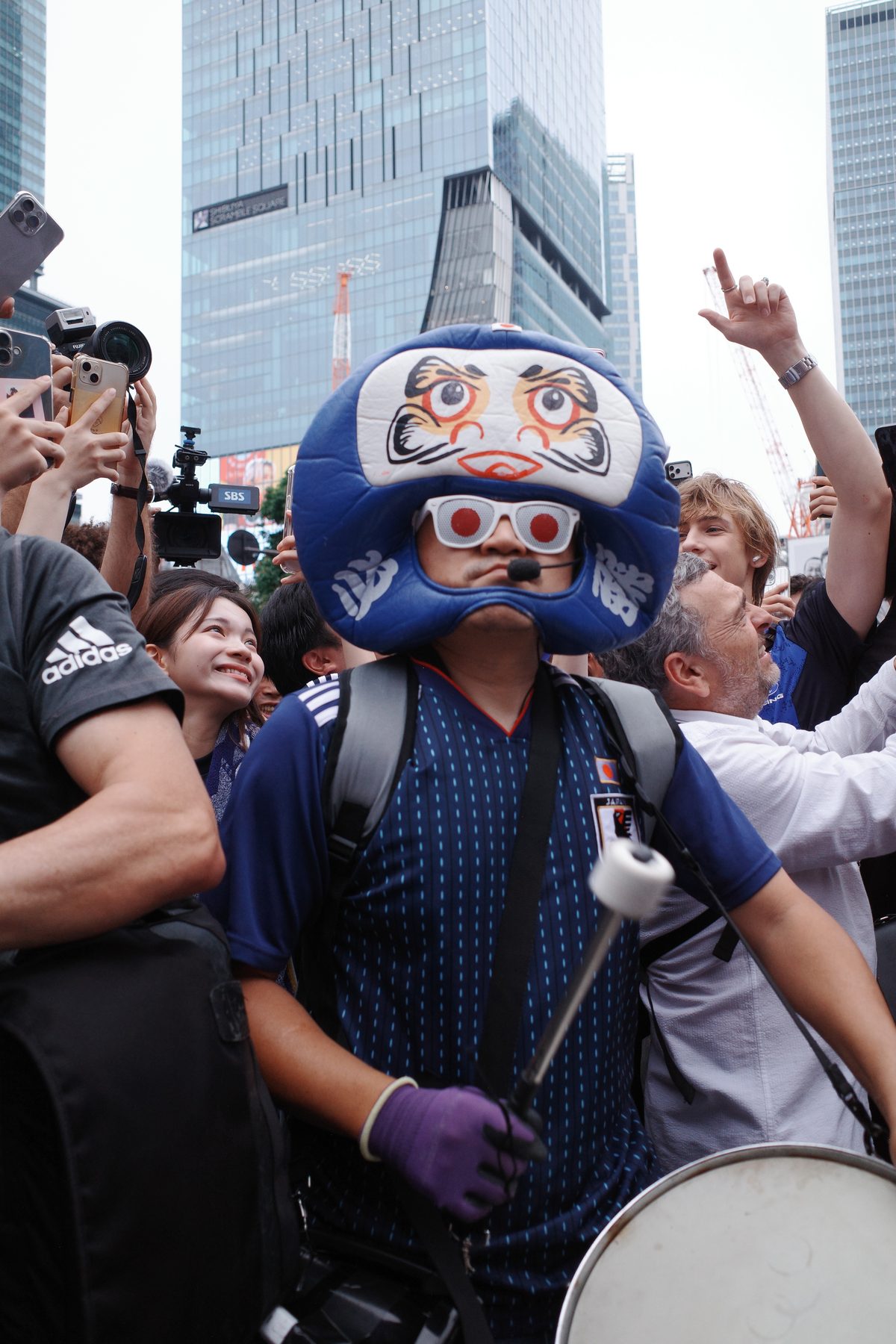
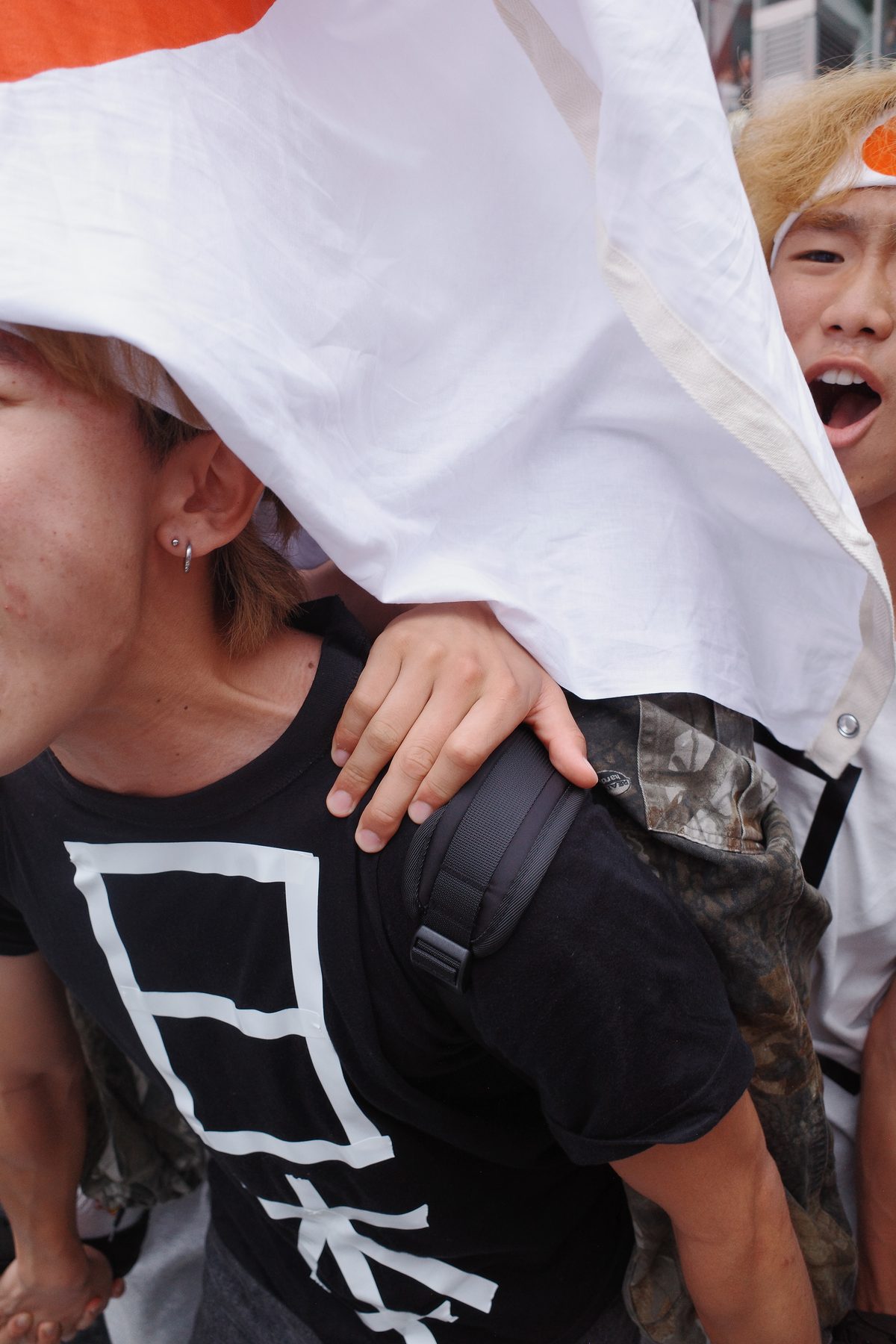
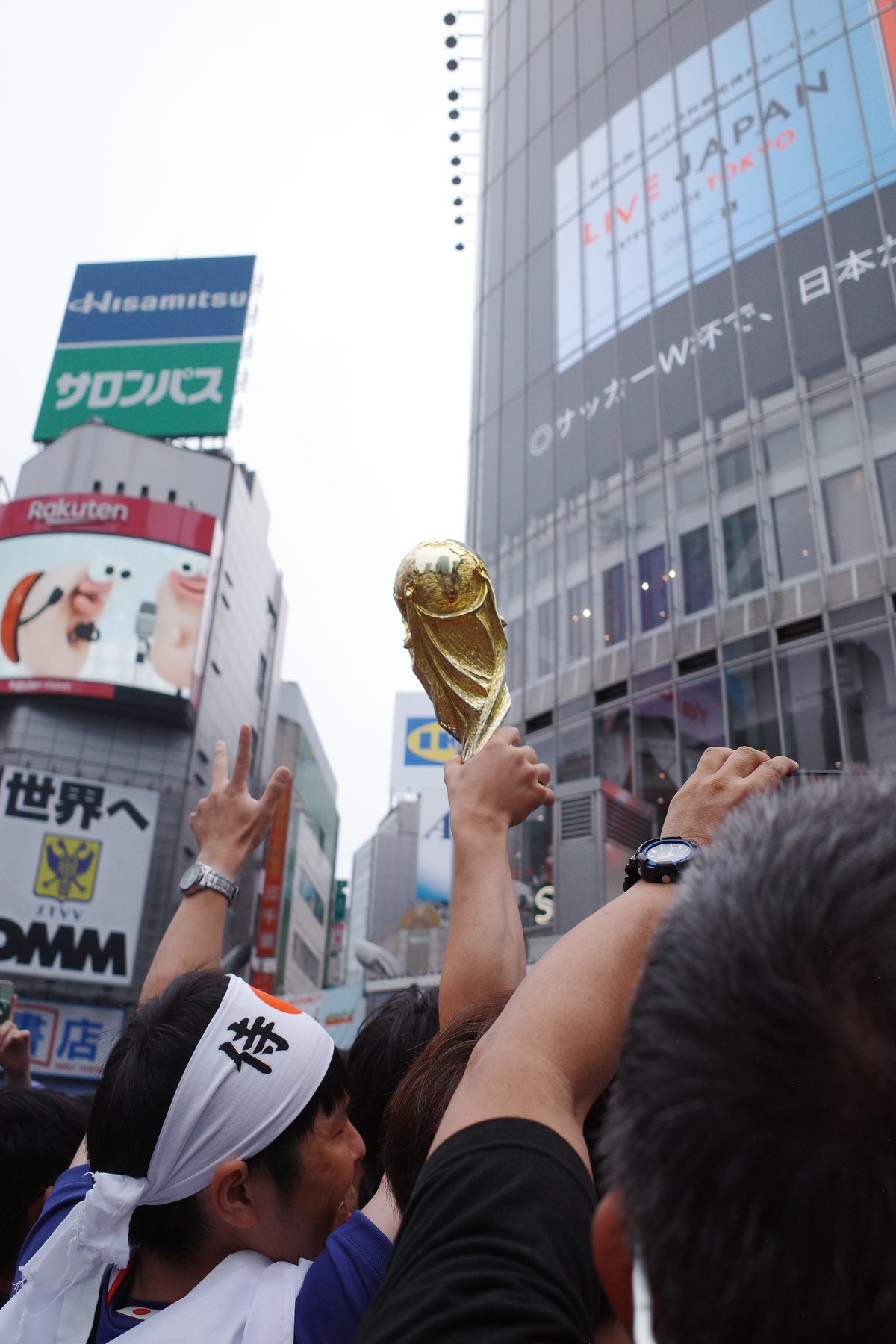
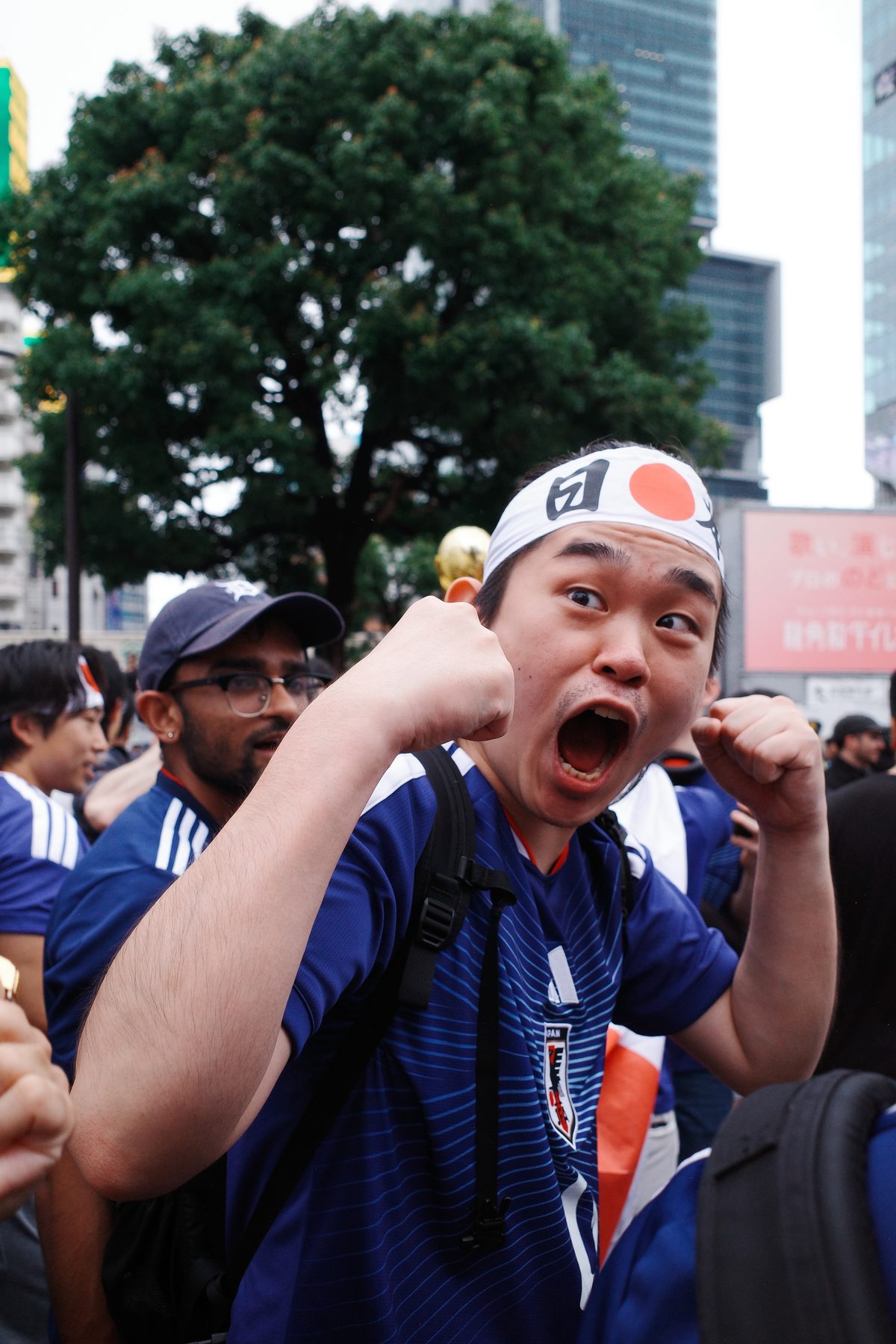
Shibuya, the day Japan won
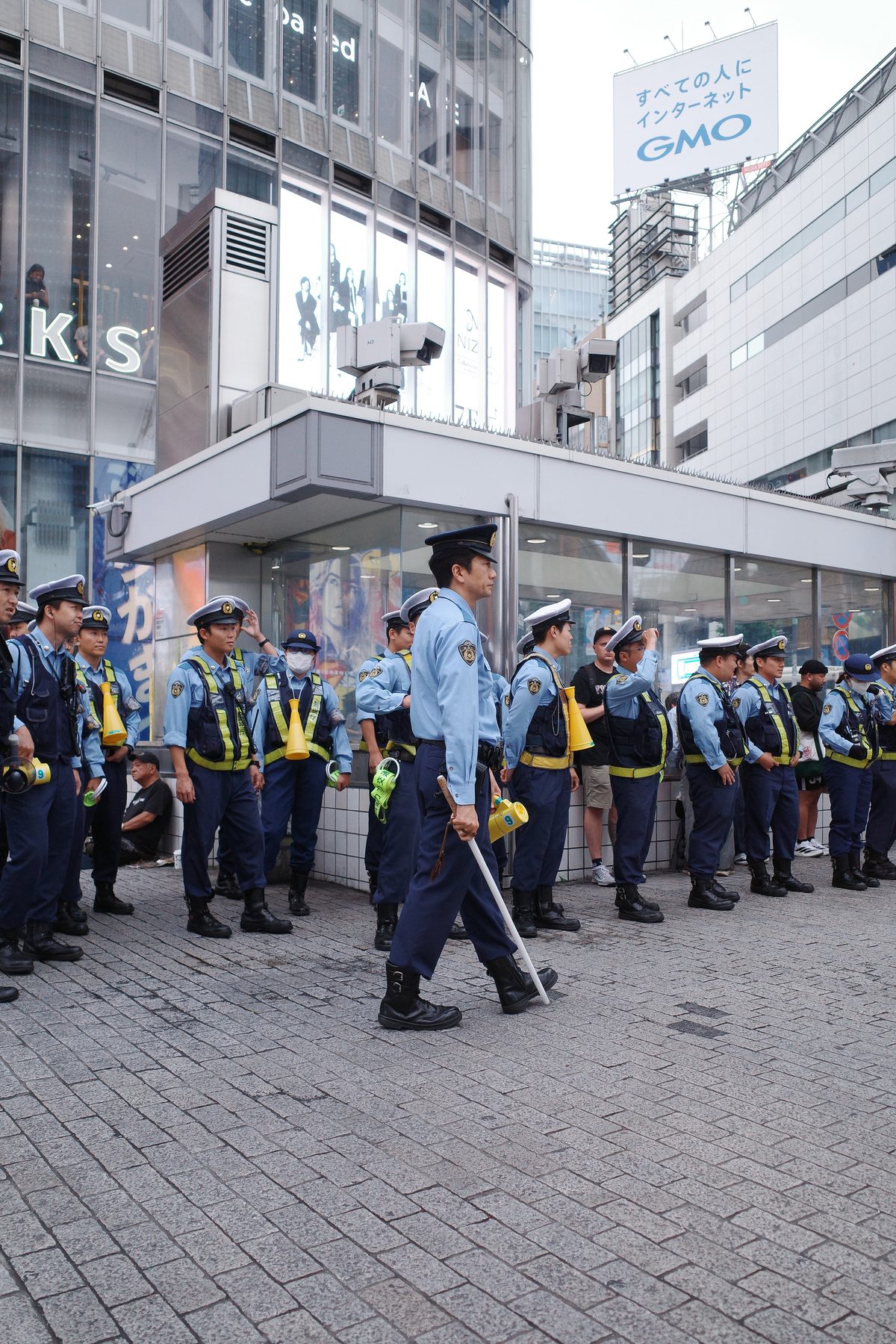
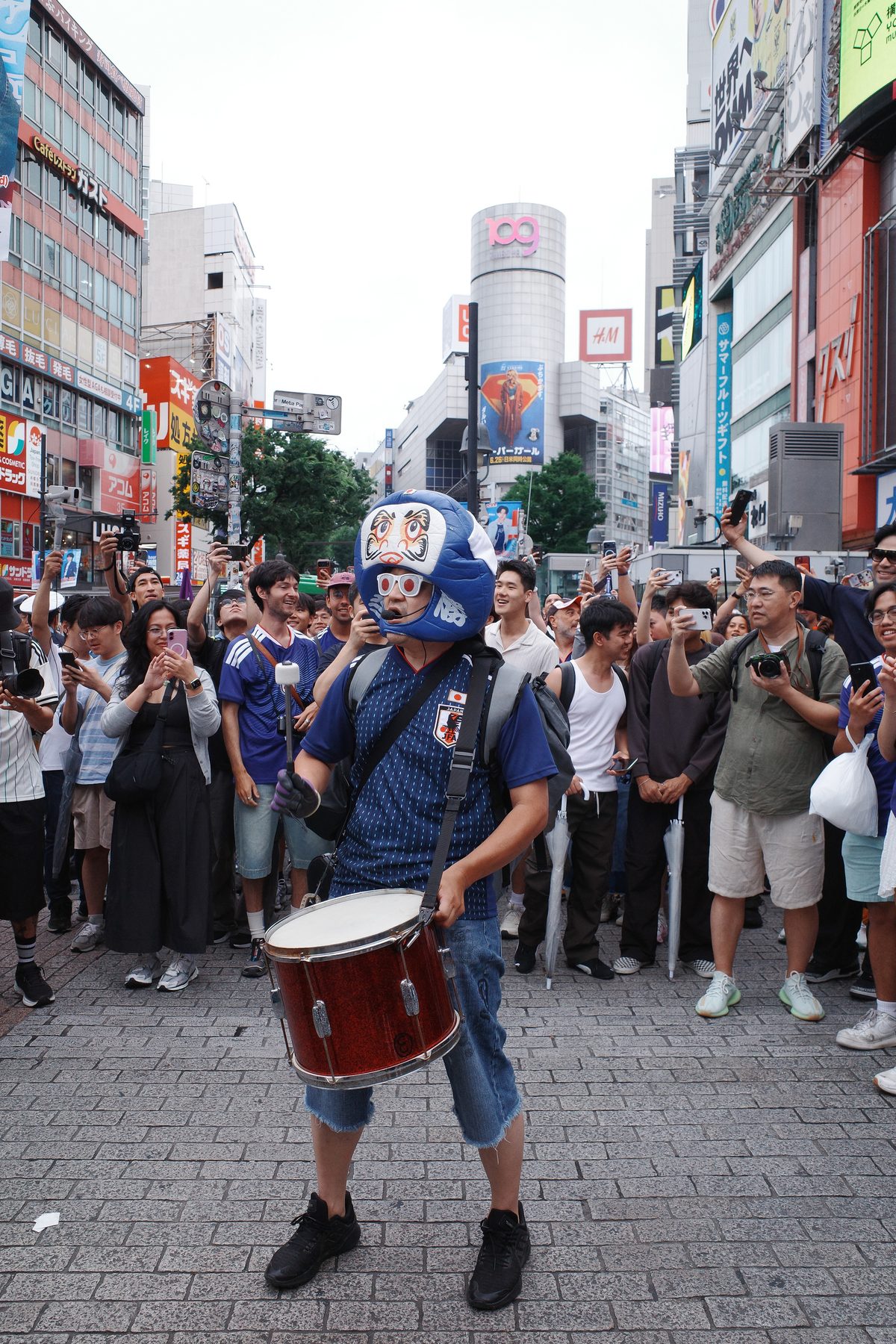
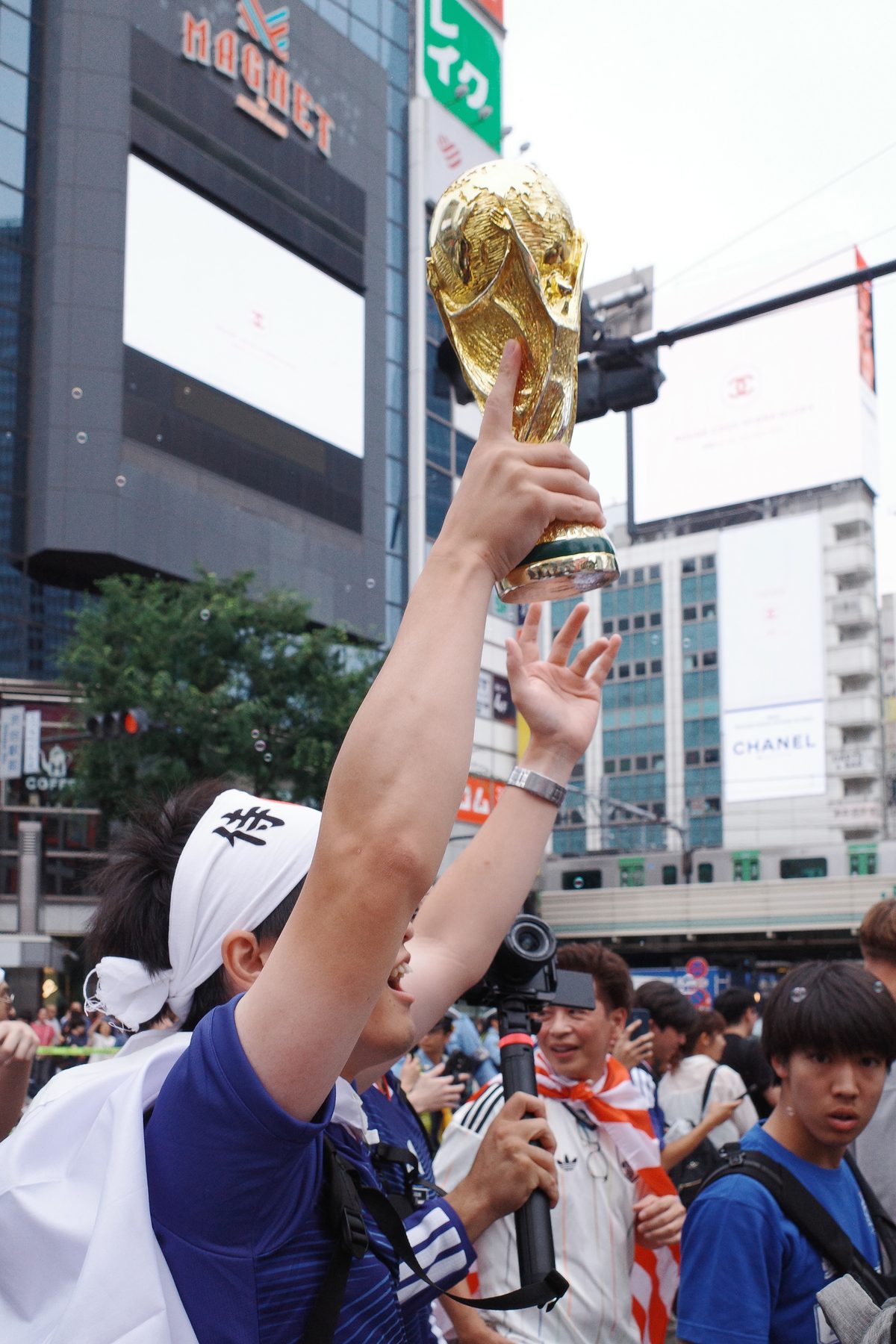
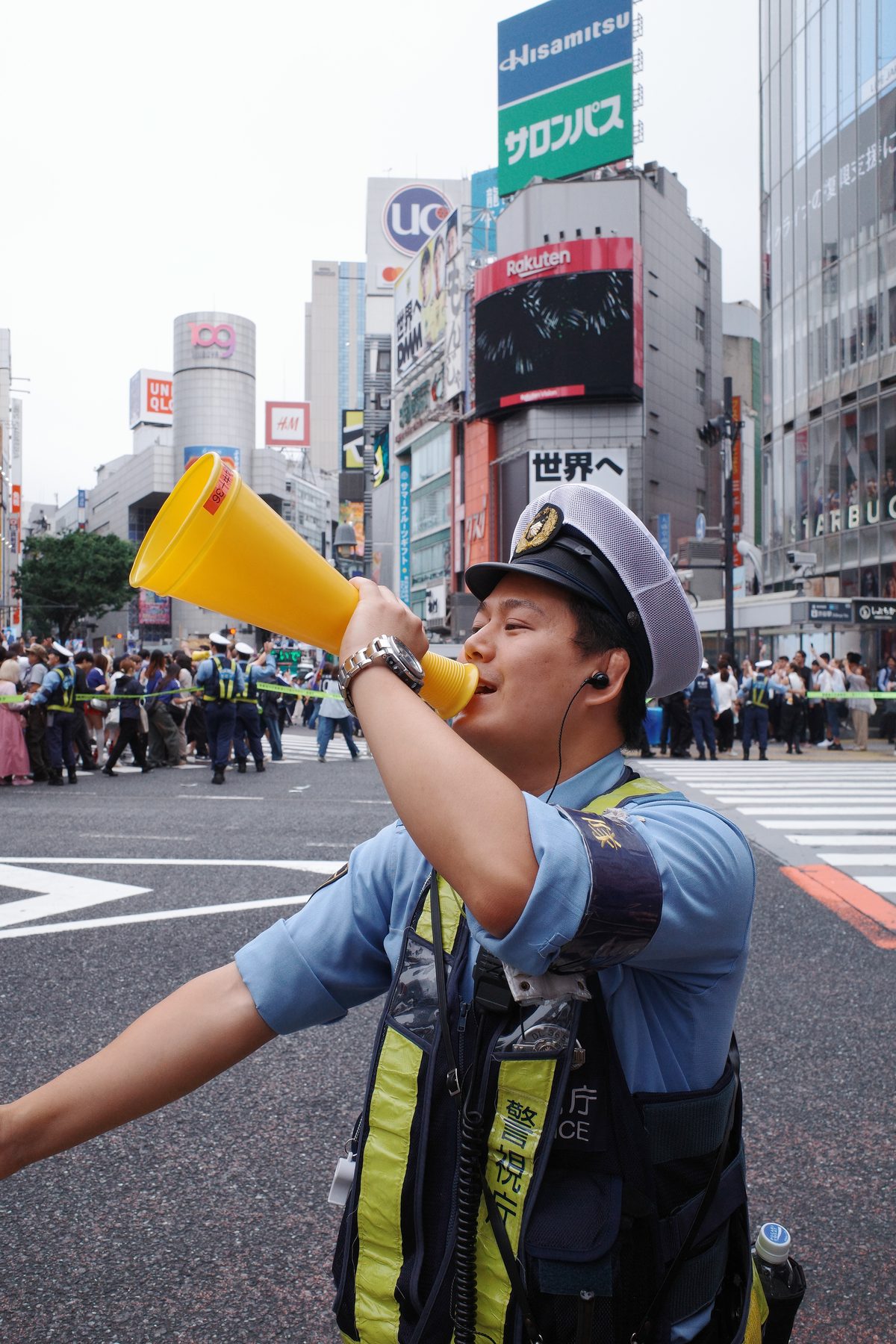
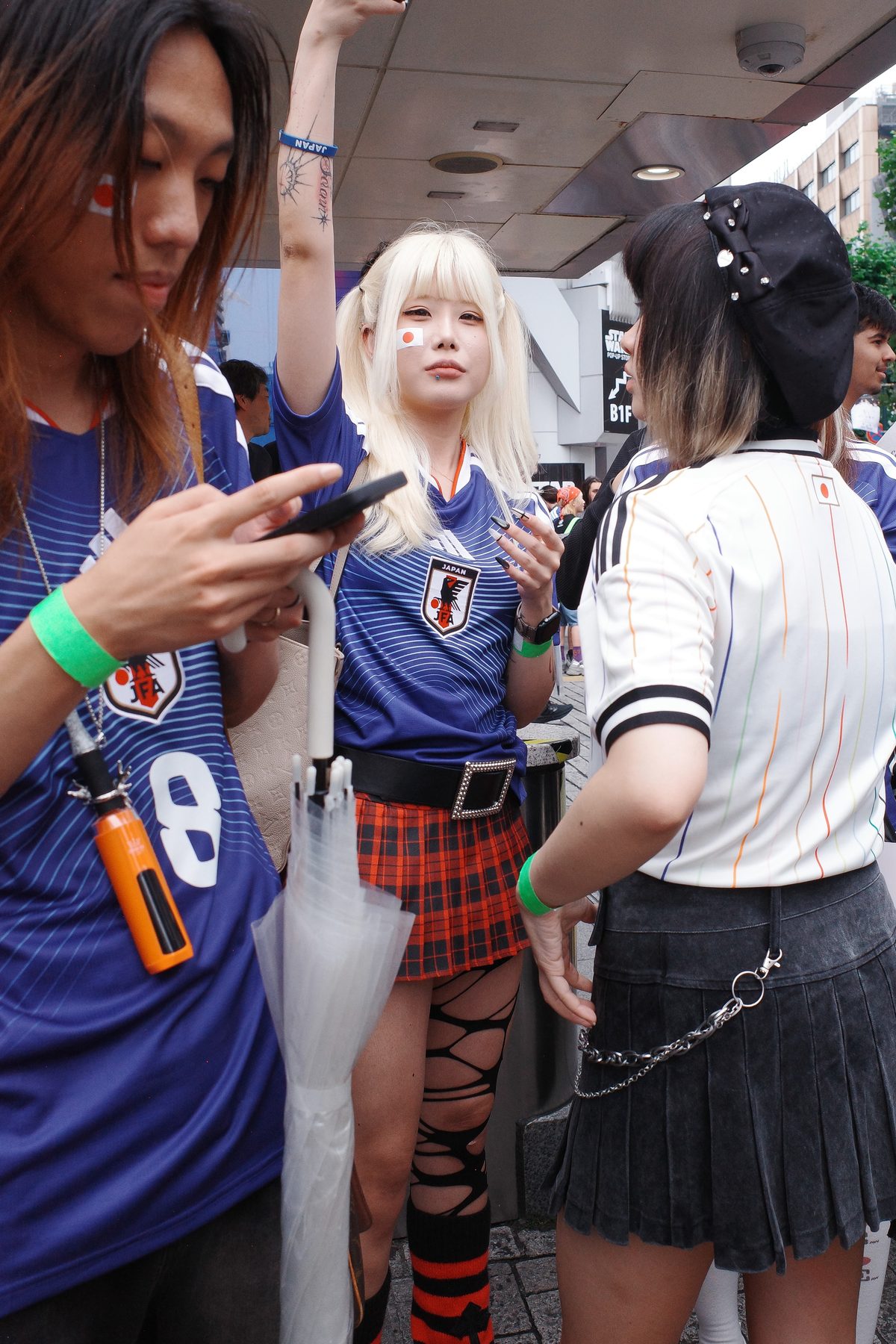
A Friday, 26 June, during the day. Japan had just won their football match, and the whole Shibuya crossing was out in the street, celebrating: drums, flags, replica trophies, and the police with megaphones trying to keep the crossing moving.
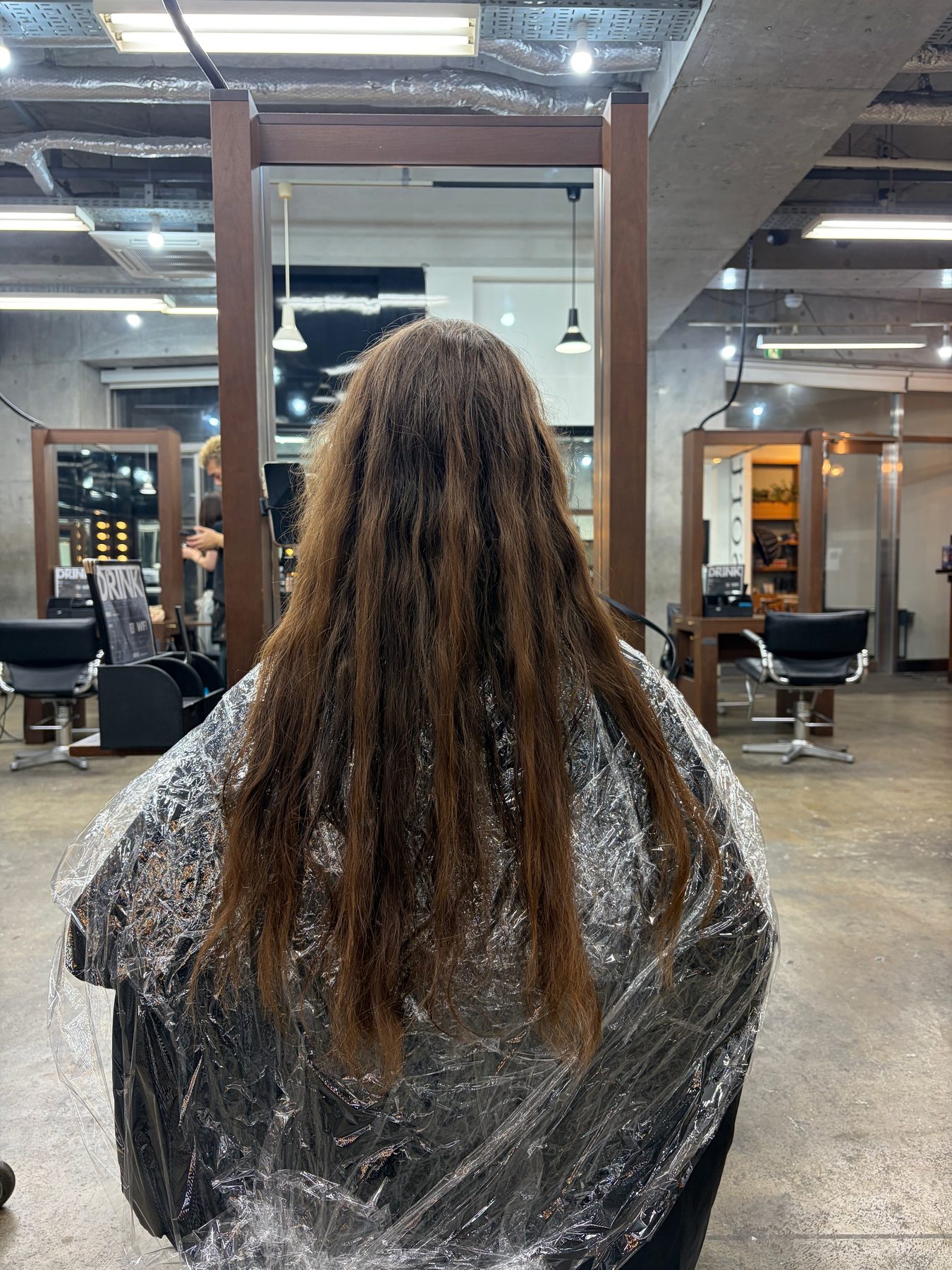
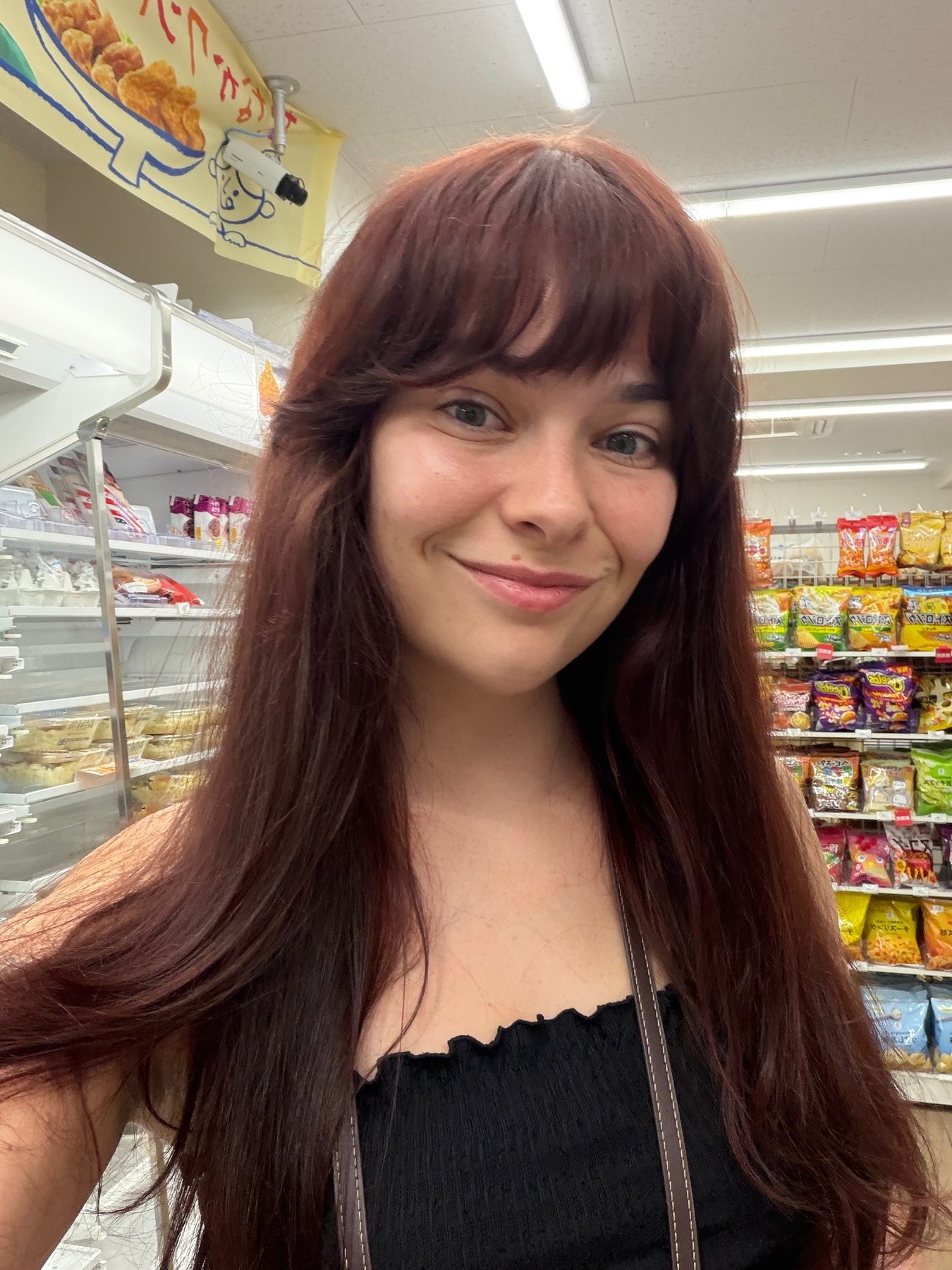
Gaiemmae: a haircut in Tokyo
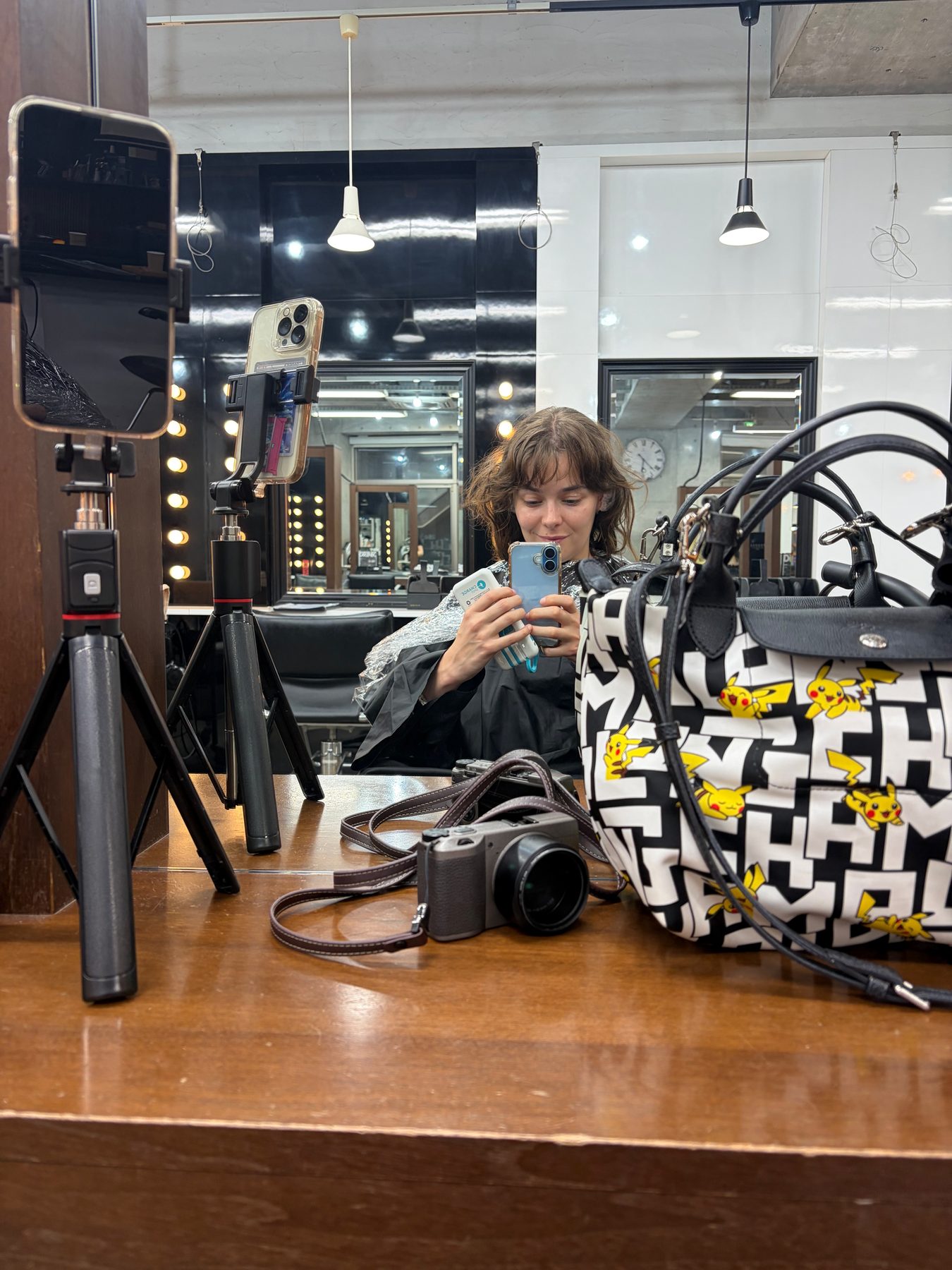
ASSORT Tokyo, a hair salon with English-speaking stylists. Kita-Aoyama 2-10-28, basement, four minutes on foot from Gaiemmae station. Closed on Mondays.
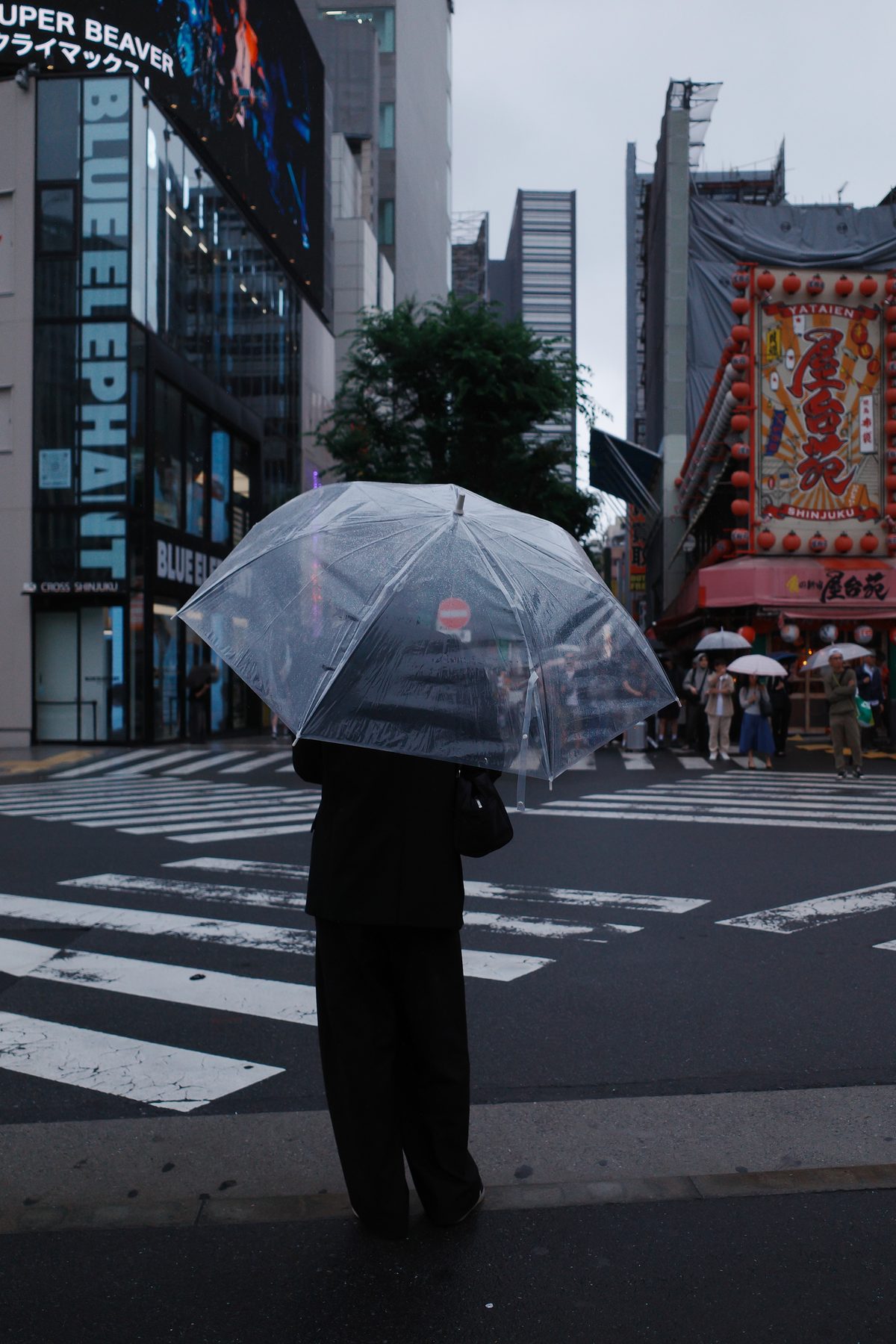
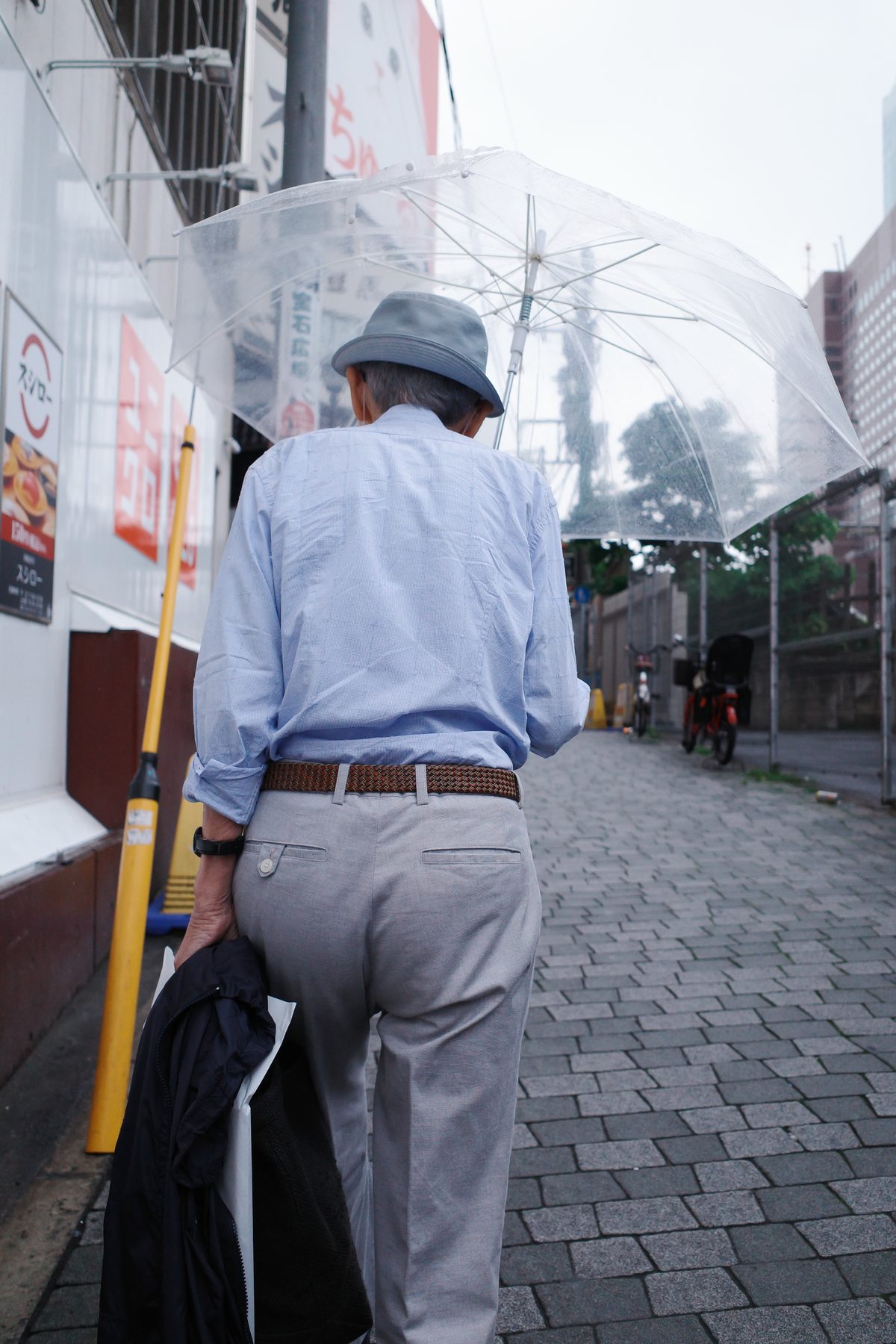
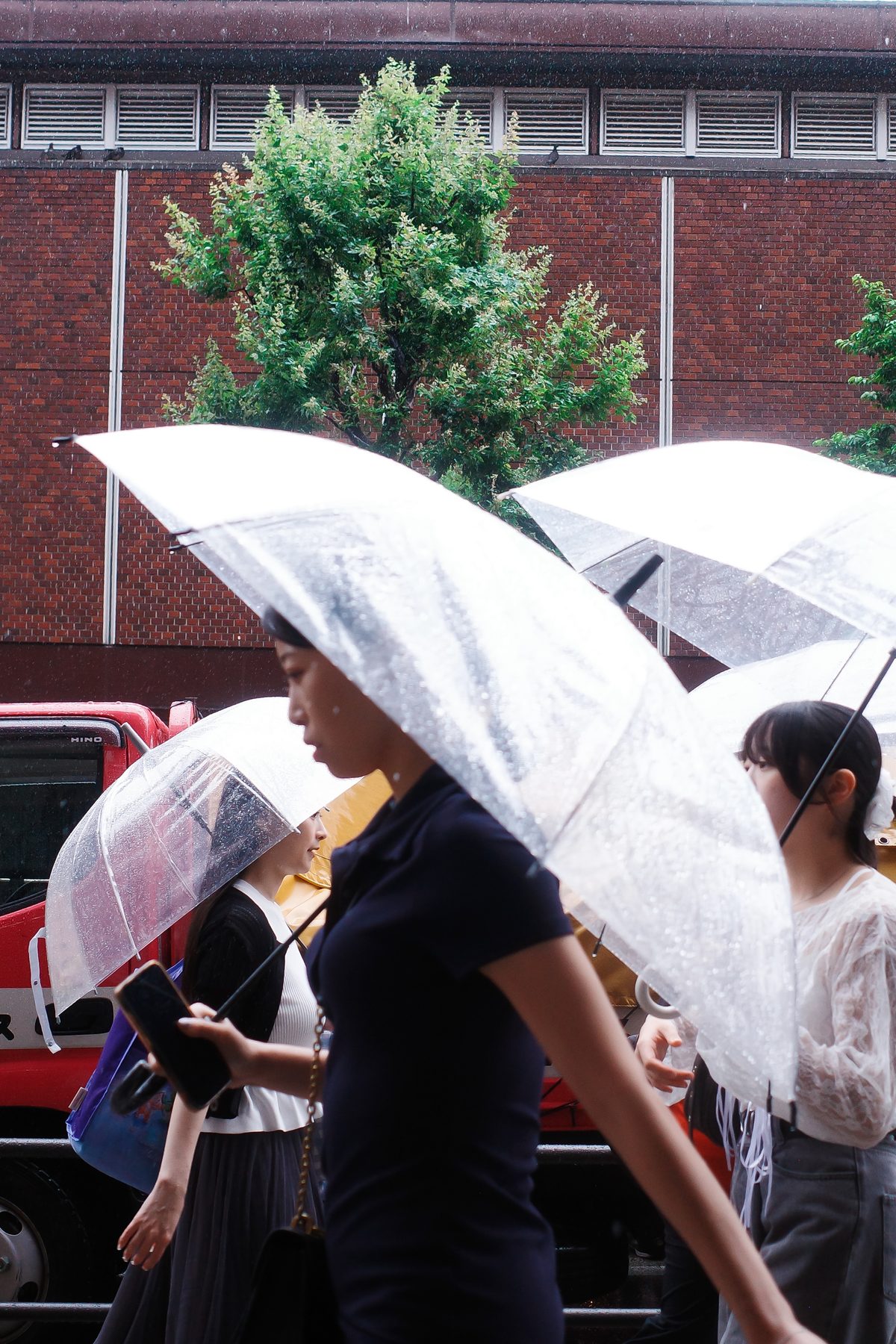
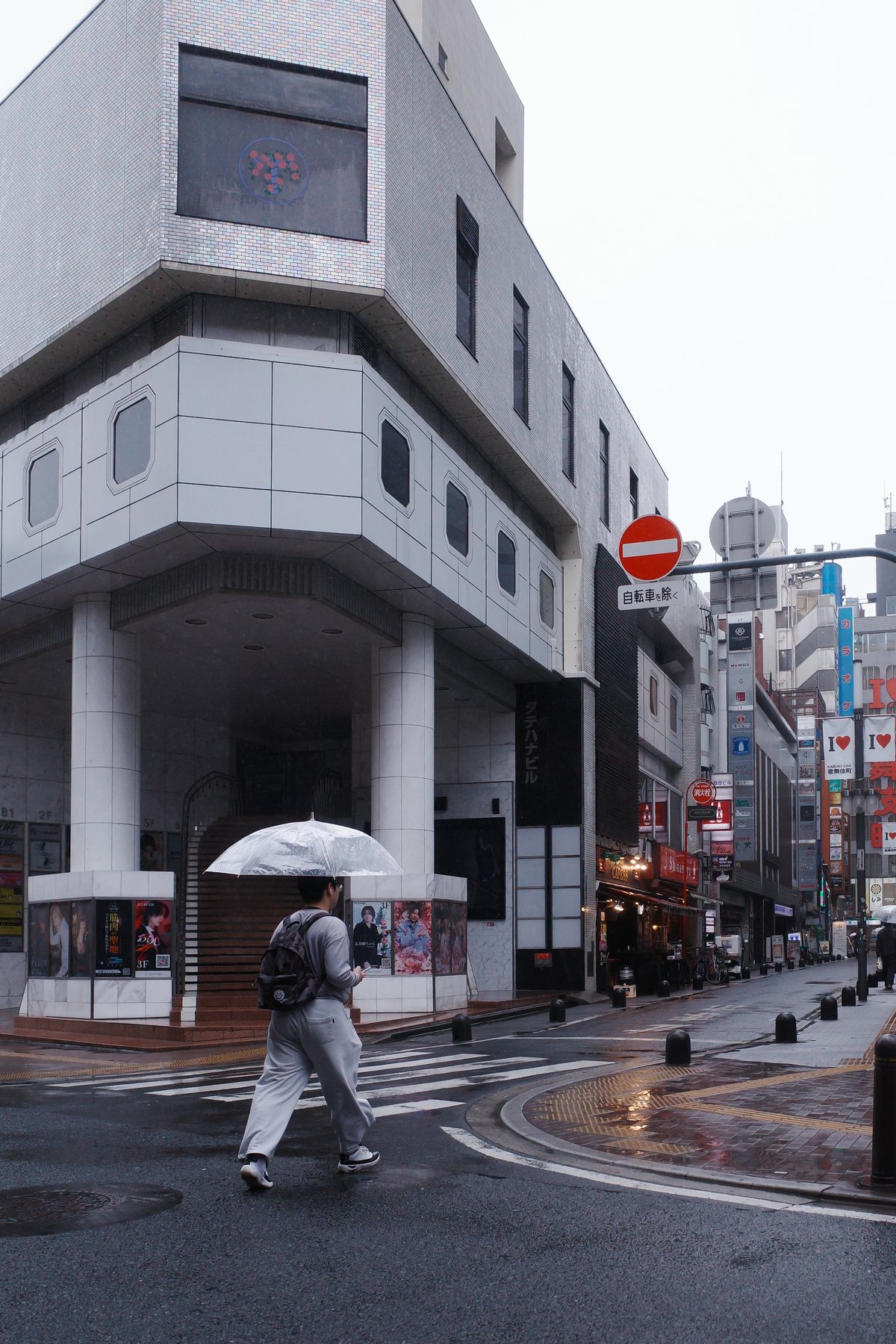
Shinjuku and Kabukicho, in the rain
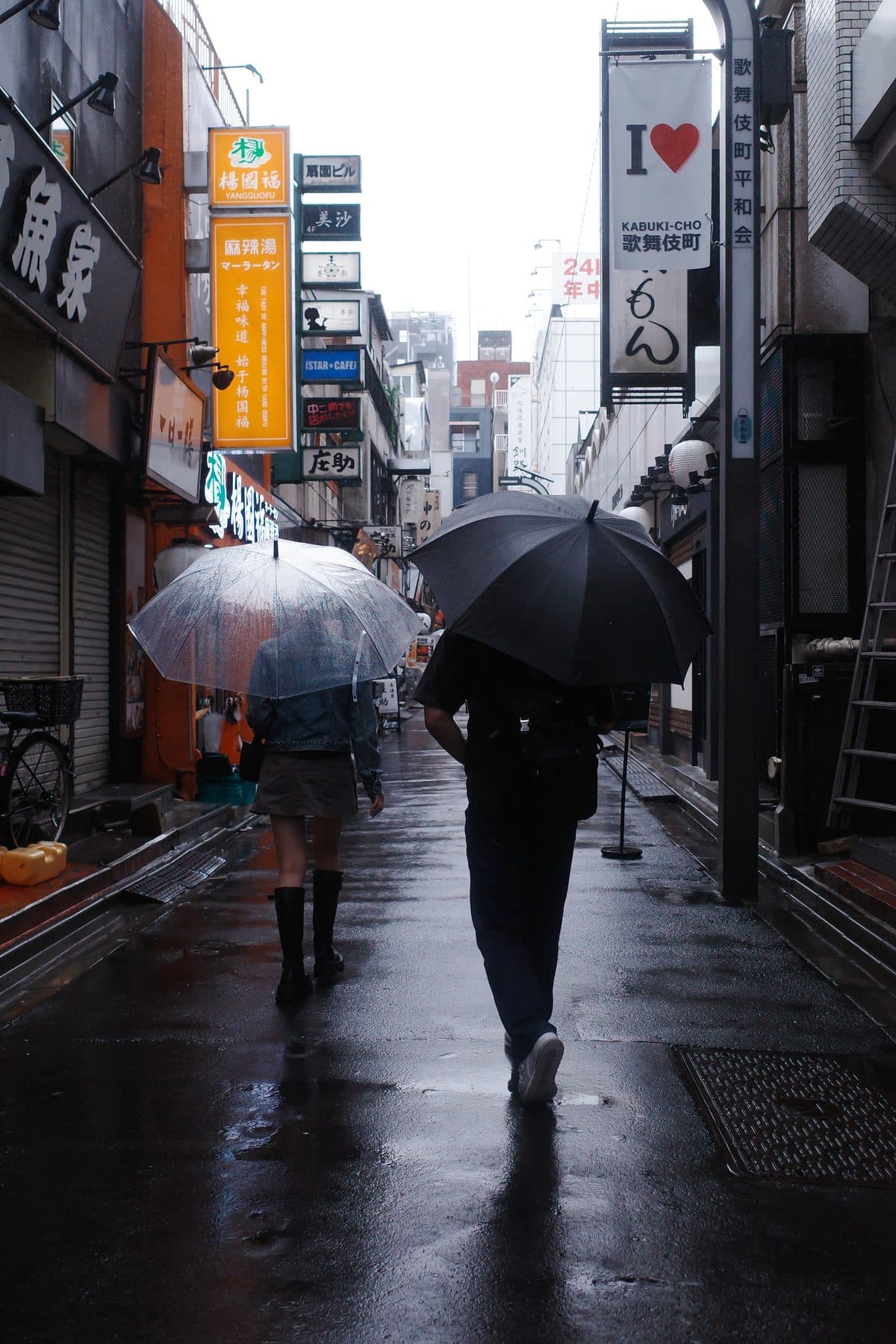
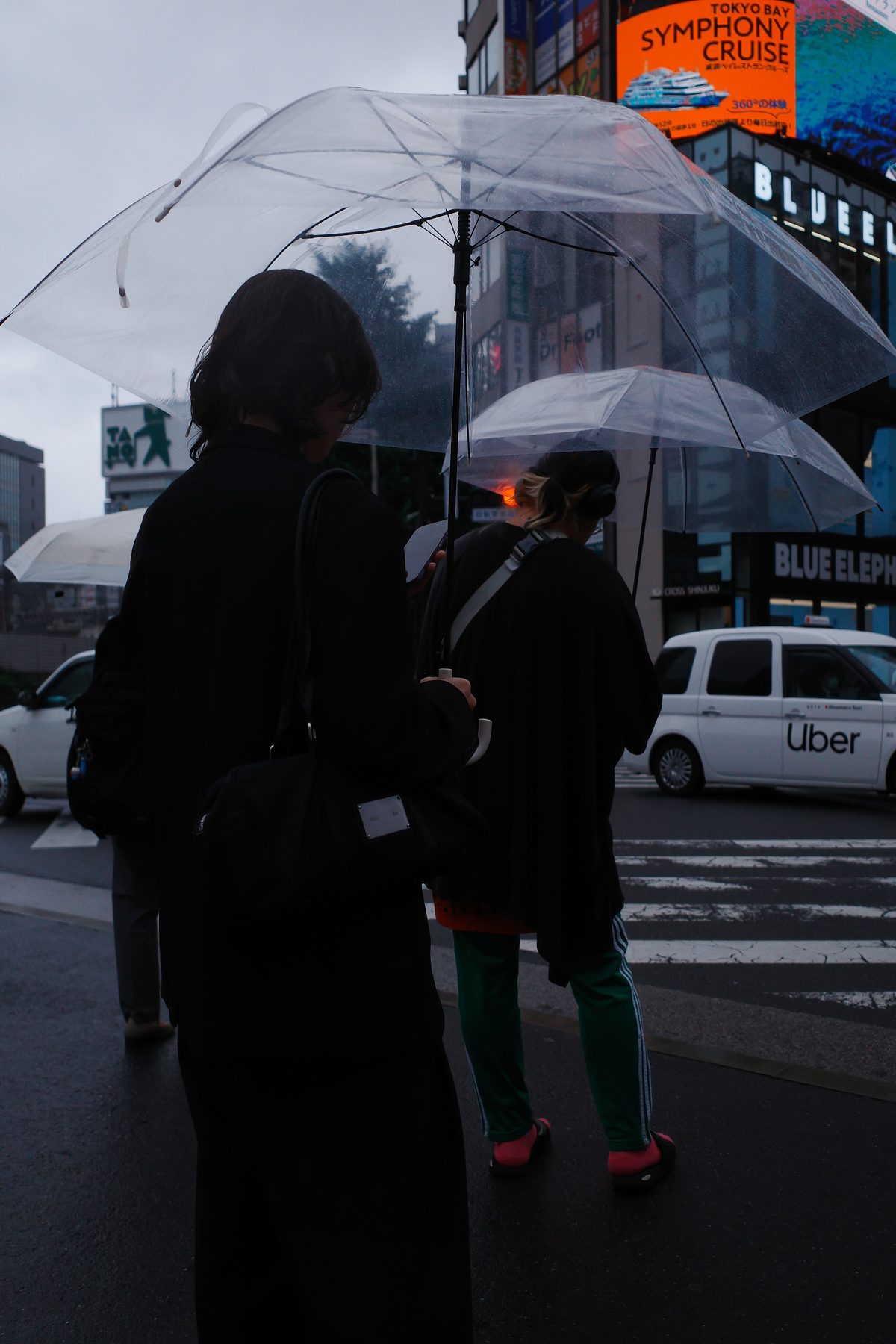
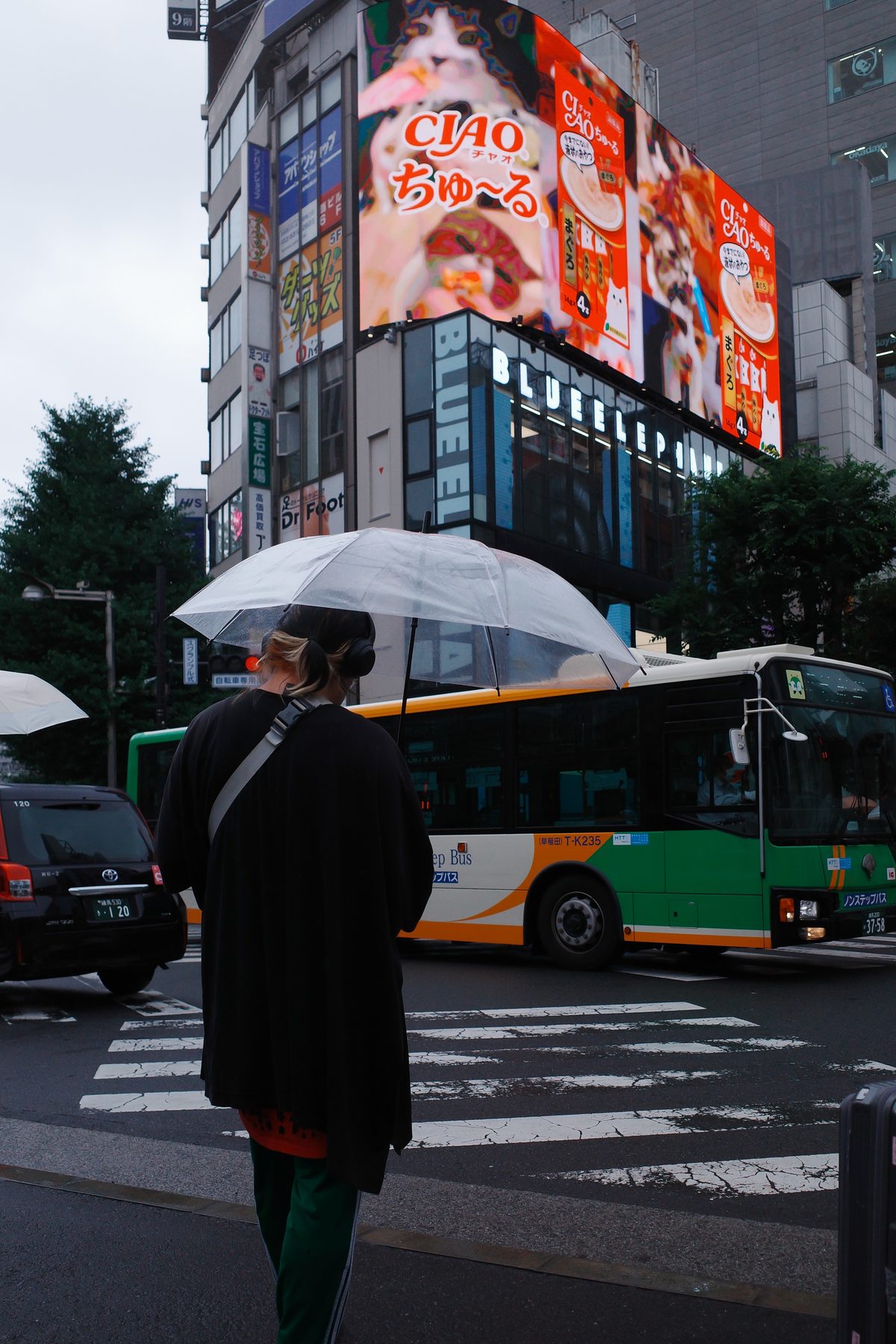
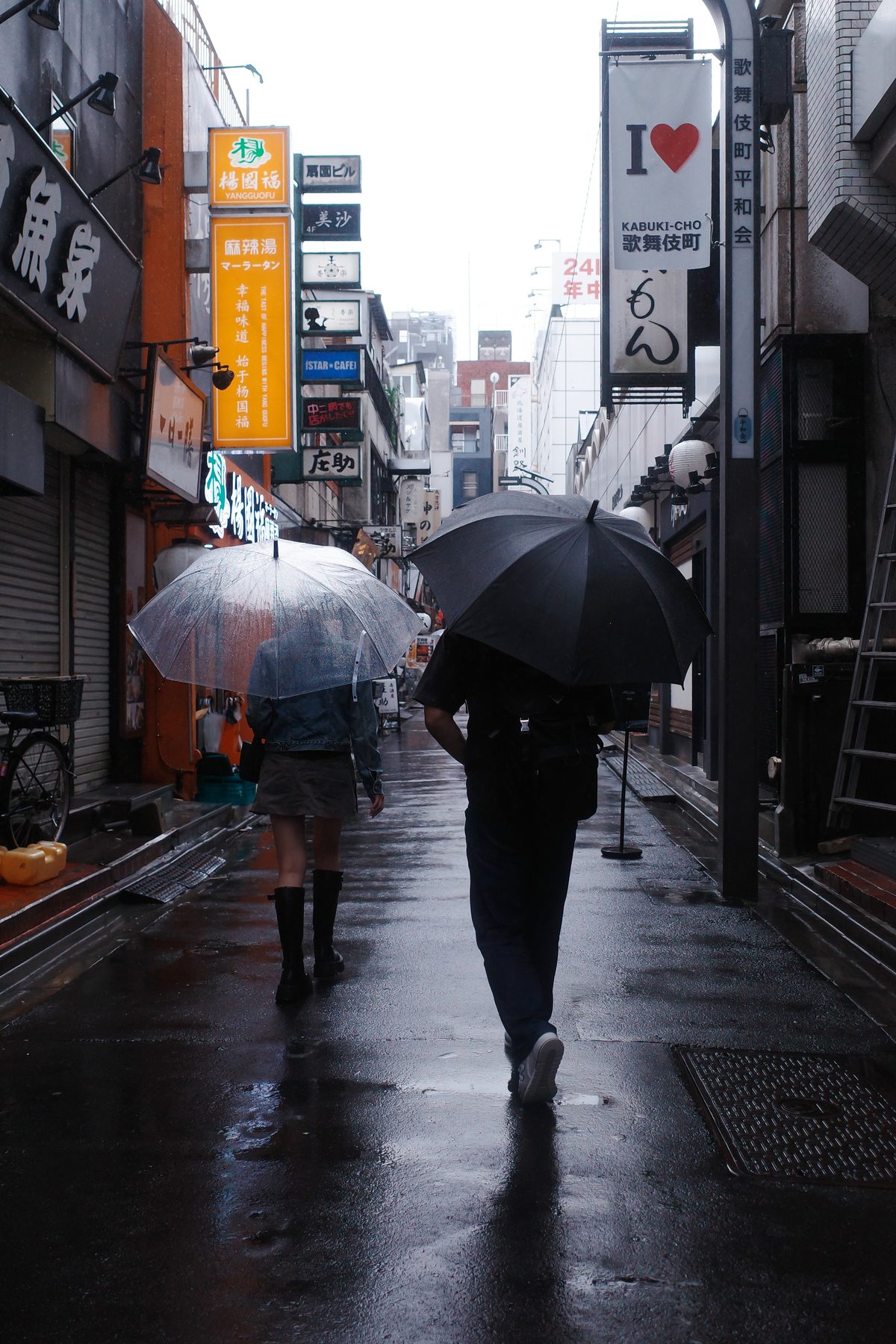
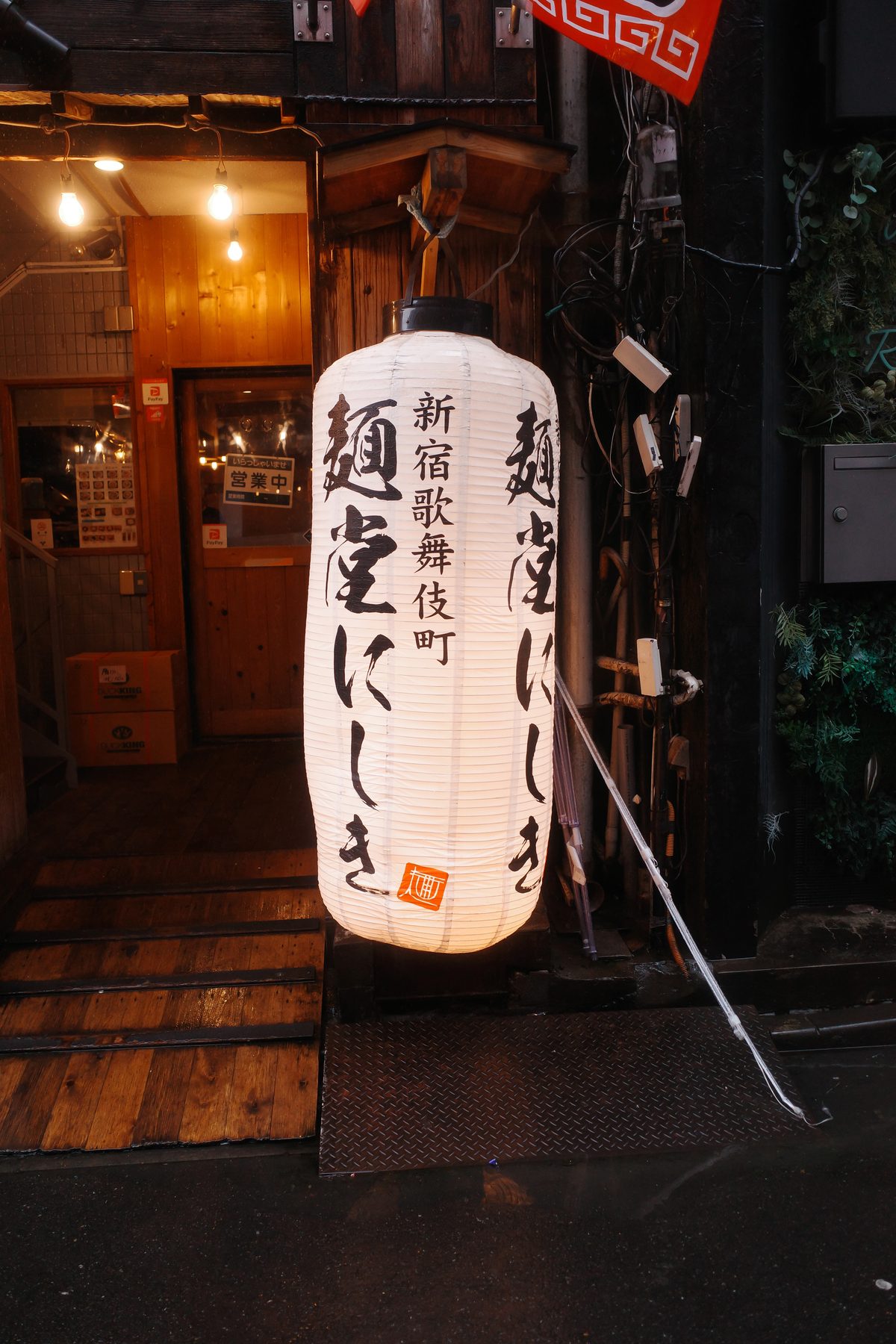
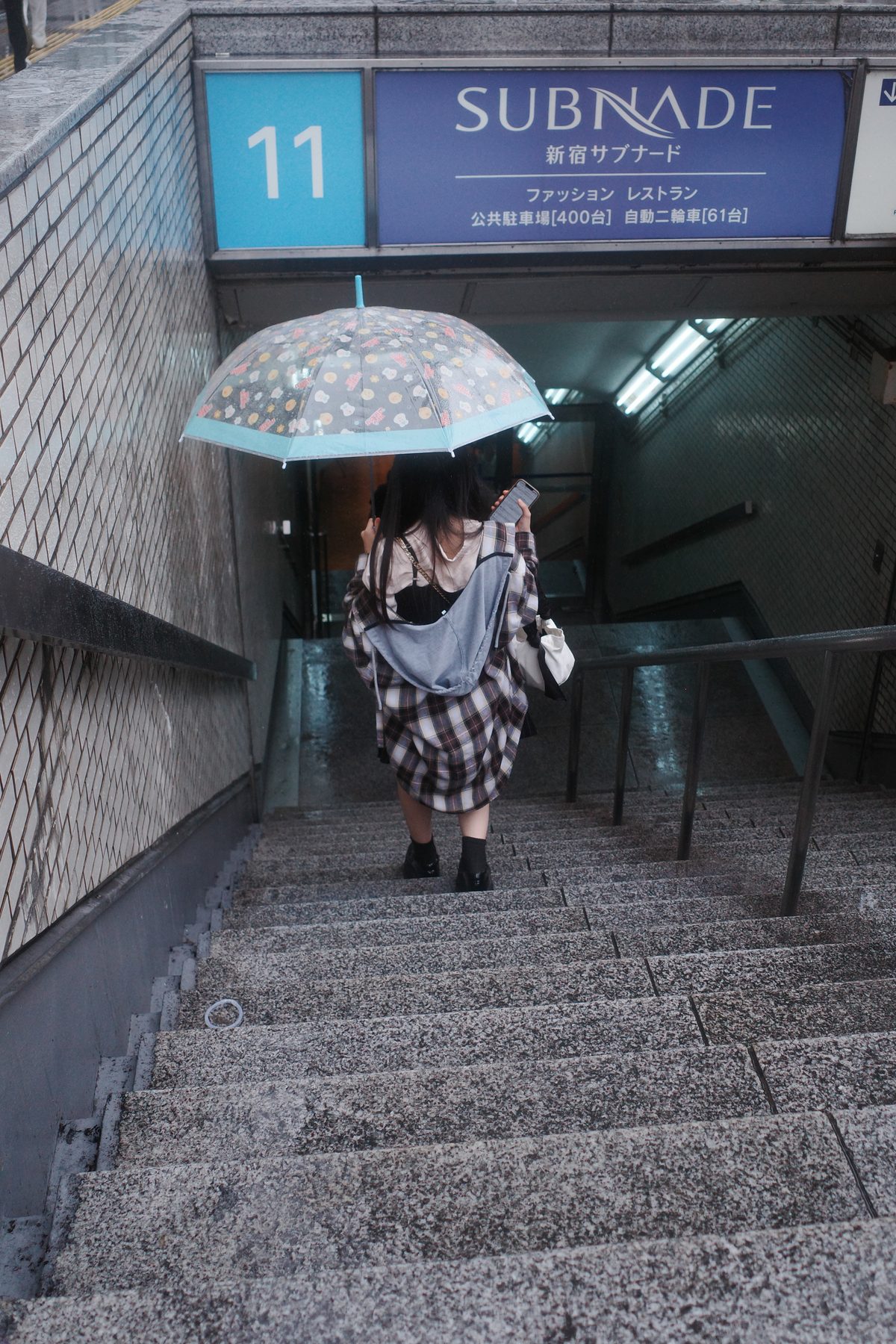
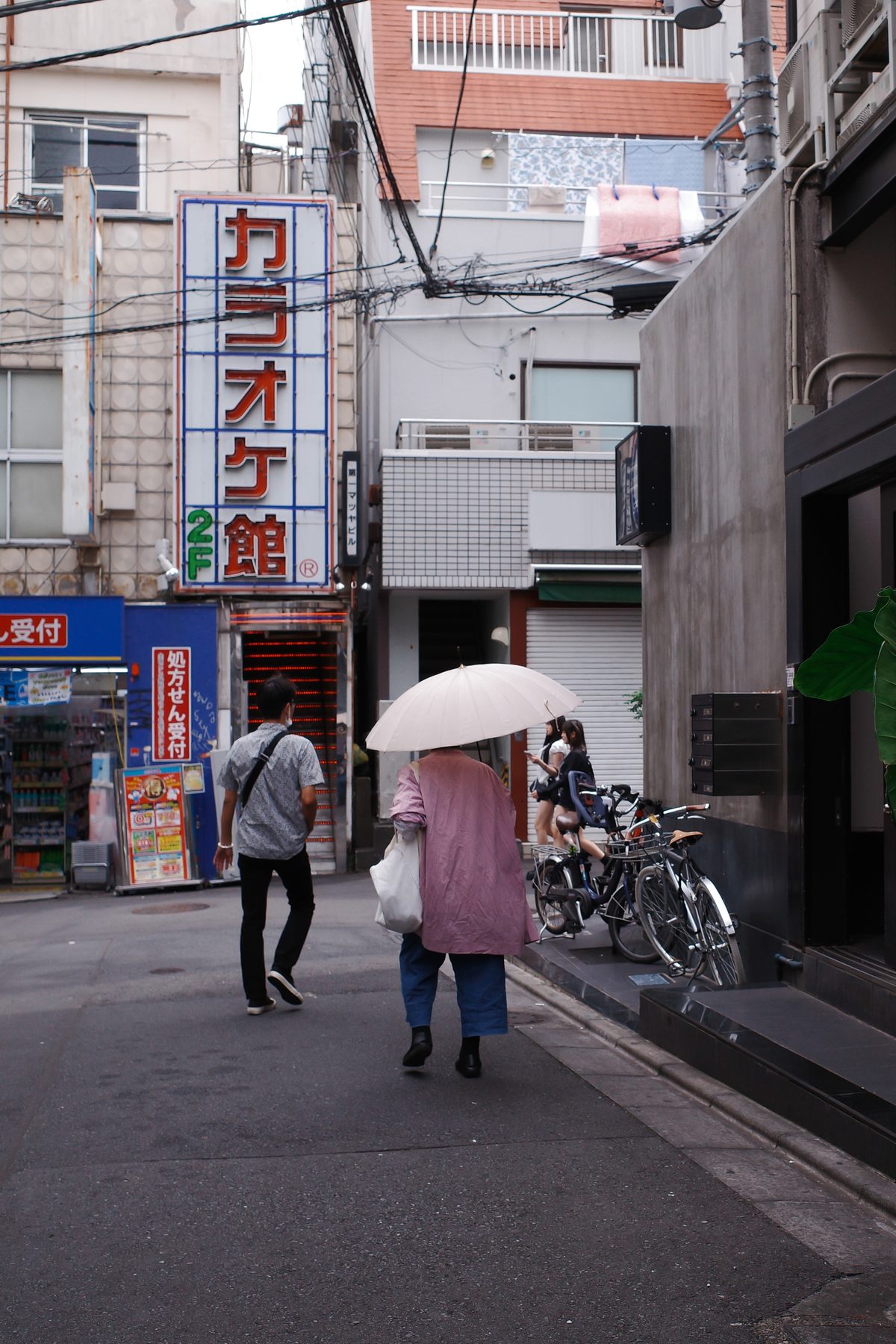
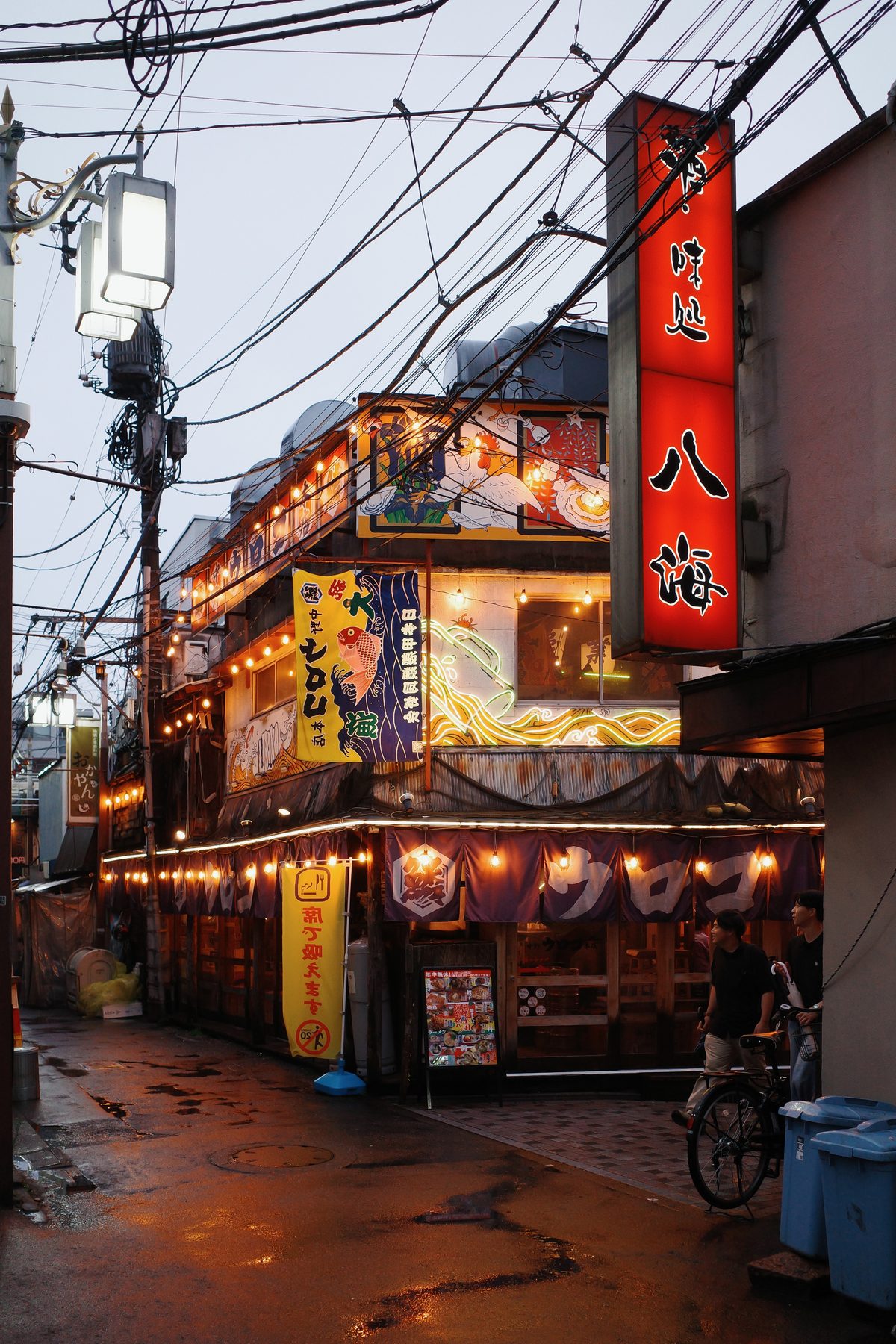
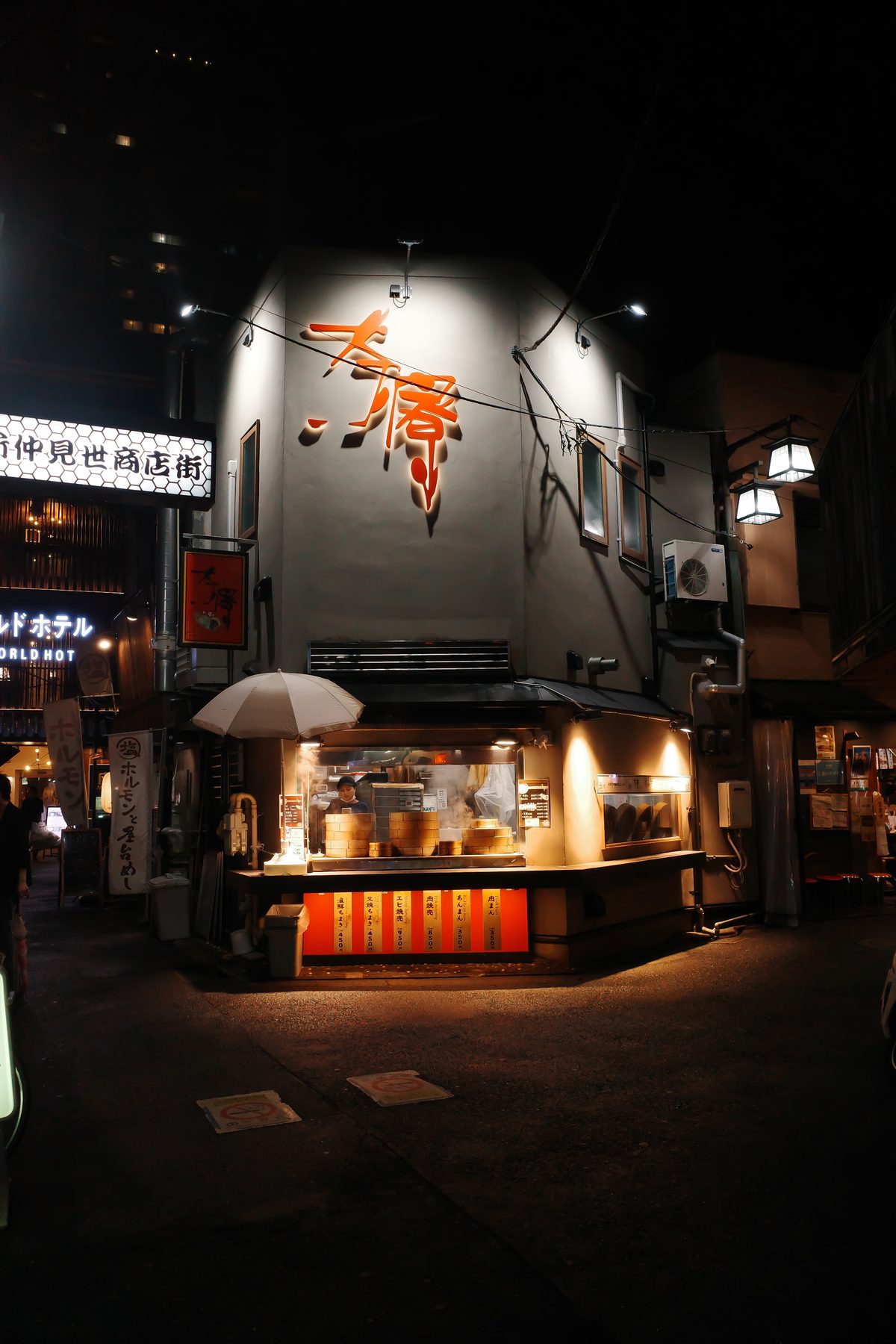
Shinjuku is the busiest station in the world, and Kabukicho, just north of it, is its entertainment district: neon, izakaya, bars and small alleys. On a rainy day, everyone is under a clear umbrella.
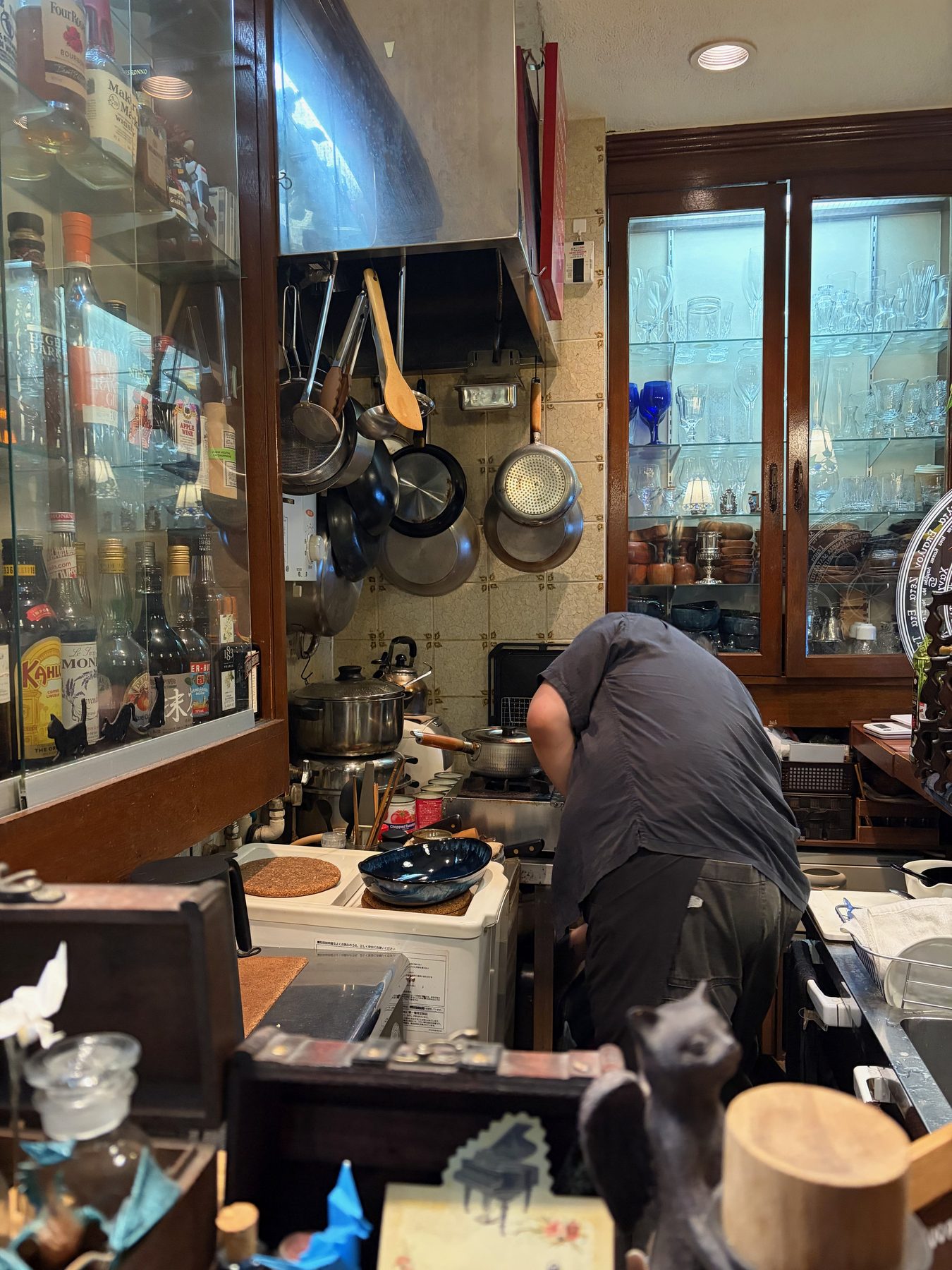
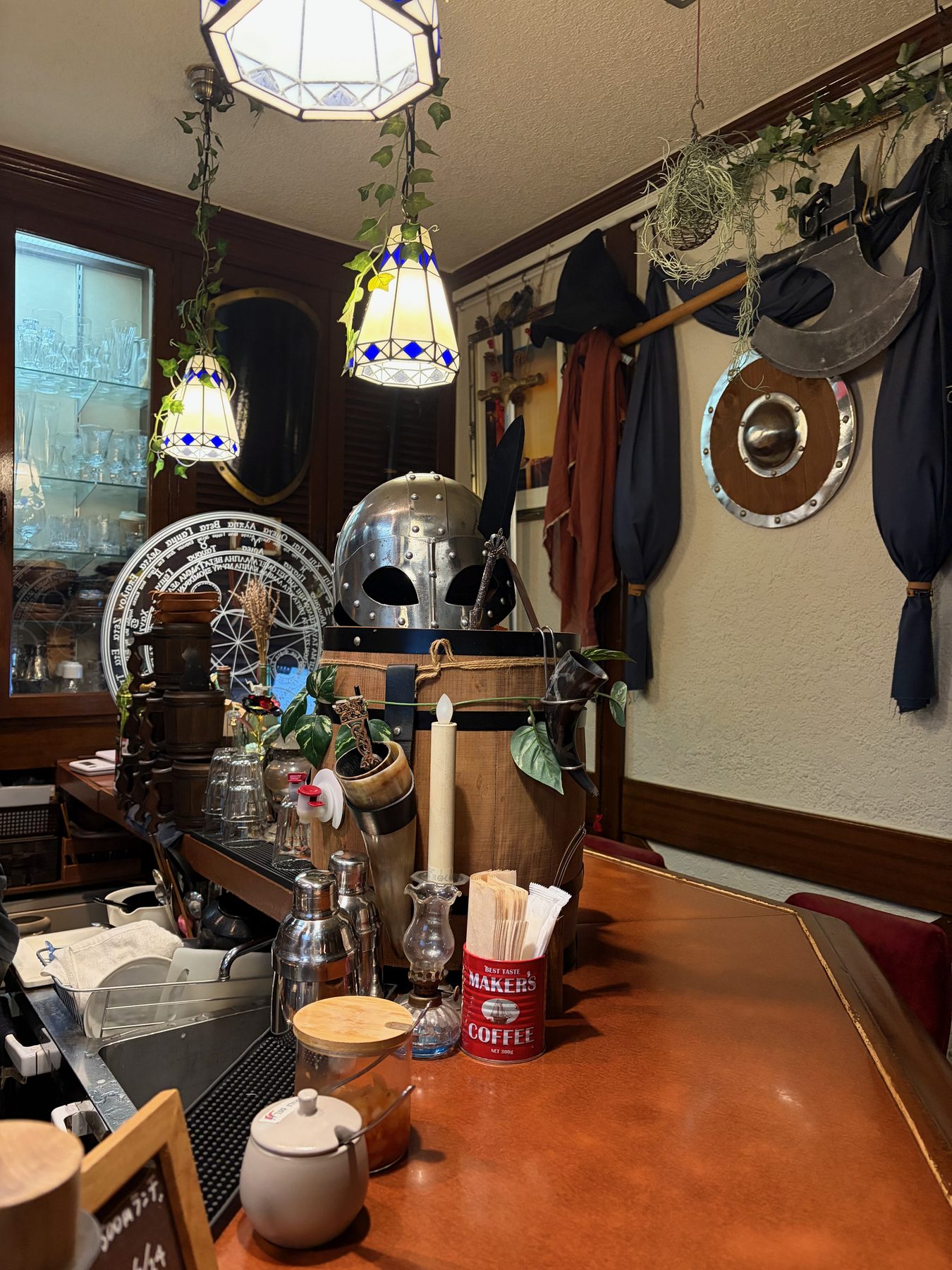
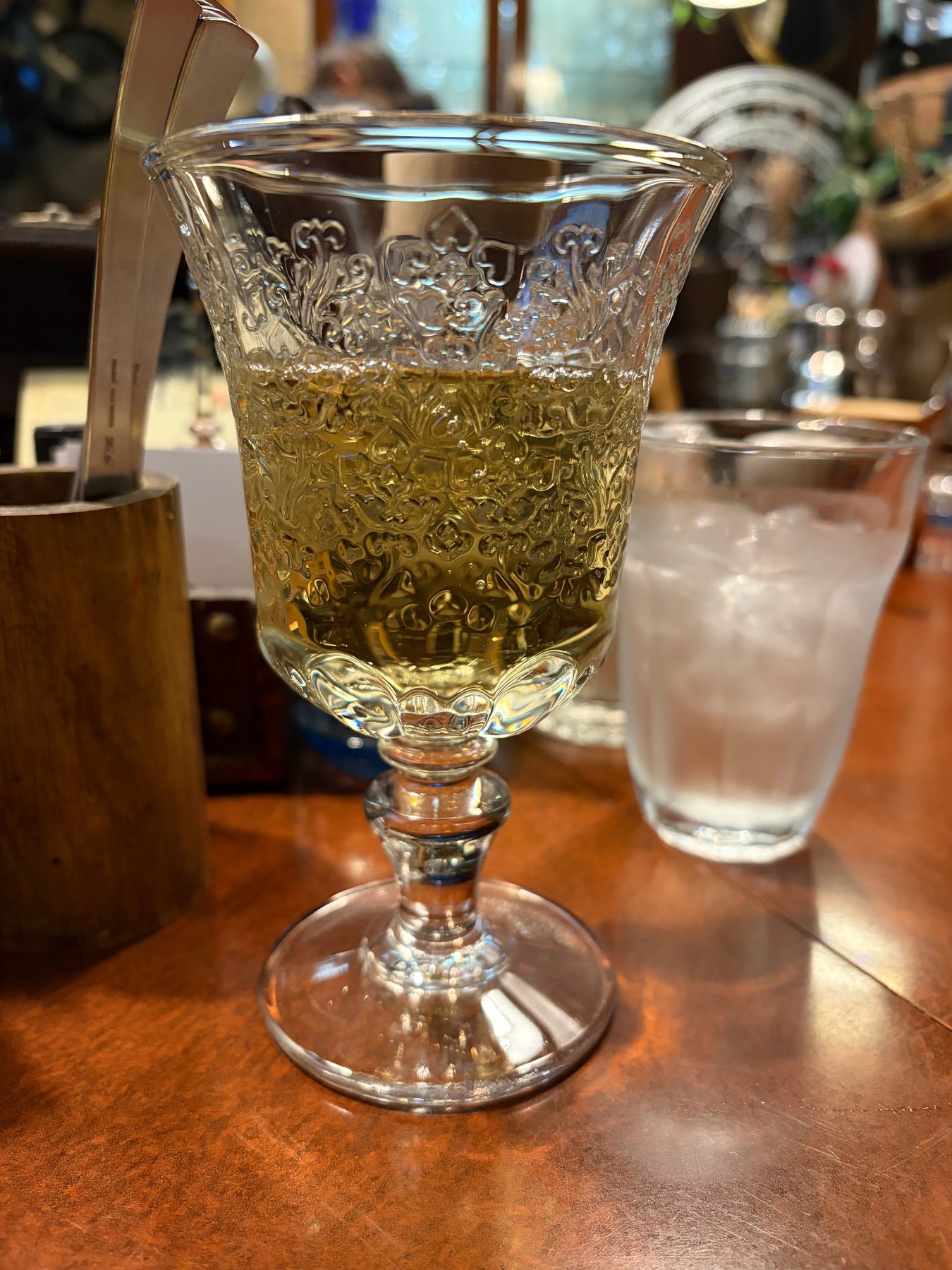
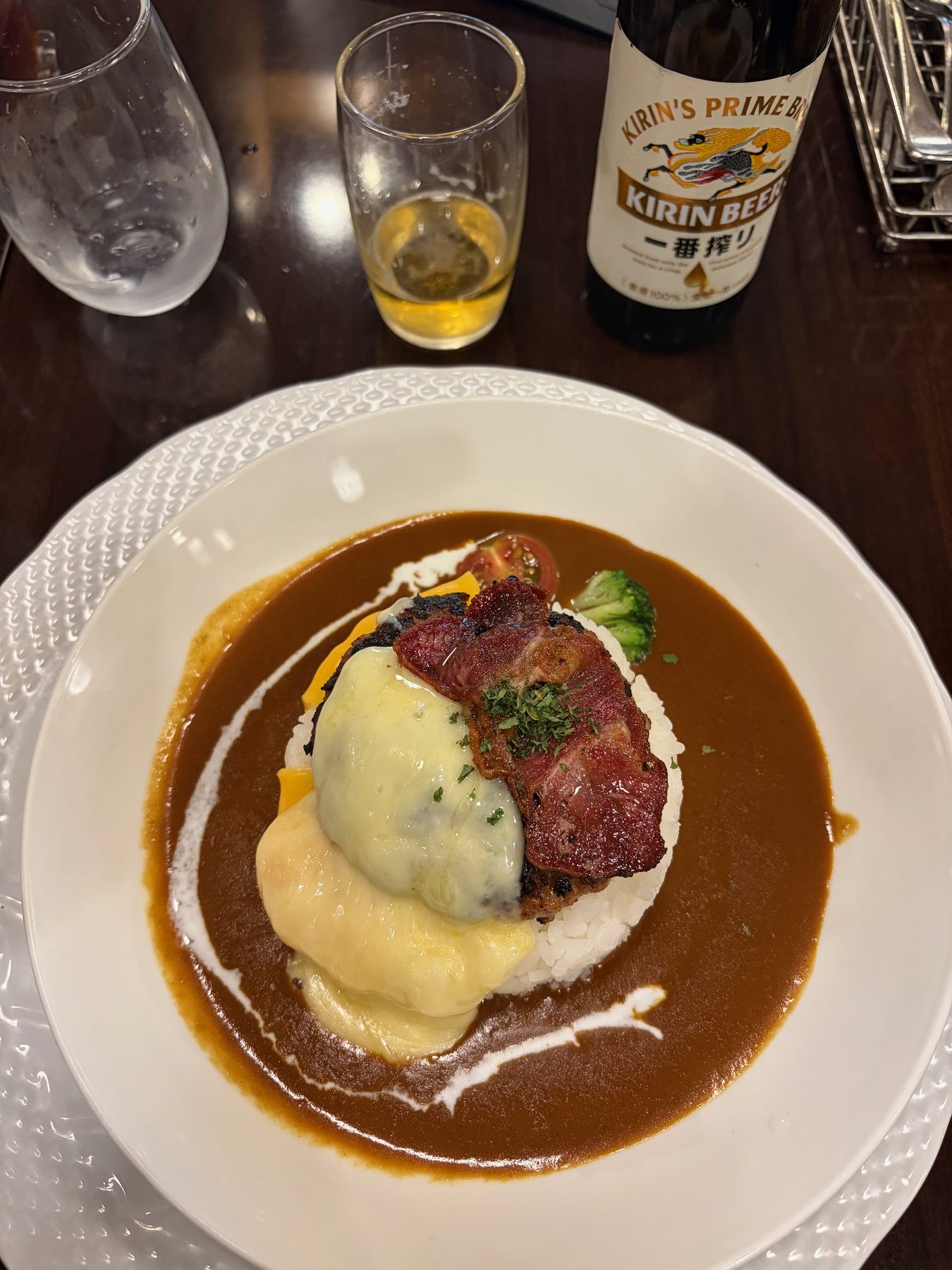
House of the White Dragon, a tiny Japanese curry place in a basement, Kabukicho 2-45-5, decorated like a fantasy tavern. Six or seven seats. I finally made it there. Closed on Wednesdays and Sundays, and hours change through the week, so check before you go.
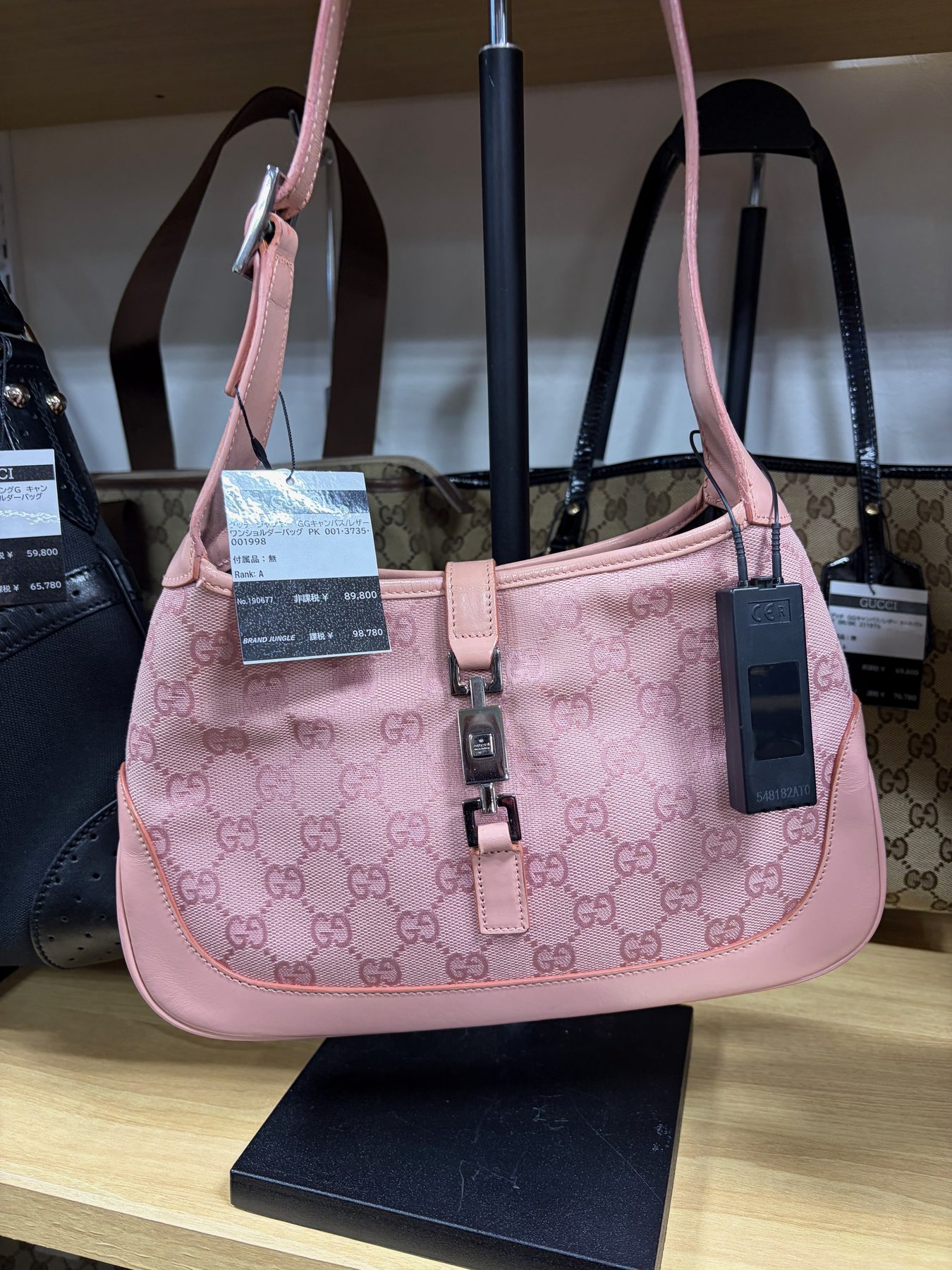
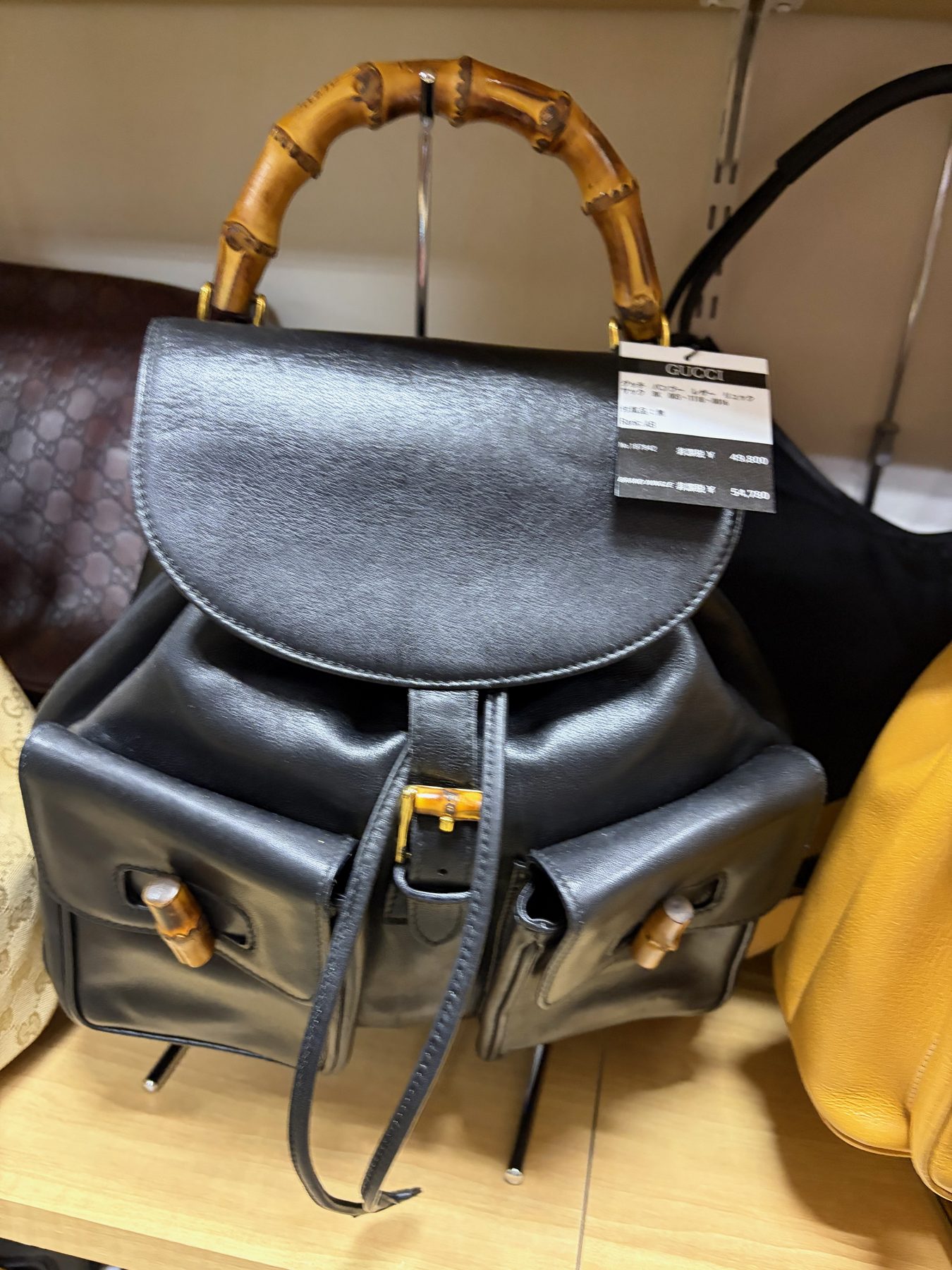
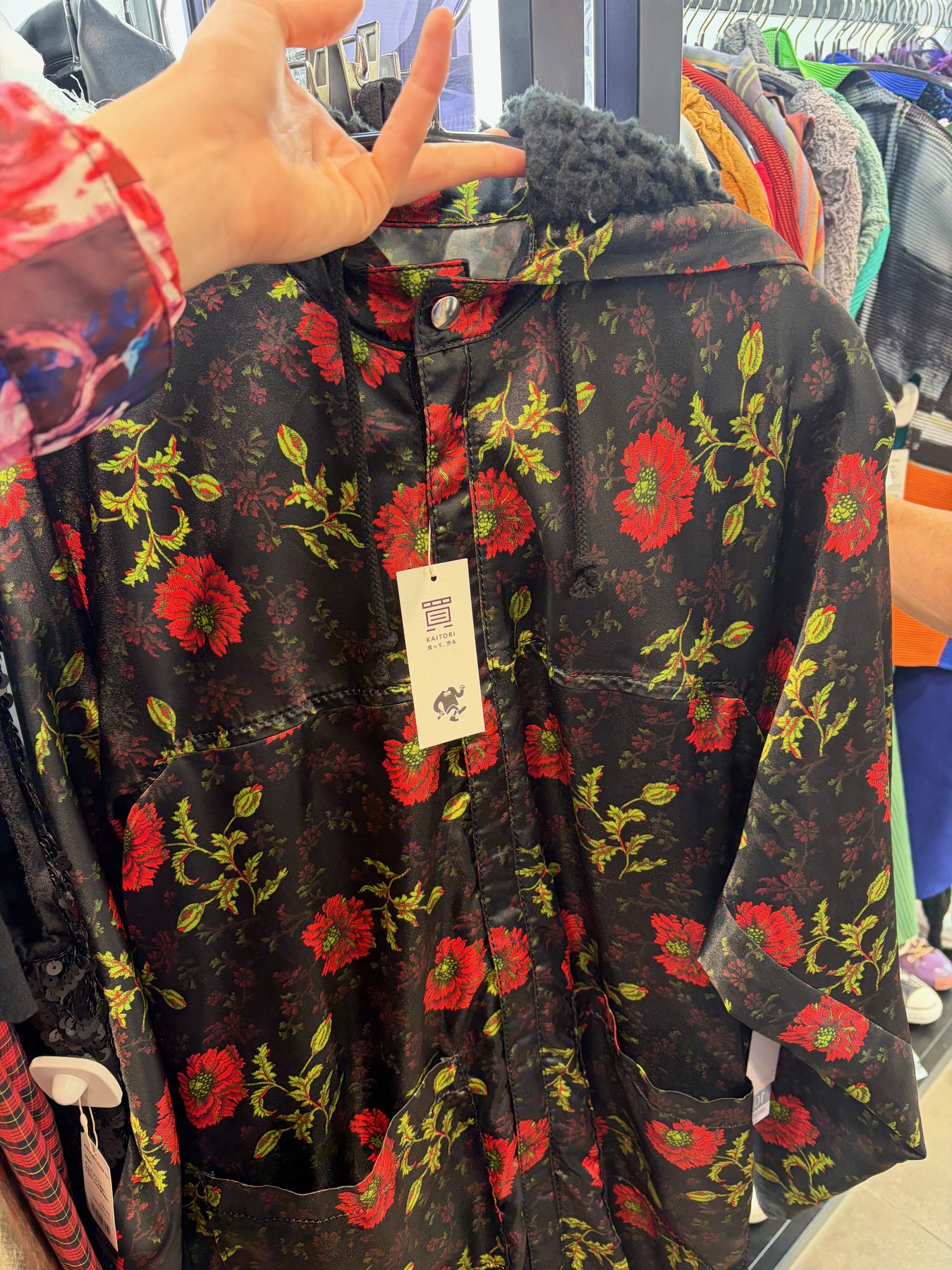
Vintage: there are also second hand luxury shops around the station, with bags you will not find at home.
Yotsuya: a second tattoo
East of Shinjuku, Yotsuya is quieter: offices, small streets and temples. I came back to PopInk Tokyo for a second tattoo by Tiemi, Arakicho 6-1, Arakicho Gardens, room 303. Bookings are online. My first one is in the first timer guide.
Shimokitazawa
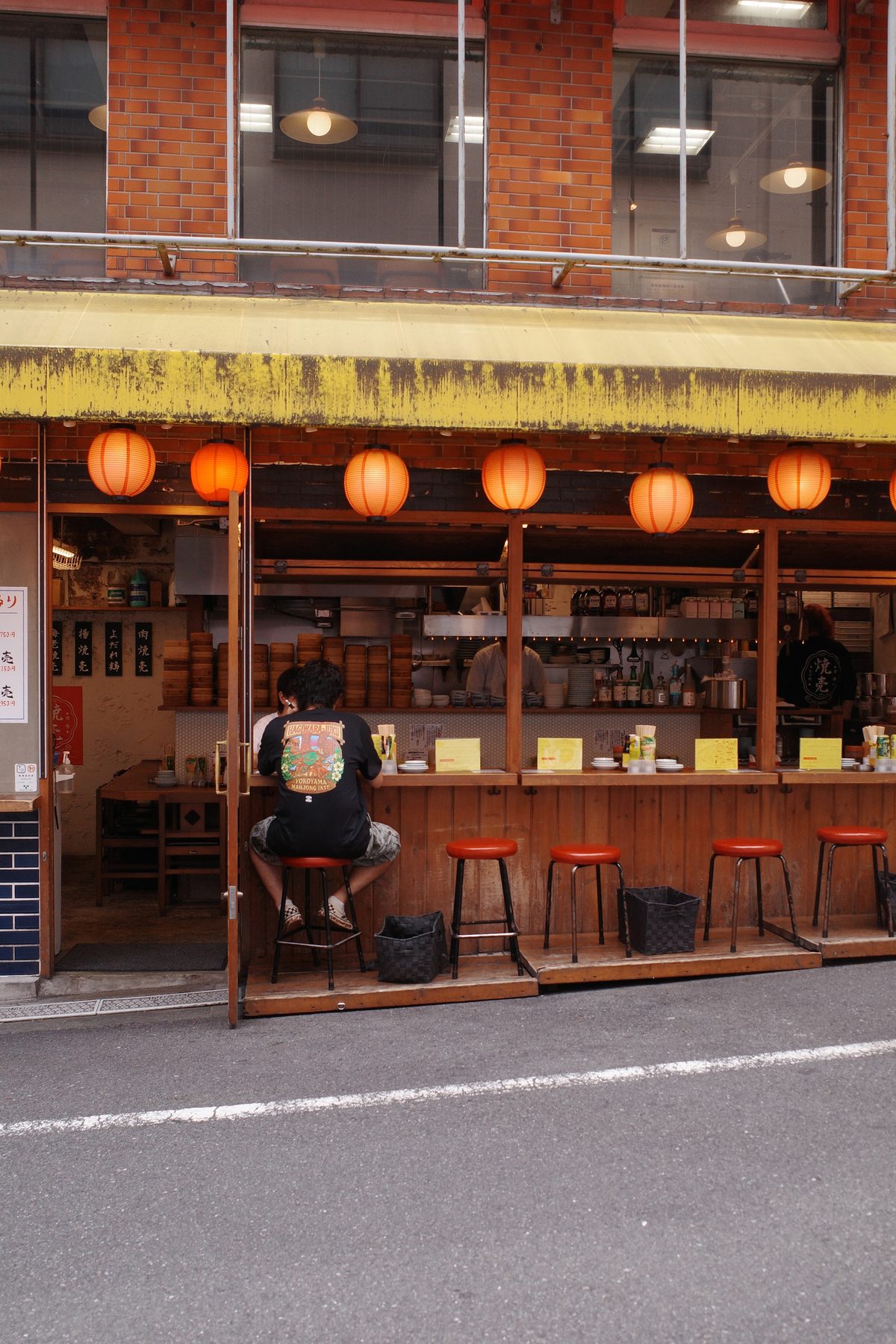
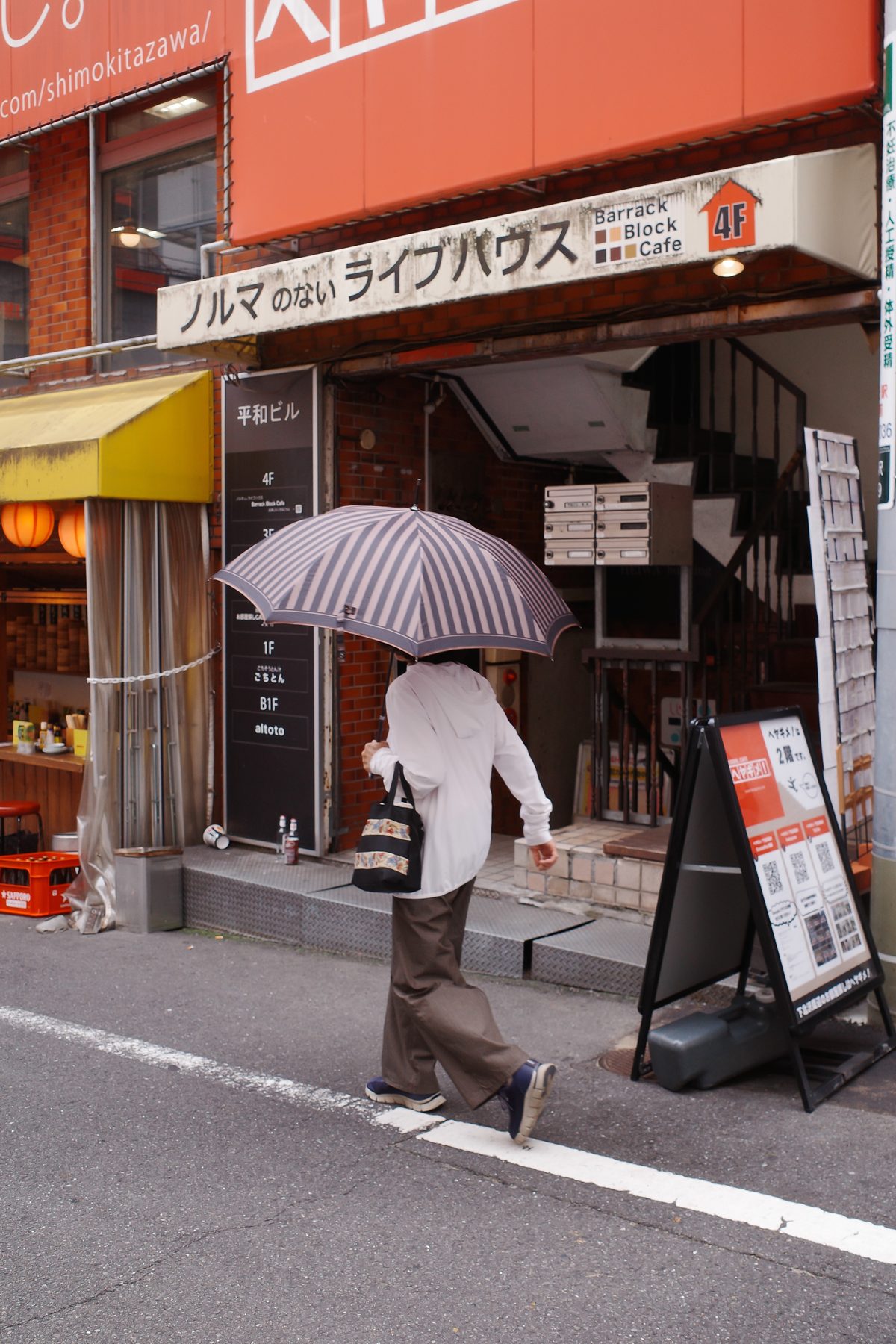
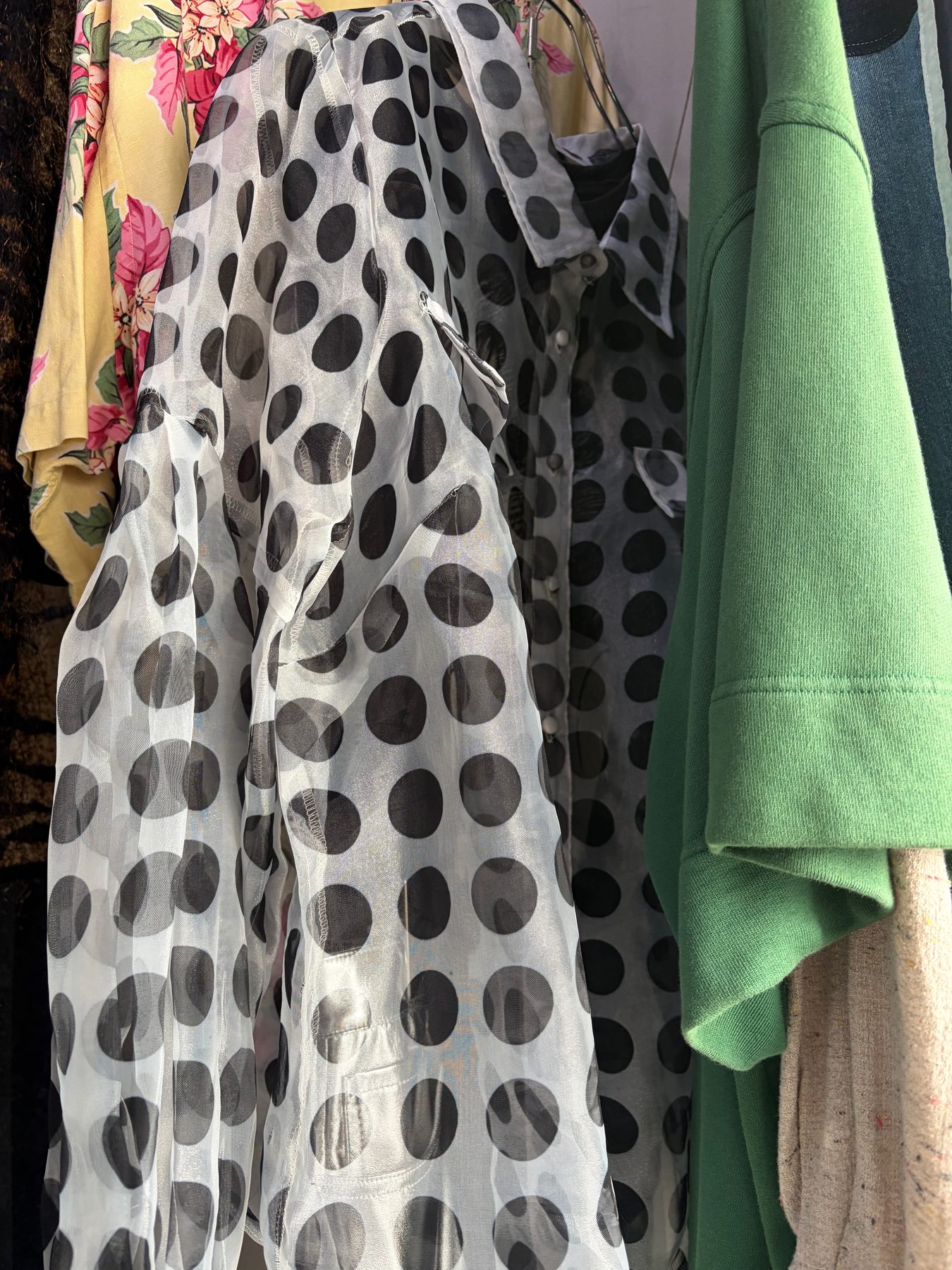
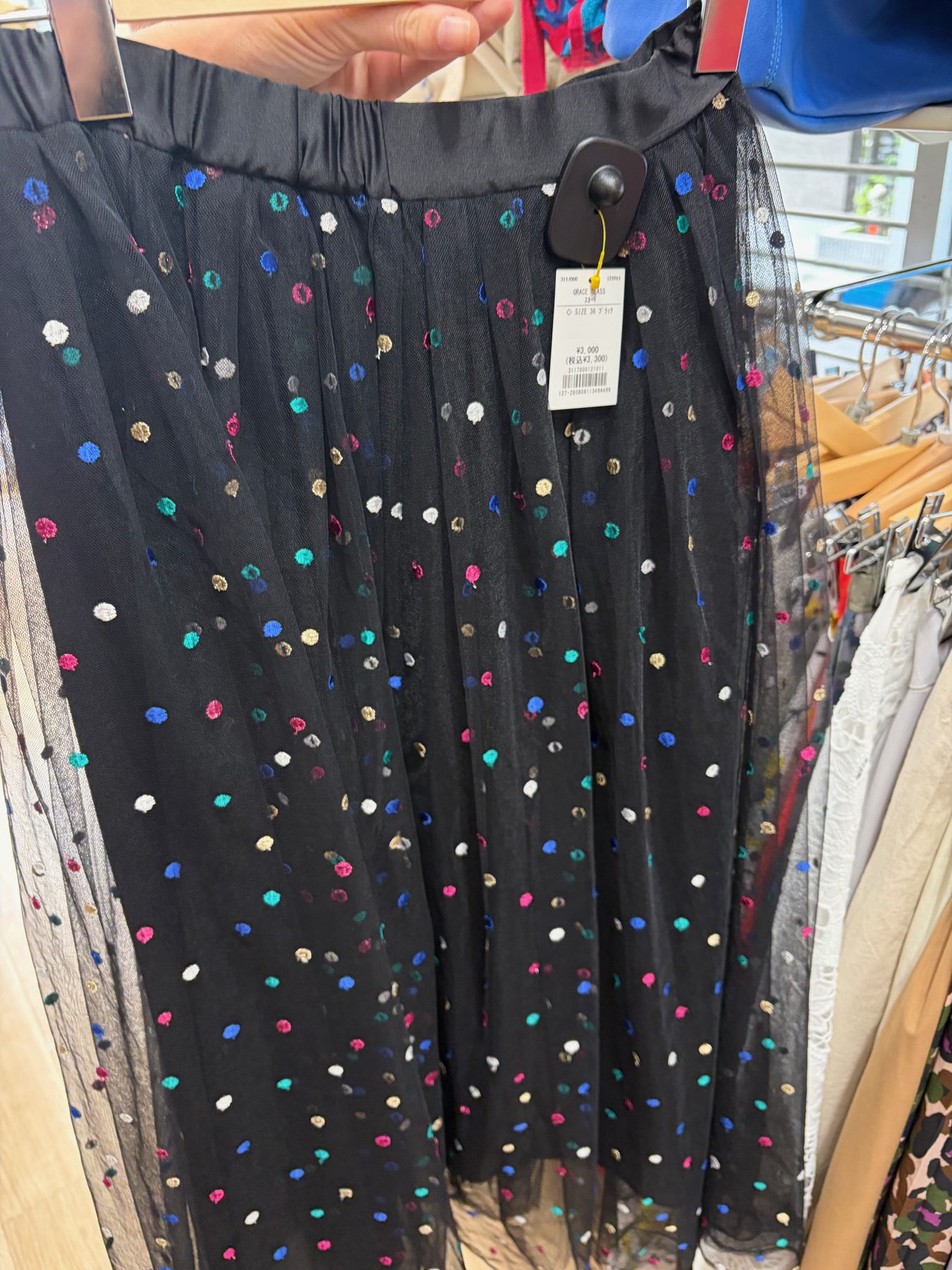
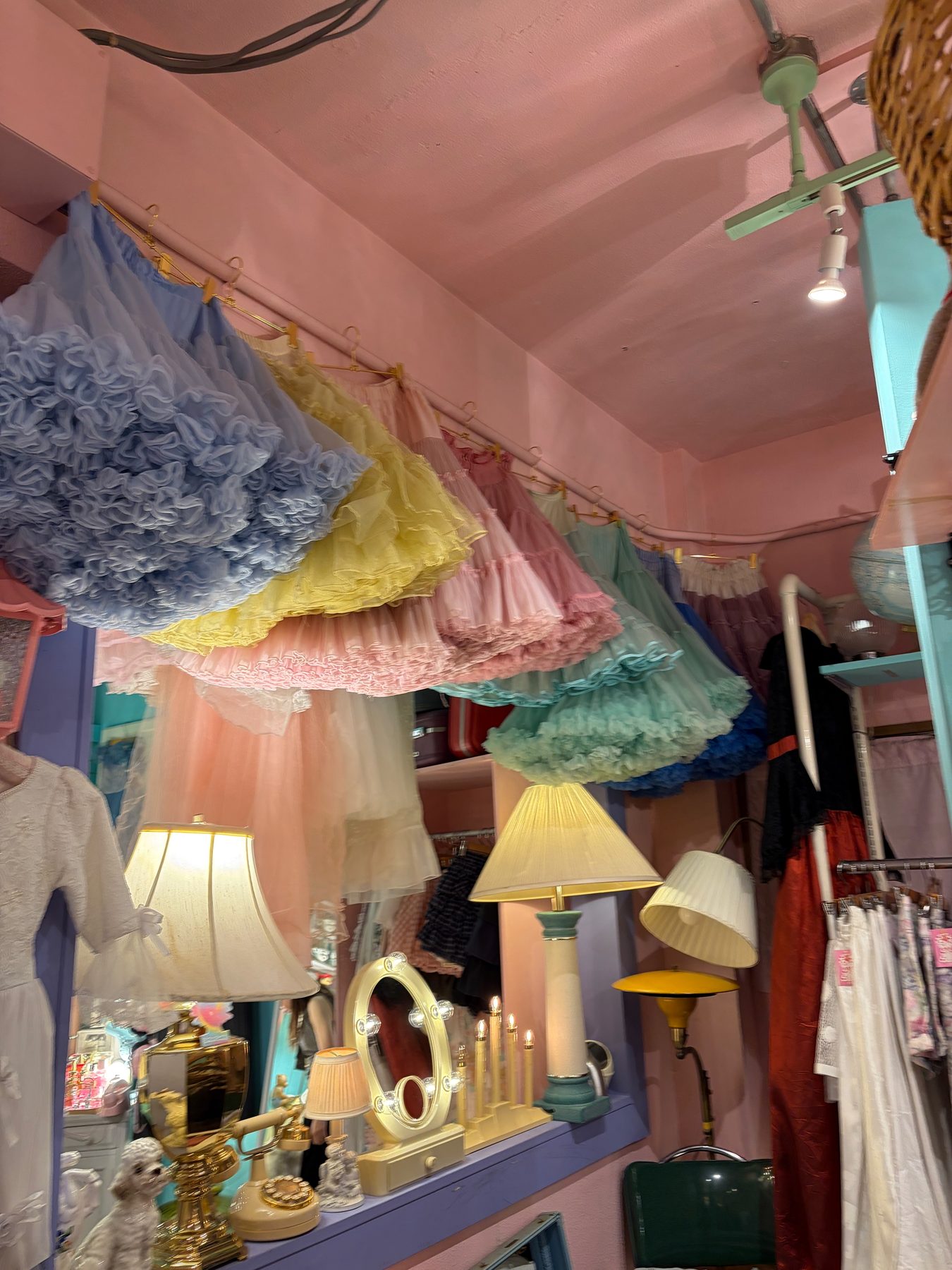
Shimokitazawa is the neighbourhood of vintage clothing, small theatres and live houses, a few stops from Shibuya on the Keio Inokashira line. Low streets, second hand shops everywhere, and a laid back atmosphere.
Koenji and Nakano
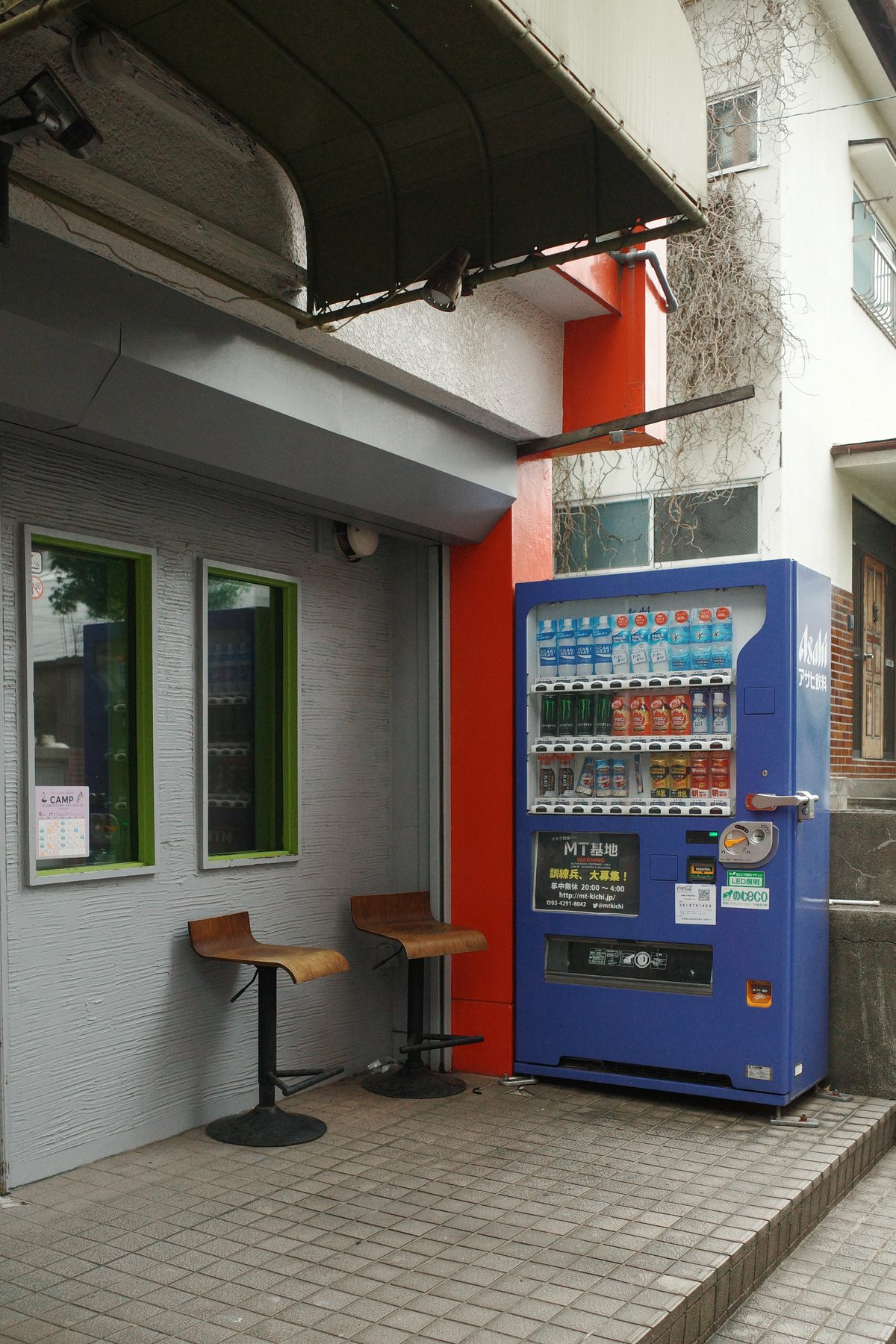
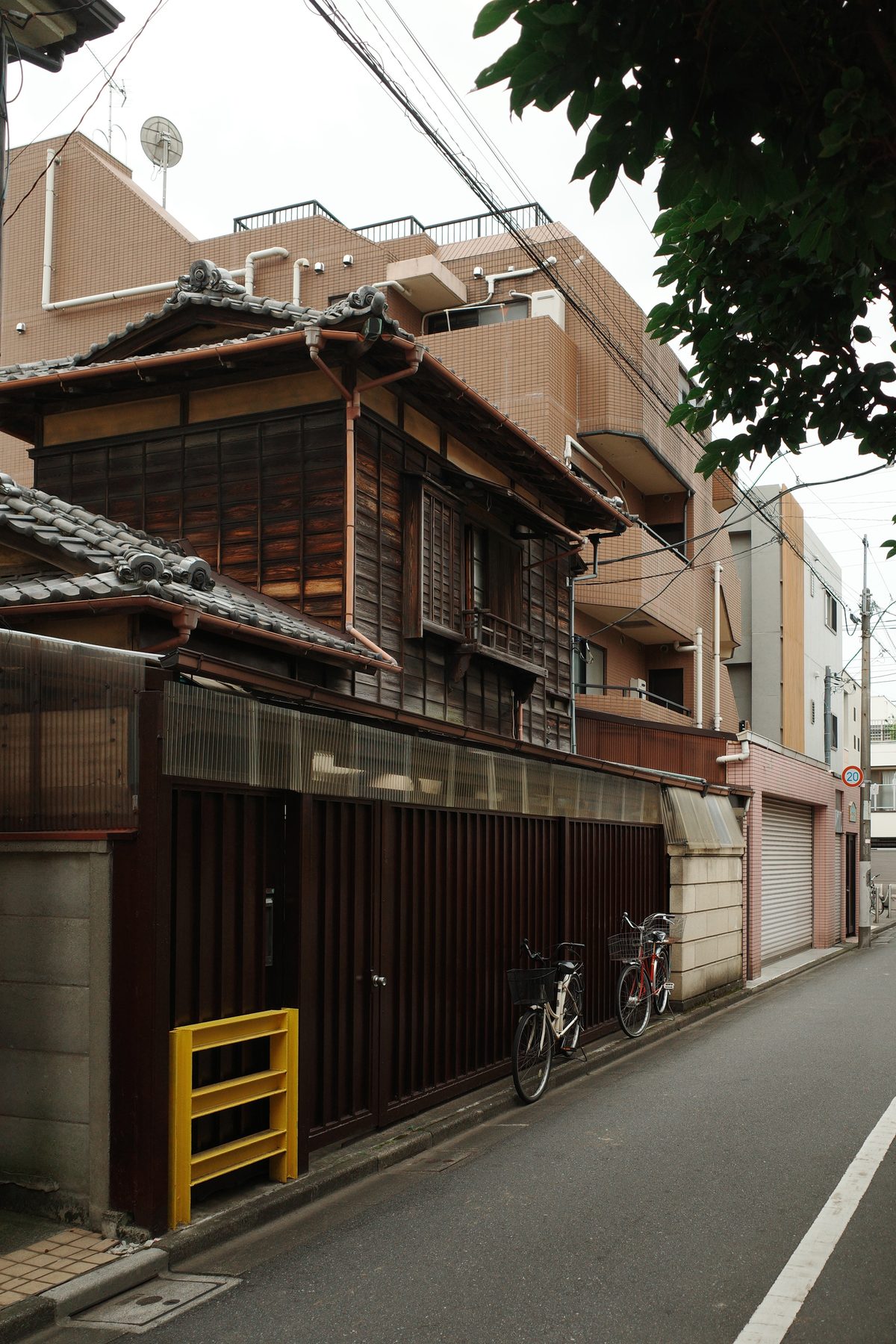
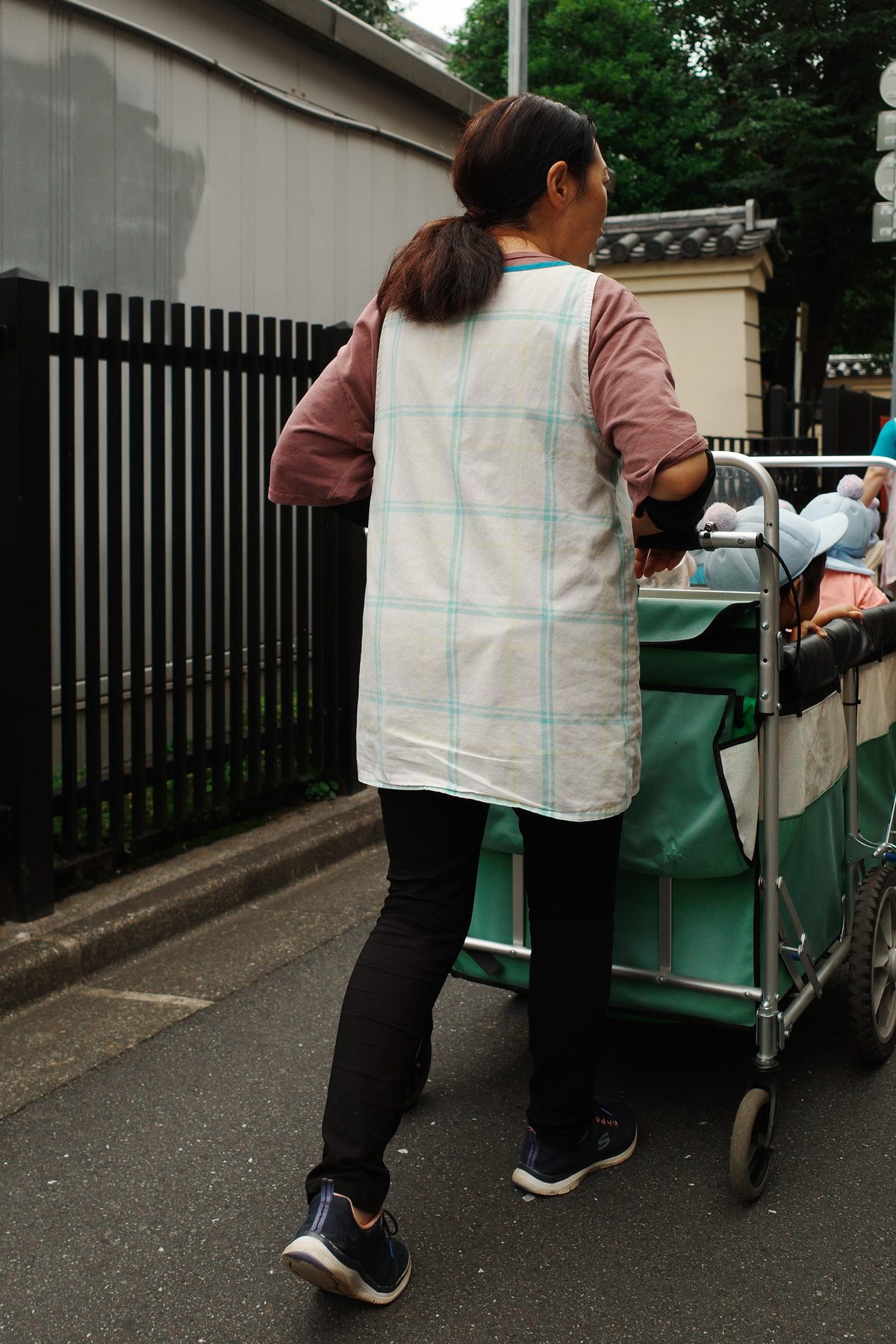
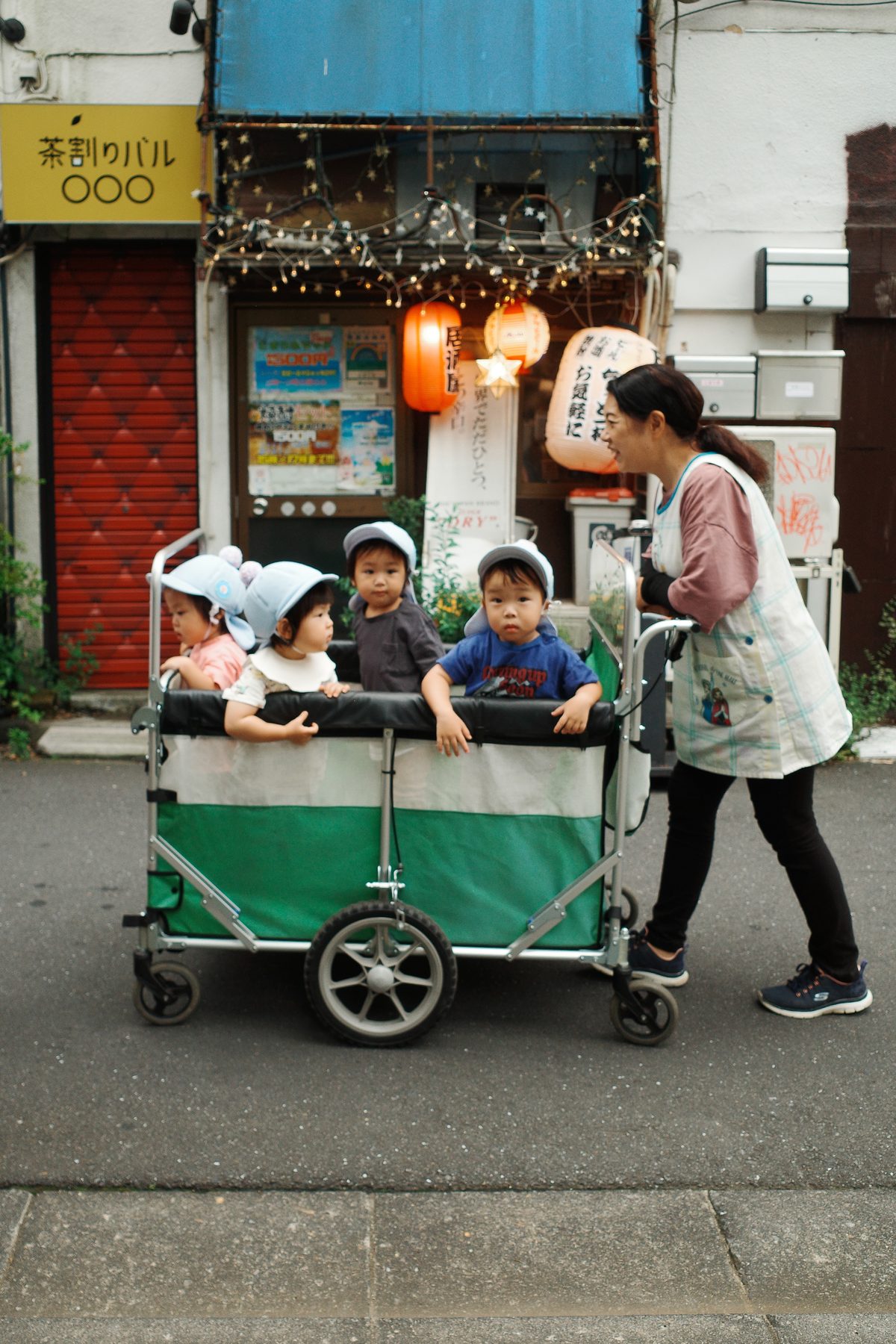
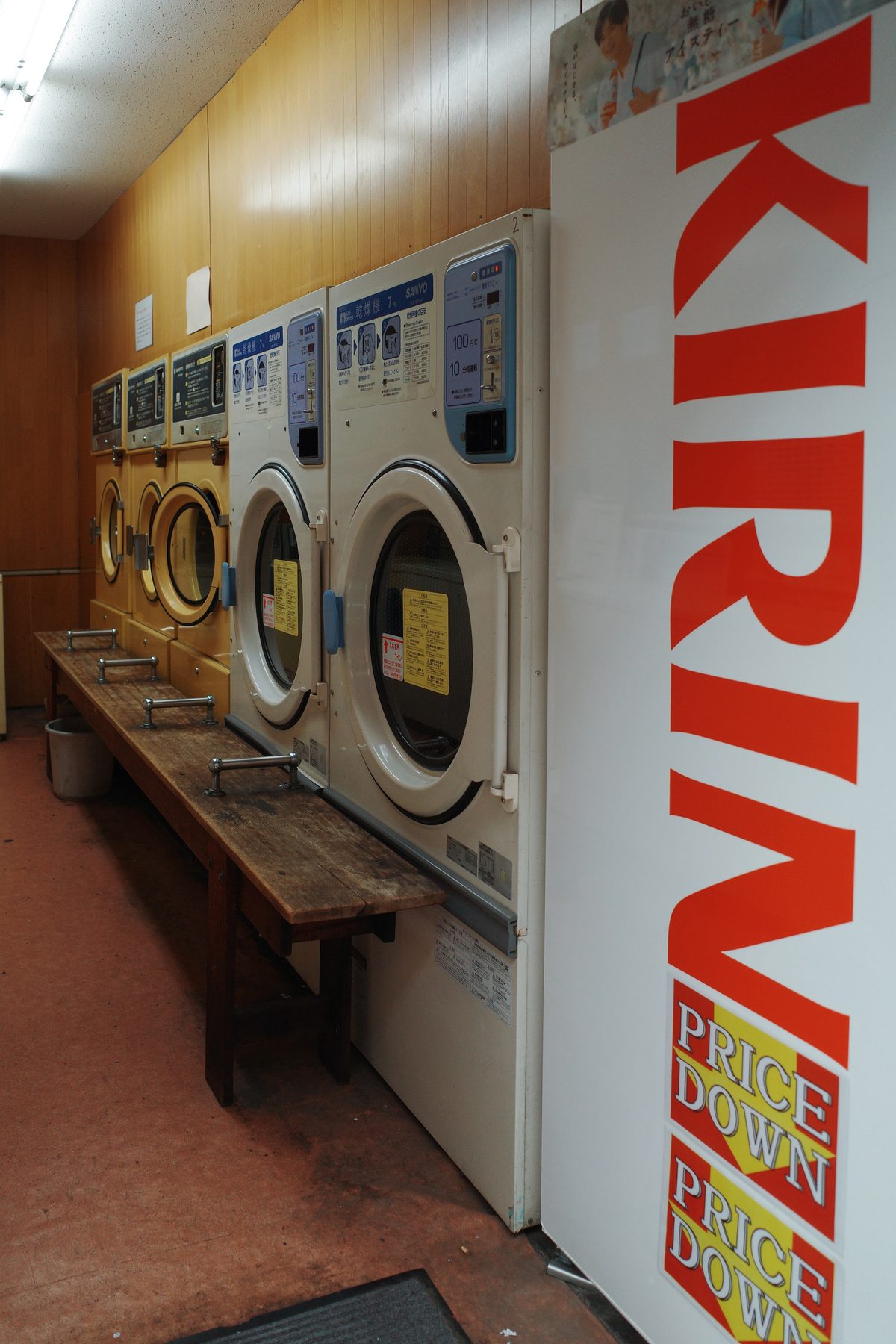
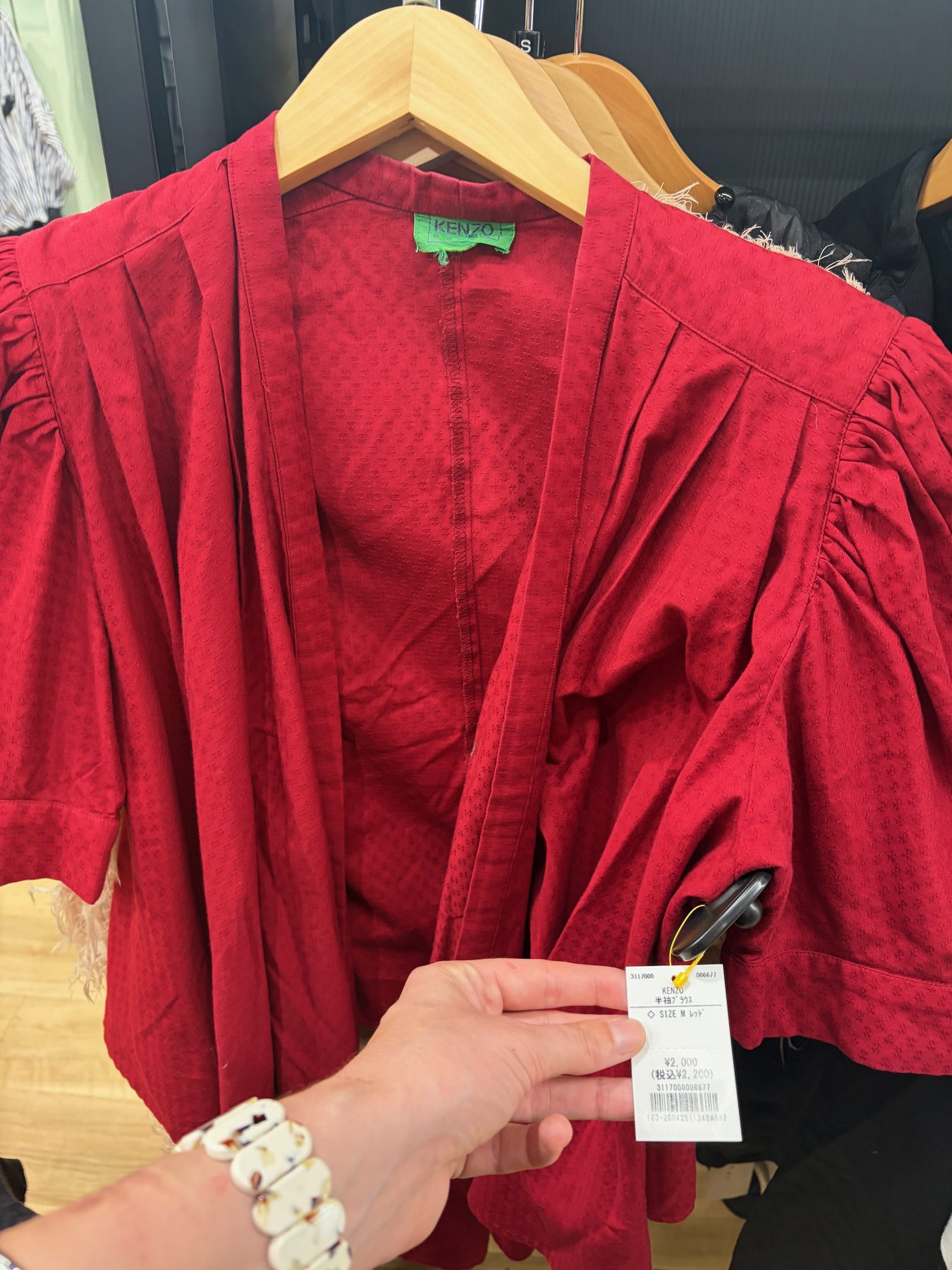
Koenji, on the JR Chuo line, is the other big vintage neighbourhood of Tokyo, with live music bars and a famous summer dance festival, the Awa Odori. There are several Trefac shops here; mine is the big one, on a corner. Around the station, residential streets, laundromats and nursery carts full of toddlers.
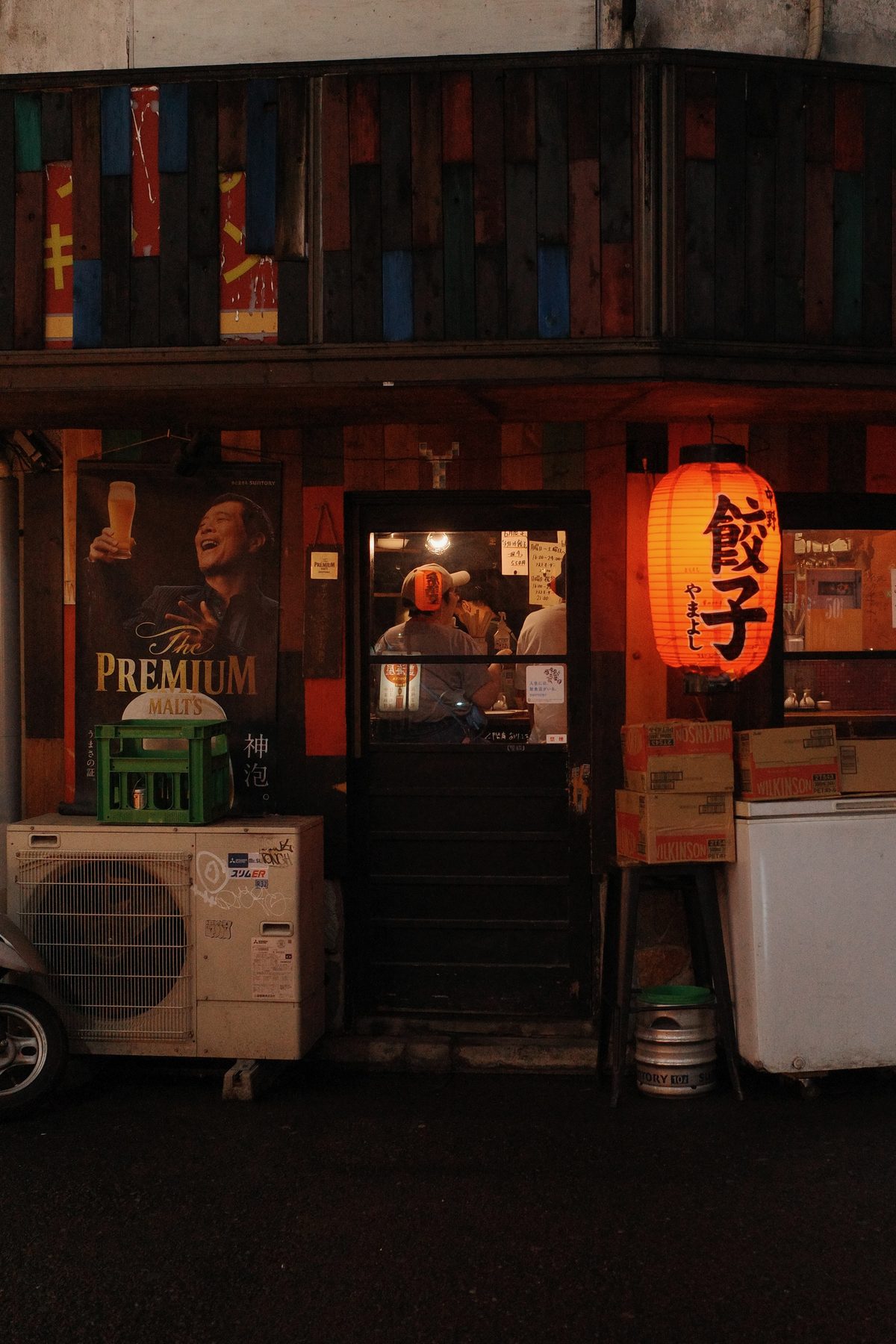
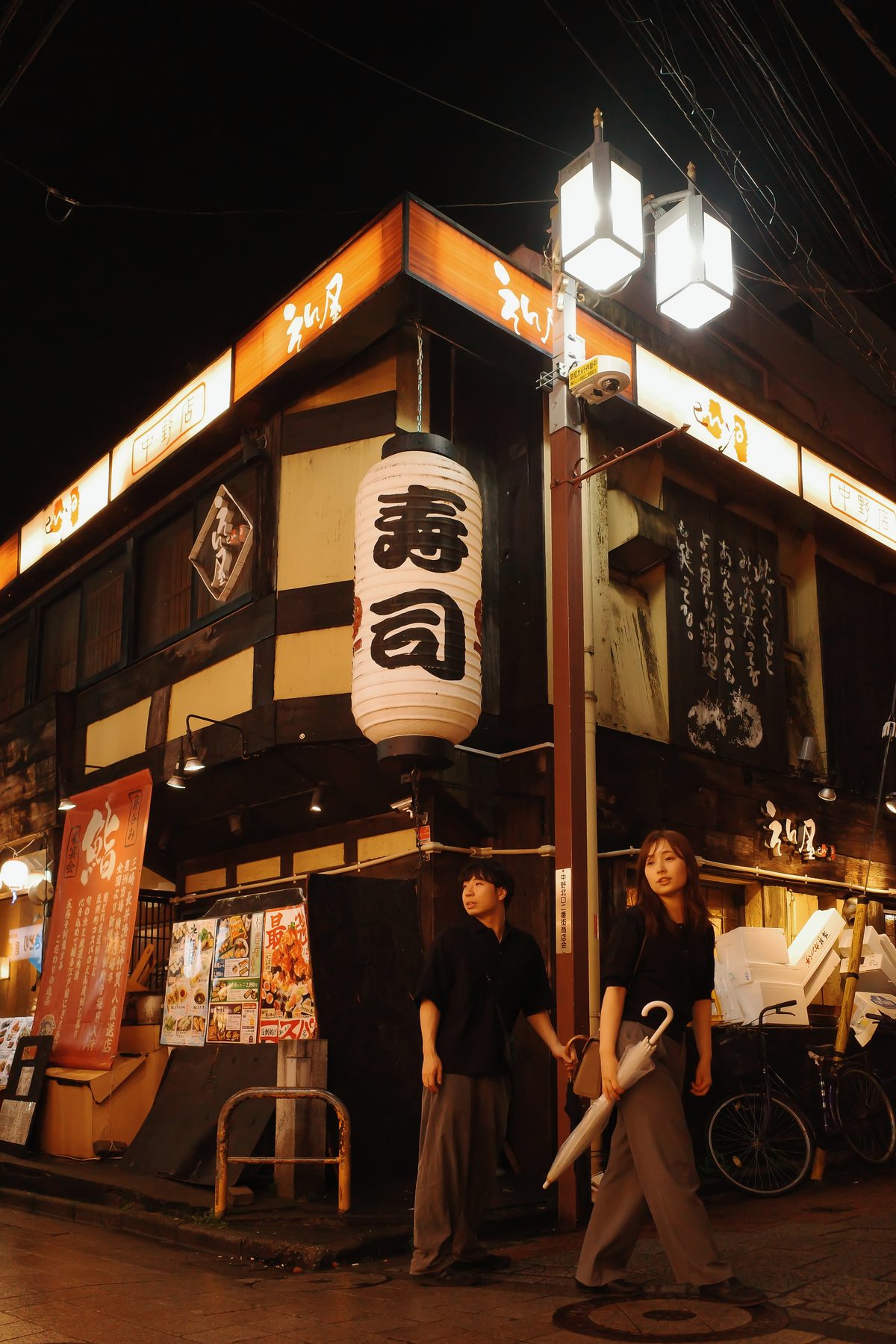
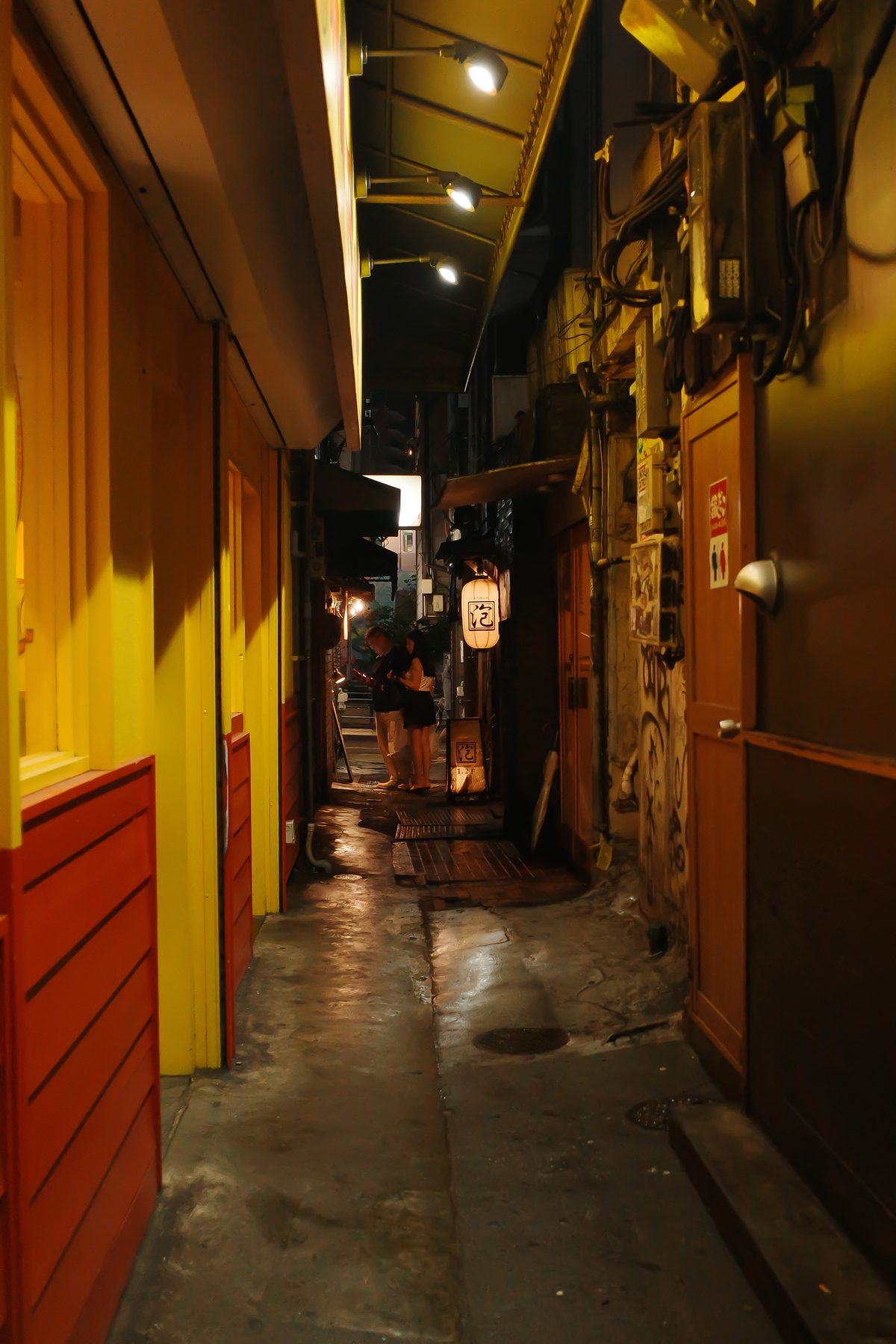
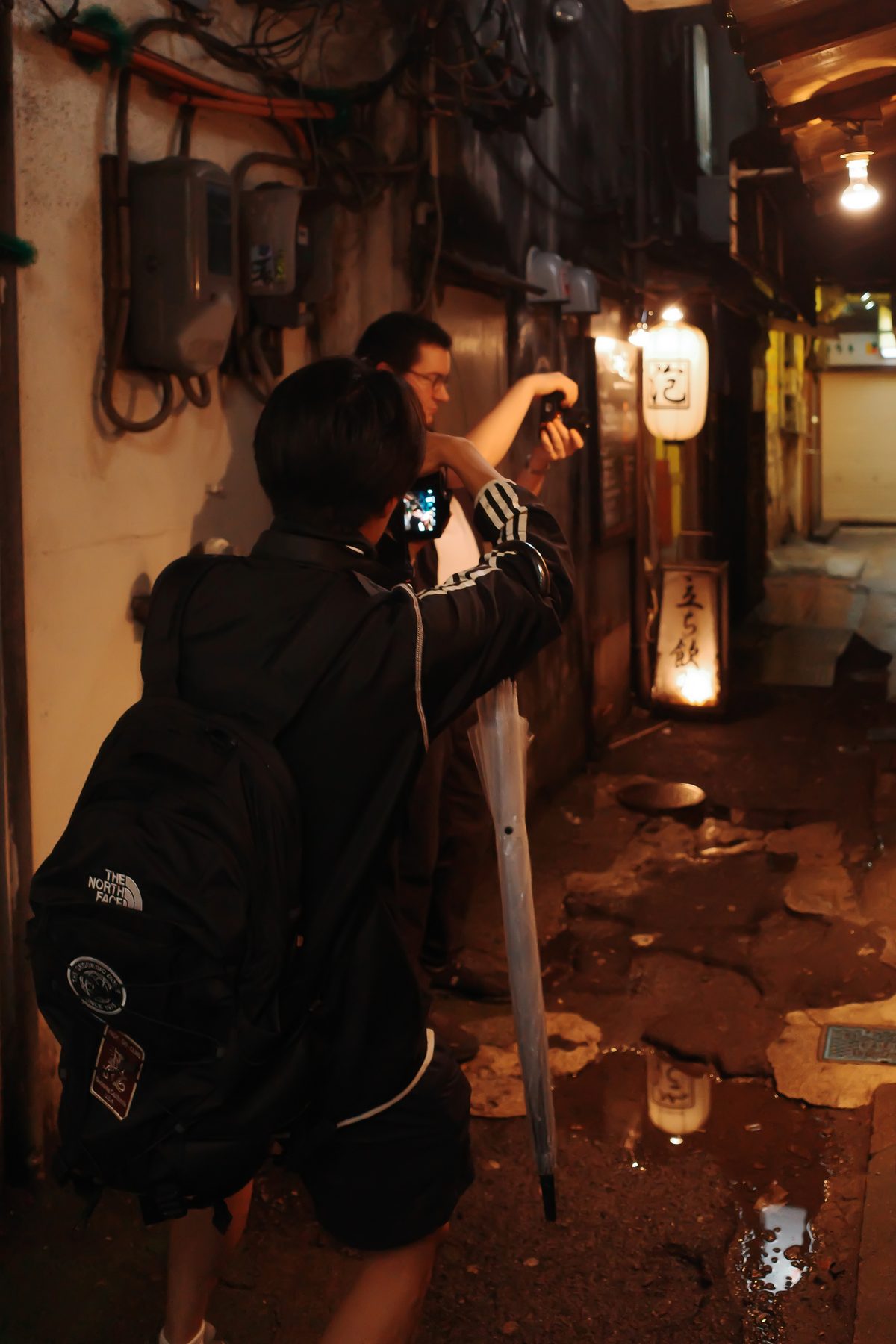
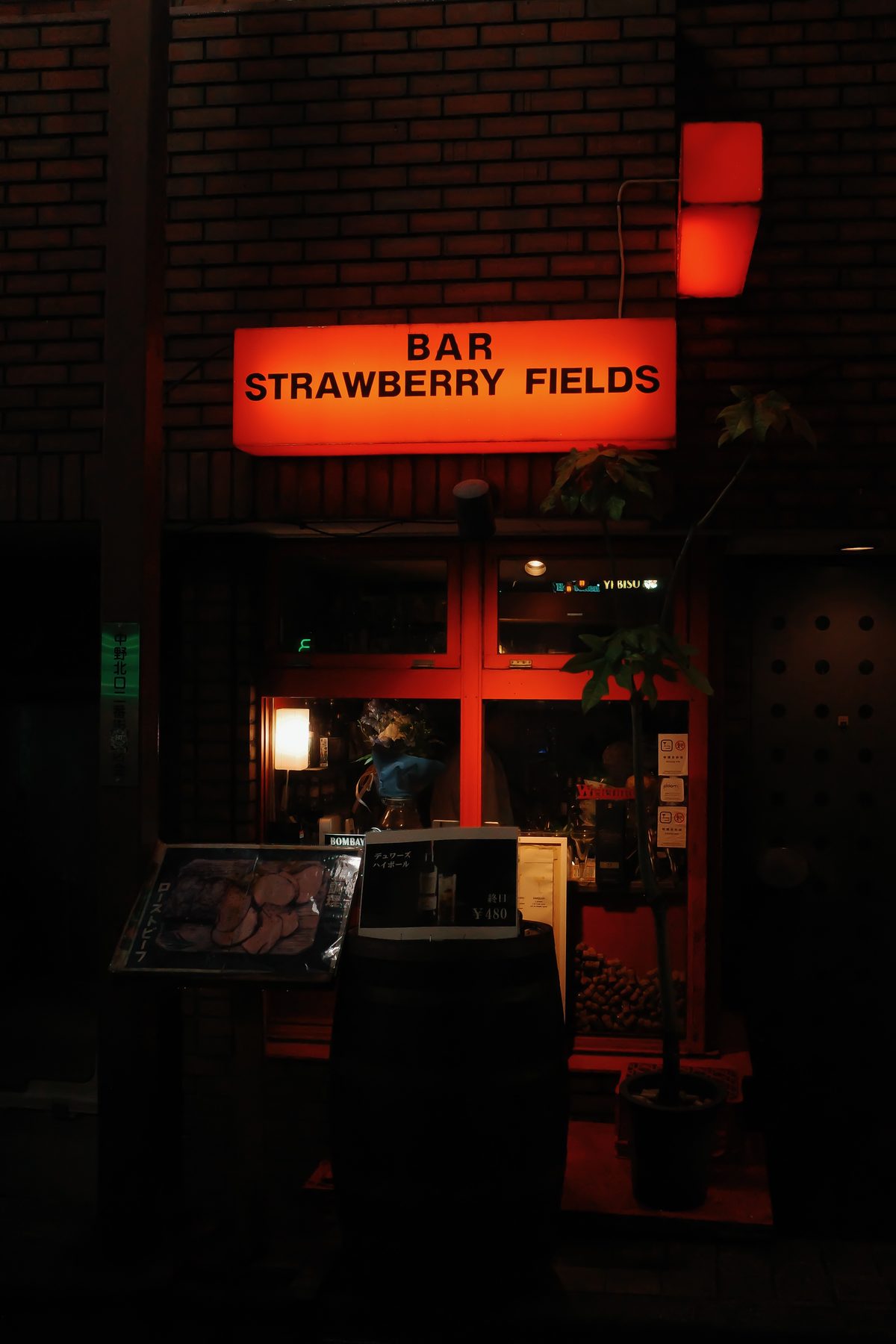
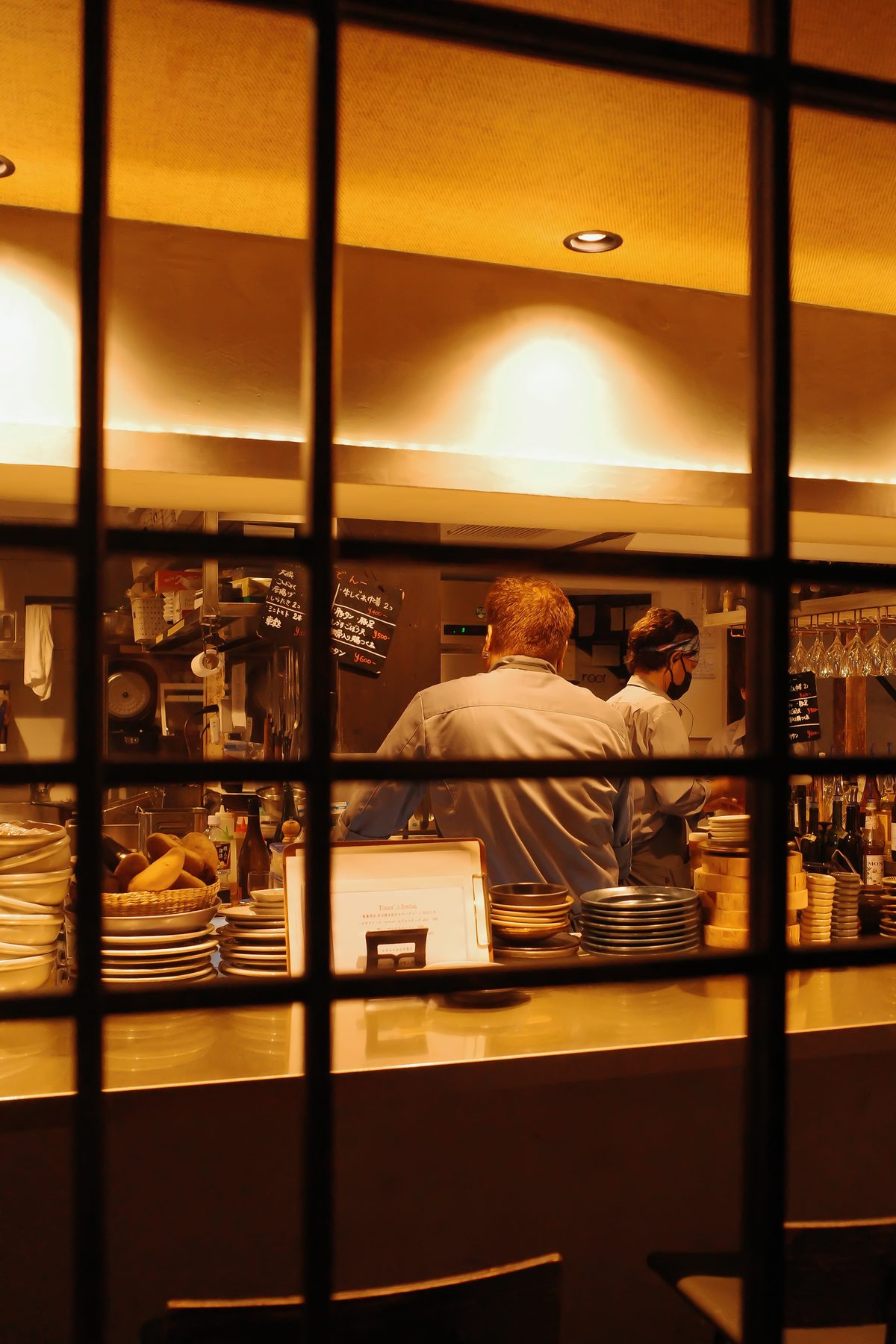
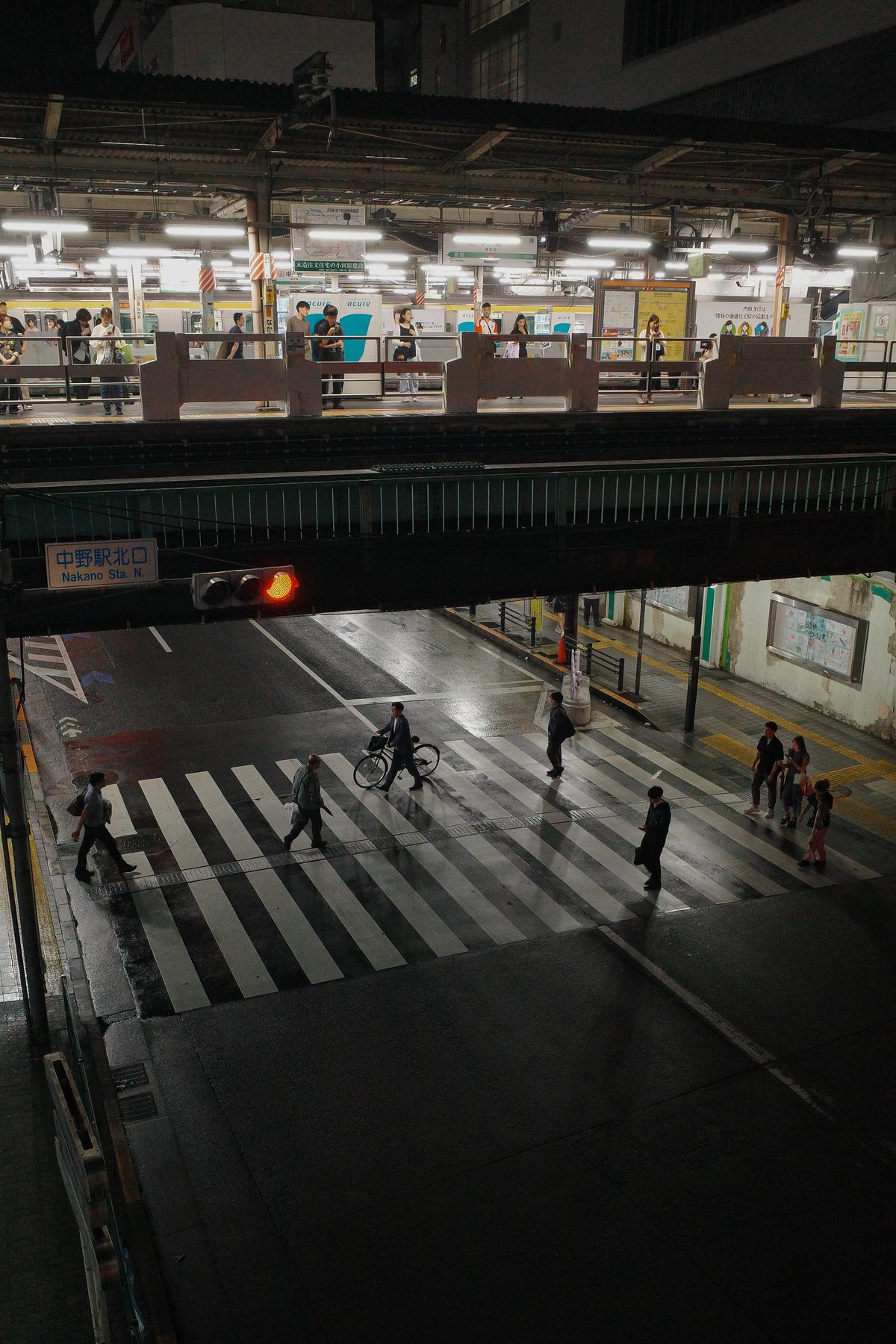
Nakano, one stop further towards Shinjuku, is the home of Nakano Broadway, the building of manga, anime and collectibles I write about in the first timer guide. I came back one evening, in the rain, for the izakaya and the little alleys around the station.
Tokyo west FAQ
Where to buy film in Tokyo?
Camera no Kitamura in Shibuya has a big choice of film and develops it too.
Where to go vintage shopping in Tokyo?
Shimokitazawa and Koenji. In Koenji, I go to the big Trefac on a corner.
Is Meiji Jingu free?
Yes, and it opens at sunrise.
Read next
More from Japan:
- Arashiyama travel guide: go before sunrise
- Kawaguchiko travel guide: up at 4:30am to see Mount Fuji
- Kyoto travel guide: sunrise at Fushimi Inari, and a bathhouse for lunch
- Nara travel guide: a day trip from Osaka, with the deer
Affiliate disclosure: some links in this article are affiliate links. If you buy or book through them, I earn a small commission at no extra cost to you. More