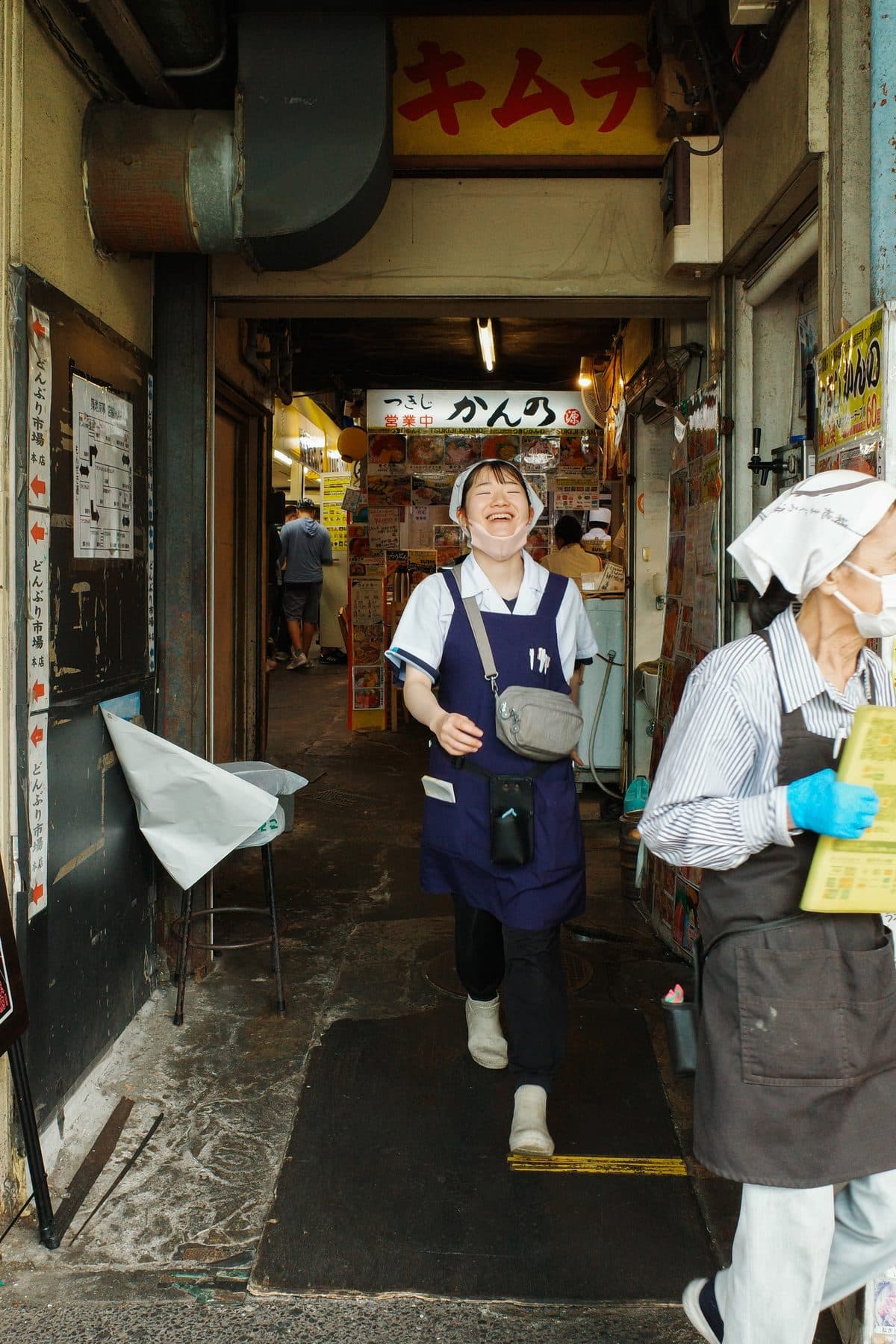
The south was a few days of my twelve days alone in Tokyo. Each morning I picked a direction, took the metro out there, and walked.
Where I walked: Tsukiji in Chuo; Shinbashi, Shiba, Daimon and Hamamatsucho in Minato; a big loop through Shinagawa, from Oi to Osaki, Gotanda and Musashi-Koyama; Nakameguro in Meguro; Daikanyama and Ebisu.
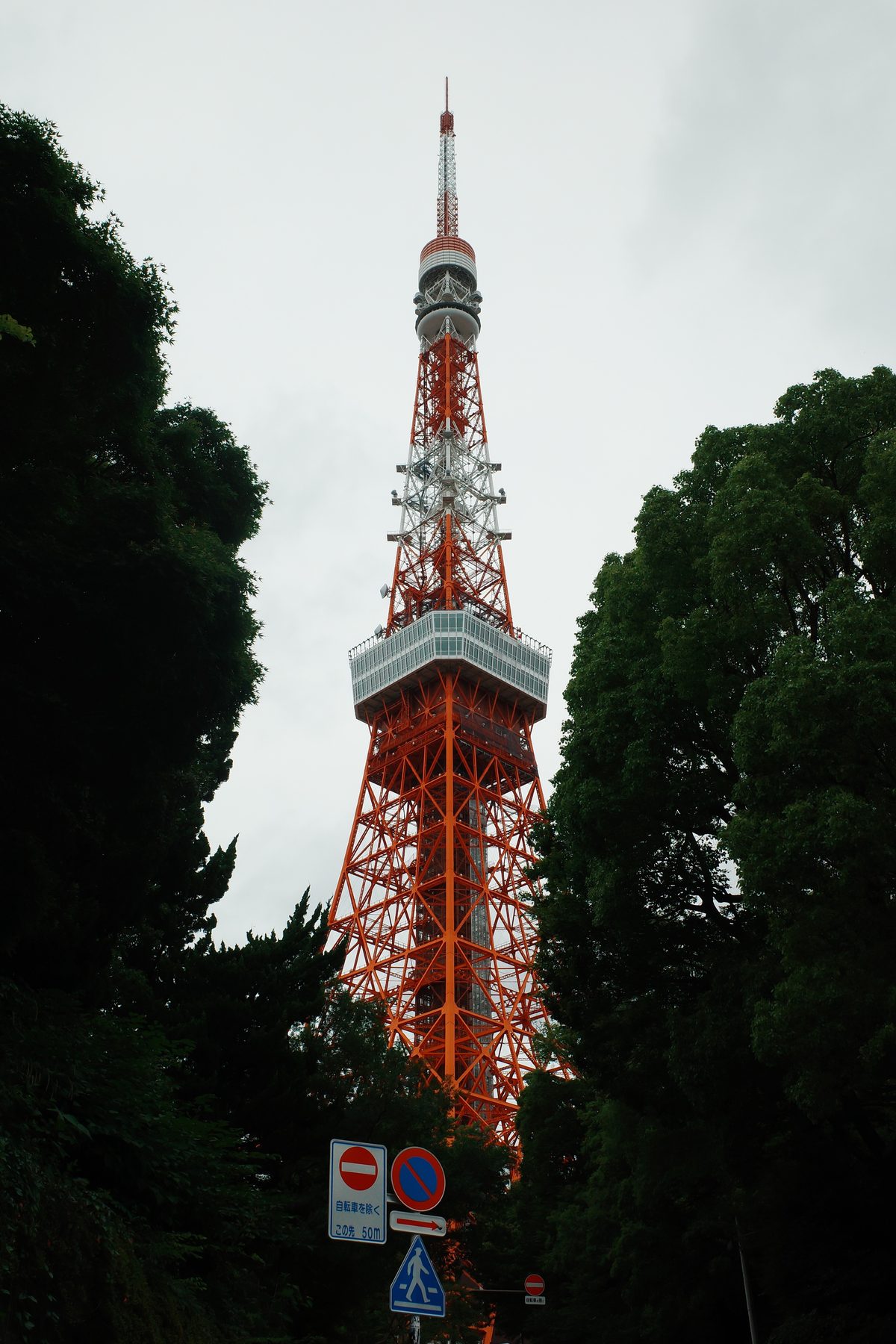
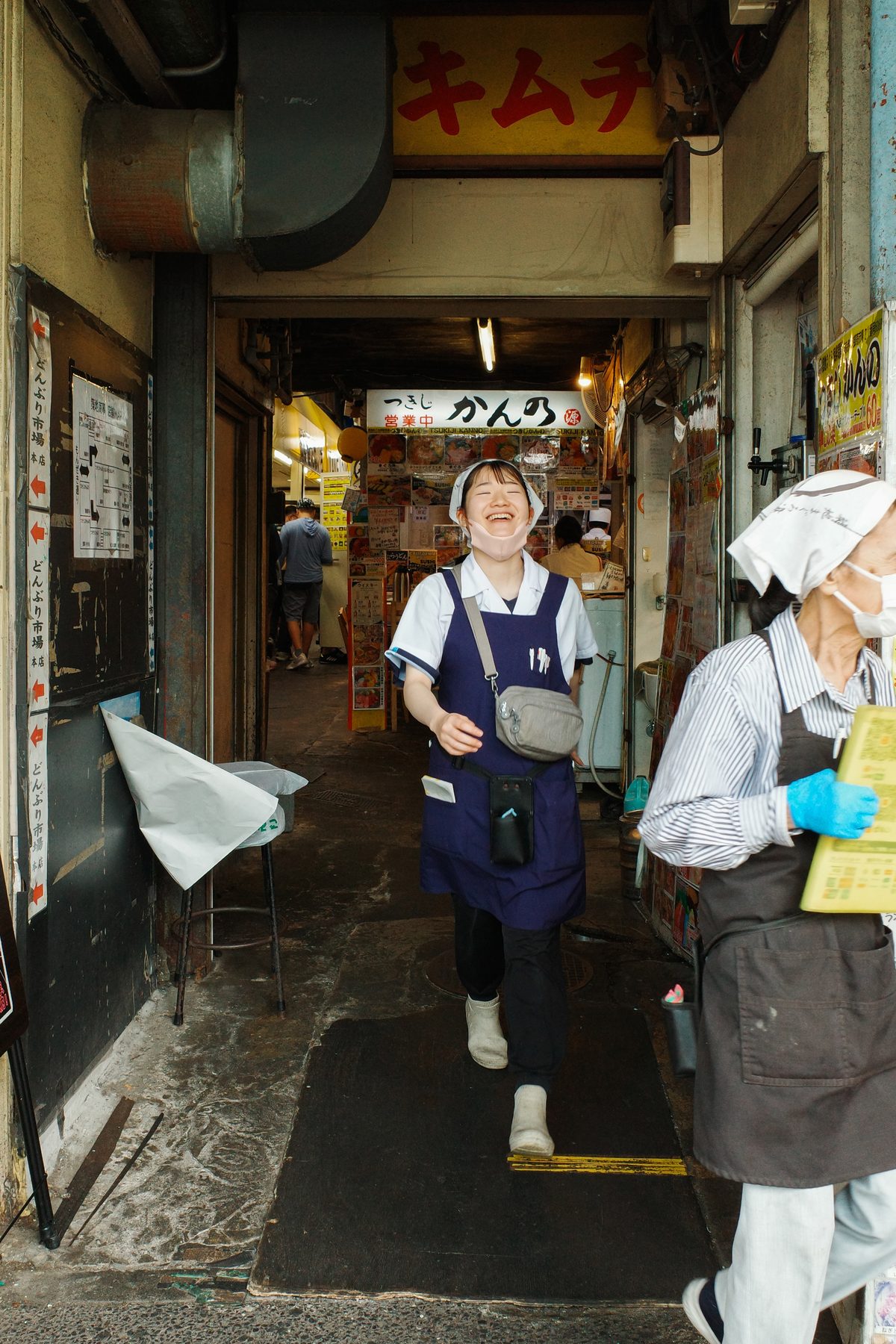
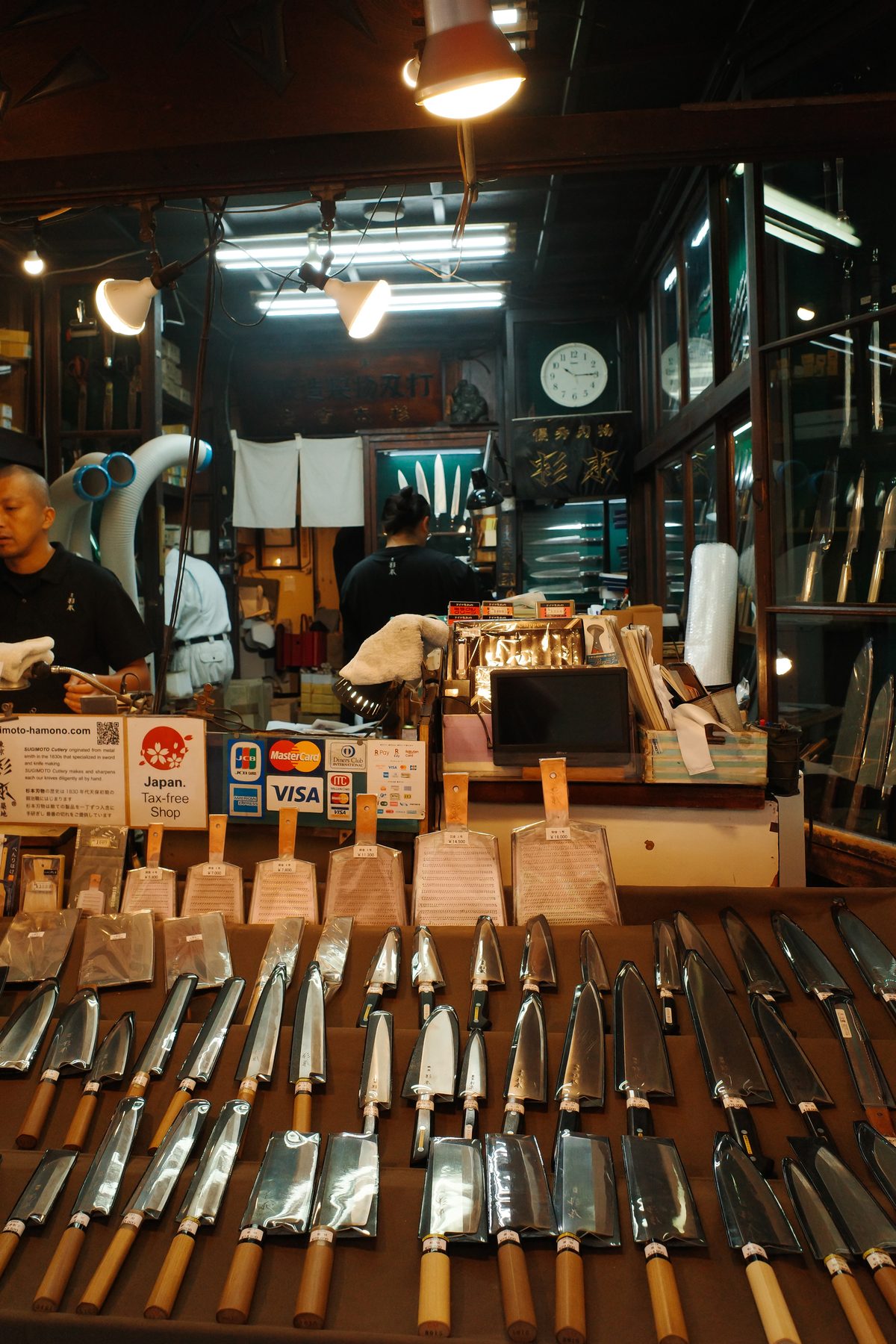
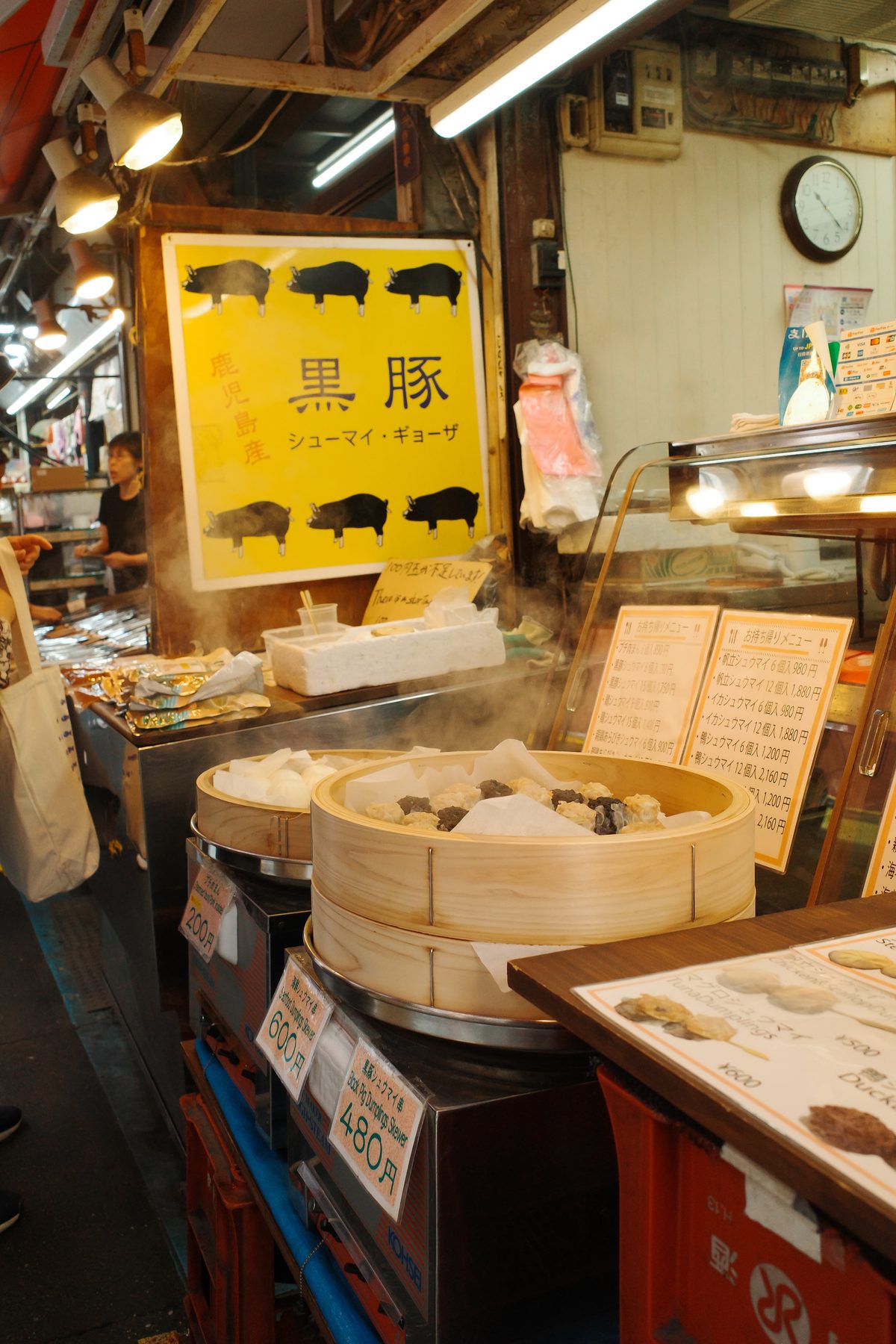
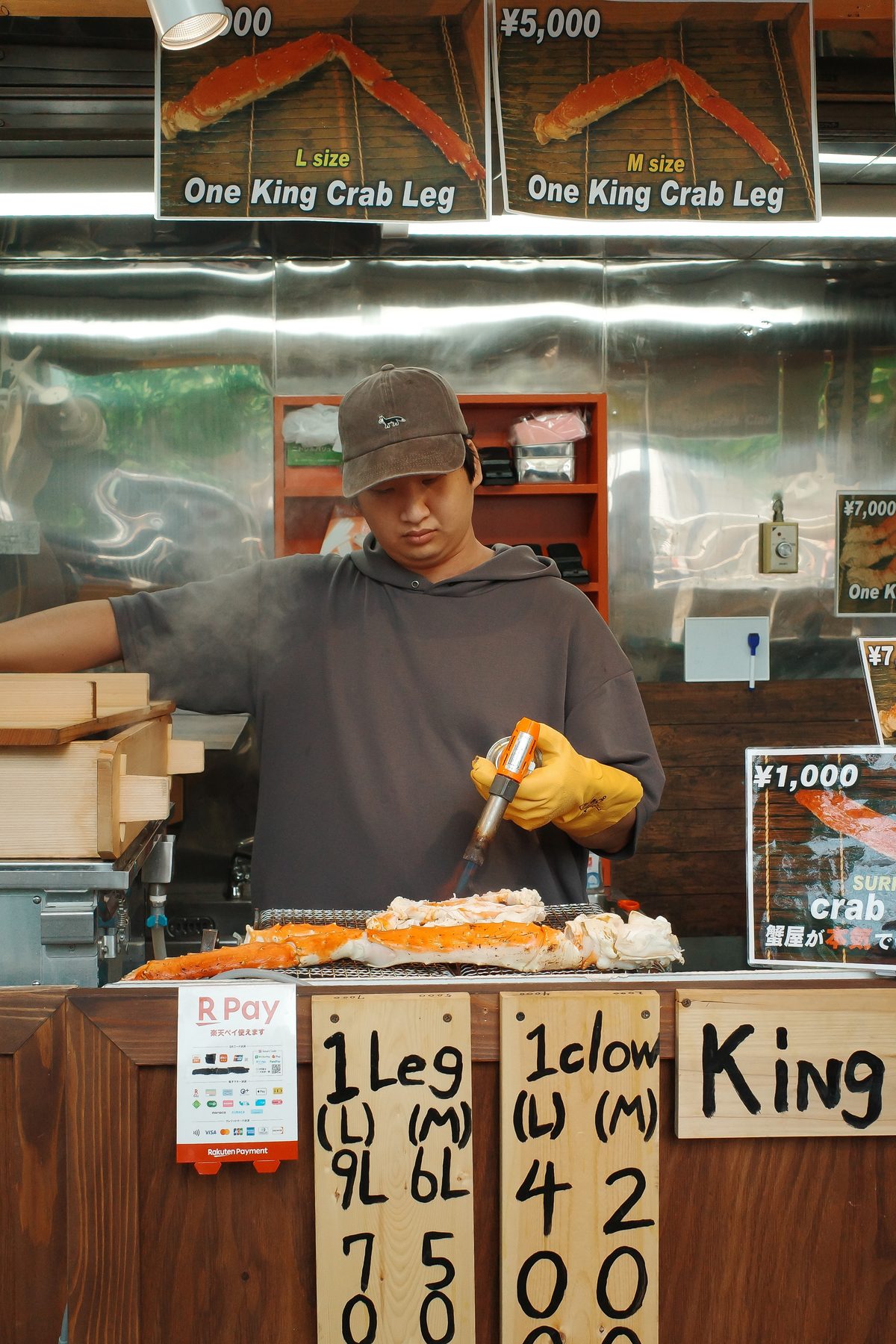
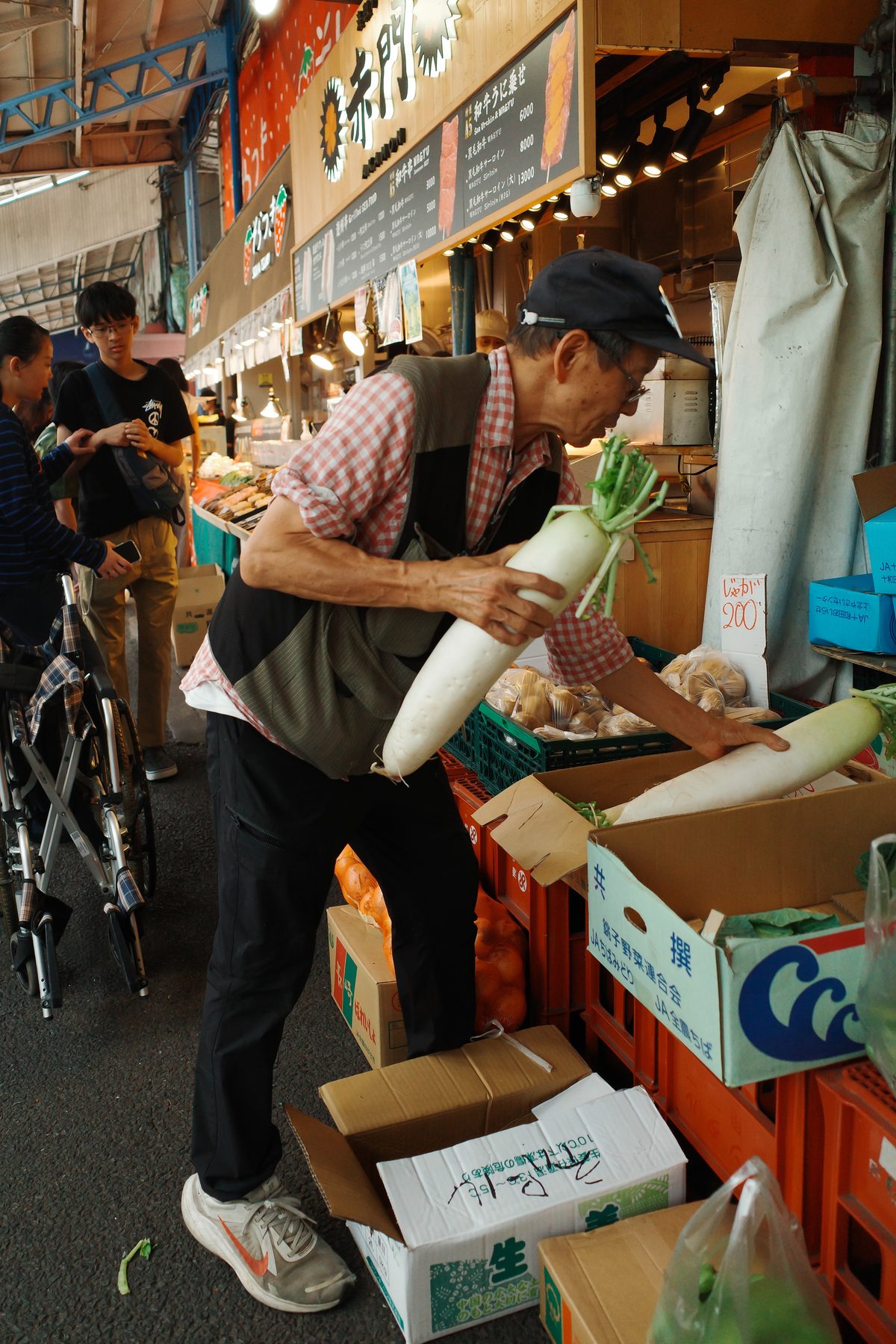
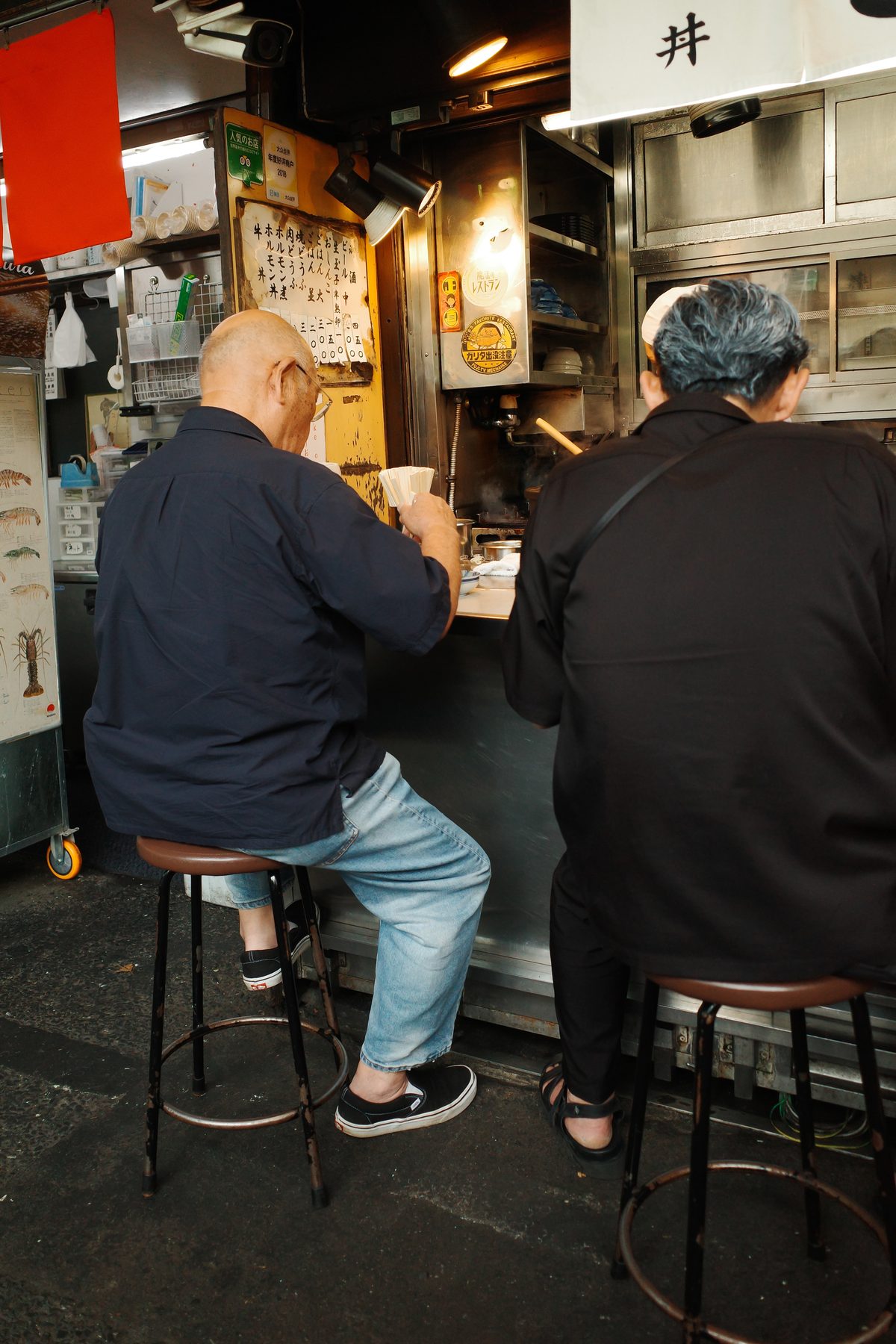
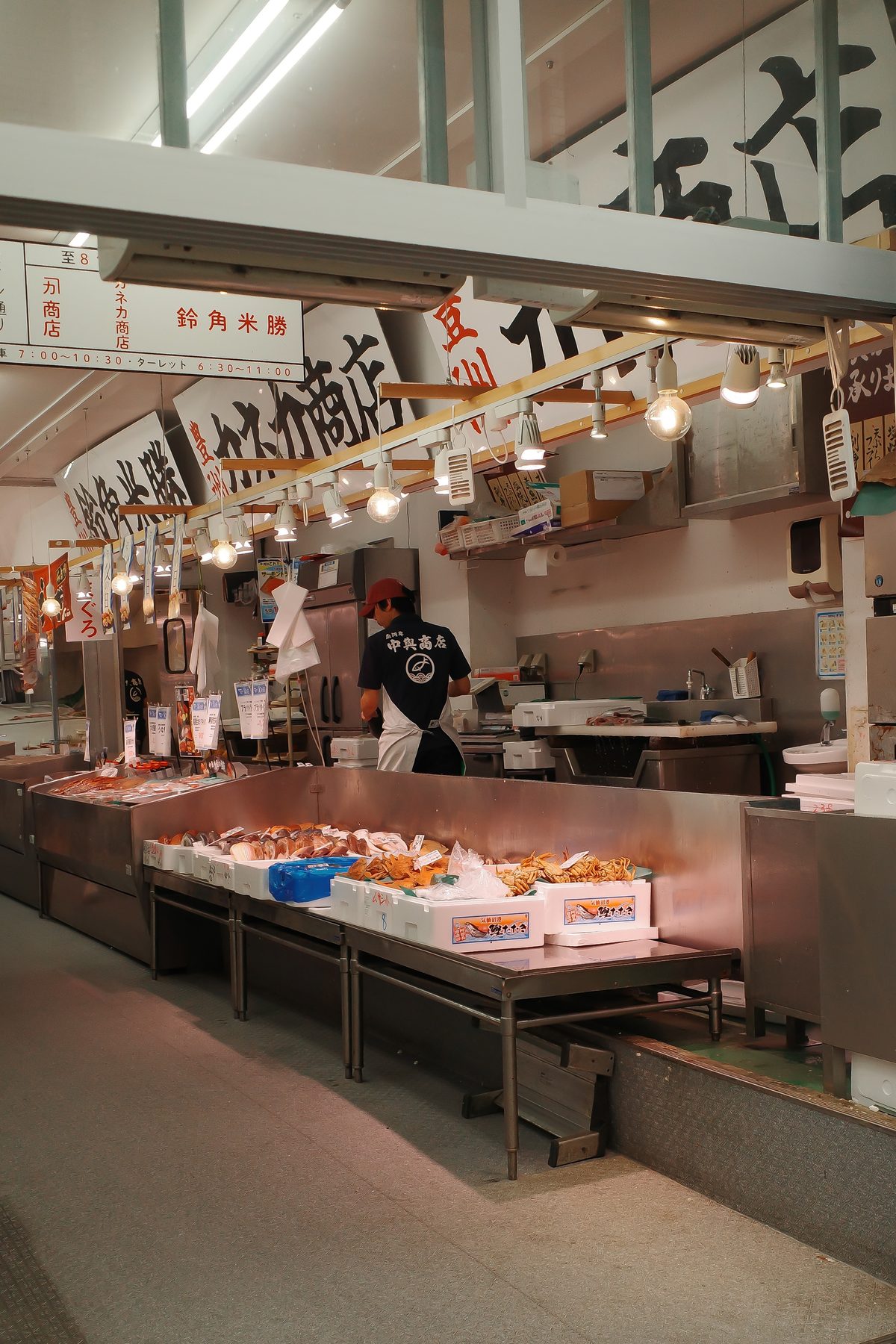
Tsukiji outer market
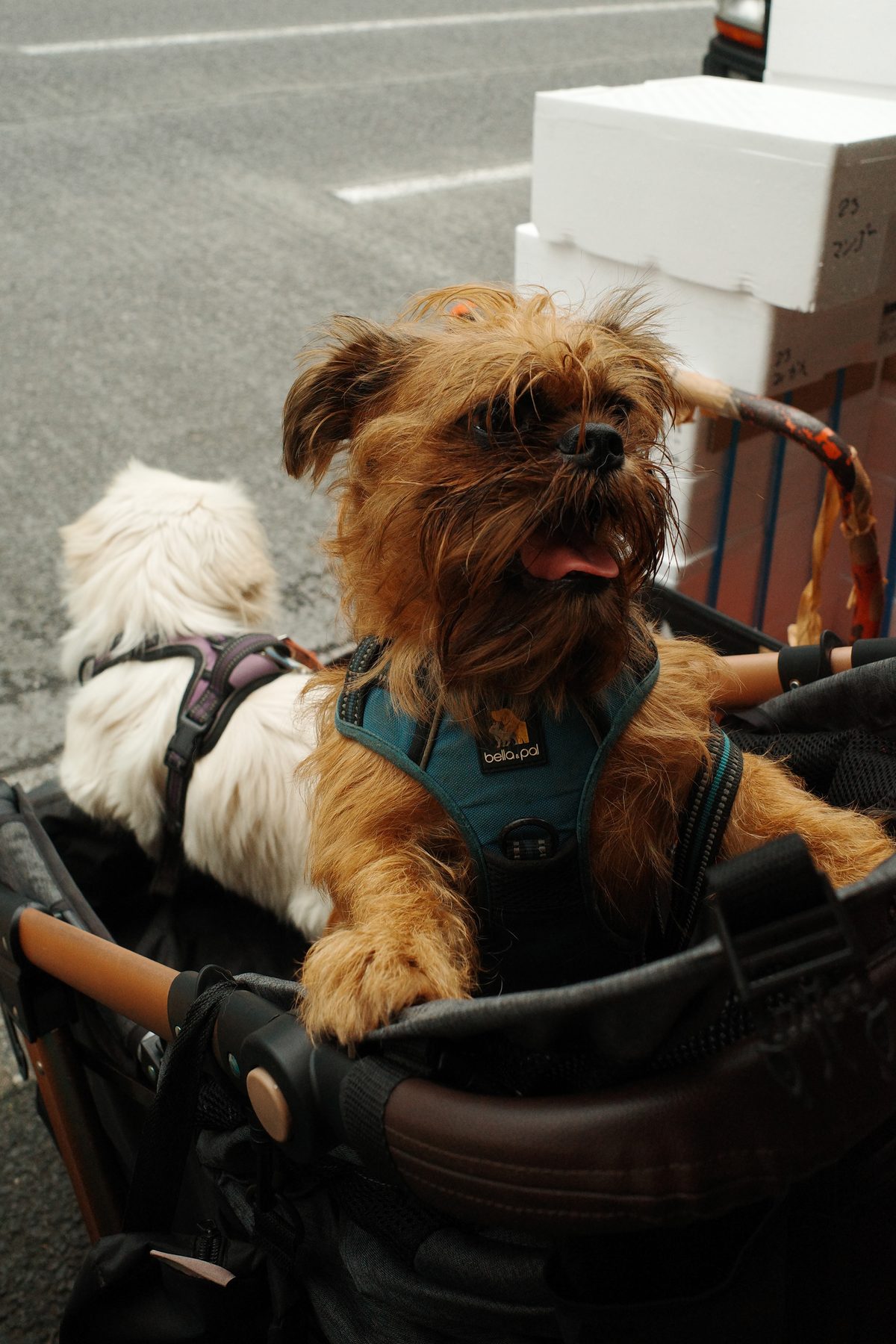
It was great. An incredible atmosphere.
Good to know: the fish auctions moved to Toyosu in 2018, but the outer market stayed, with its fishmongers, knife shops and food counters. Most shops open from about 5am to 2pm. It is closed on Sundays and public holidays, and many shops also close on some Wednesdays. The closest stations are Tsukiji Shijo (Oedo line) and Tsukiji (Hibiya line). Go early.
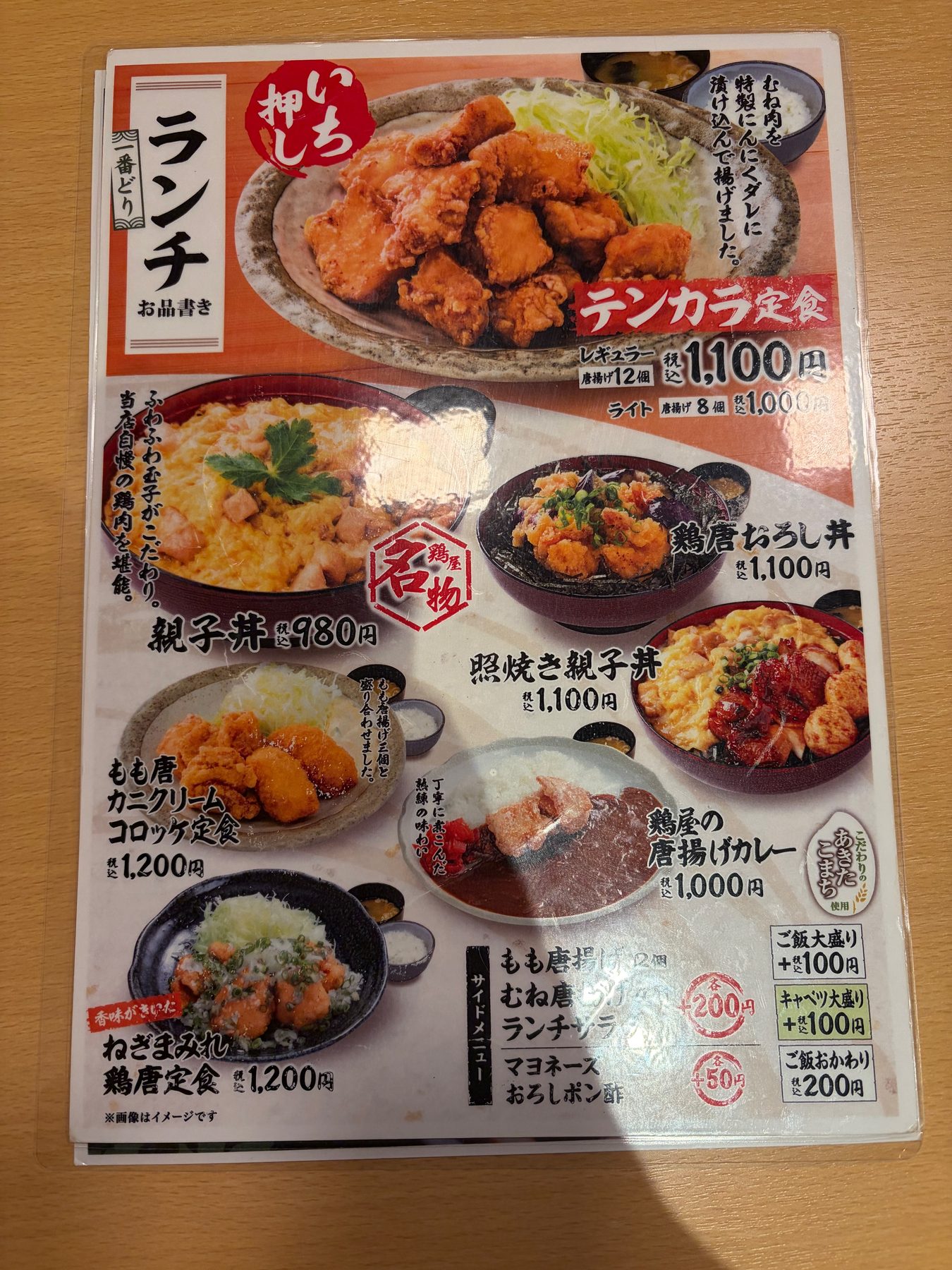
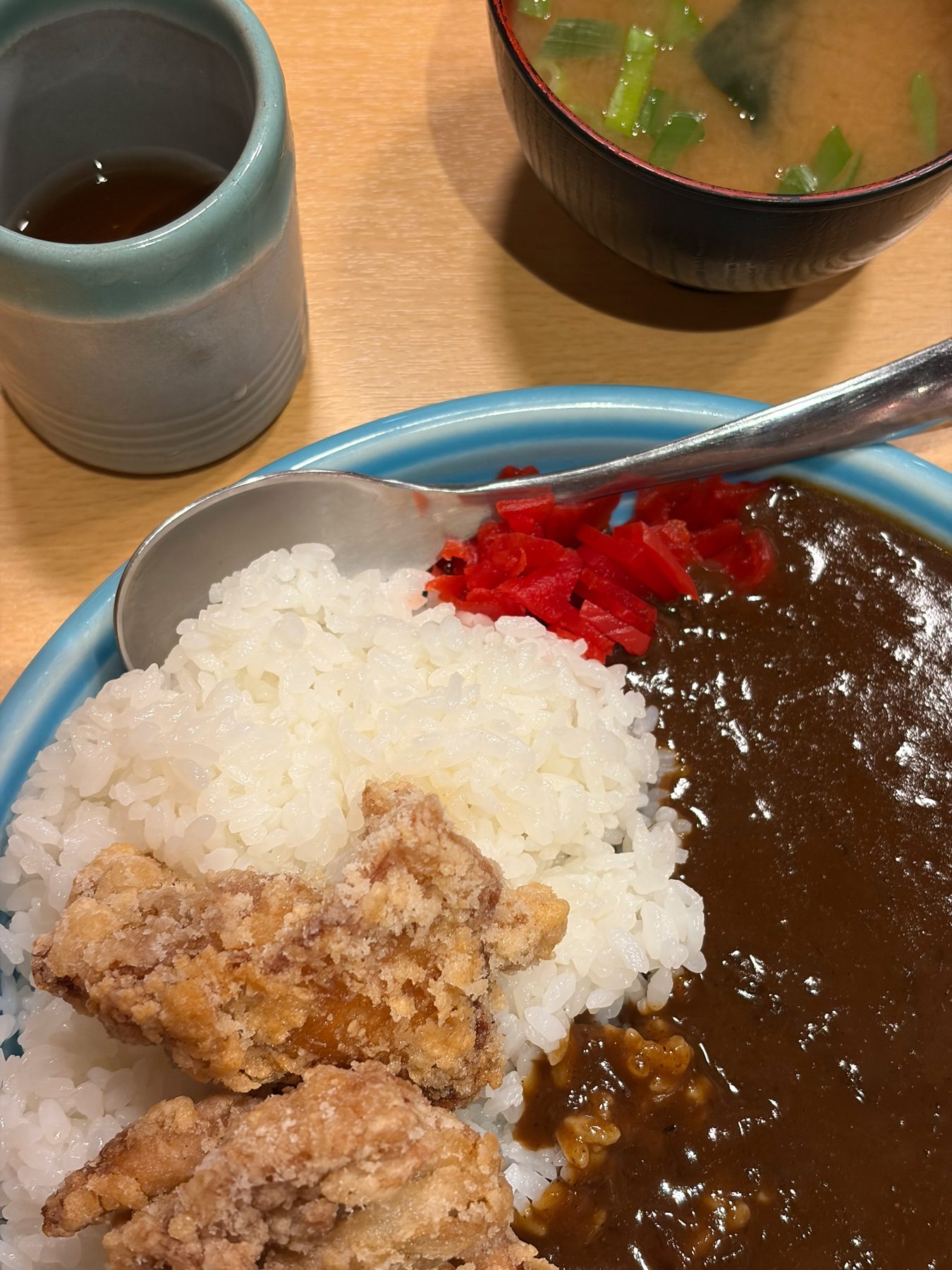
Lunch in Shinbashi
A curry with fried chicken, in a restaurant inside Shinbashi station.
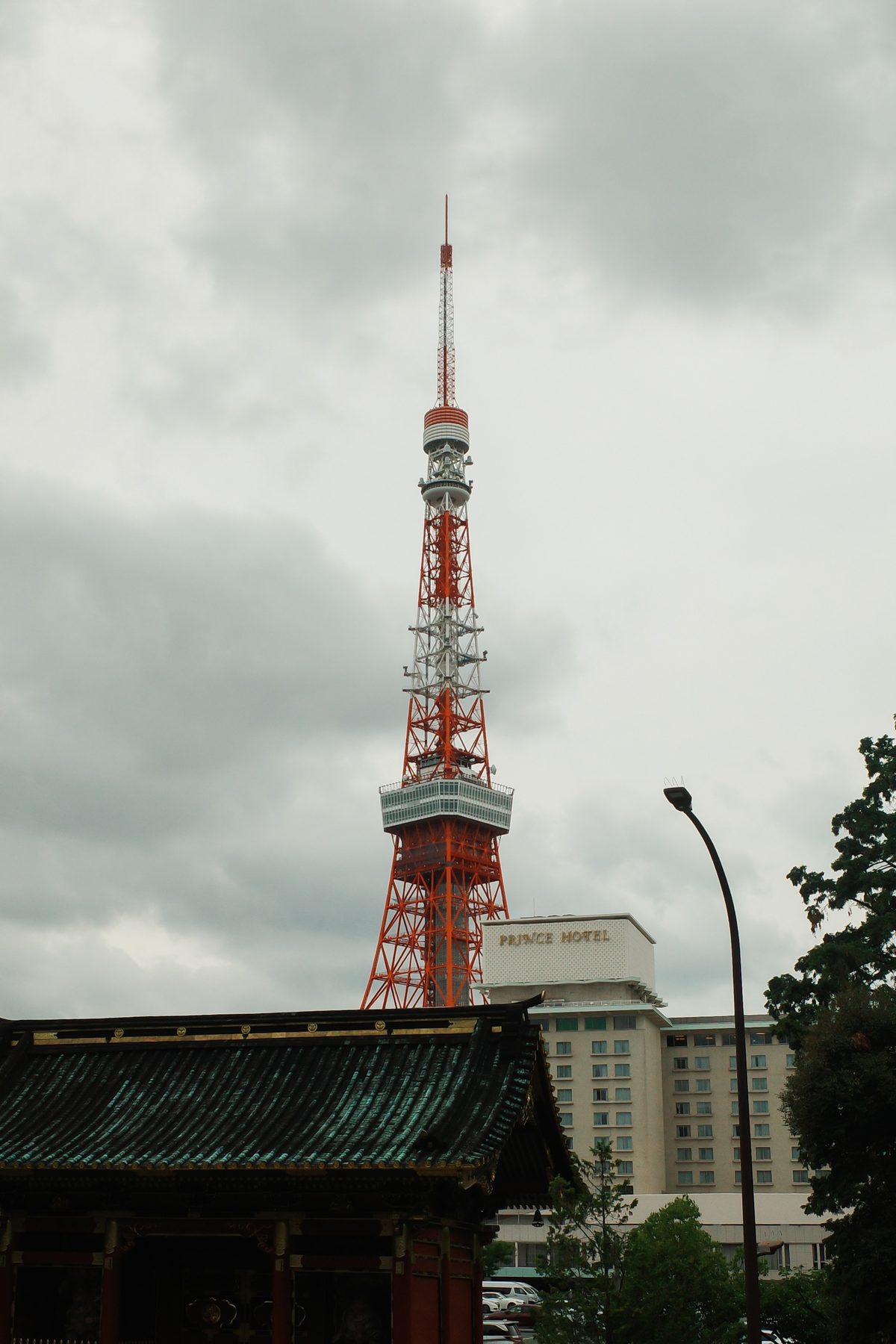
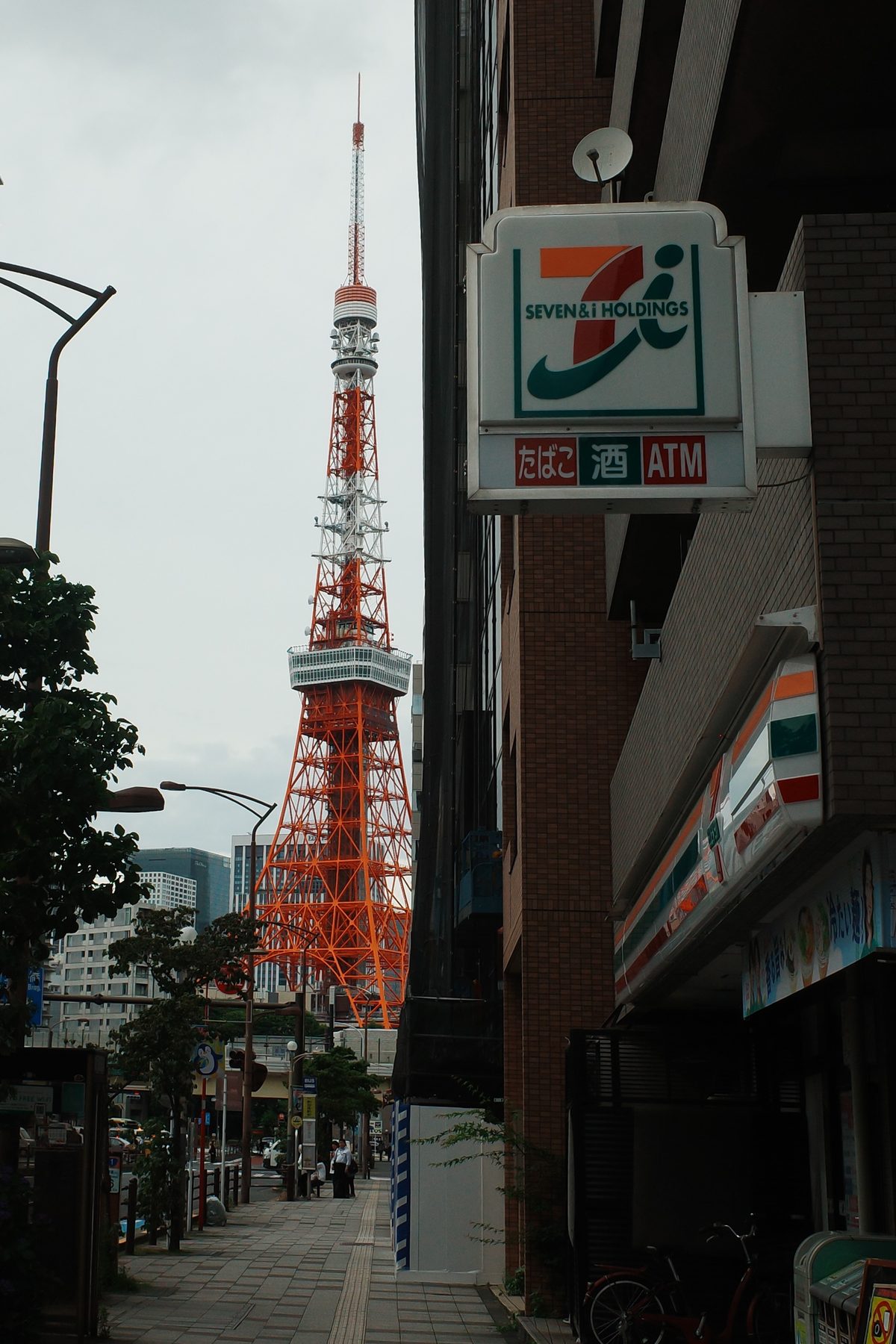
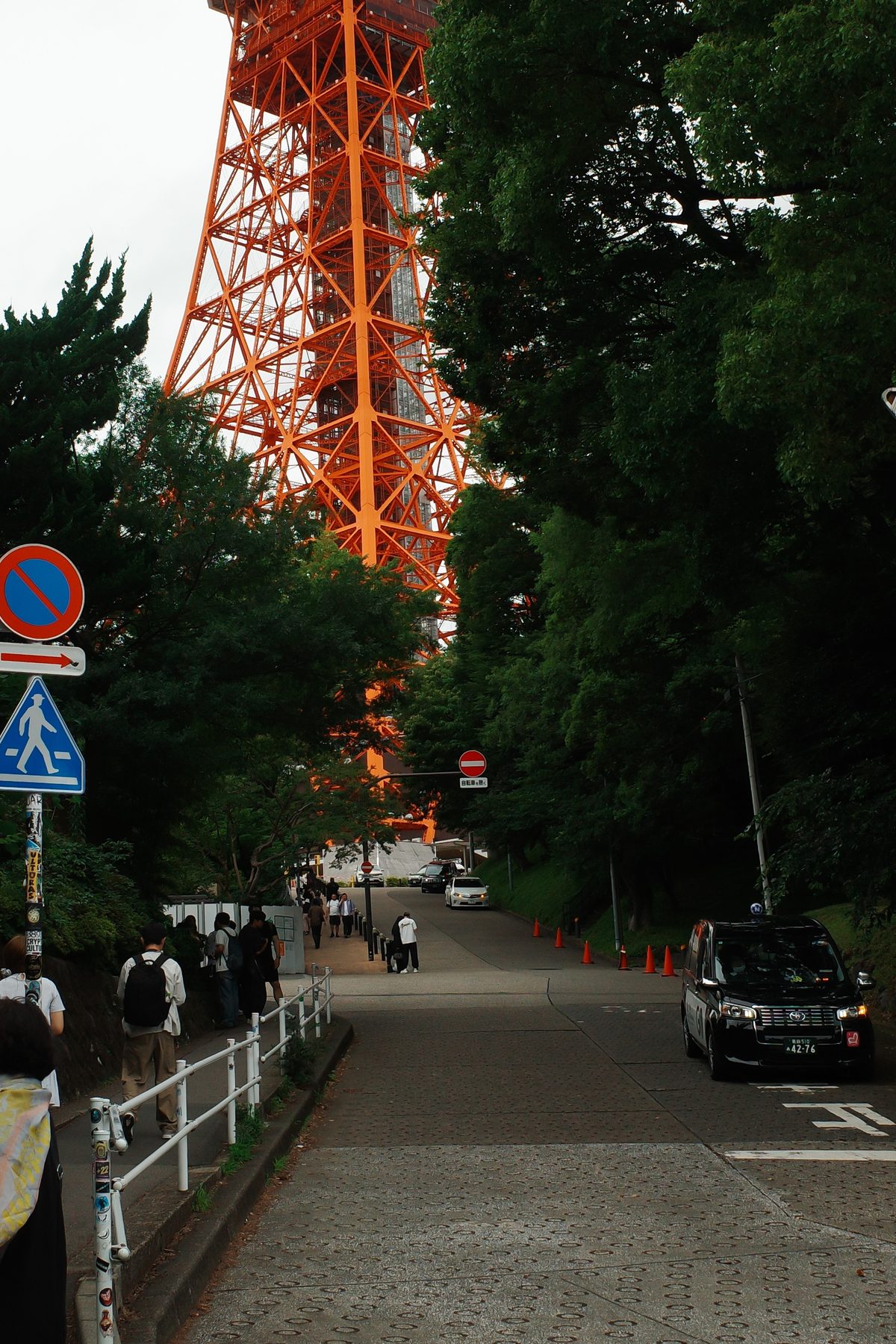
Daimon and Hamamatsucho
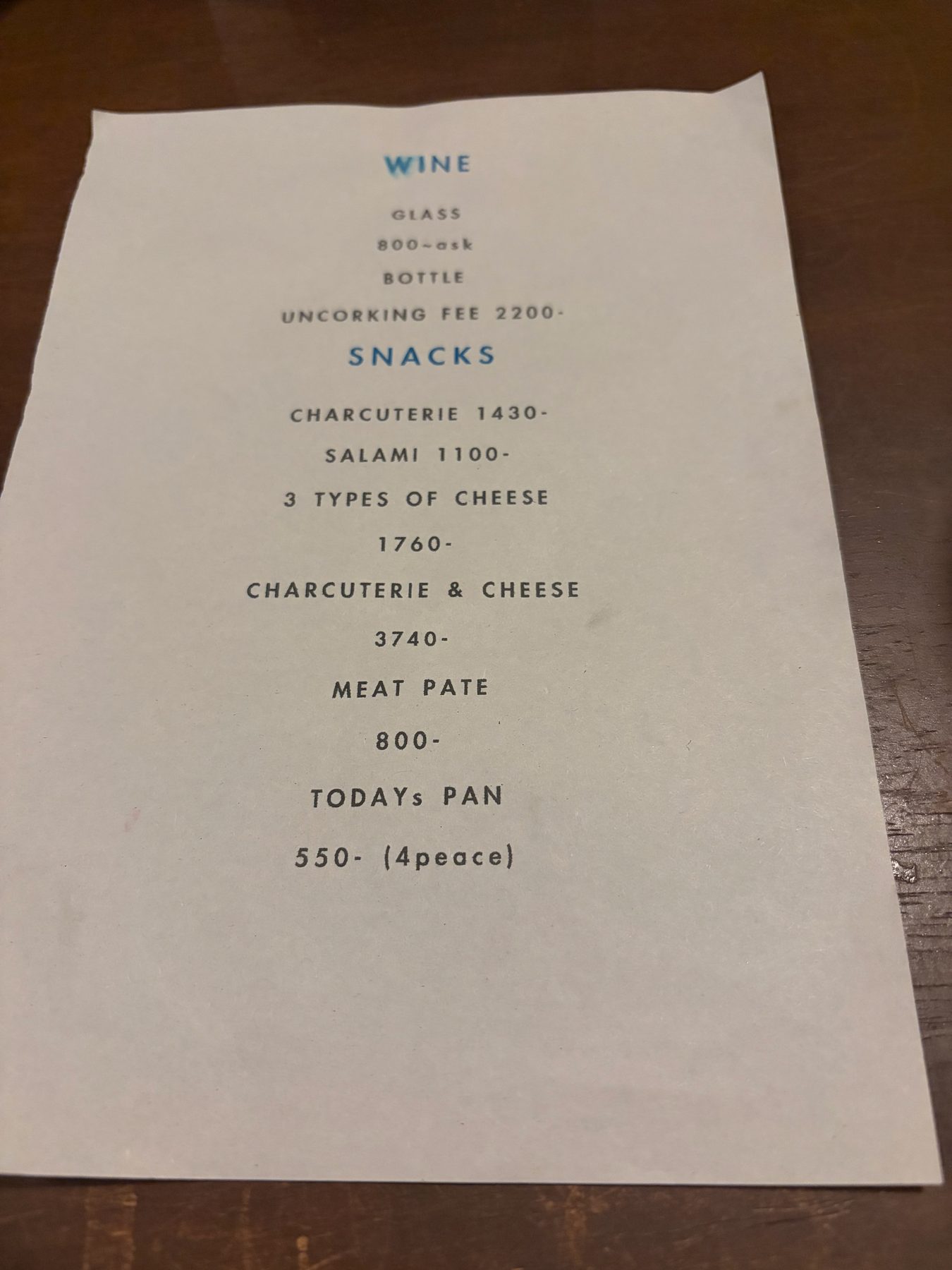
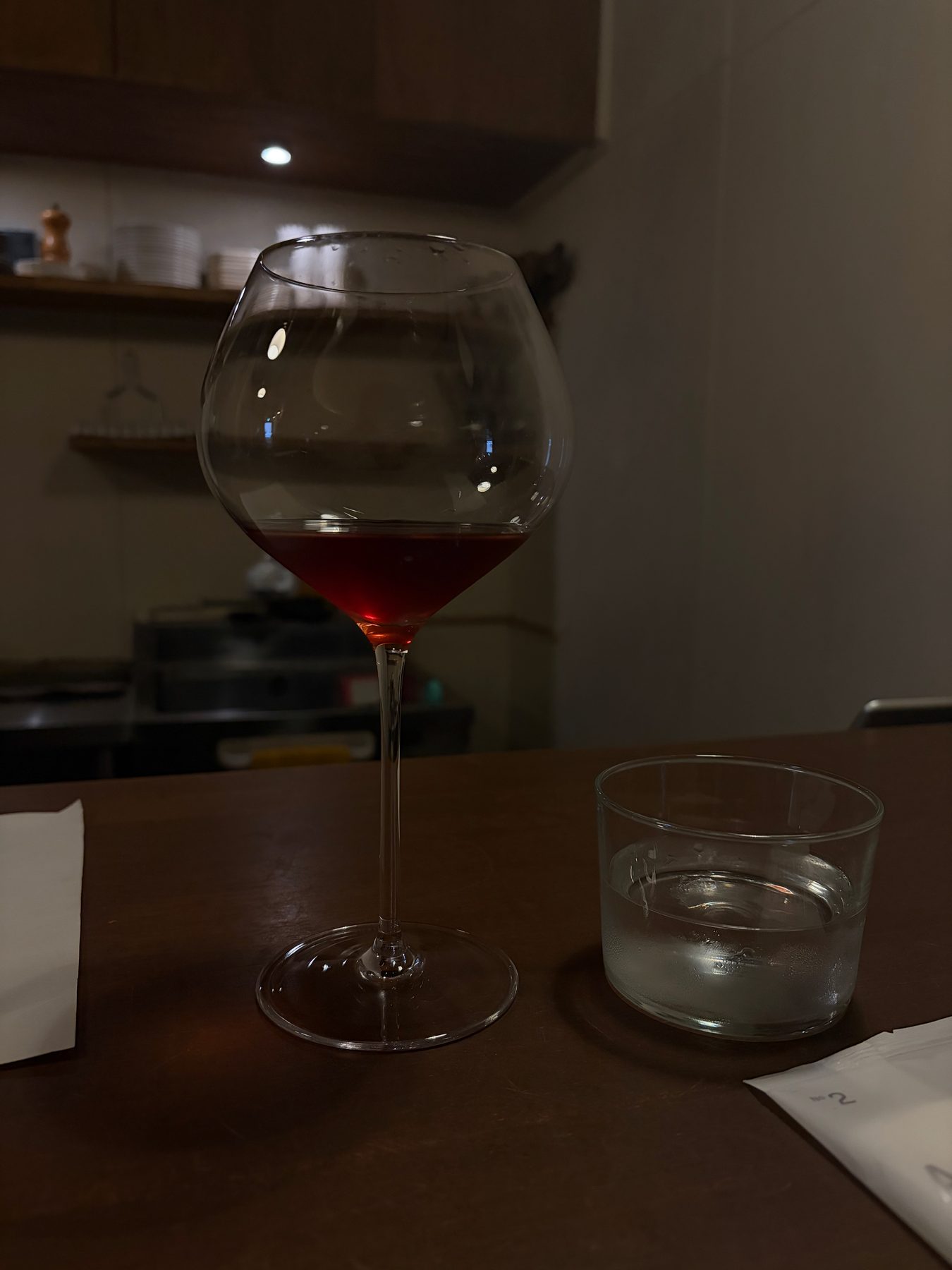
Câlin, a natural wine bar. Hamamatsucho 1-18-10, one minute from Daimon station, exit A2. Every day, 2pm to 11pm. A really lovely place. I was the only customer, so I chatted with the barman. You can also buy bottles to take away.
Hamamatsucho, next door, is where the monorail leaves for Haneda airport. One minute from the JR north exit, Kyu-Shiba-rikyu is a small Edo-period garden around a pond, with the towers all around. 9am to 5pm, last entry 4:30pm, 150 yen.
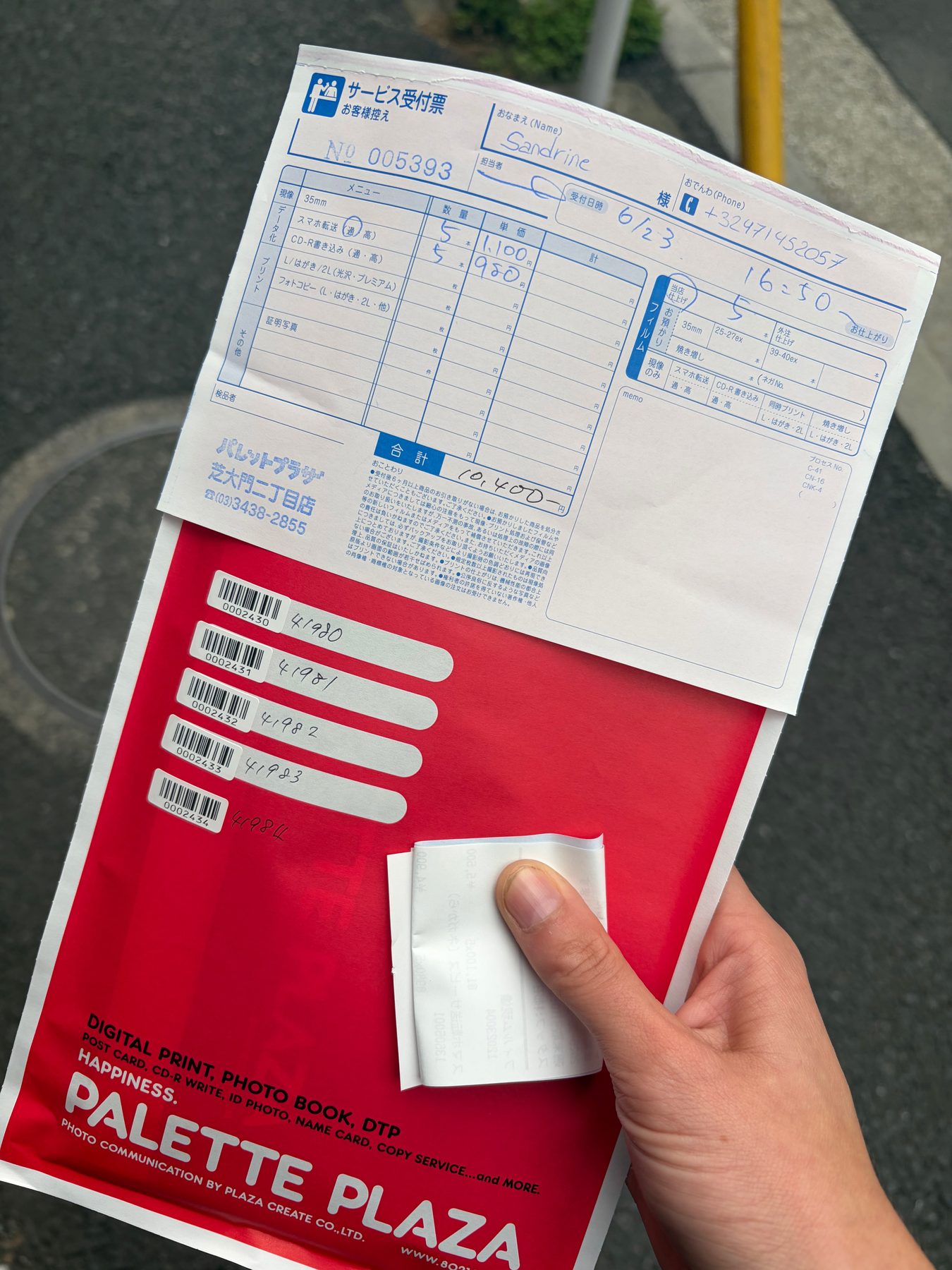
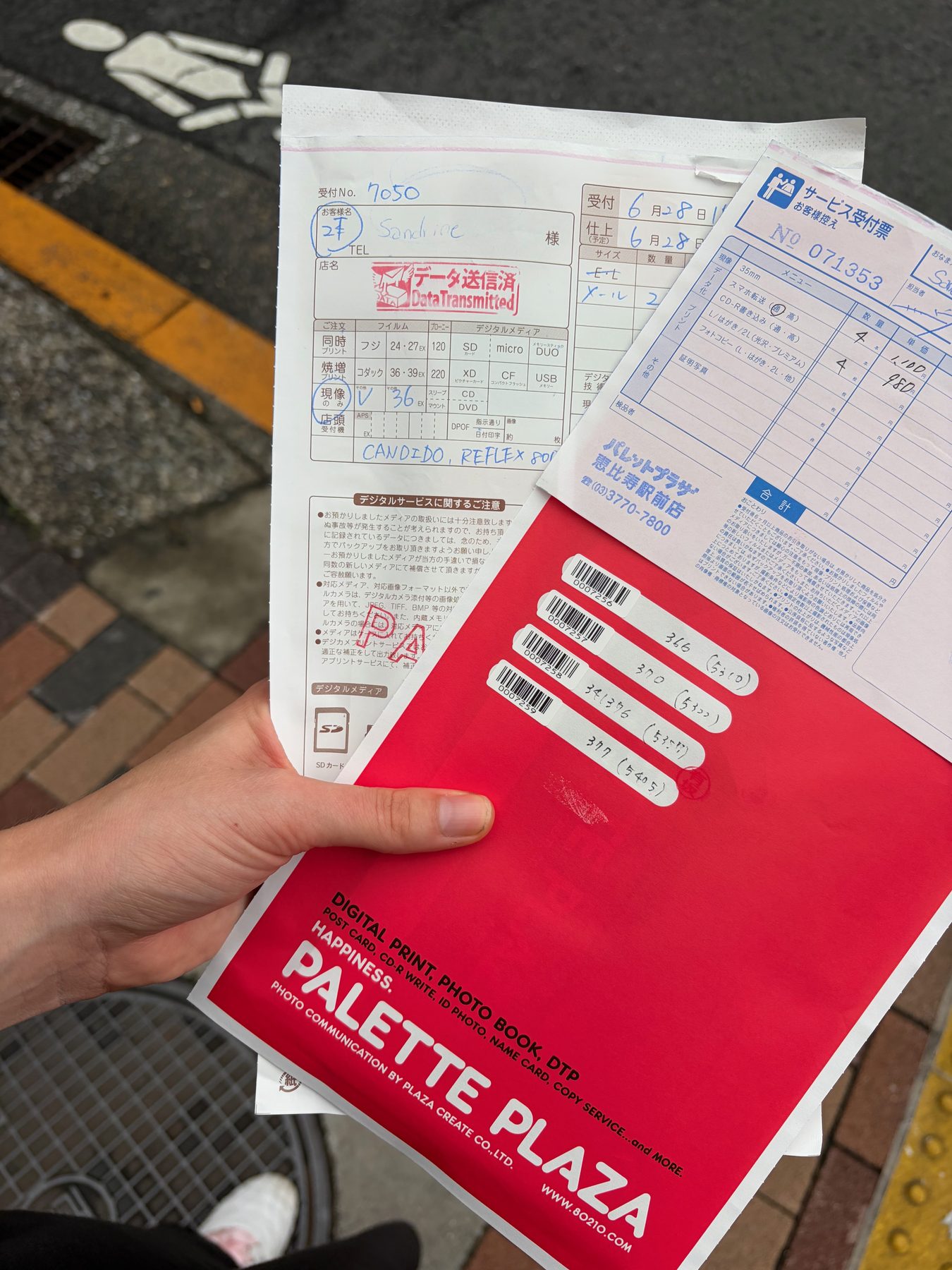
Film: I had my films developed at two Palette Plaza shops, one here in Shiba-Daimon and one in Ebisu. About an hour of waiting each time, and they even printed a few photos for me as a bonus, because they liked what I was shooting.
Oi, Osaki and Shinagawa
After the flea market, I walked a big loop through Shinagawa.
Oimachi is a busy station hub on the JR Keihin-Tohoku, Tokyu Oimachi and Rinkai lines, with the Oi Racecourse a little to the east, by the bay.
Osaki is the opposite: a redeveloped business district of glass towers around the station, one stop from Gotanda on the Yamanote line.
Kita-Shinagawa keeps the memory of Shinagawa-juku, the first stop on the old Tokaido road out of Nihonbashi. The old road is now a long shopping street of small shops and restaurants, two minutes from Kitashinagawa station on the Keikyu line.
Gotanda and Musashi-Koyama
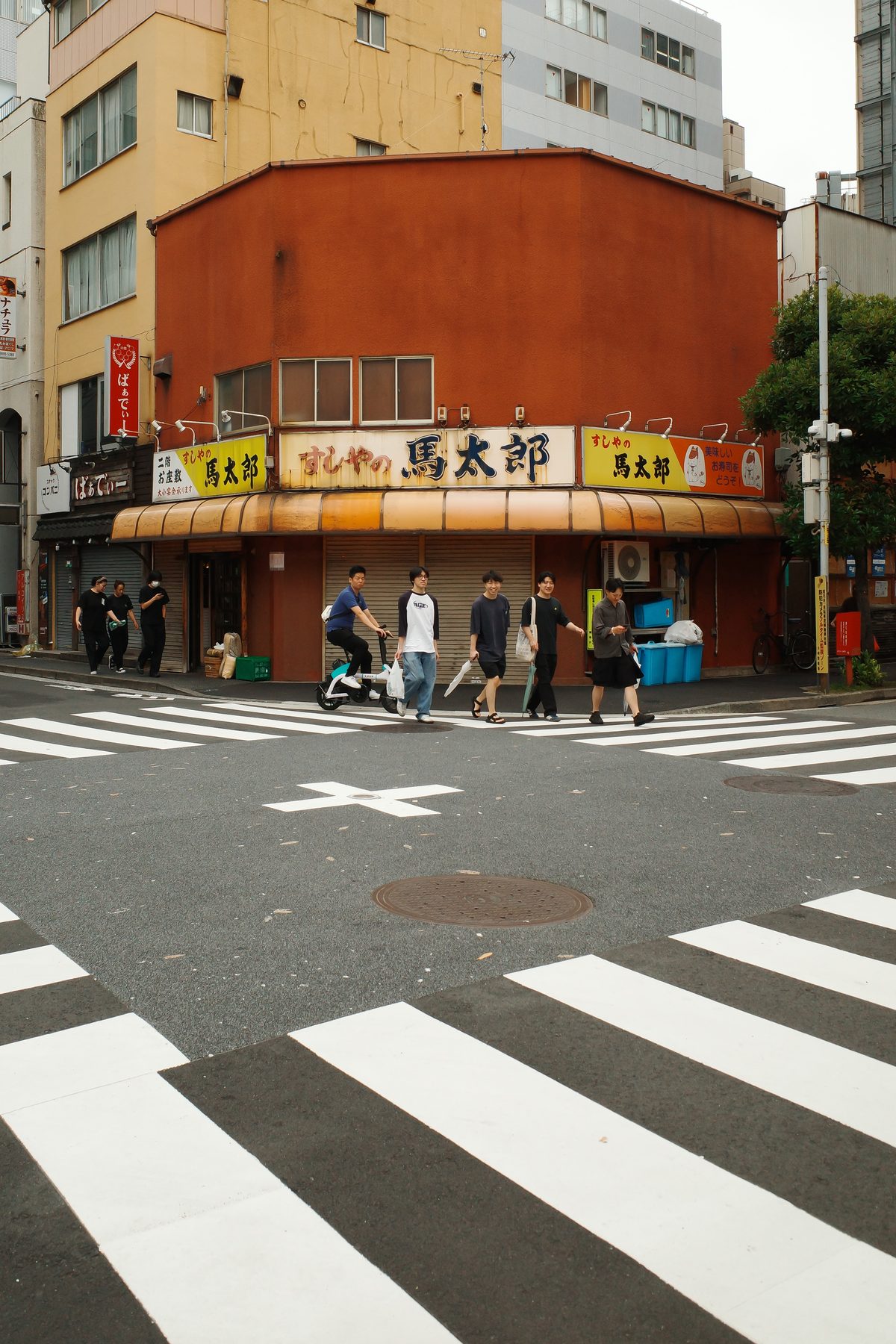
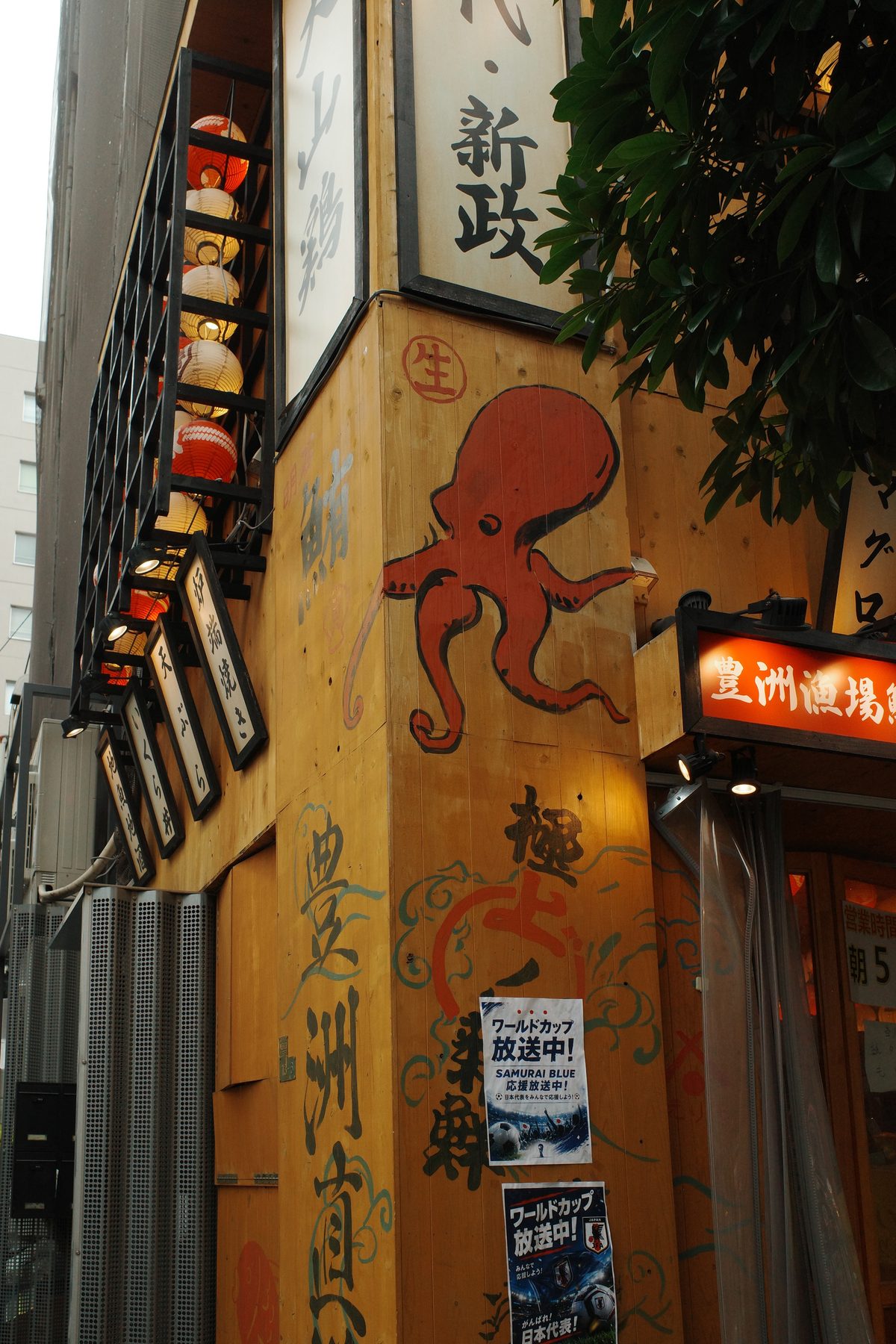
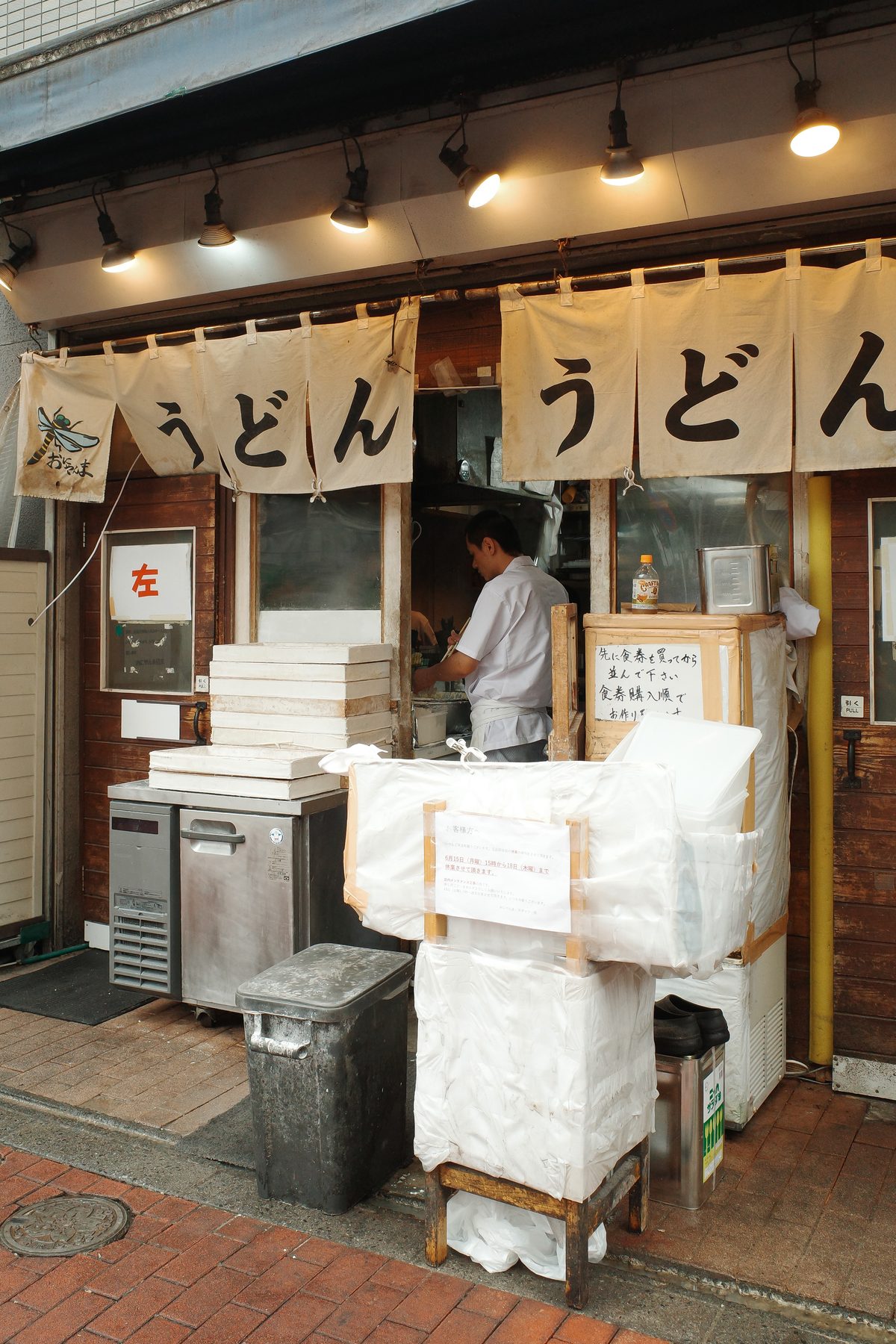
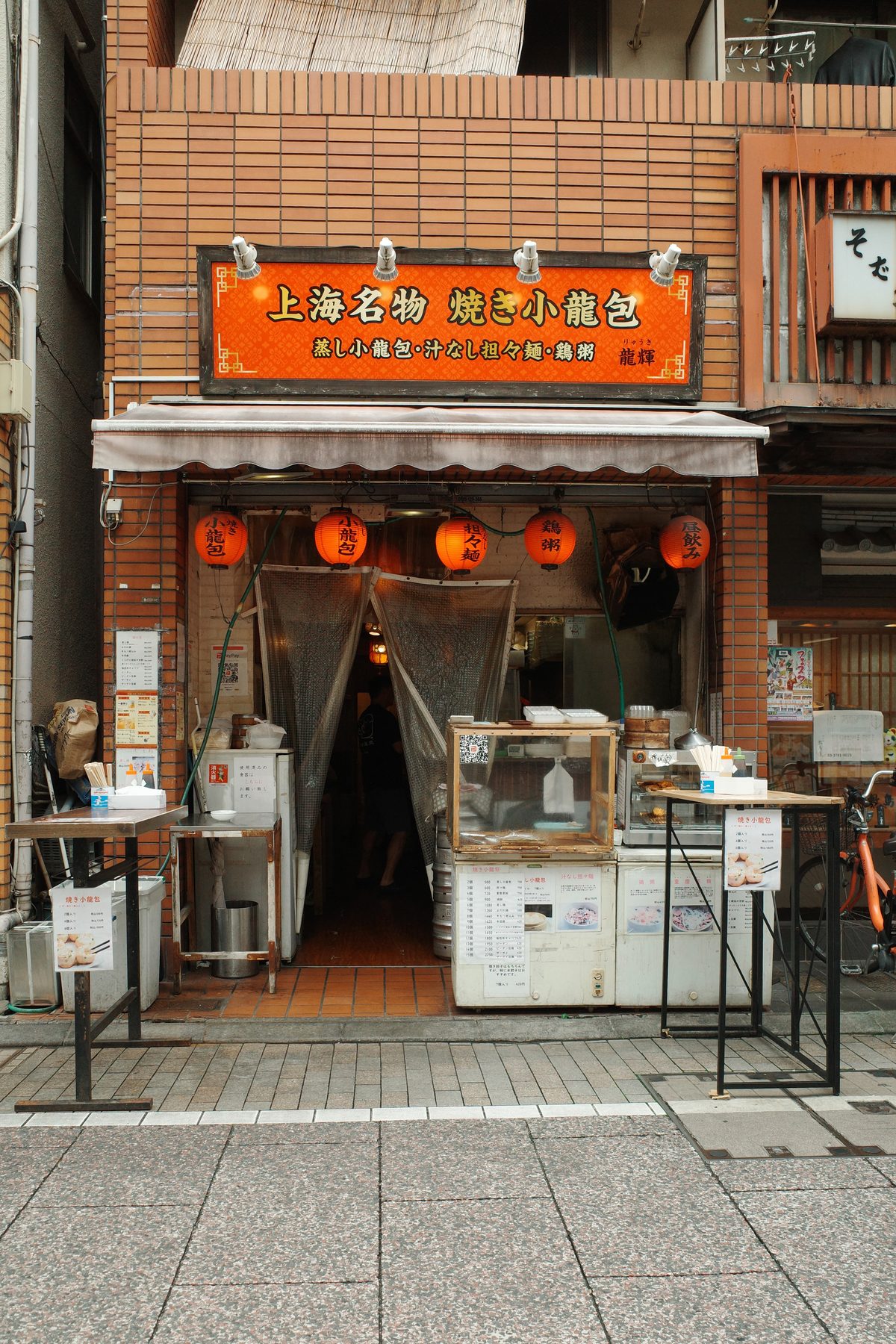
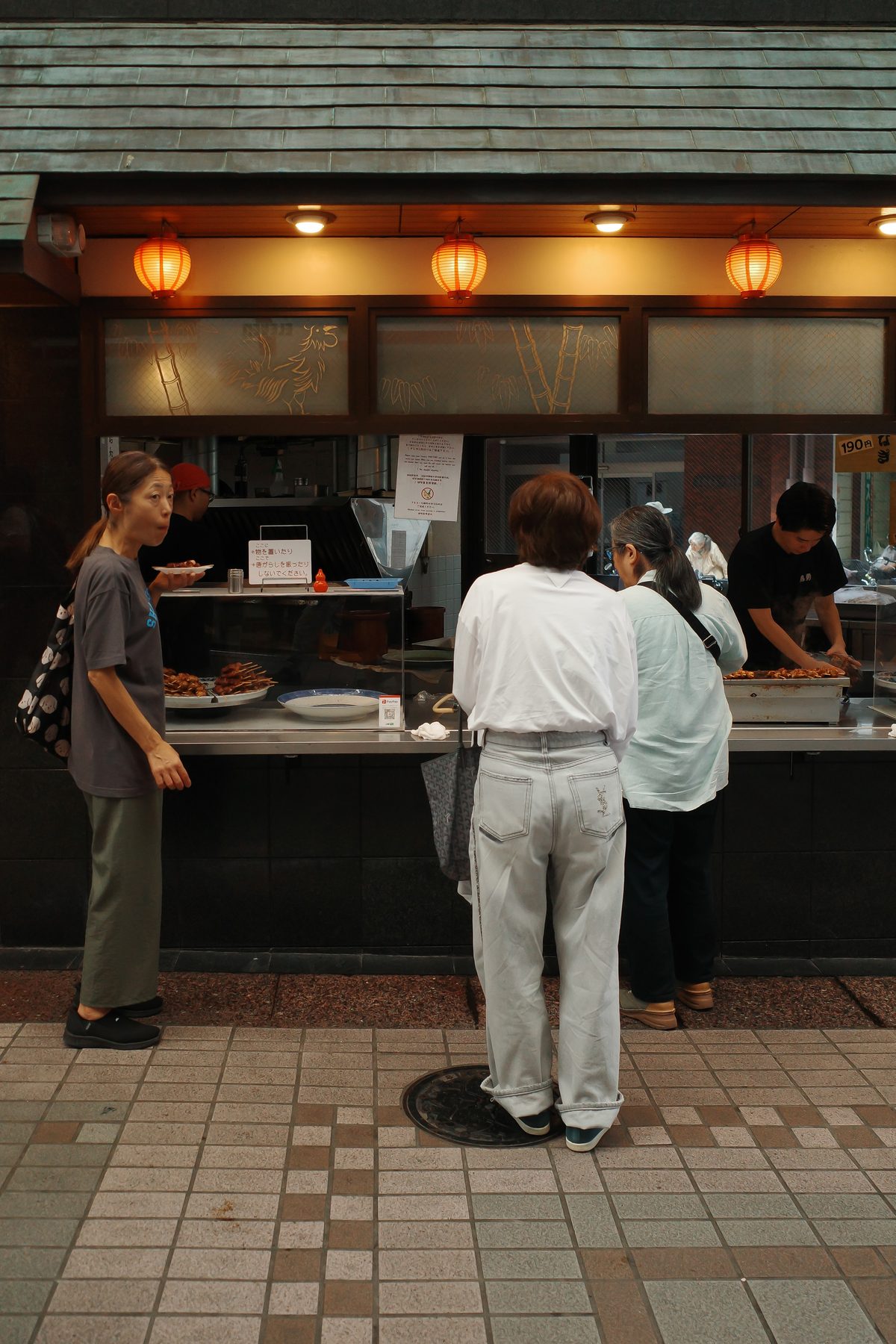
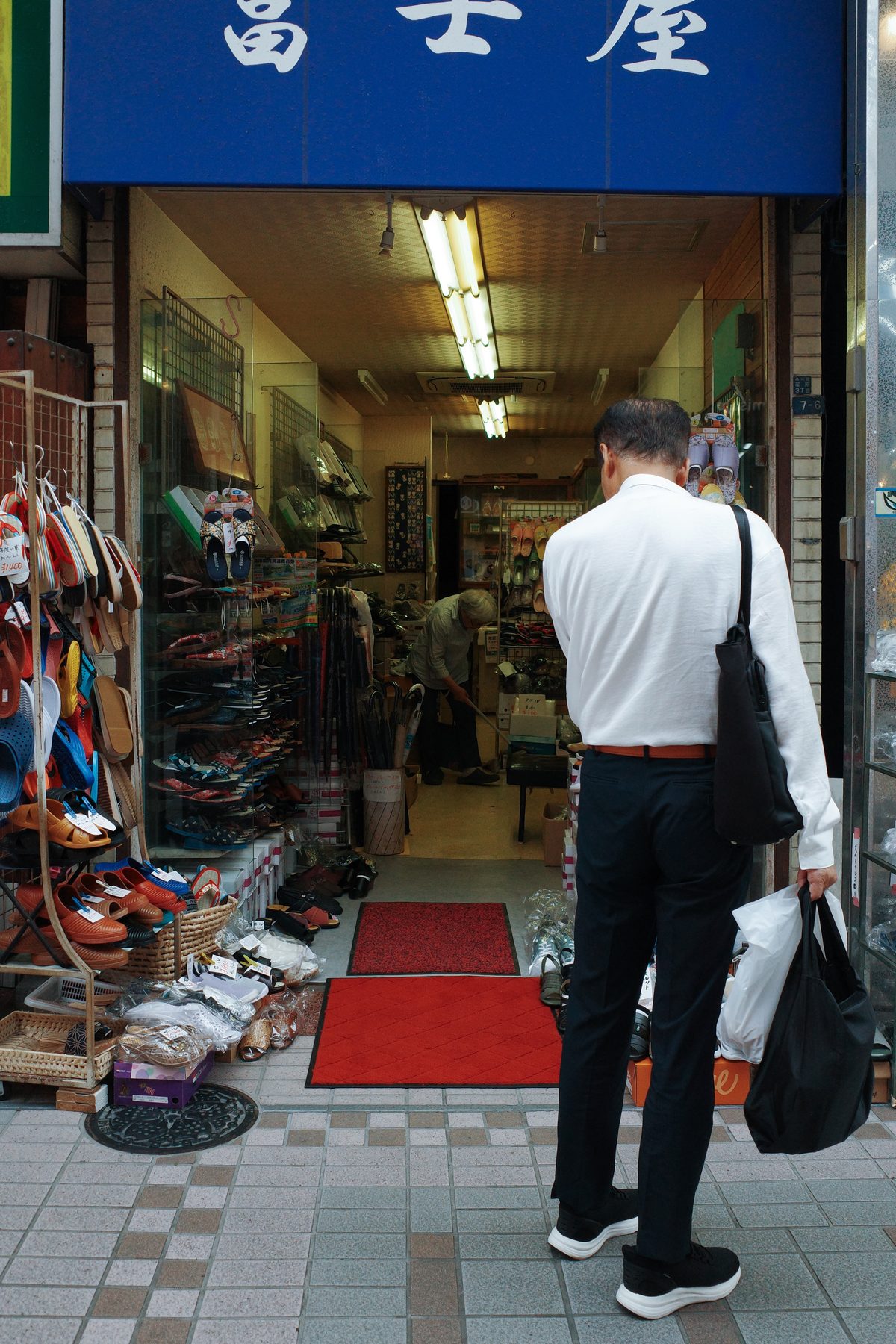
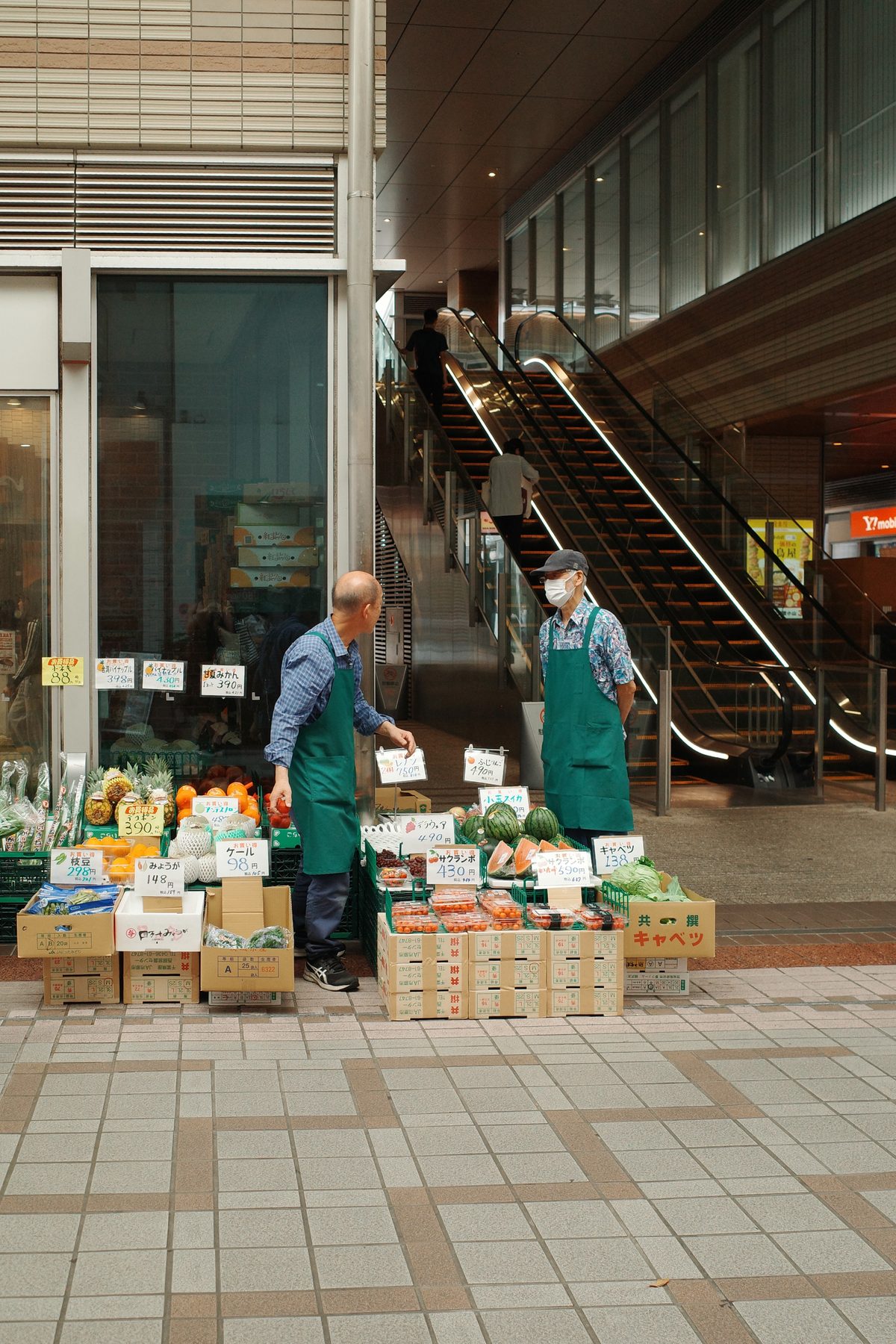
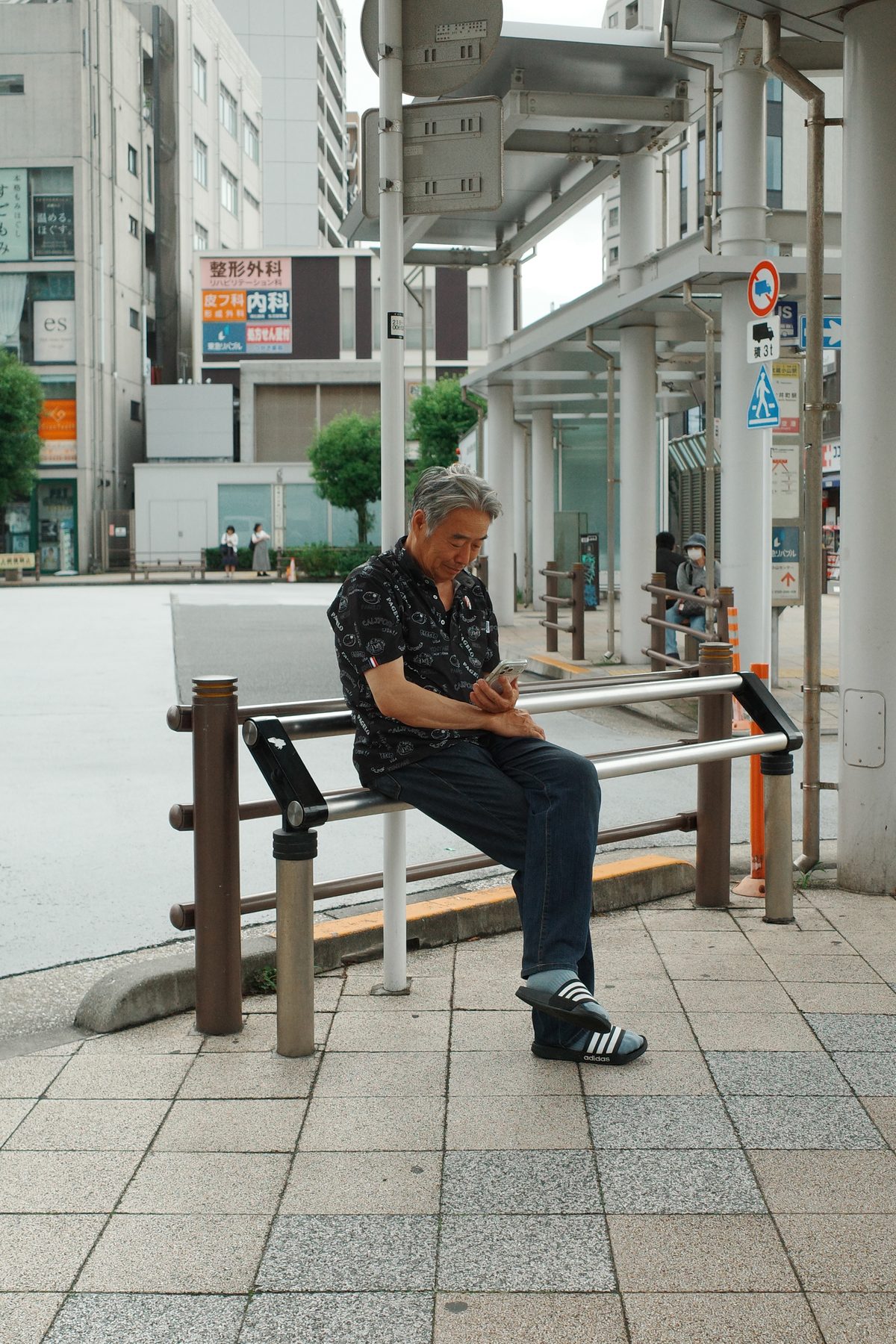
On the morning of 21 June I was at the Oi Racecourse flea market. Then I kept walking, through Gotanda, to Musashi-Koyama. I wanted to discover, so I walked, and I came across these shopping streets.
Musashi-Koyama Palm is the longest covered shopping arcade in Tokyo: about 800 metres and more than 200 shops, right next to Musashi-Koyama station on the Tokyu Meguro line. It opened in 1956, one of the first big covered arcades in Japan.
Nakameguro and Daikanyama
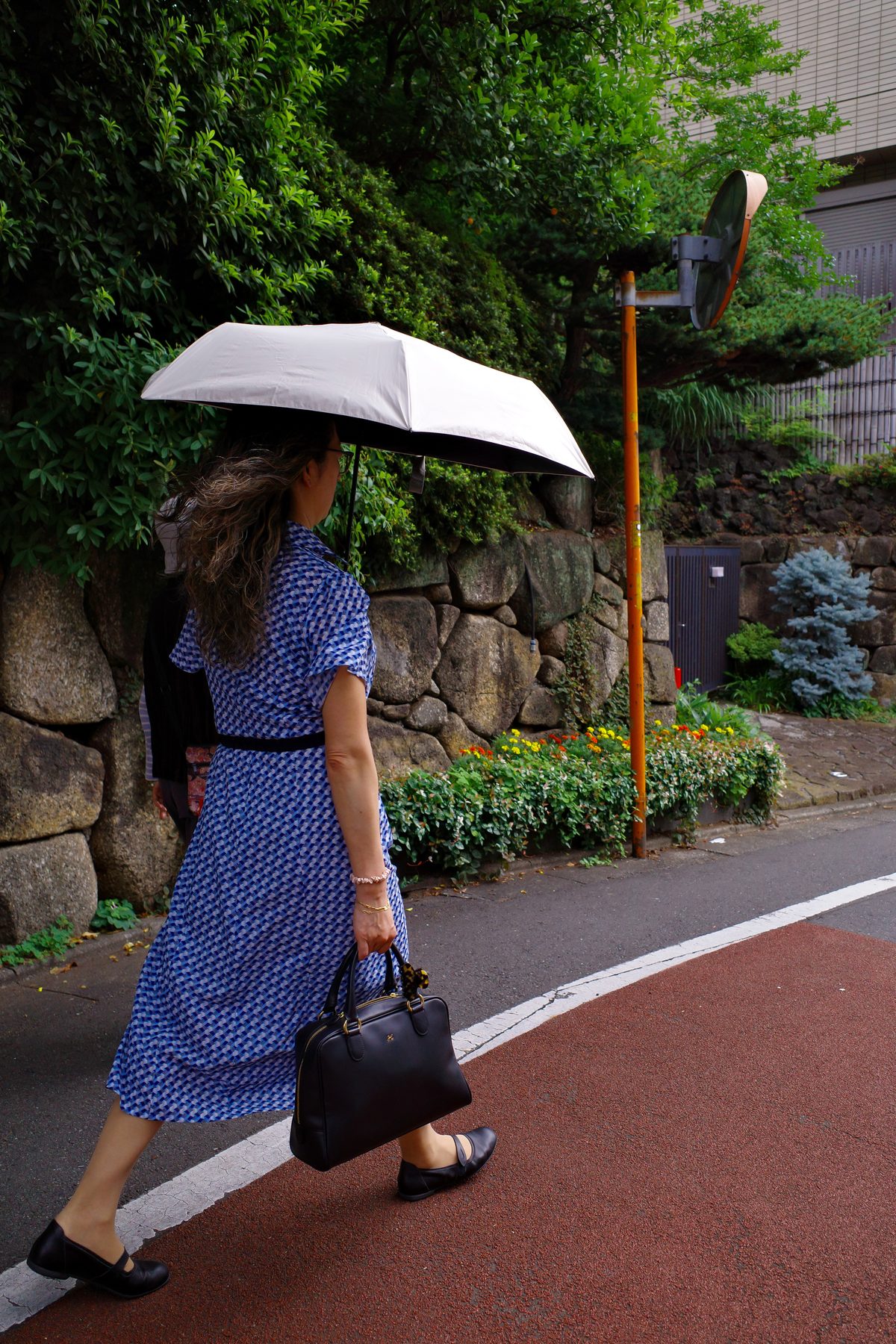
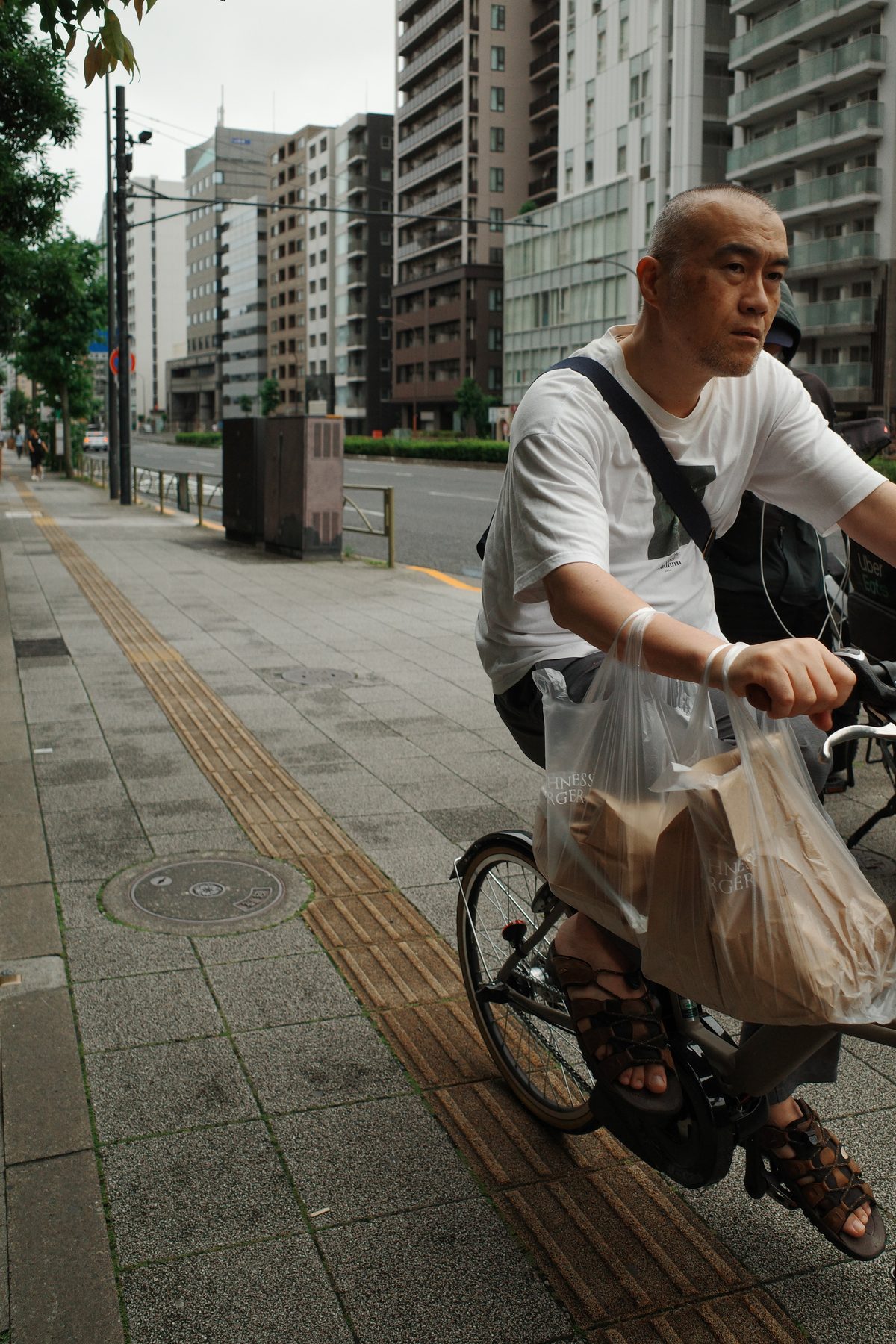
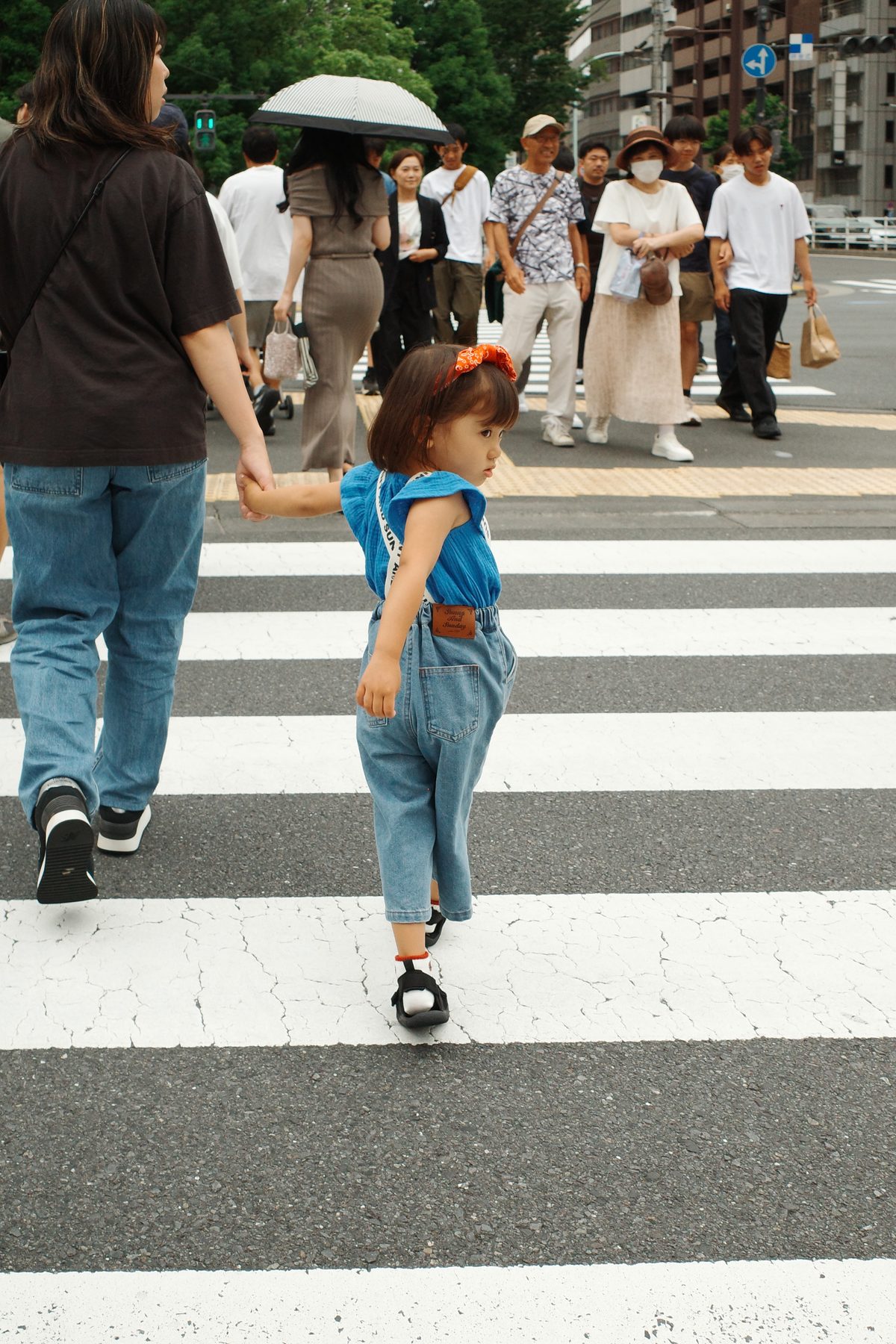
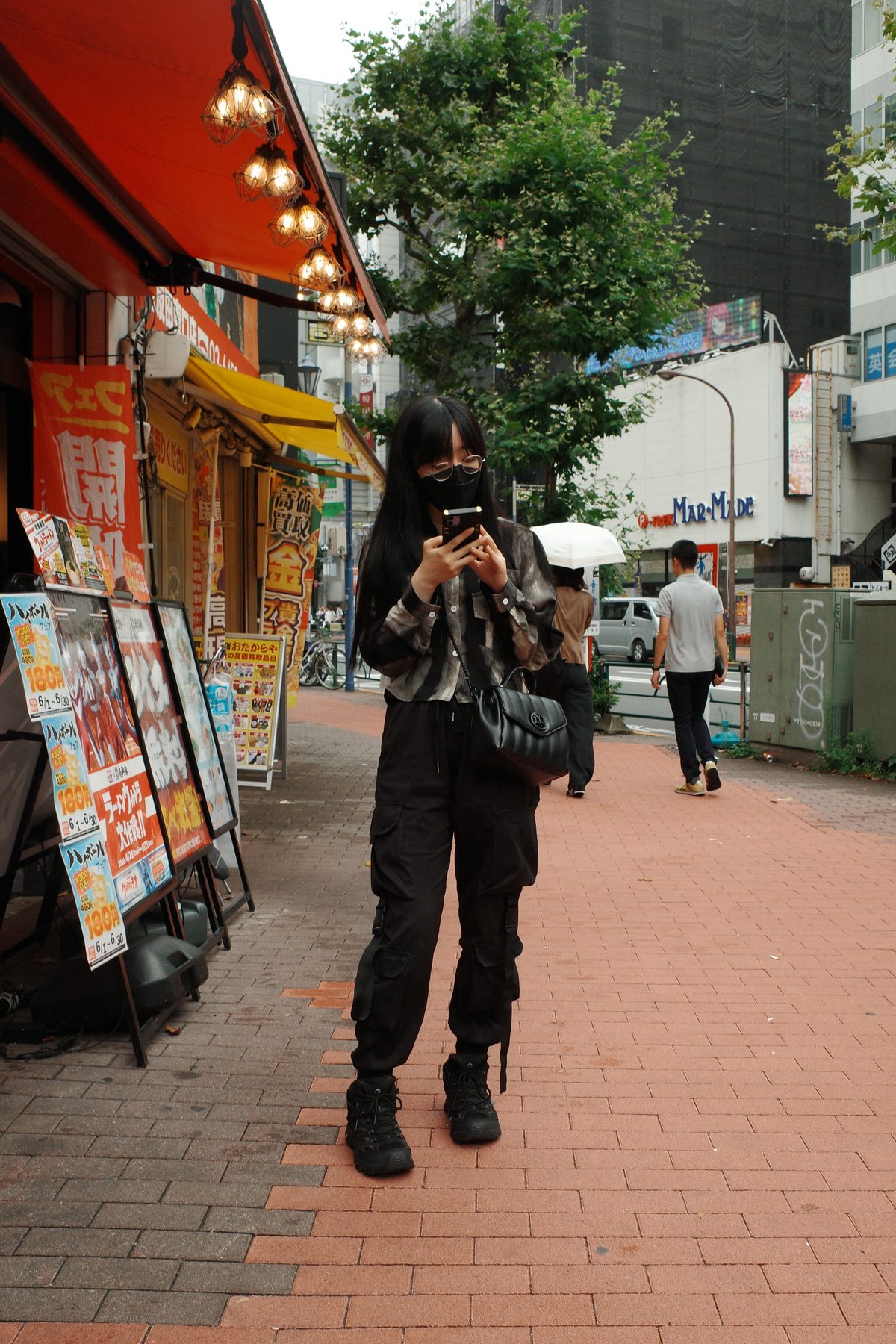
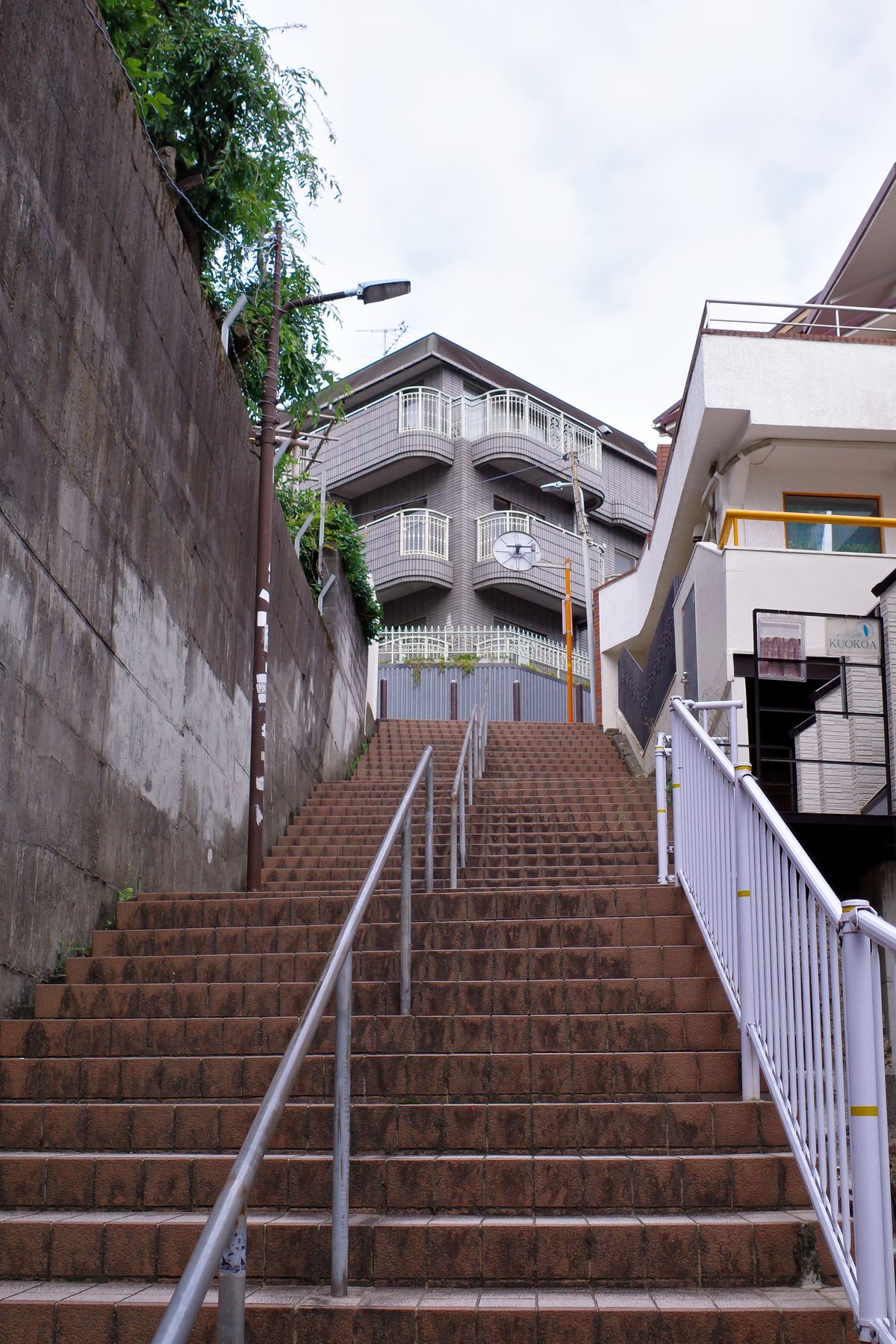
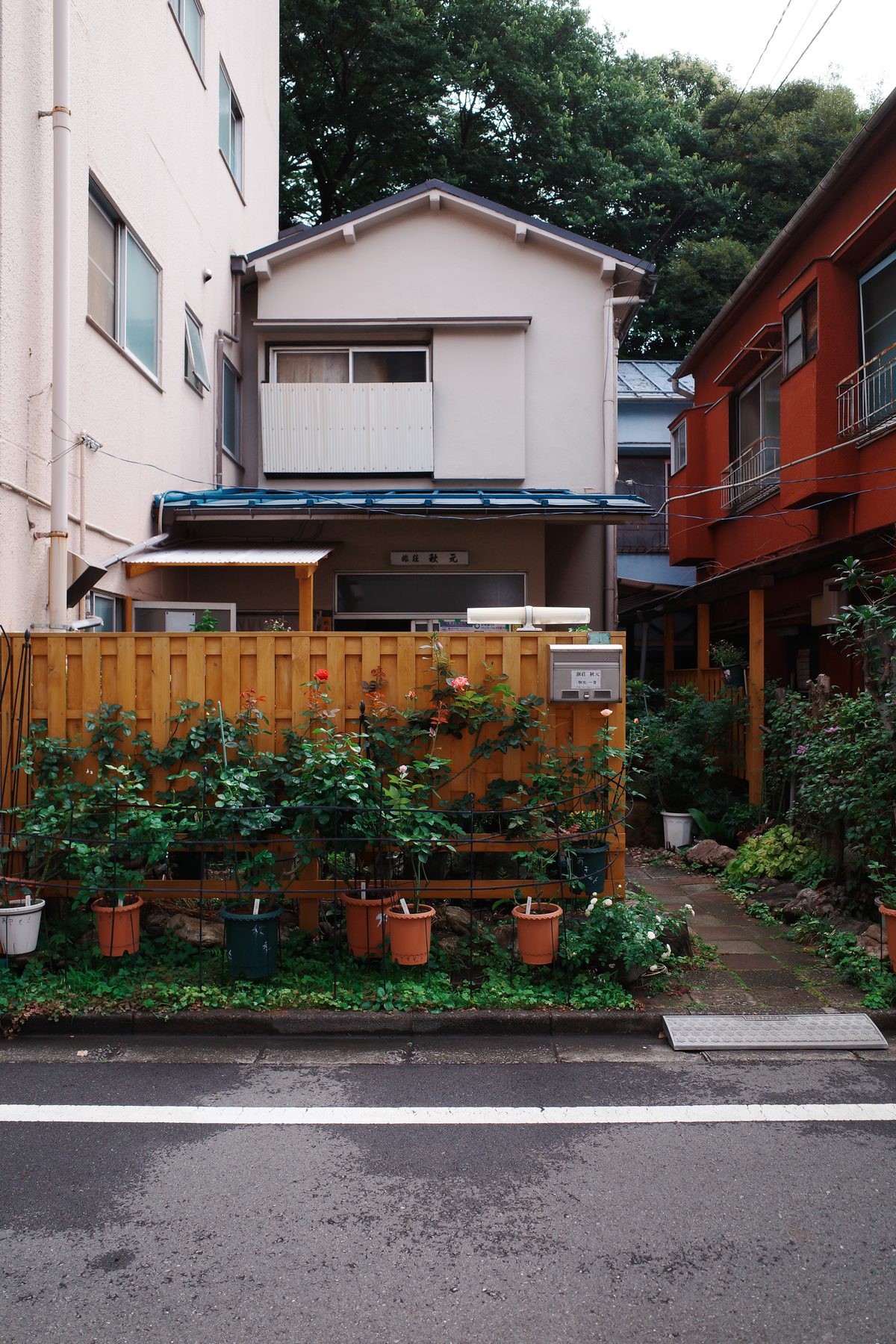
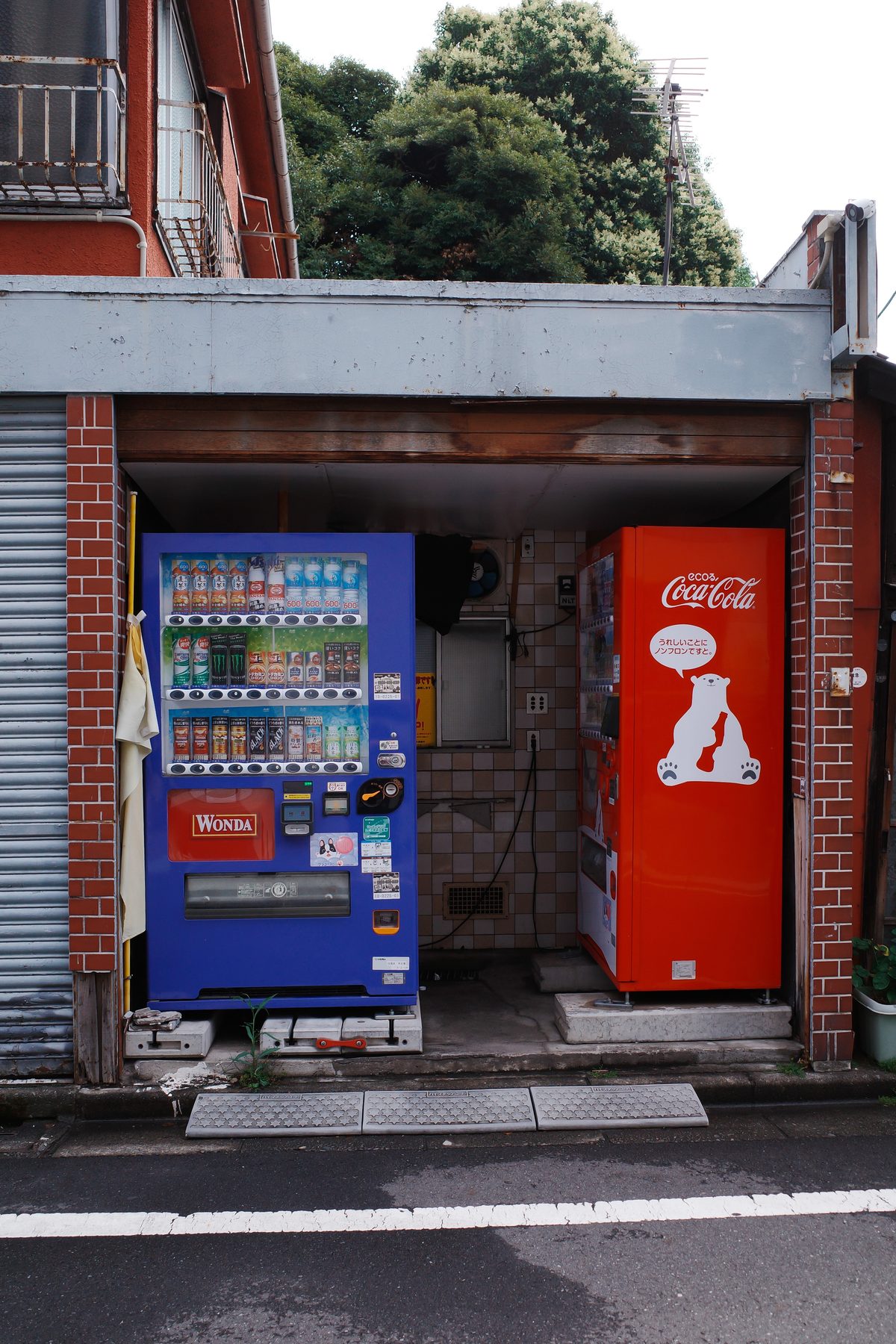
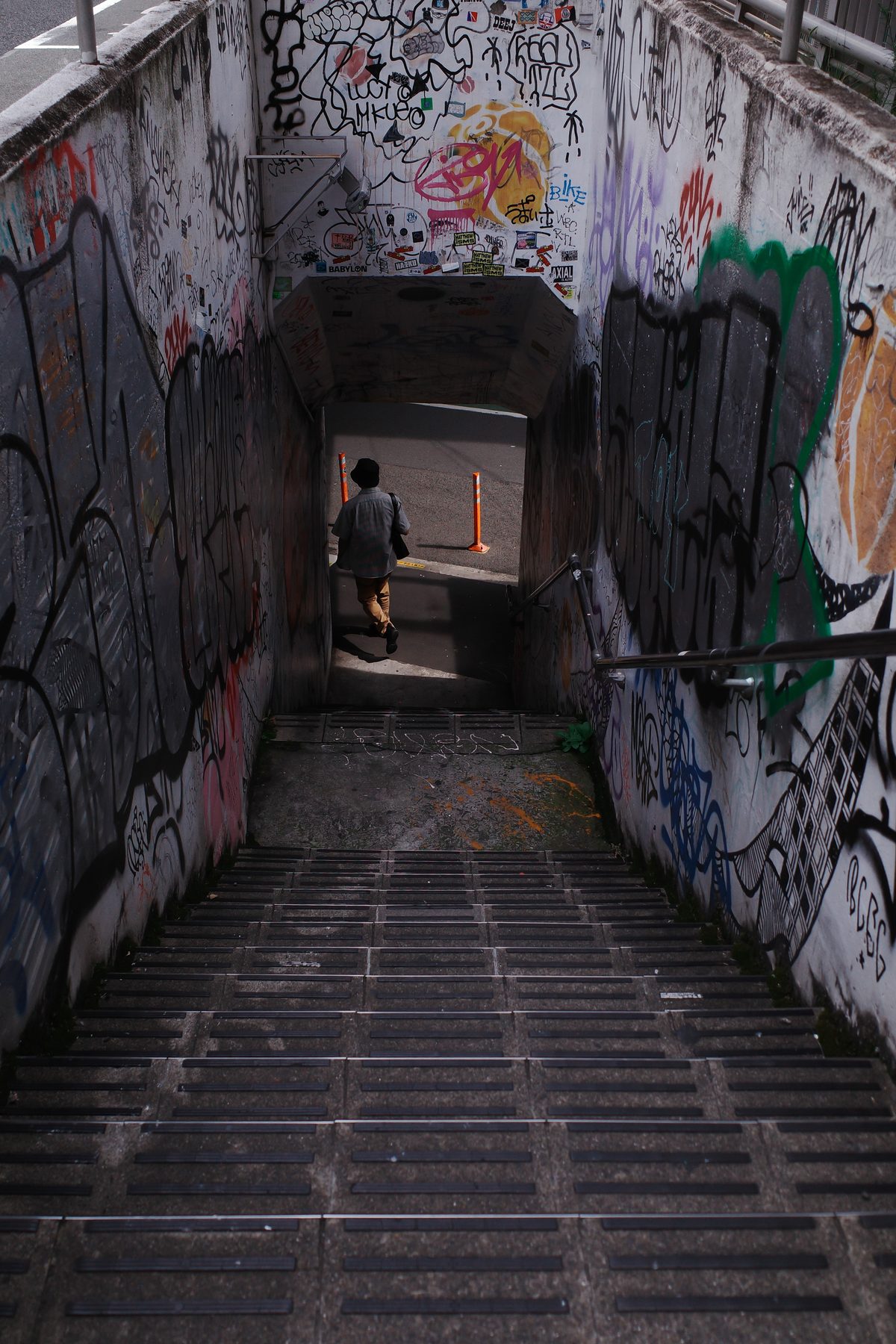
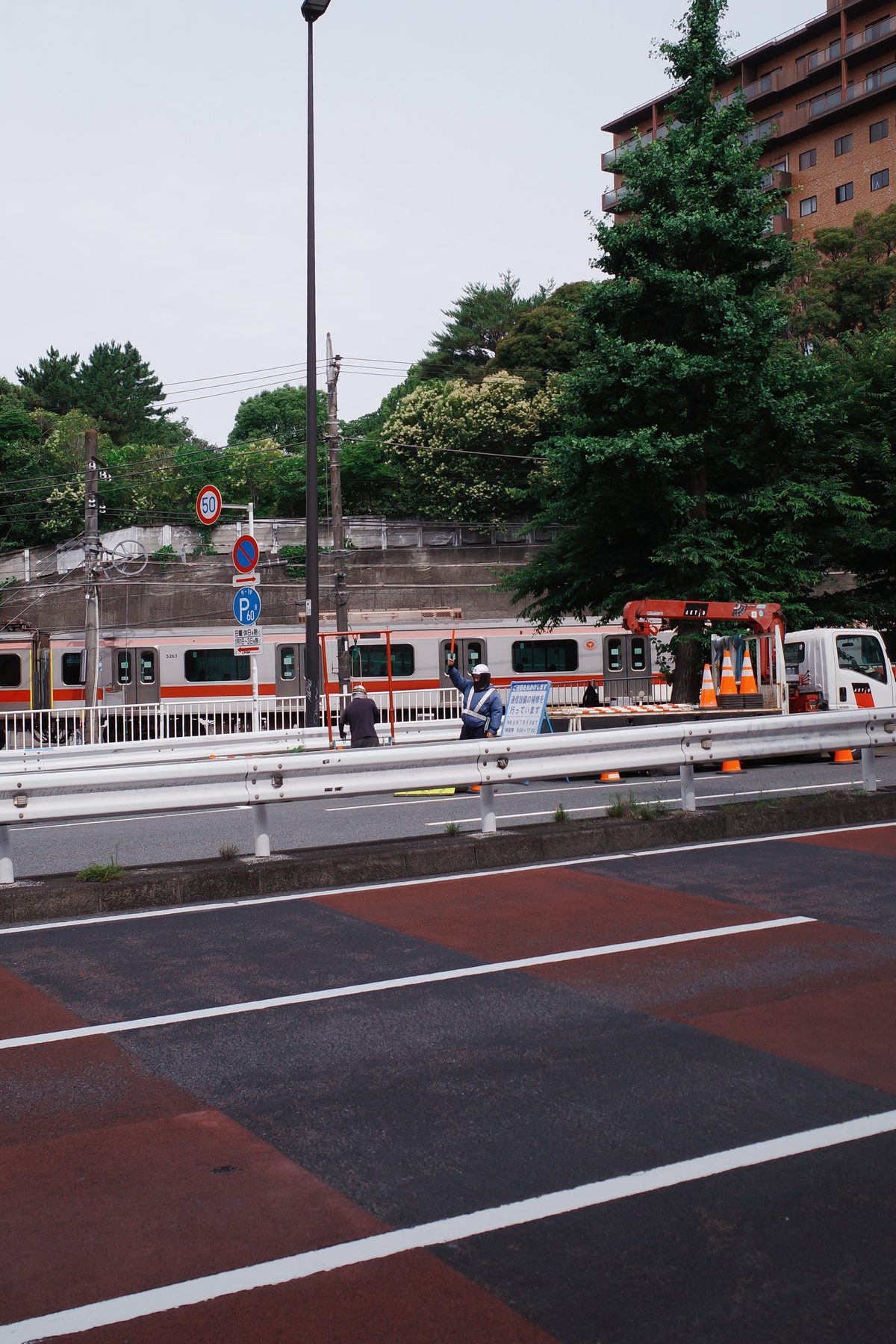
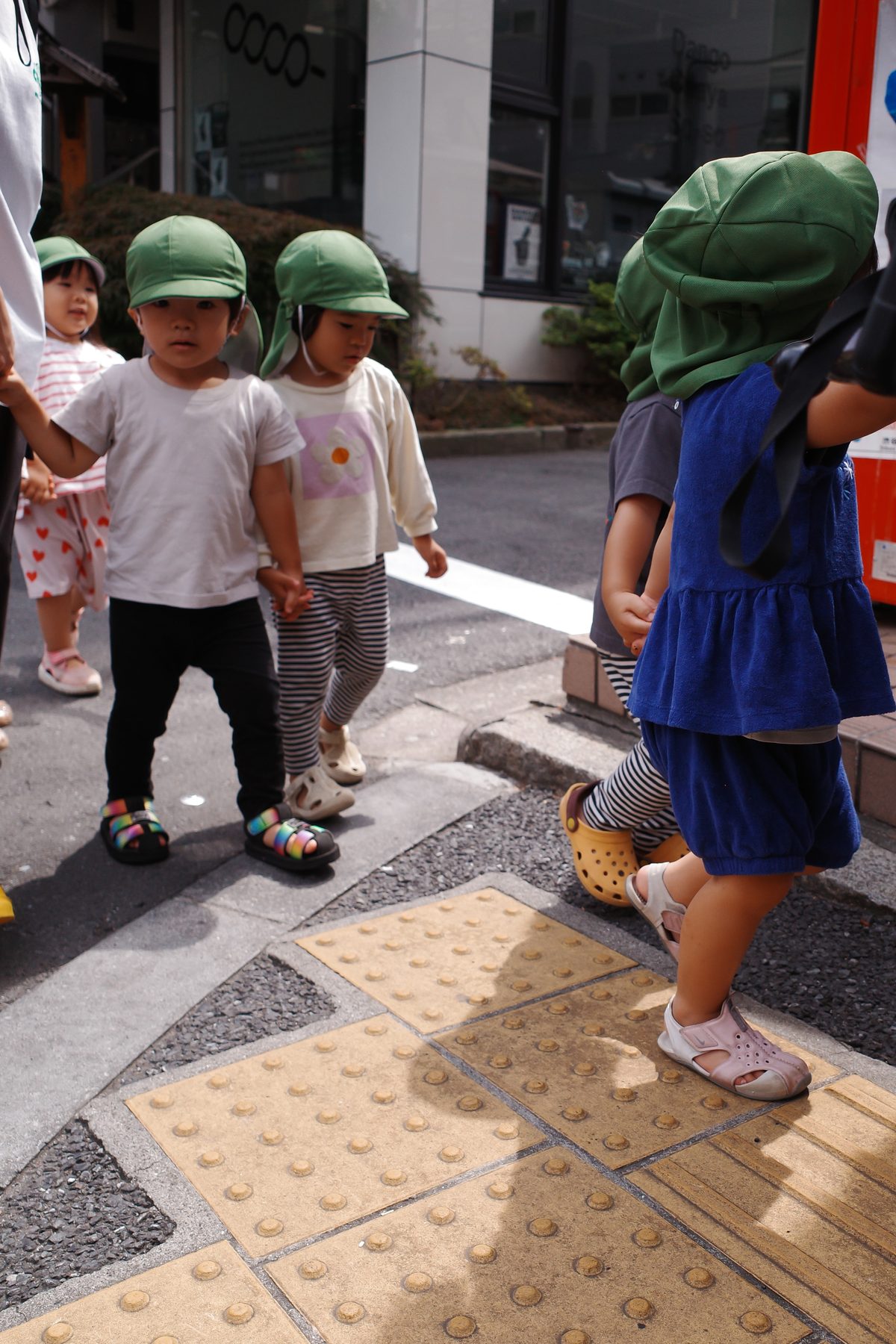
Two neighbourhoods that do you good: much more real and simple than the tourist areas. I walked there early in the morning, on 24 June.
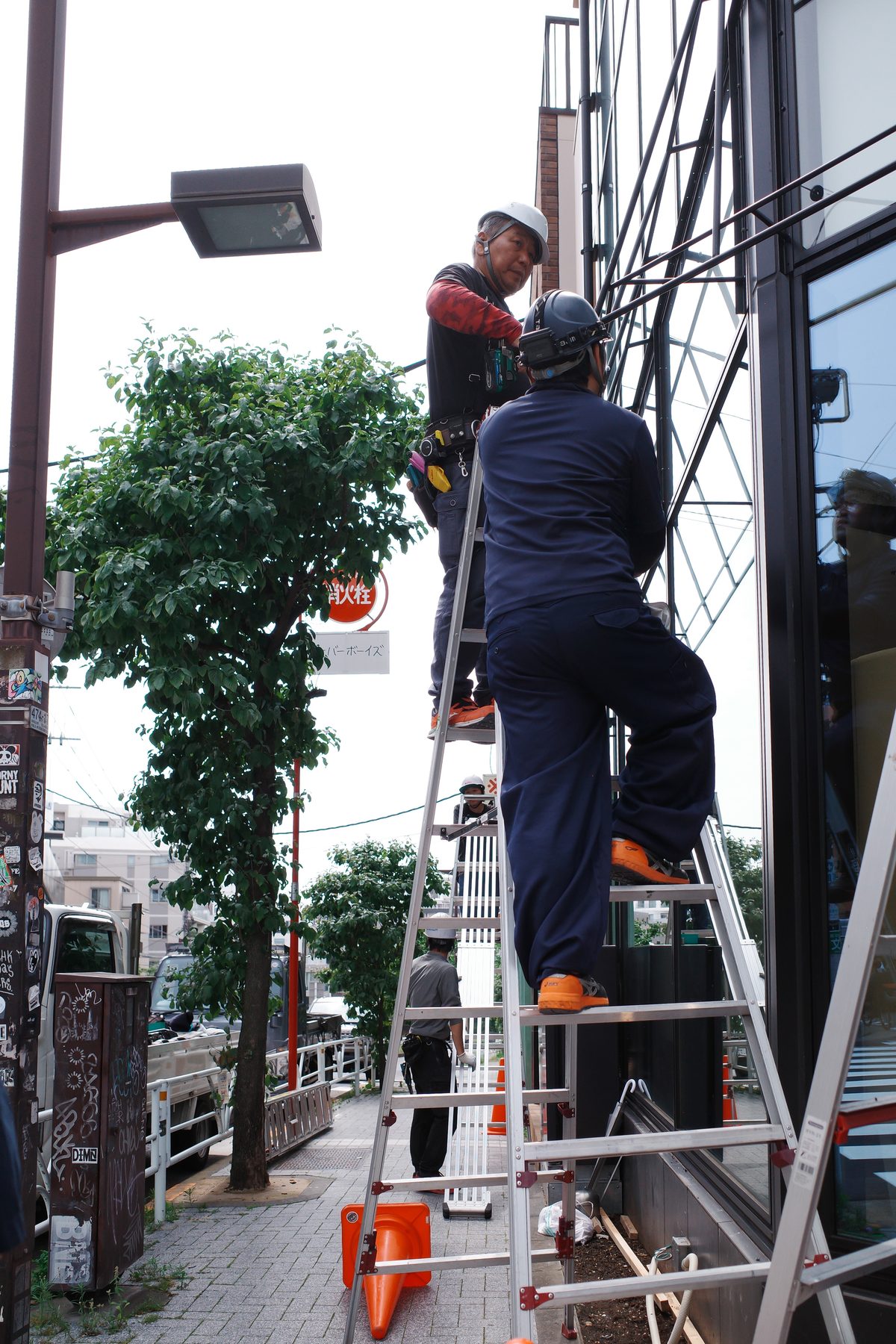
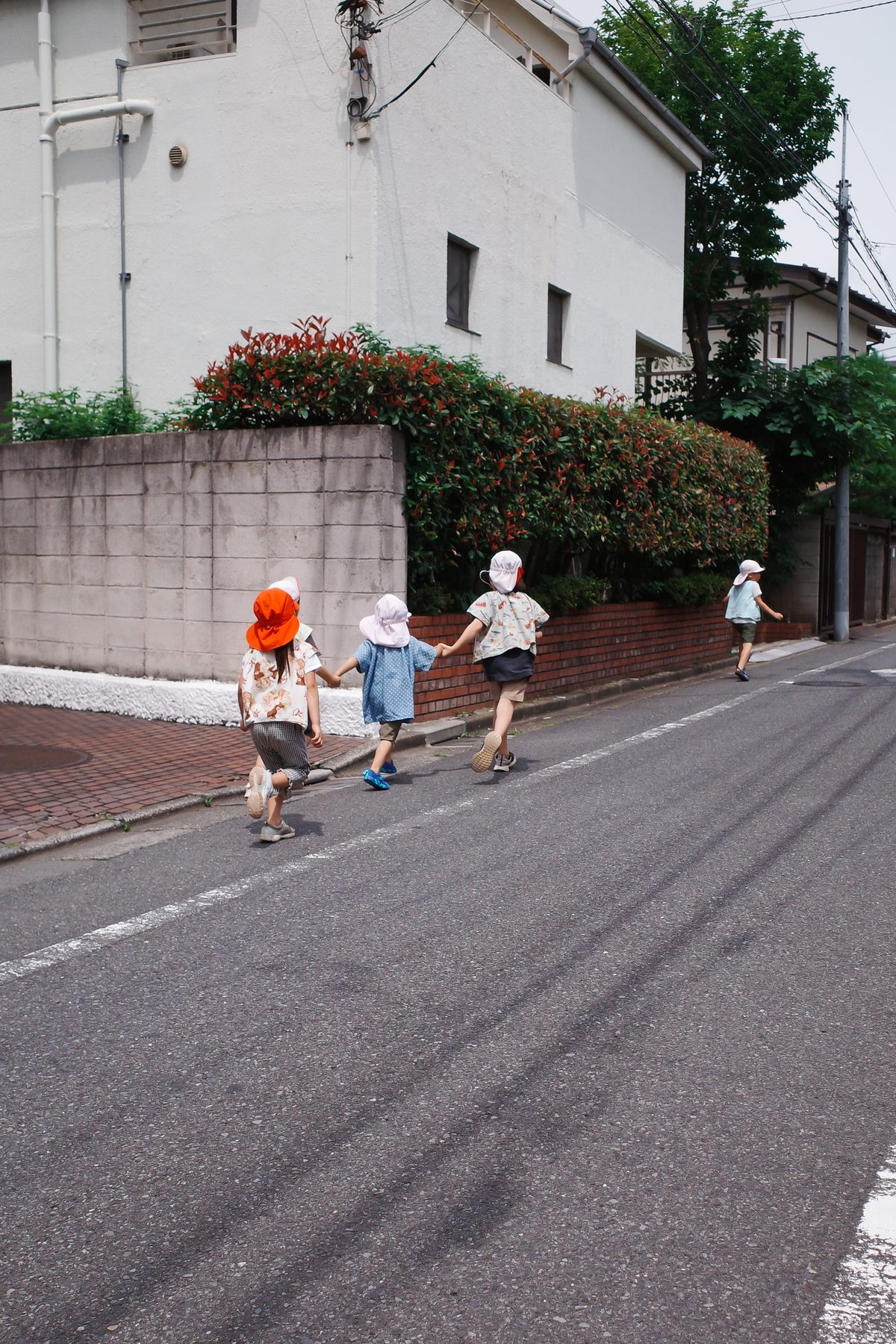
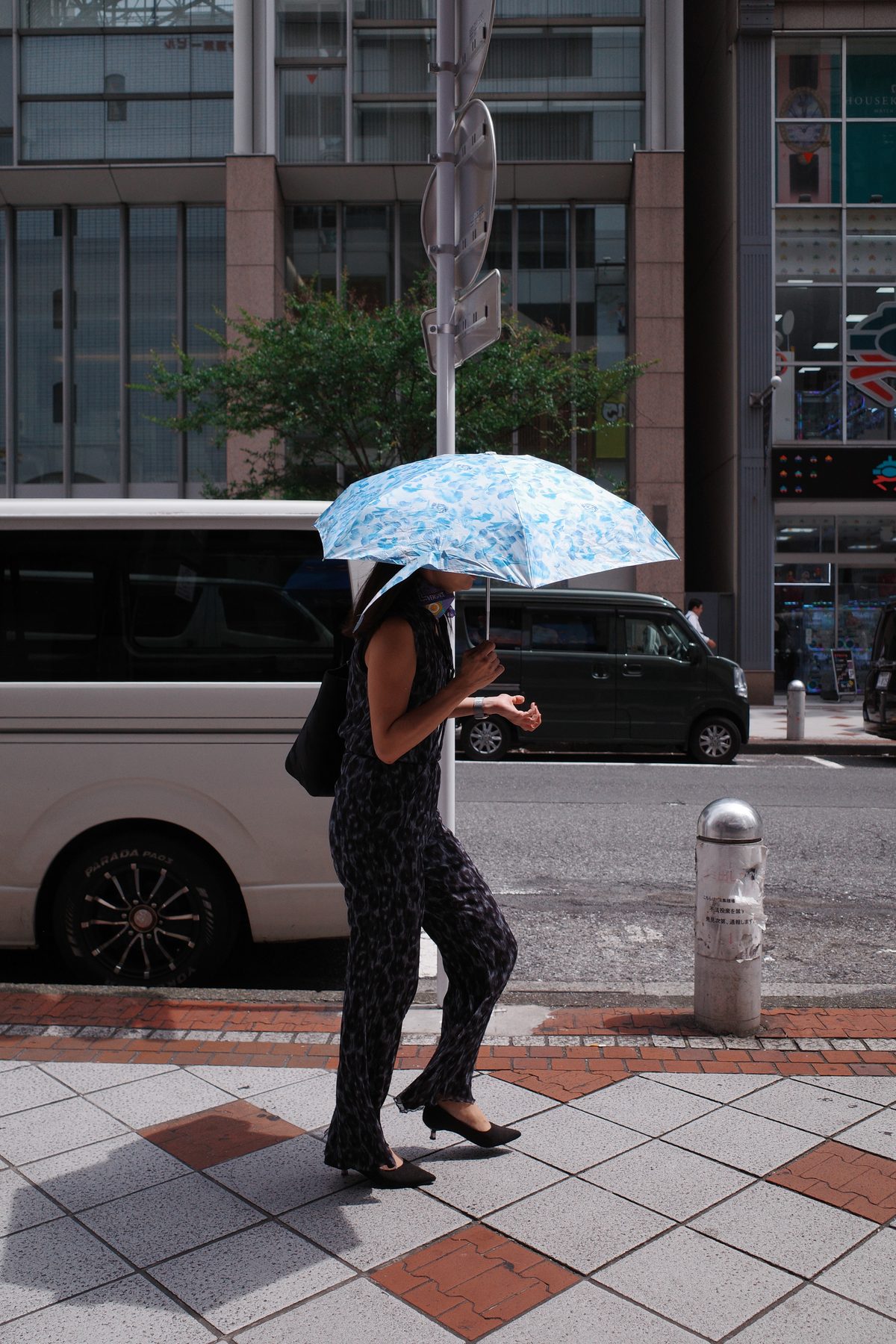
Ebisu
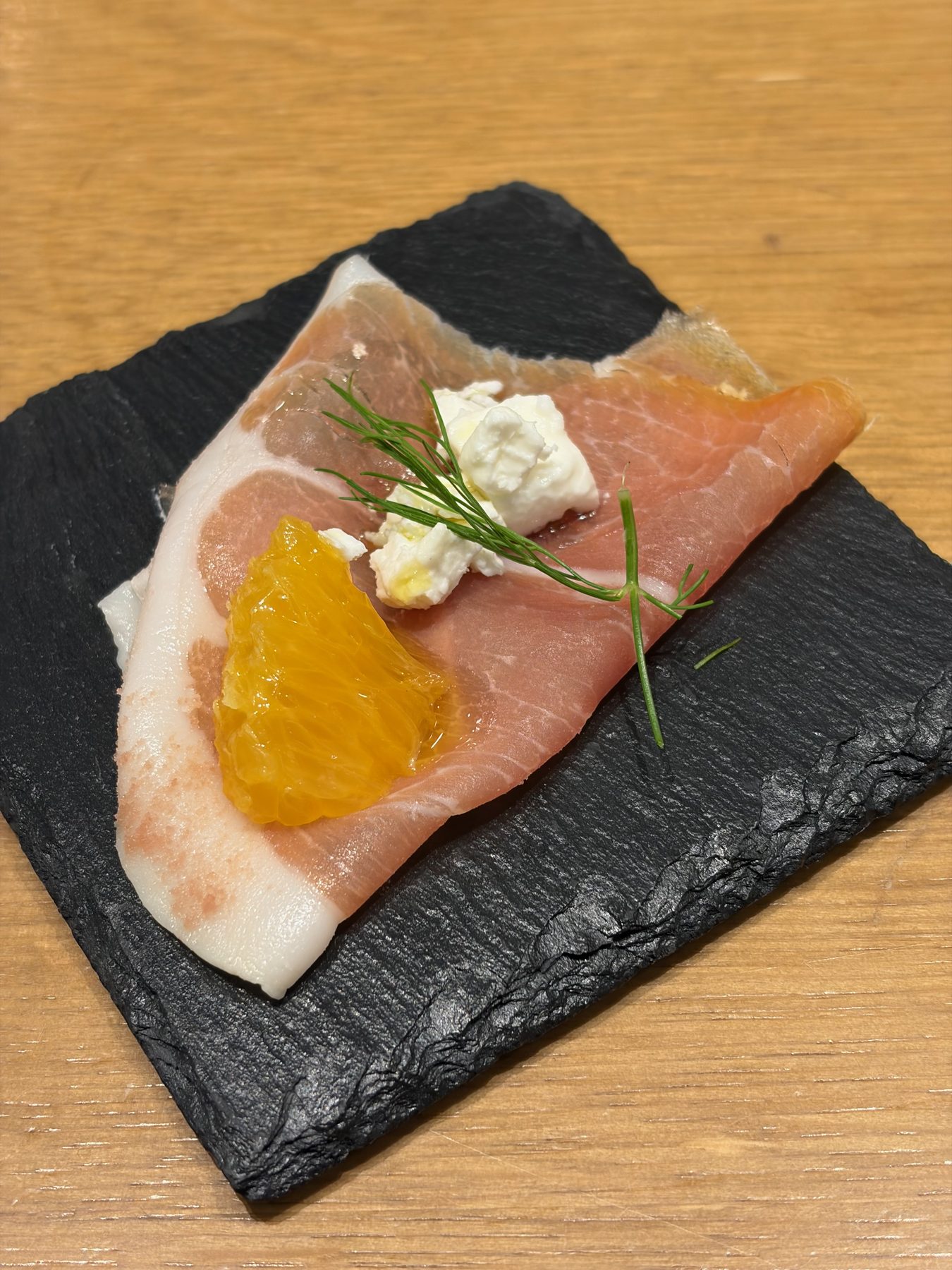
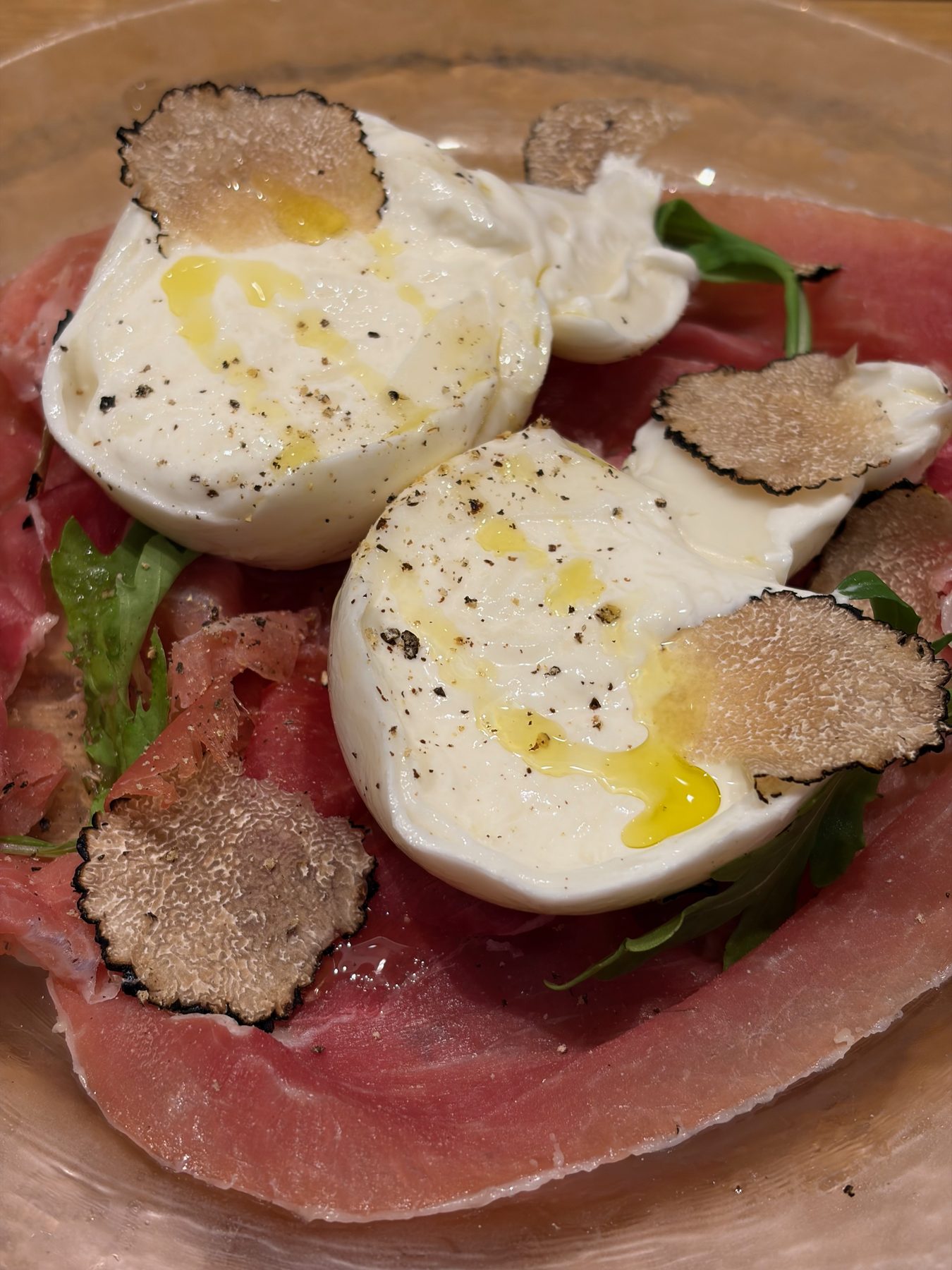
Lunch at Le Bar à Vin 52 Azabu Tokyo, an Italian wine bar on the 4th floor of Atre Ebisu West, one minute from the west exit of Ebisu station. Every day, 11am to 11pm, lunch until 3pm. A 300 yen table charge after 4pm. Then Palette Plaza to pick up my photos, and a head spa at LIBERTA Tokyo, Ebisu 1-11-3, 3rd floor.
Tokyo south FAQ
Is the Tsukiji market still open?
Yes. The wholesale market moved to Toyosu, but the outer market is still there. Go early, and avoid Sundays and public holidays.
What is the longest shopping street in Tokyo?
Musashi-Koyama Palm, a covered arcade of about 800 metres next to Musashi-Koyama station.
Where to escape the tourist areas in Tokyo?
Nakameguro and Daikanyama: much more real and simple.
Read next
More from Japan:
- Arashiyama travel guide: go before sunrise
- Kawaguchiko travel guide: up at 4:30am to see Mount Fuji
- Kyoto travel guide: sunrise at Fushimi Inari, and a bathhouse for lunch
- Nara travel guide: a day trip from Osaka, with the deer
Affiliate disclosure: some links in this article are affiliate links. If you buy or book through them, I earn a small commission at no extra cost to you. More